Abbotsford House, home of Sir Walter Scott
One of Scotland’s most important authors, Sir Walter Scott has been credited with inventing the historical novel. Although born in Edinburgh, he was sent to his grandfather's farm at Sandyknowe in Roxburghshire after suffering polio in 1773 and it was here that he developed his life-long love of Border history and folklore.
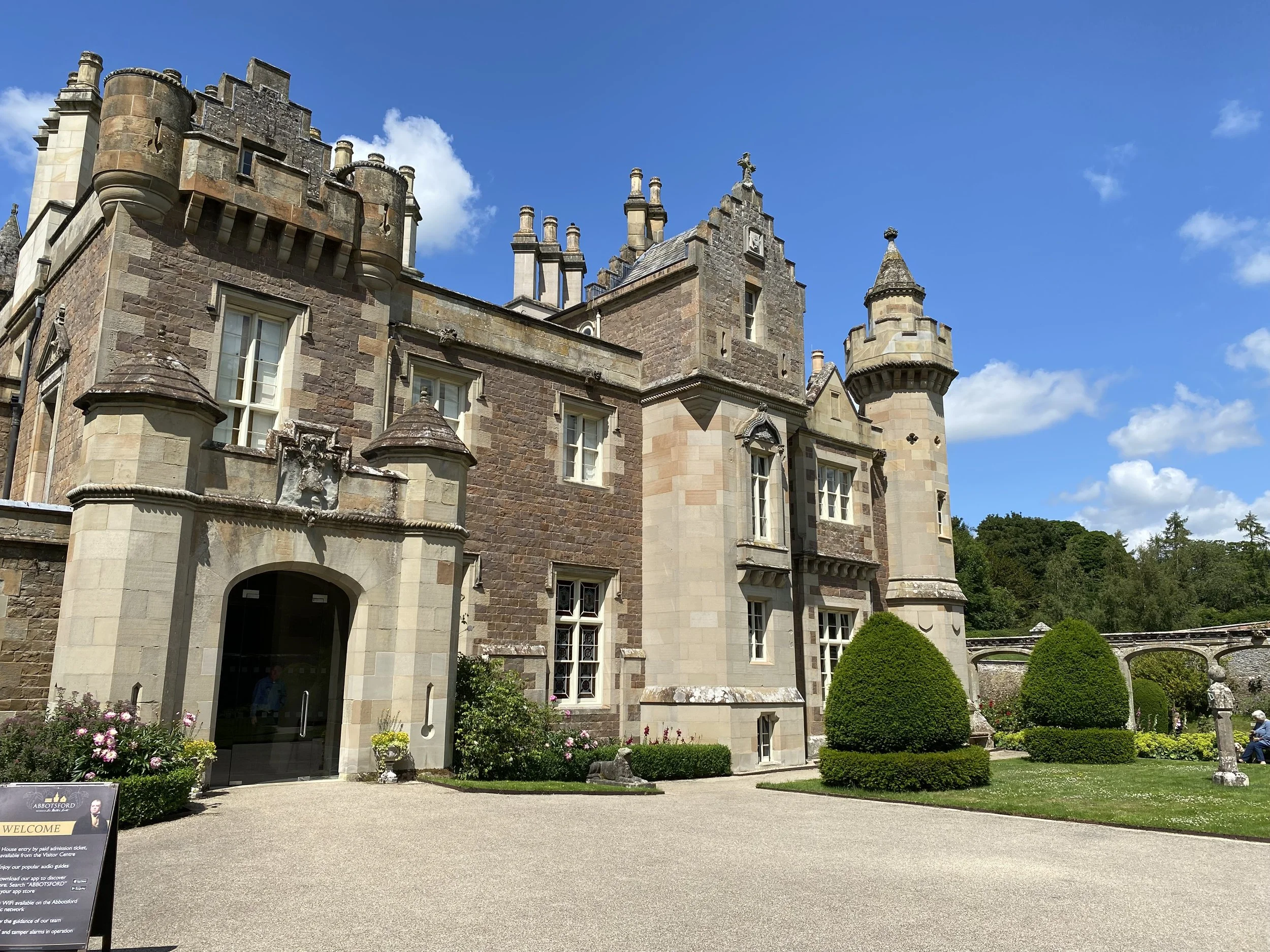
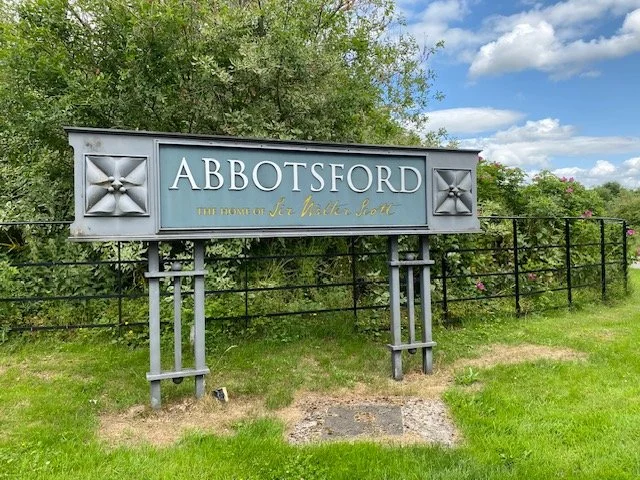
In 1811, Scott bought a house called Newarthaugh which was known as Cartleyhole (and sometimes ‘Clarty Hole’) to local people. He renamed the house ‘Abbotsford’, after the ford across the Tweed below the house, used in former times by the monks of Melrose Abbey. Over the following years, he extended his estate to cover 1,400 acres and expanded the house. Abbotsford is now open to the public, with the rooms, packed full of the many fascinating items he collected, left just as Scott left them after his death.
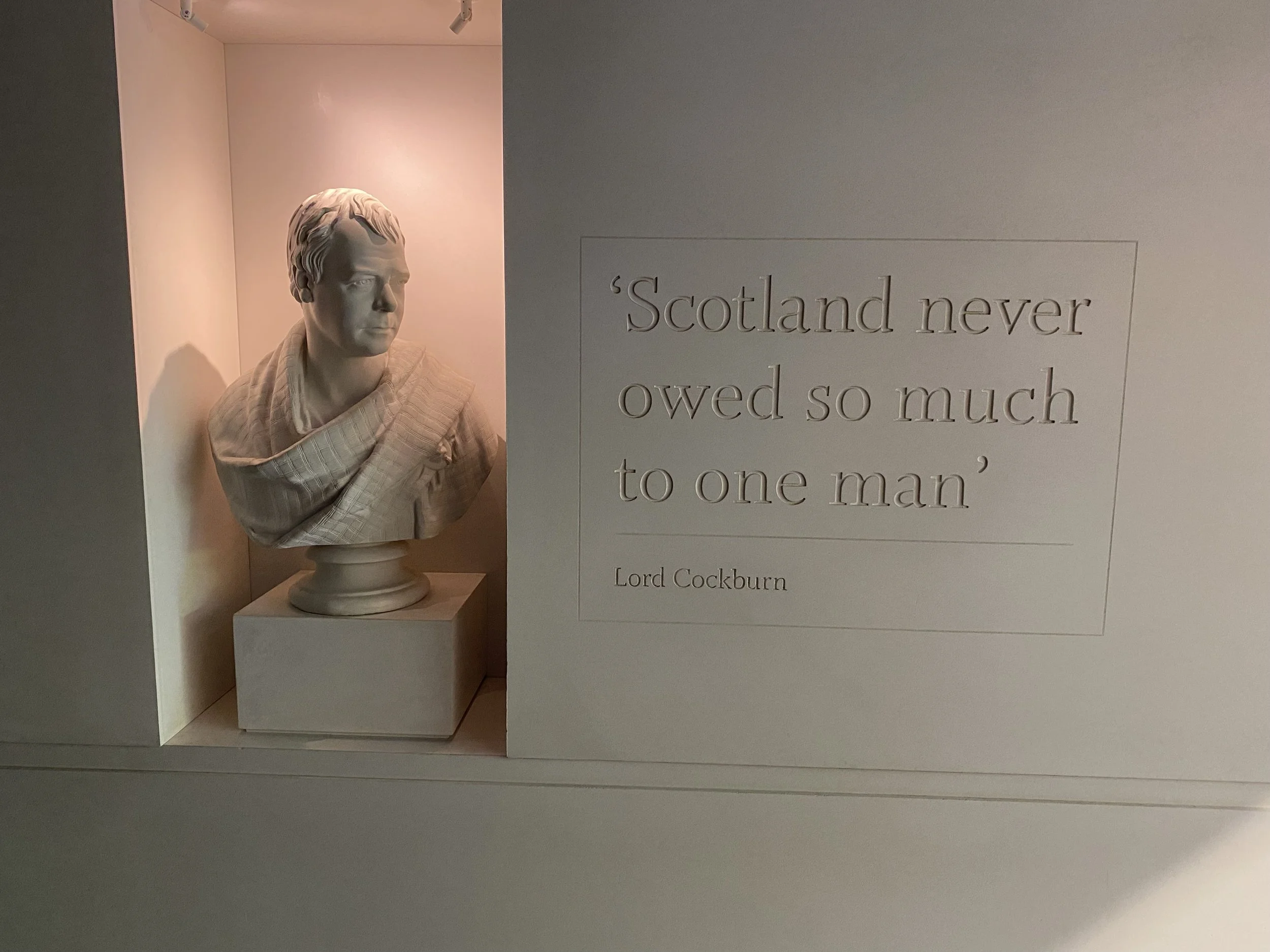
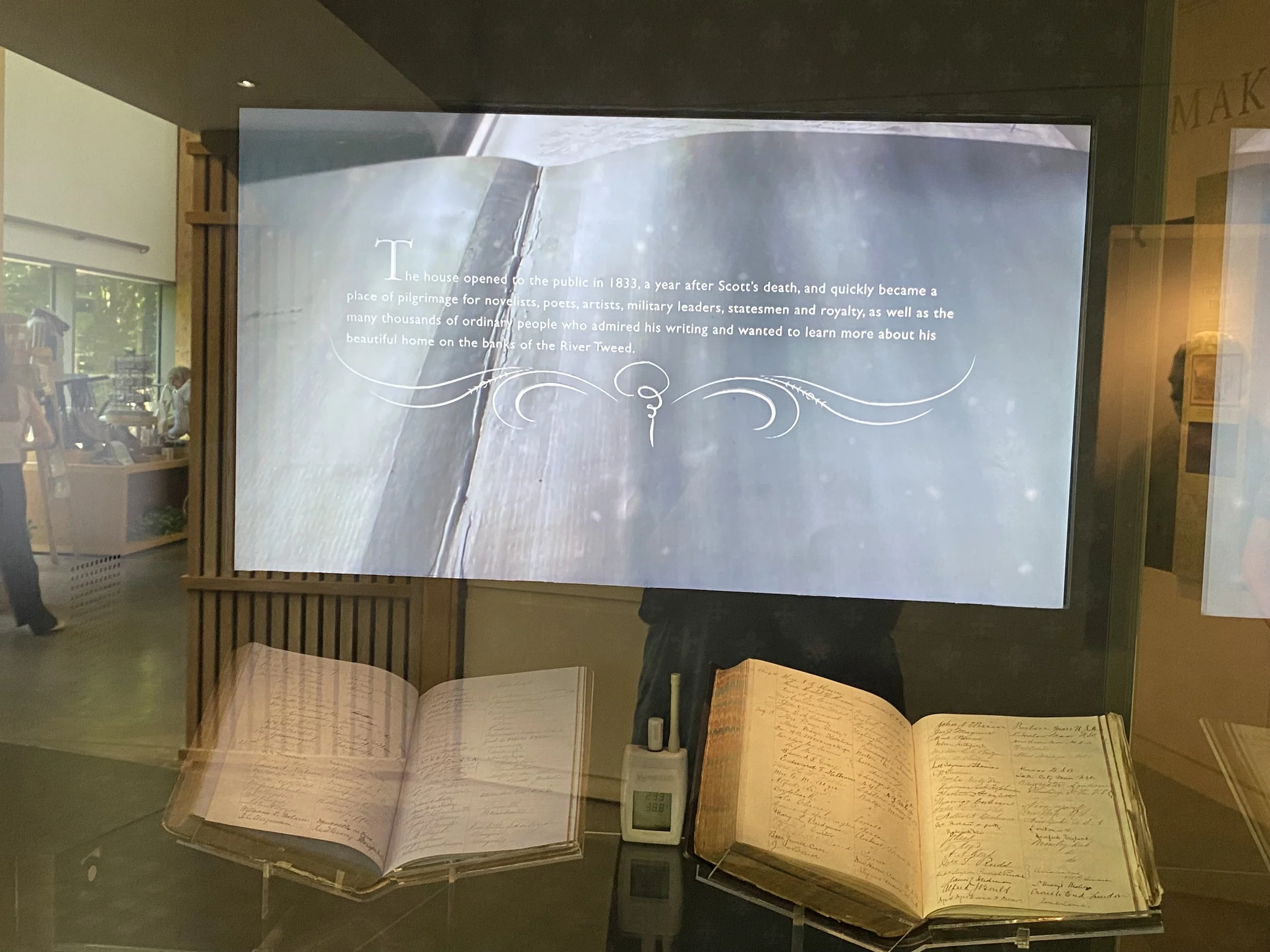

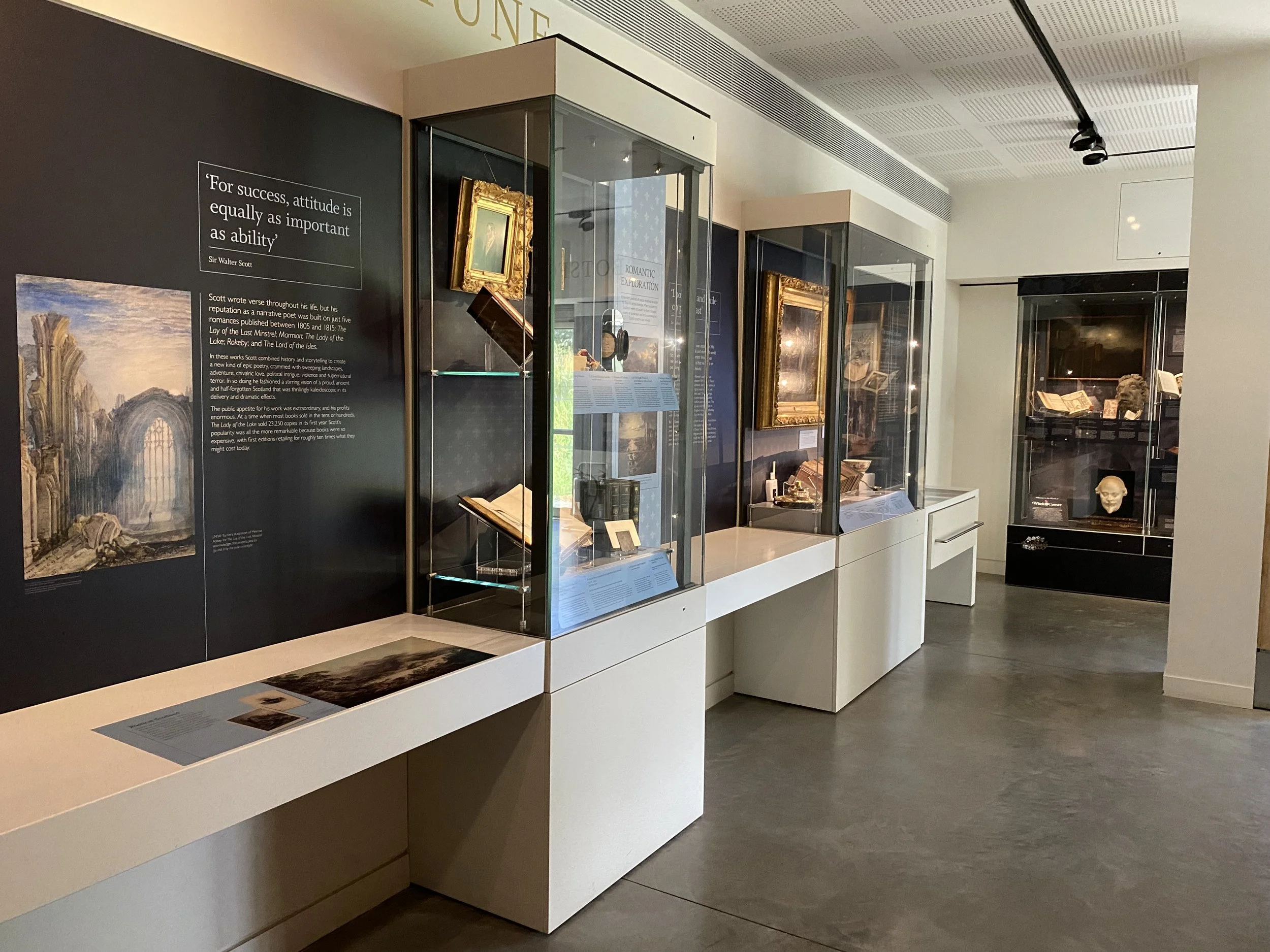
On arrival at the house, visitors are welcomed into the Visitors’ Centre where there is a fascinating exhibition about his life and work. There is plenty to see here, setting the scene for visiting the house, including a visitors’ book boasting many well known names such as Charles Dickens, Charlotte Brontë and Oscar Wilde.
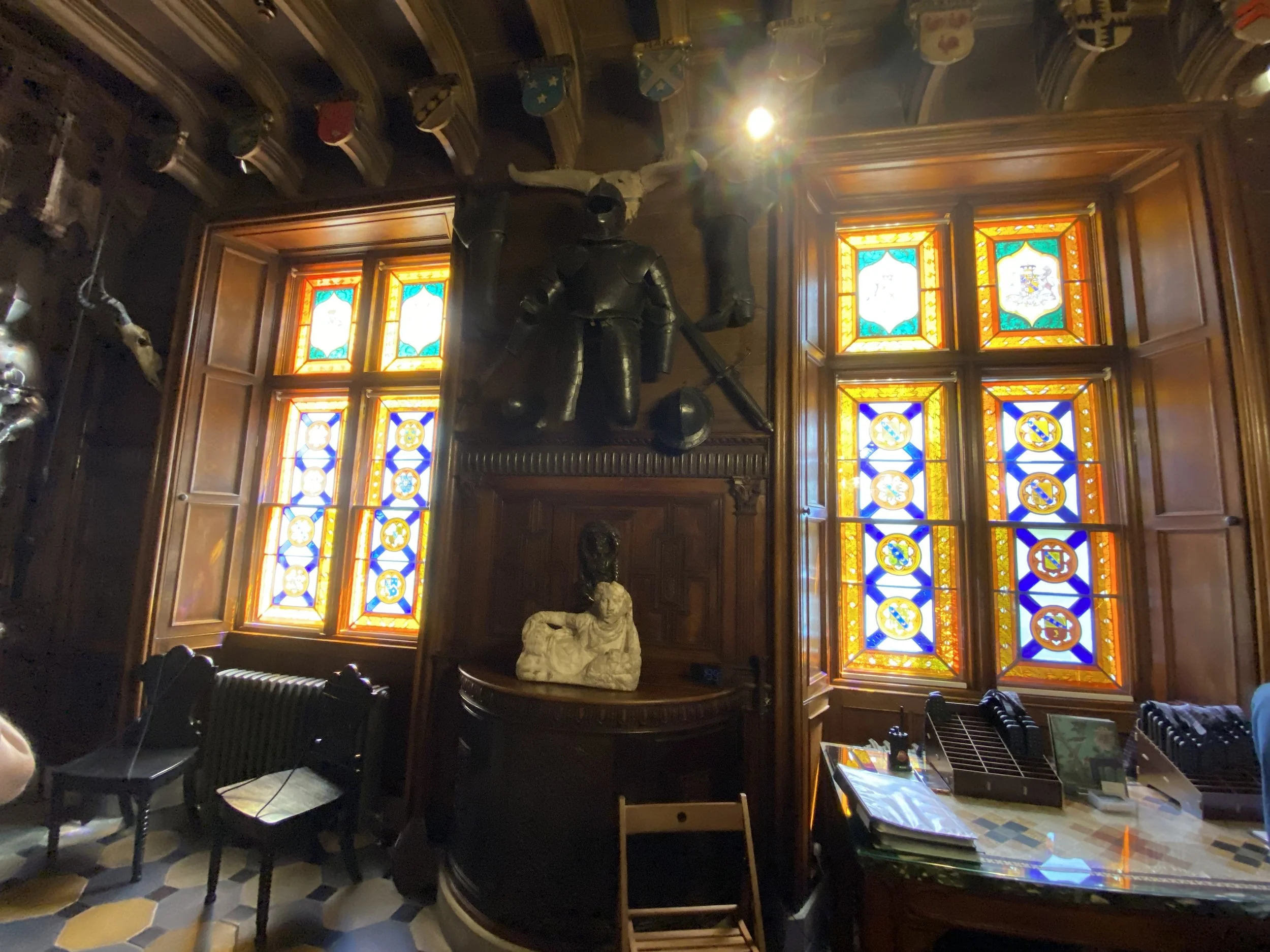
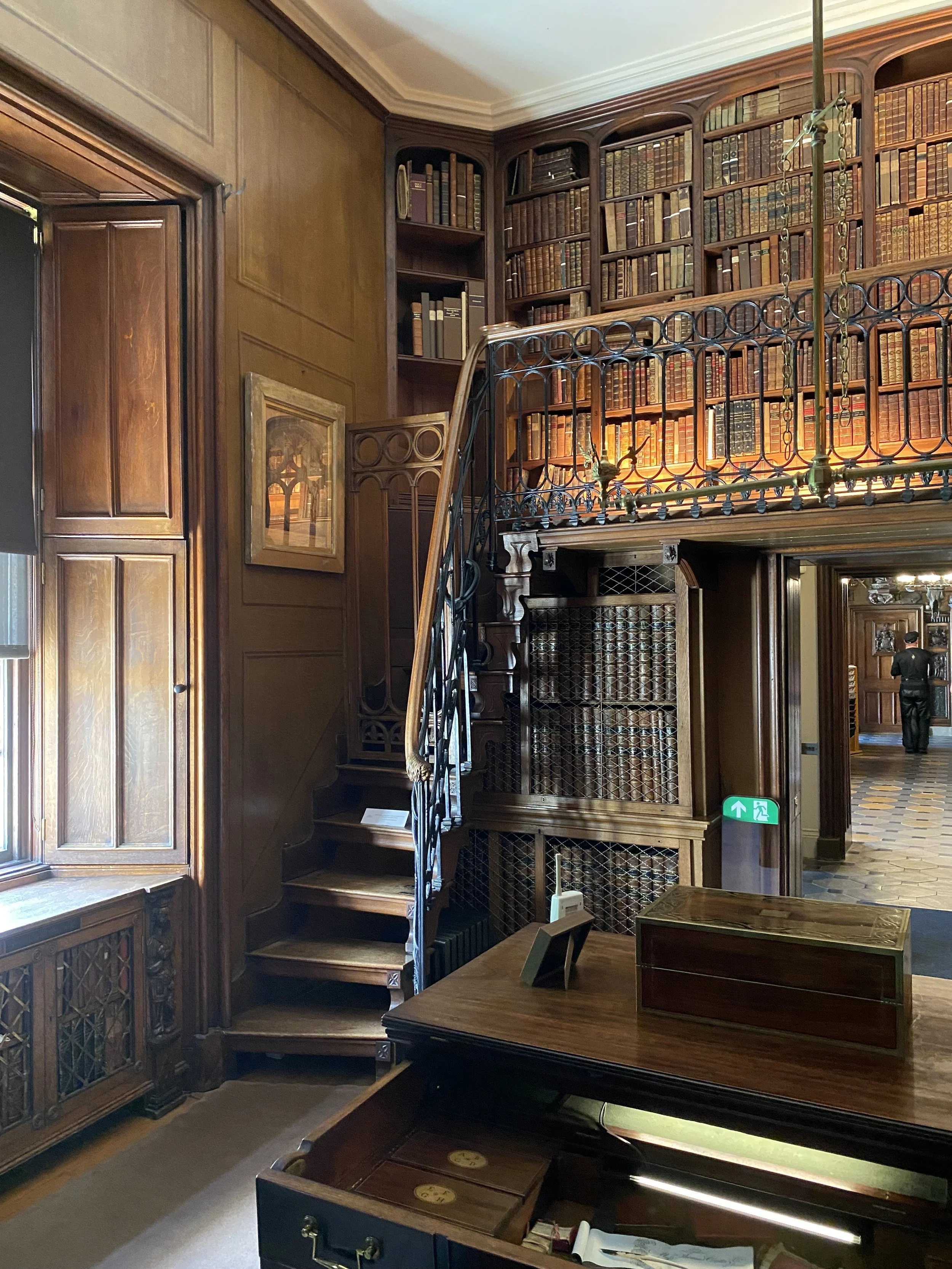
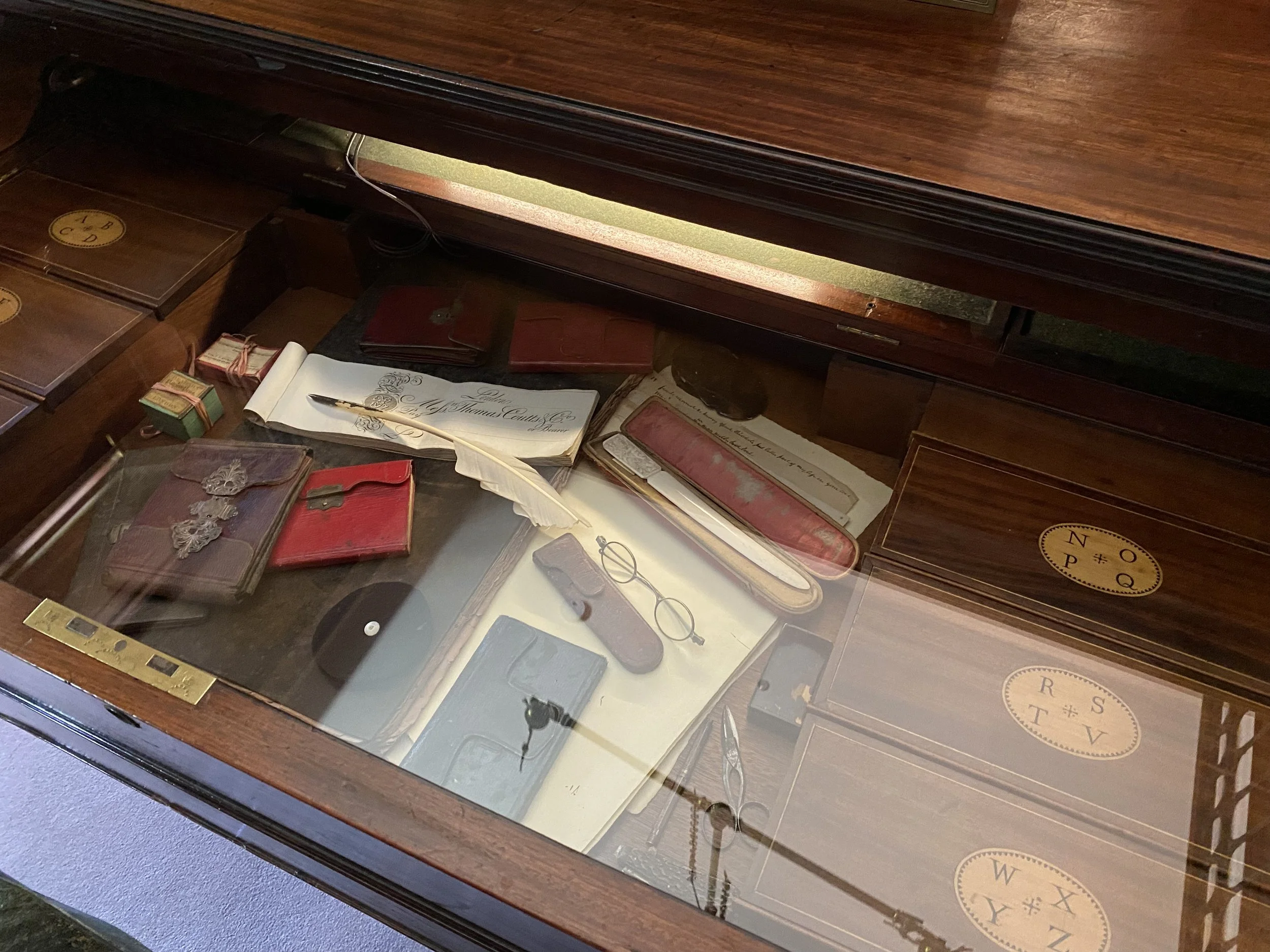
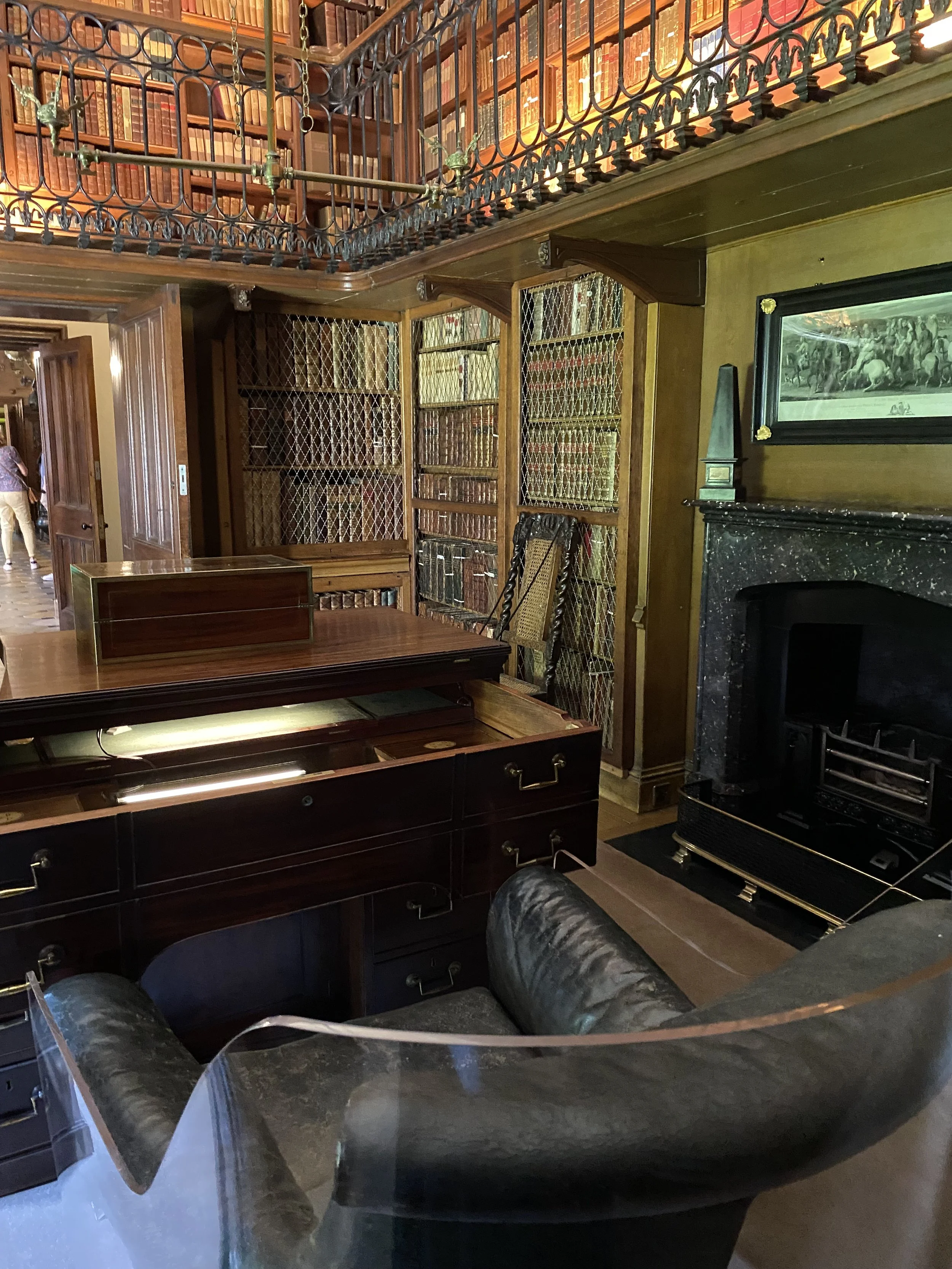
A short walk from here takes you to the house itself where a guide comes to greet you and give you a little history overview before venturing inside. The knowledge and enthusiasm of the volunteers is infectious, and, although an audio guide is provided, it was a pleasure to chat to them as well. Passing through the front door, the entrance hall is inspired by Scott’s love of history. Panelled walls, taken from the ancient Abbey at Dunfermline, are decorated with coats of arms and shields with suits of armour standing guard on either side of a doorway leading to Scott’s study. His later novels were written in this room at the desk which sits in the middle of the room, but it was the book lined gallery running round the room which captured my interest - and heart!
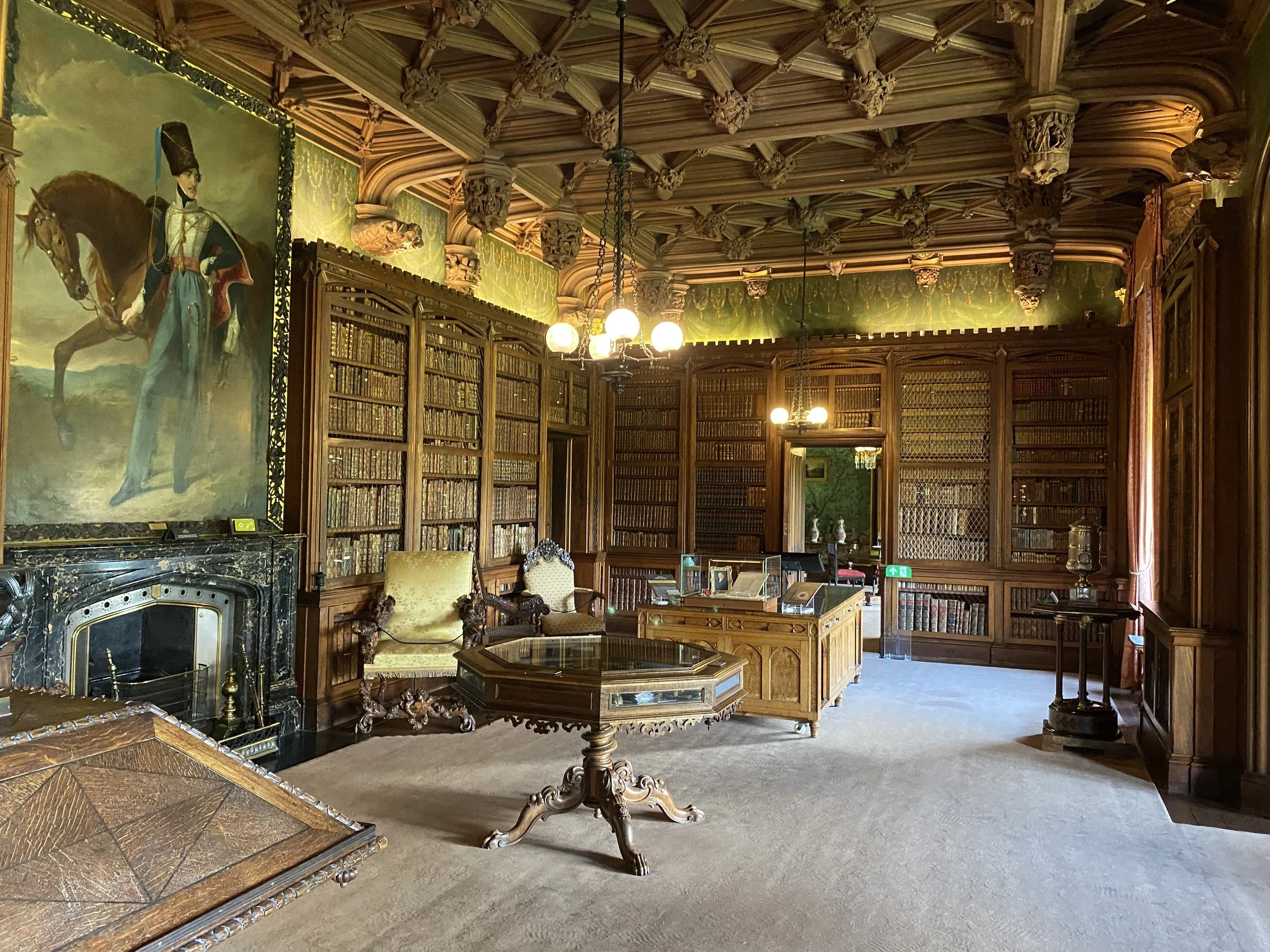
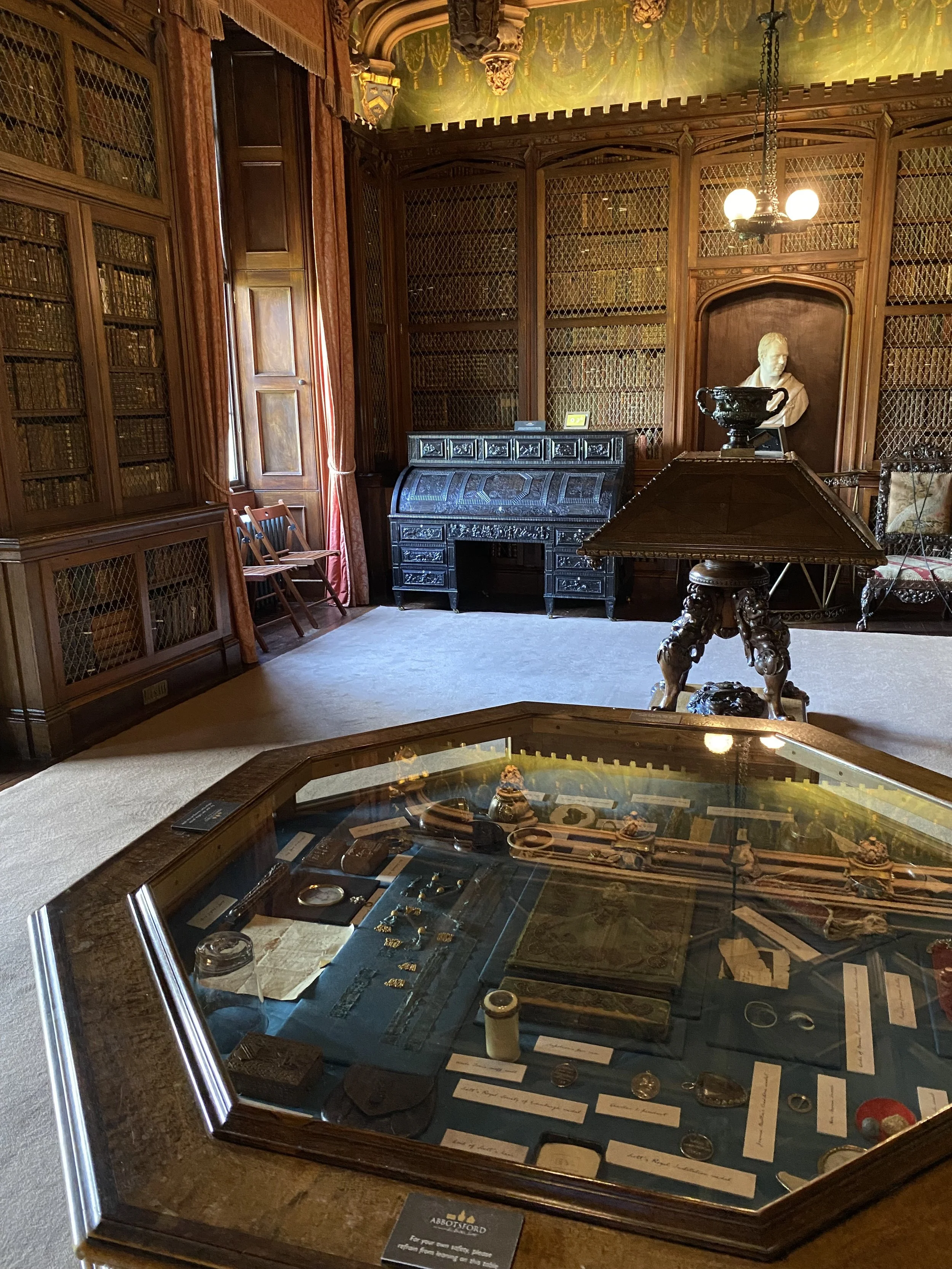
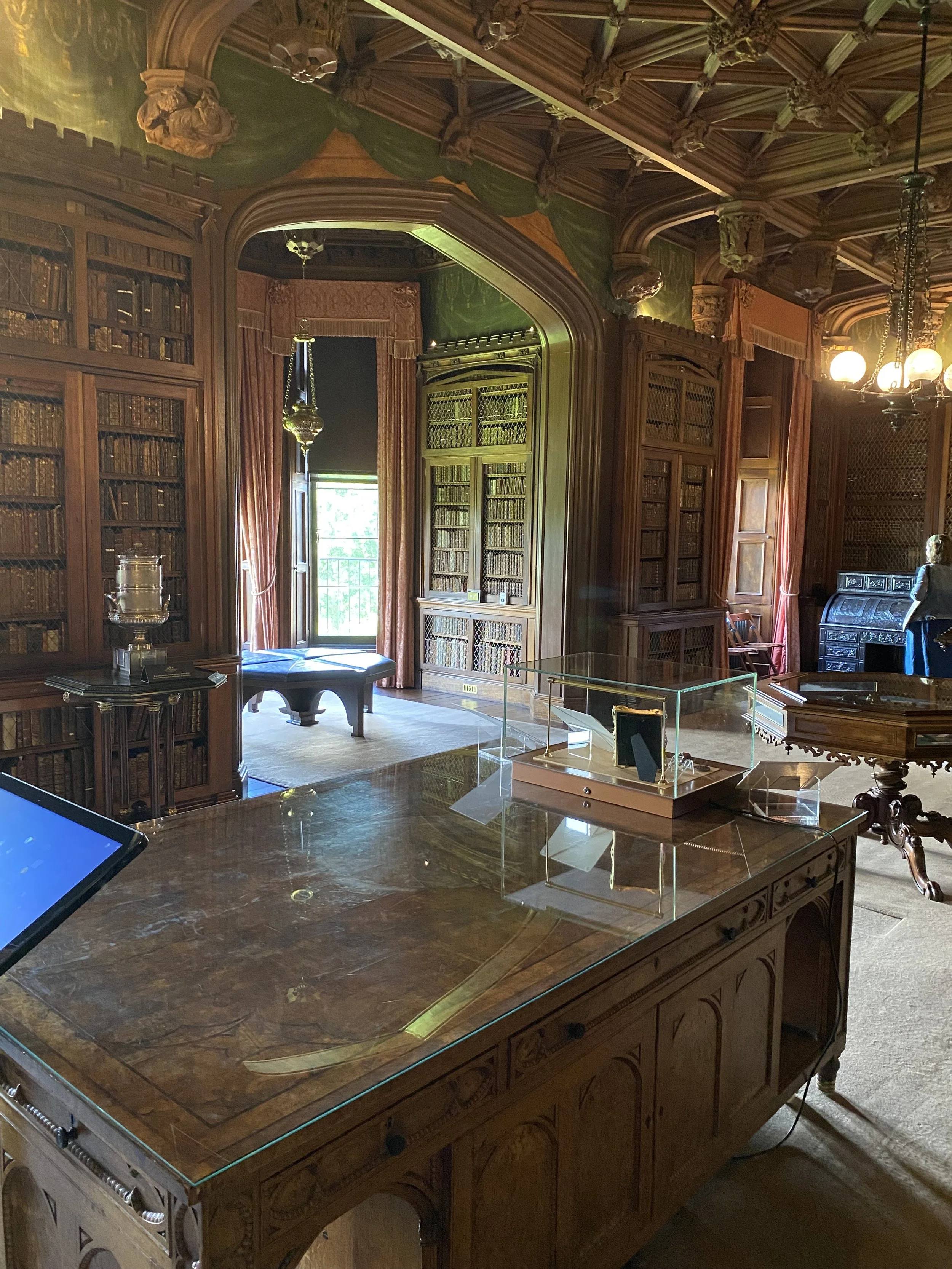
As if this wasn’t enough book-ish joy, it leads into Scott’s library which includes books given to him by his grandfather, mother and aunt. Books were sent to Scott from all over the world, including the first book of fairy tales sent by the Brothers Grimm.
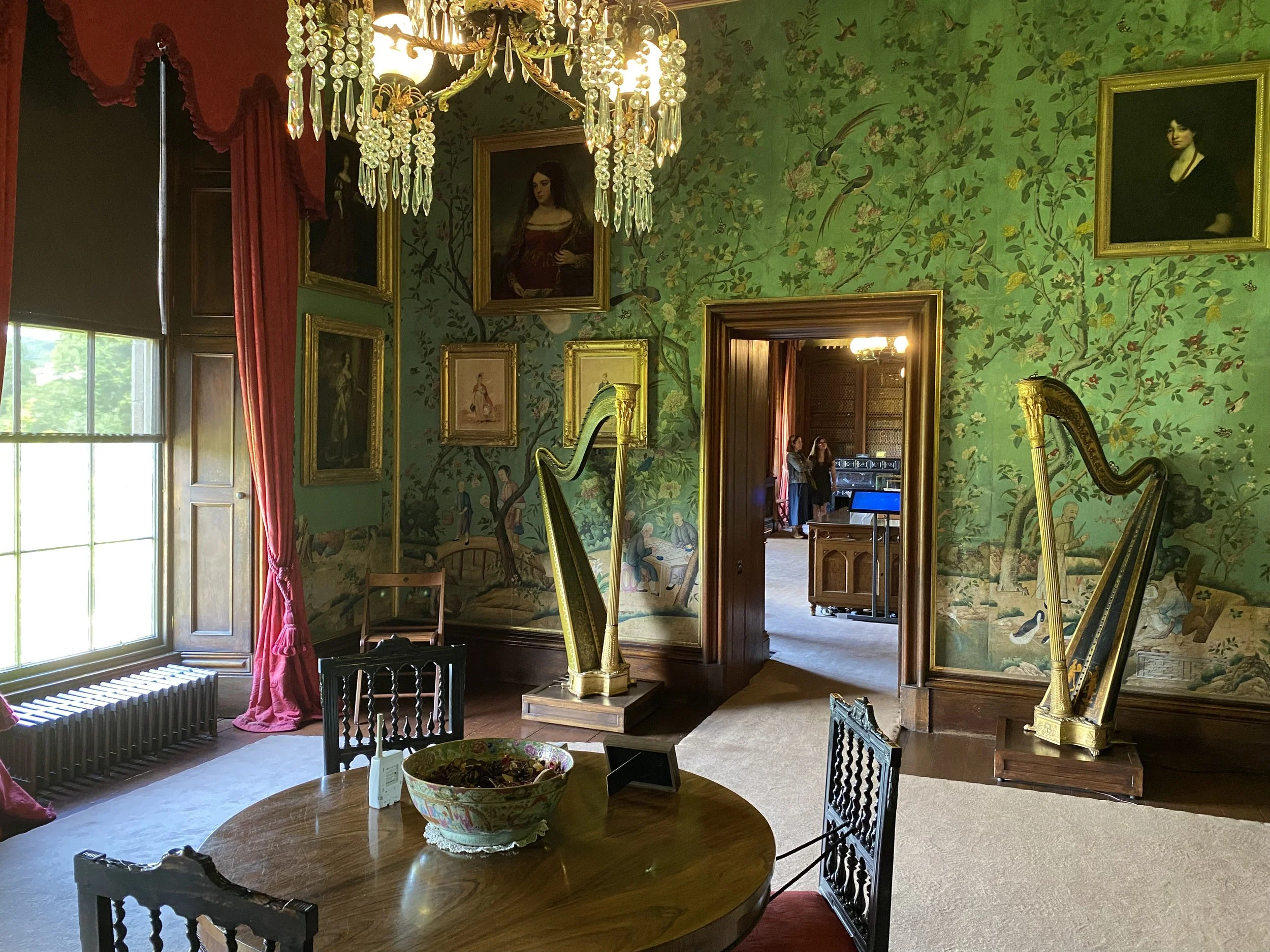
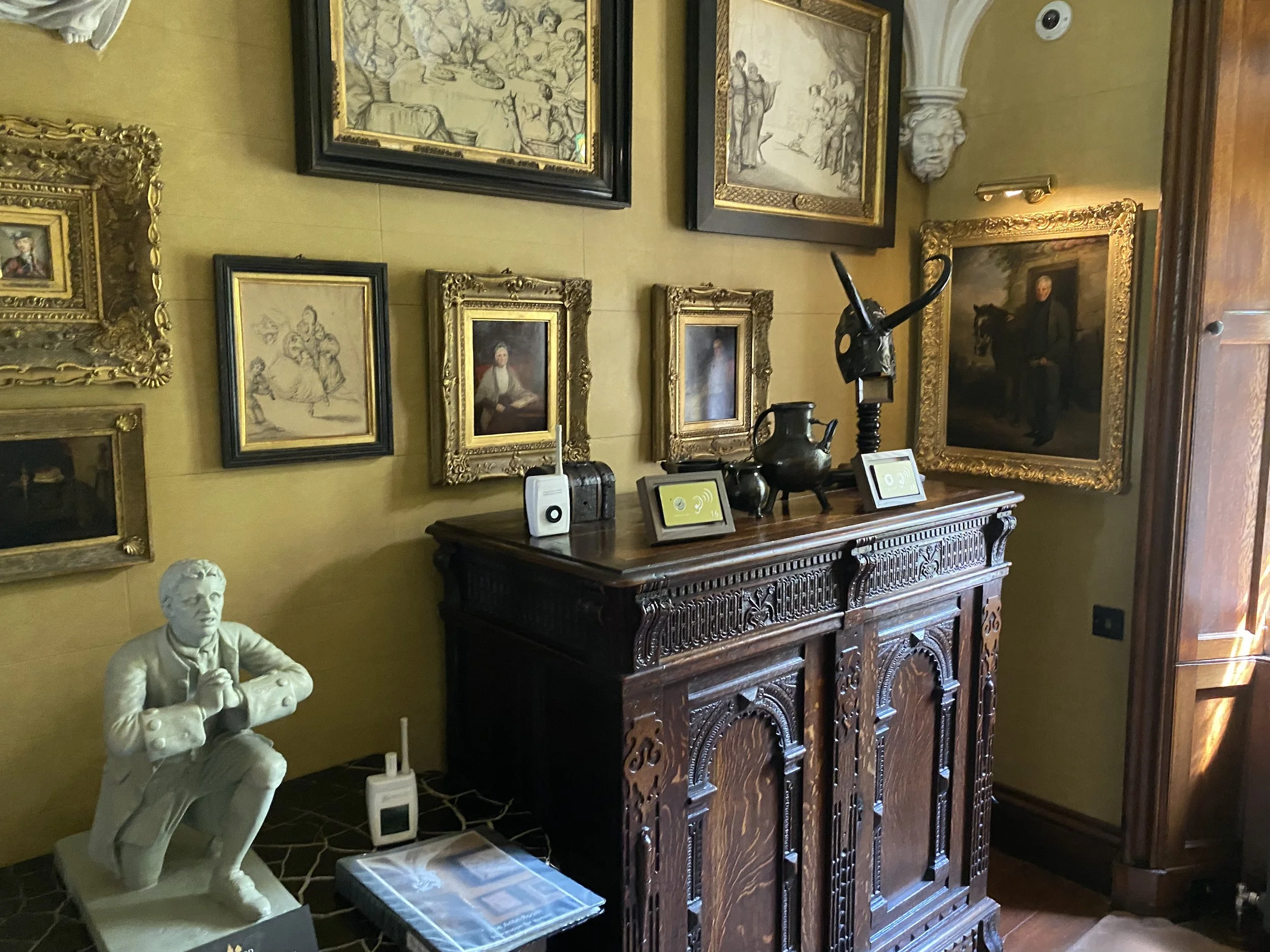
Other rooms include the Chinese Drawing Room, whose wall paper was hand painted in China, the dining room, the armoury and the exhibition room. Each is crammed full of things to see, offering a glimpse into Scott’s life.
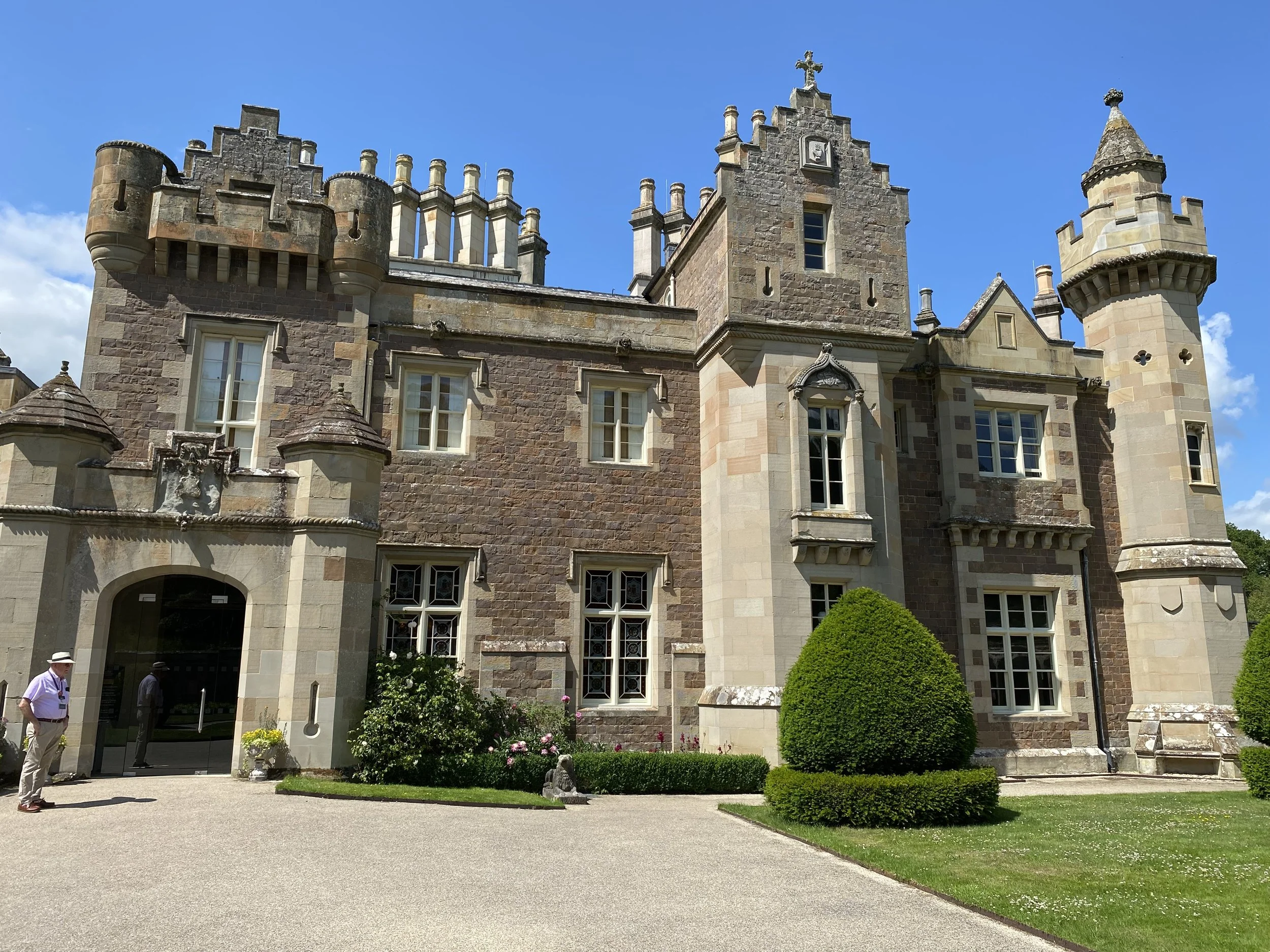
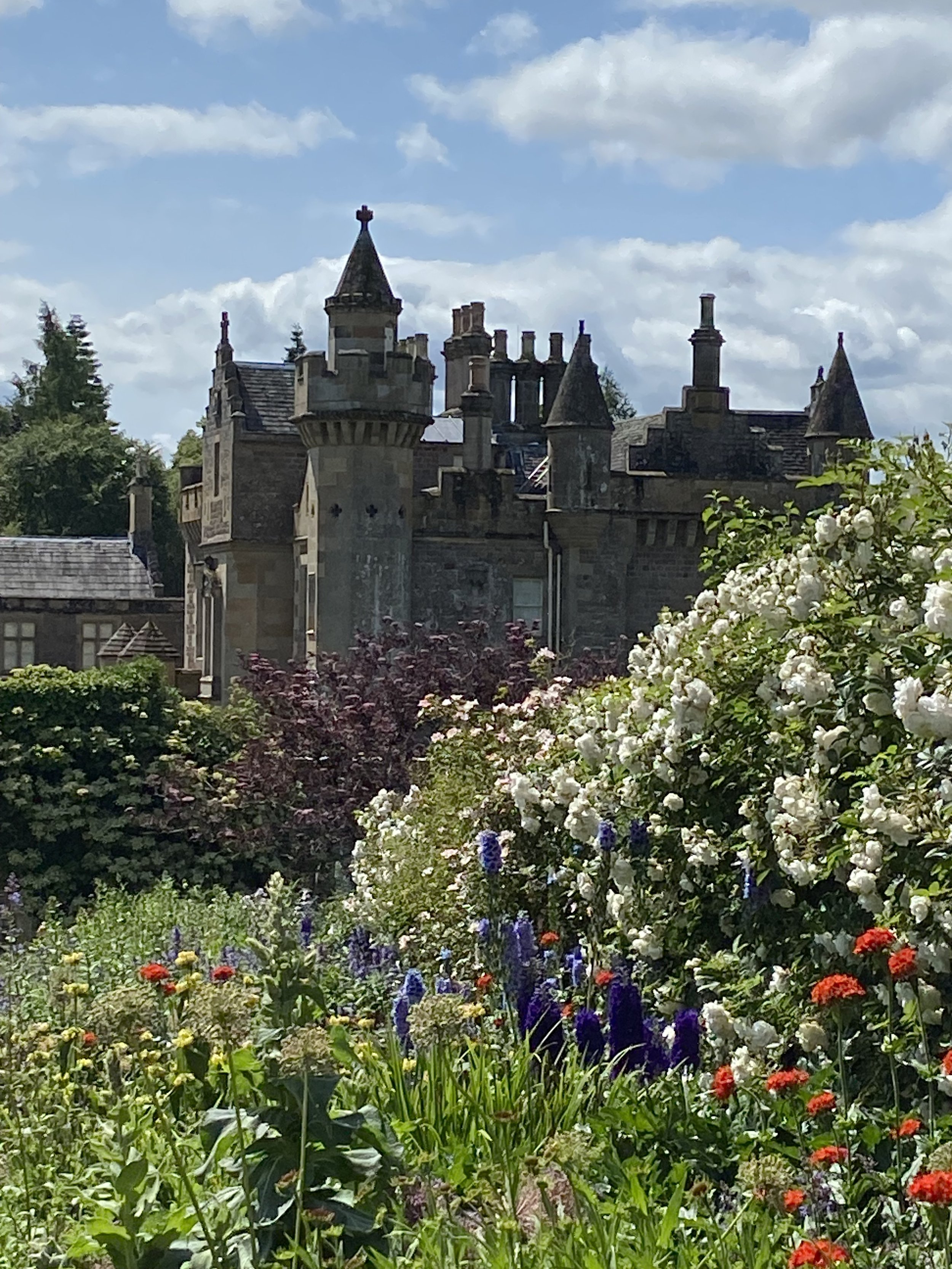
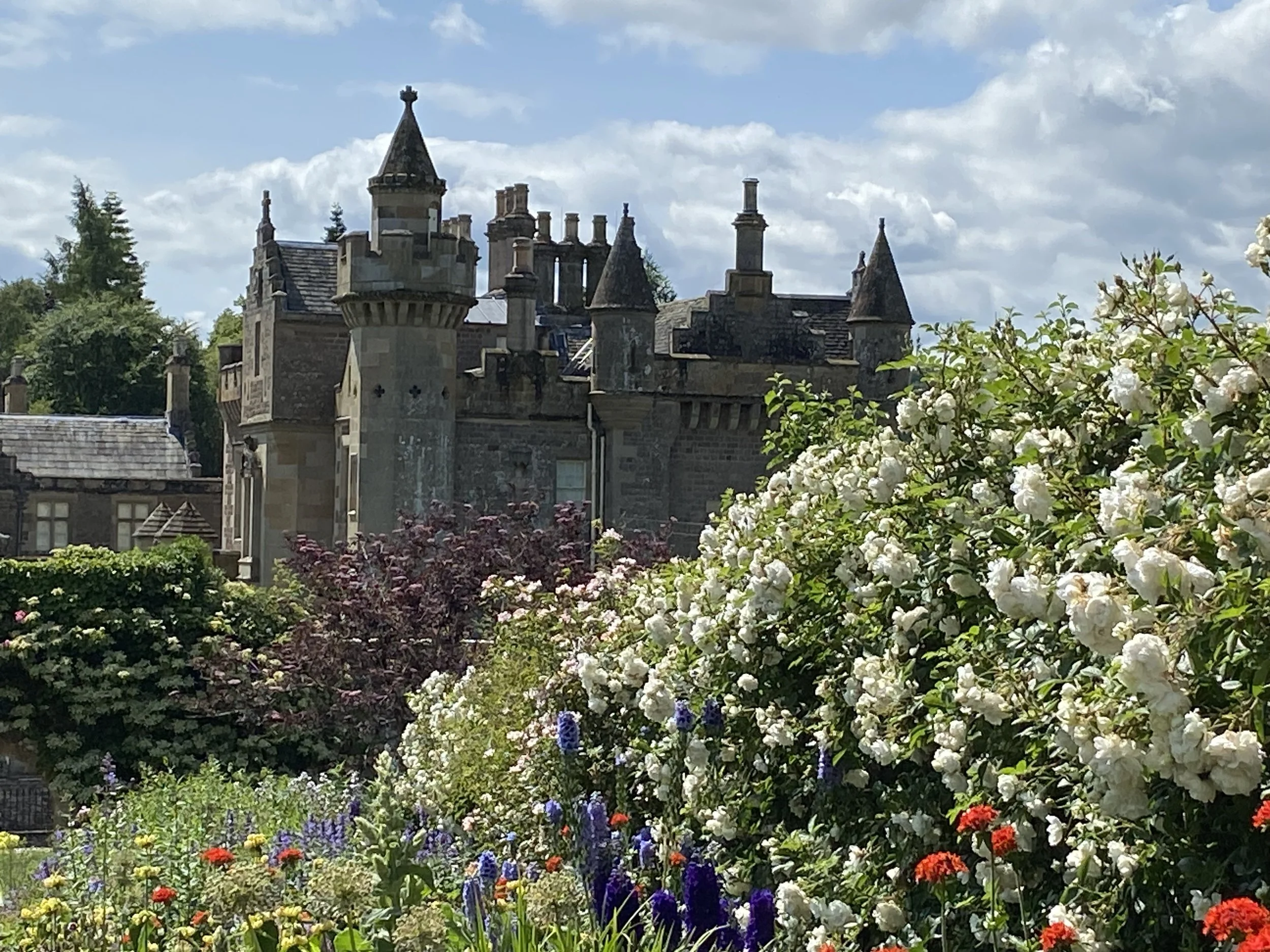
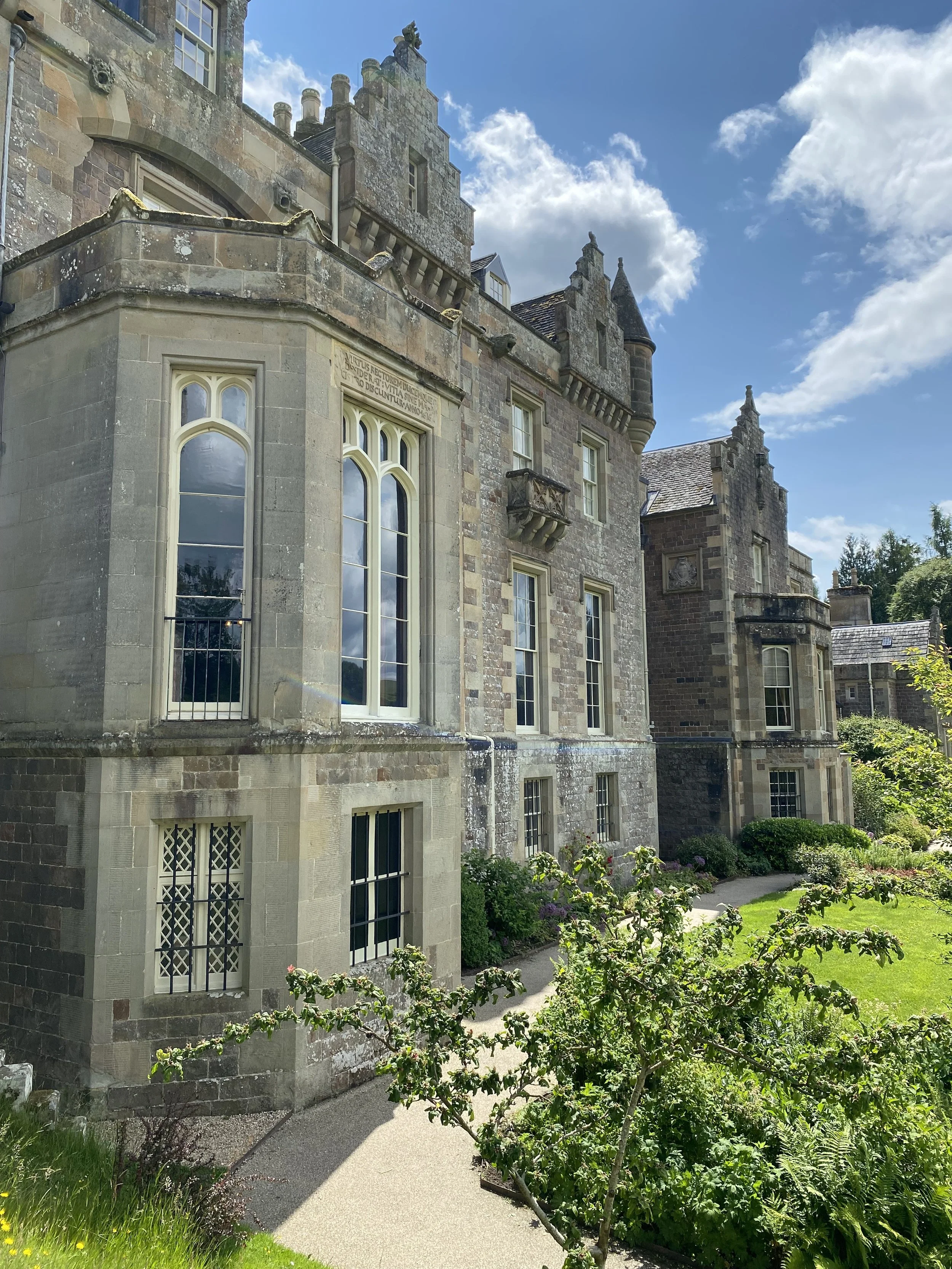
Having enjoyed the house, it is time to explore the gardens, including the beautiful walled garden and a sunken garden. Designed by Scott, the layout forms three ‘rooms’, placed to enhance the house and add to its charm. Blessed with a beautifully sunny day, it was a real pleasure to enjoy the views and admire the plants.

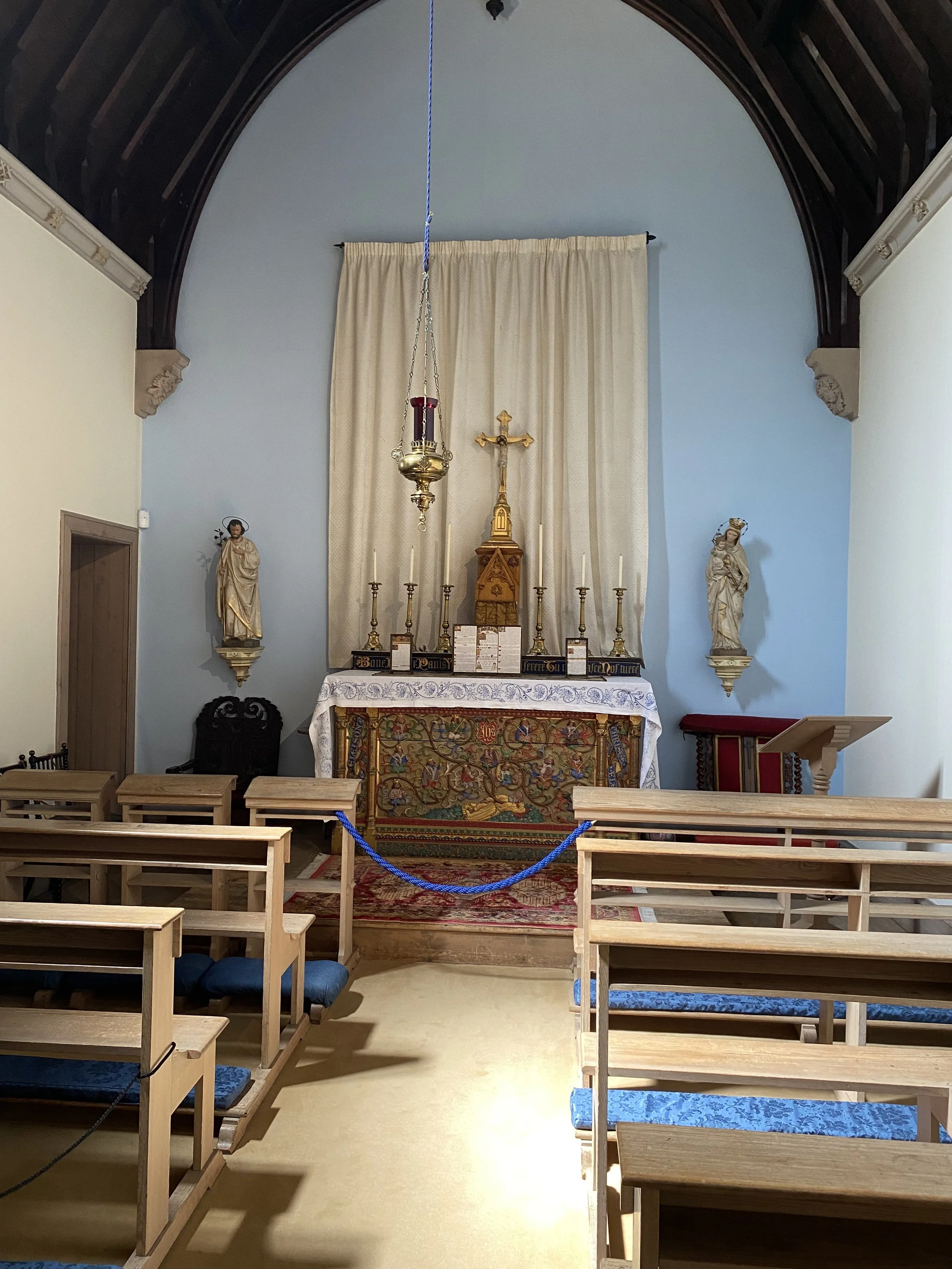
A Catholic Chapel, which is also open to visitors was added in 1855 by some of Scott’s descendants. Family members continued to live in the house, which Scott managed to save despite the collapse of his publishers, his extravagance and a banking crisis, until 2004. A visit to this home of Scotland’s most prolific and successful writer is not to be missed.
Abbotsford
Melrose
Roxburghshire
TD6 9BQ