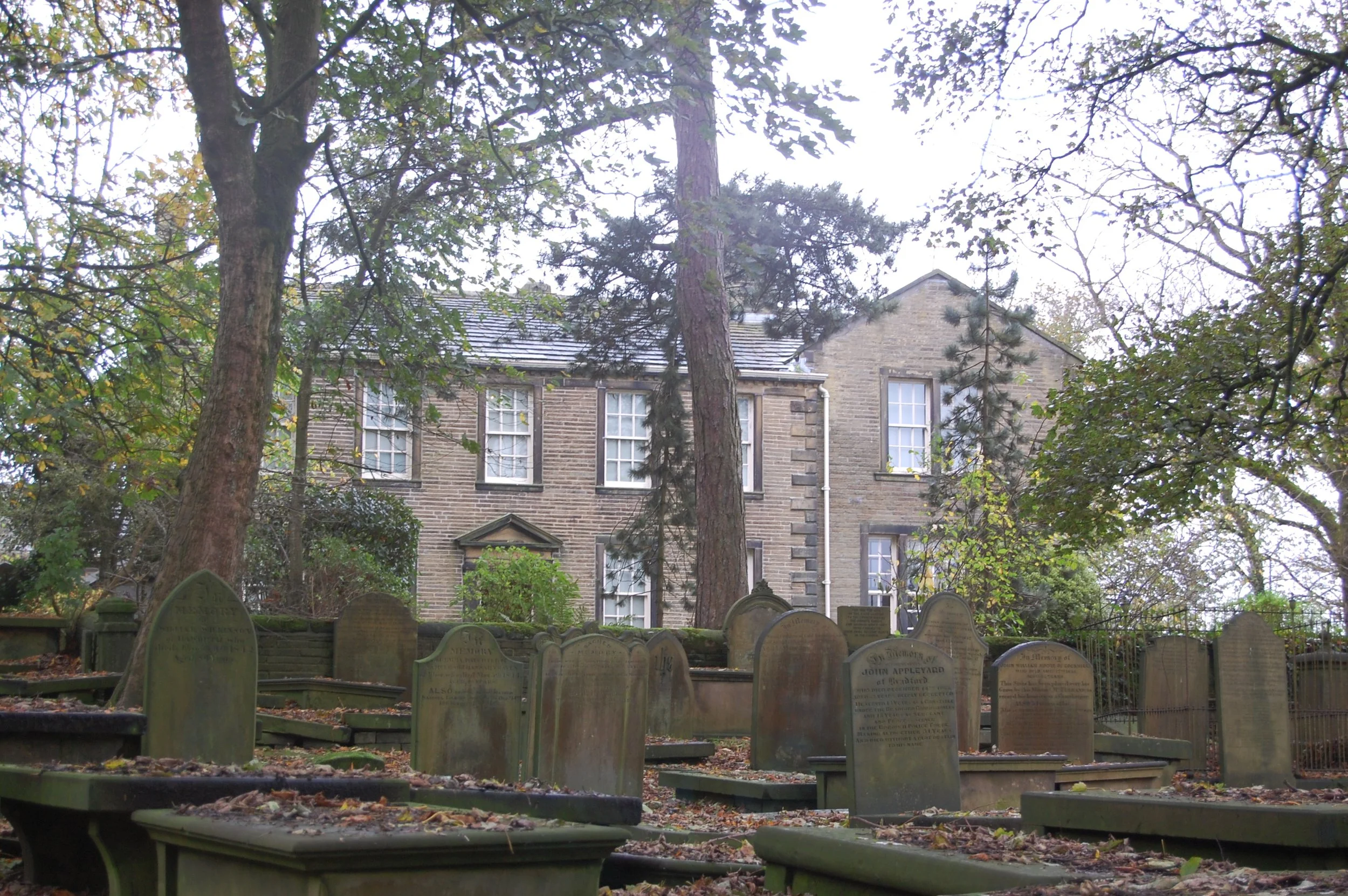
Anne Bronte’s Grave
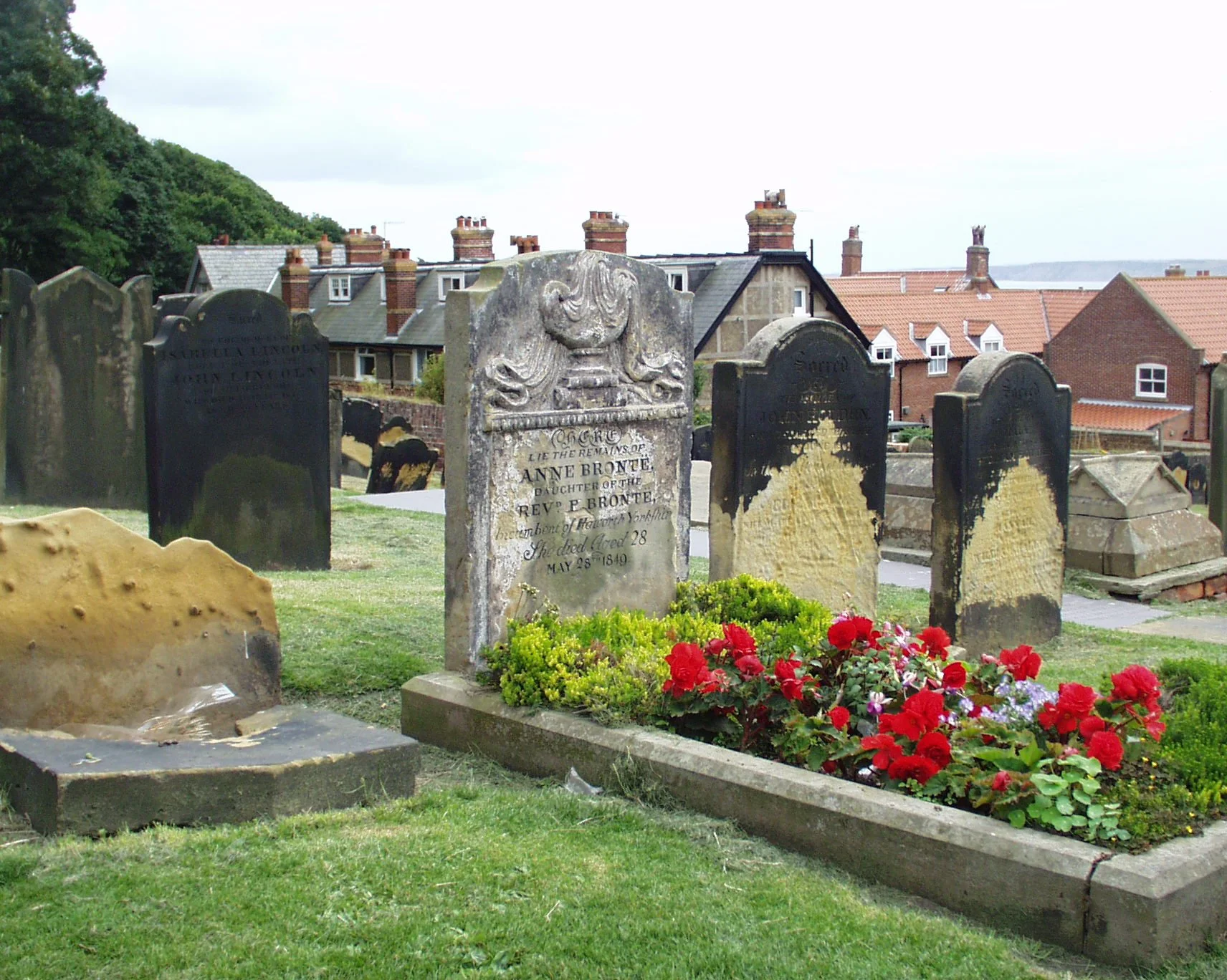
Accompanied by her older sister, Charlotte and their friend, Ellen Nussey, Anne Brontë arrived in Scarborough on 25th May, 1849. She had advanced tuberculosis and had been diagnosed in January, only a few weeks after the death of Emily. Anne died on the 28th May, aged 29, and was buried, as she wished, in the churchyard of St Mary’s Church in Scarborough, to spare Charlotte the task of taking her coffin back to their home in Haworth, and her elderly father the anguish of burying his third child in the space of nine months.
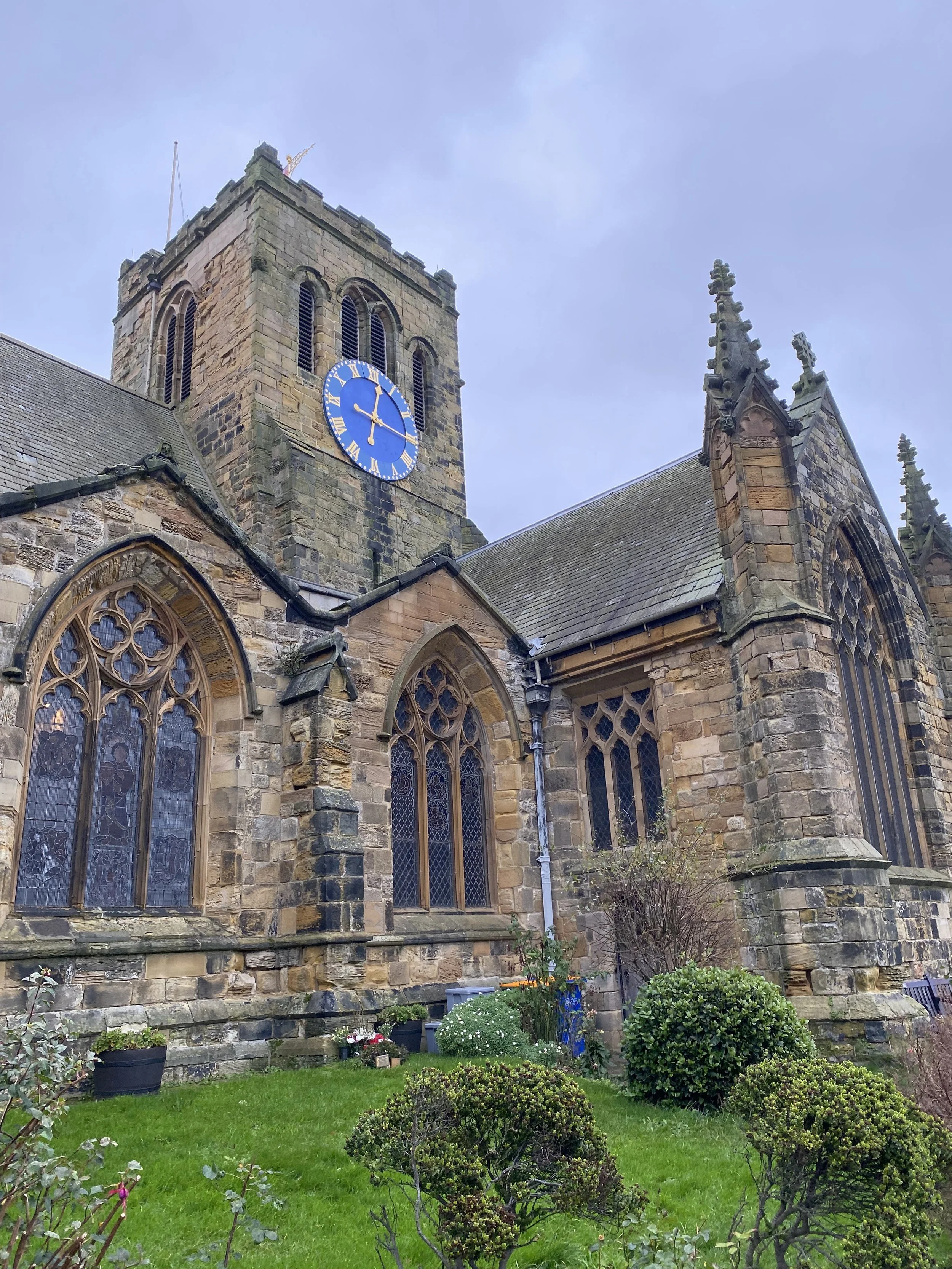
St Mary’s Church, Scarborough
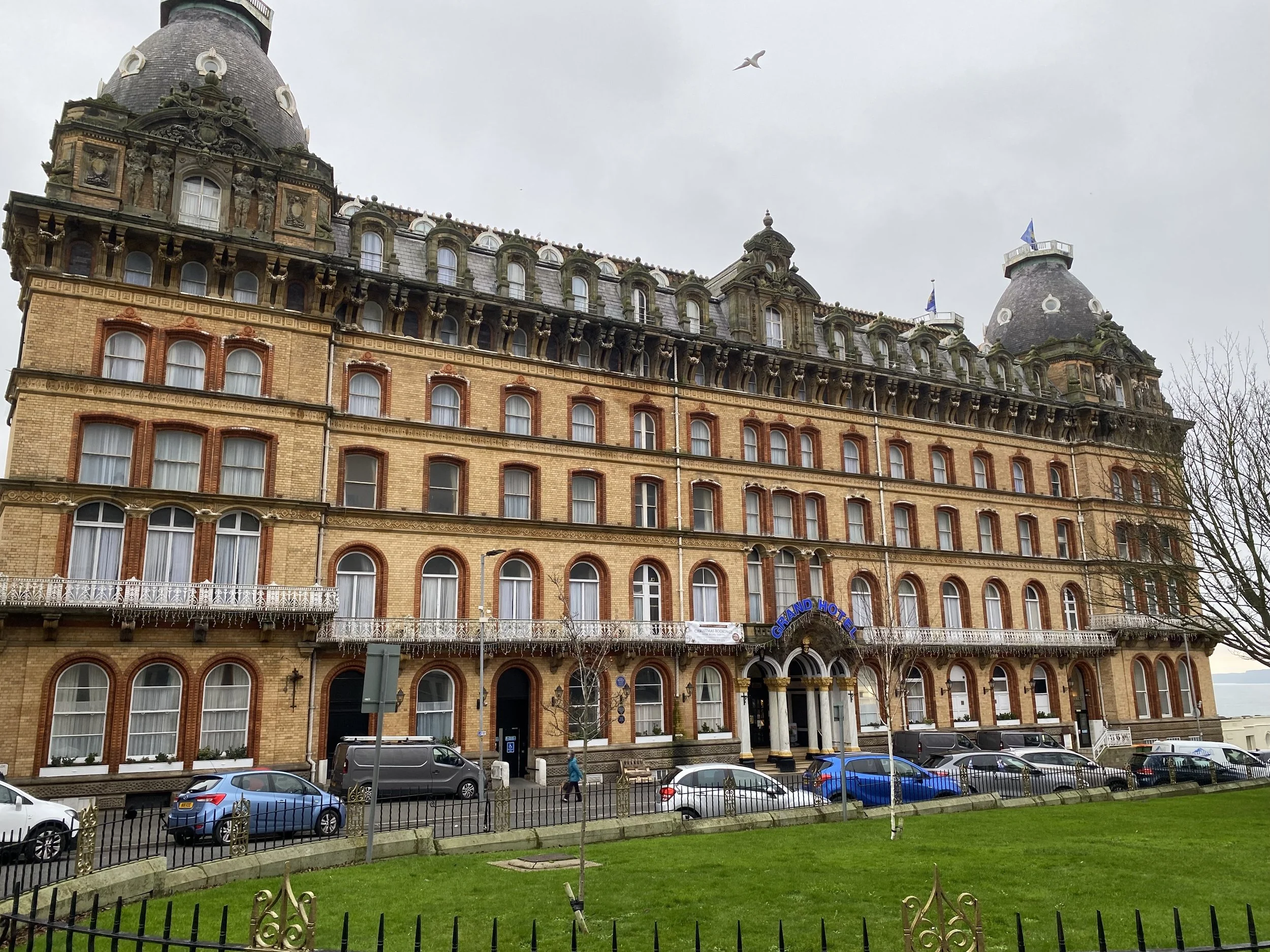
Anne, Charlotte and Ellen had taken rooms at Number 2 on St Nicholas Cliff. While working as a governess for the Robinson family from 1840 to 1845, Anne had accompanied the family on their long summer holidays to Scarborough and developed a great fondness for the place. Both her novels – The Tenant of Wildfell Hall and Agnes Grey – contain locations inspired by her time spent in the town.
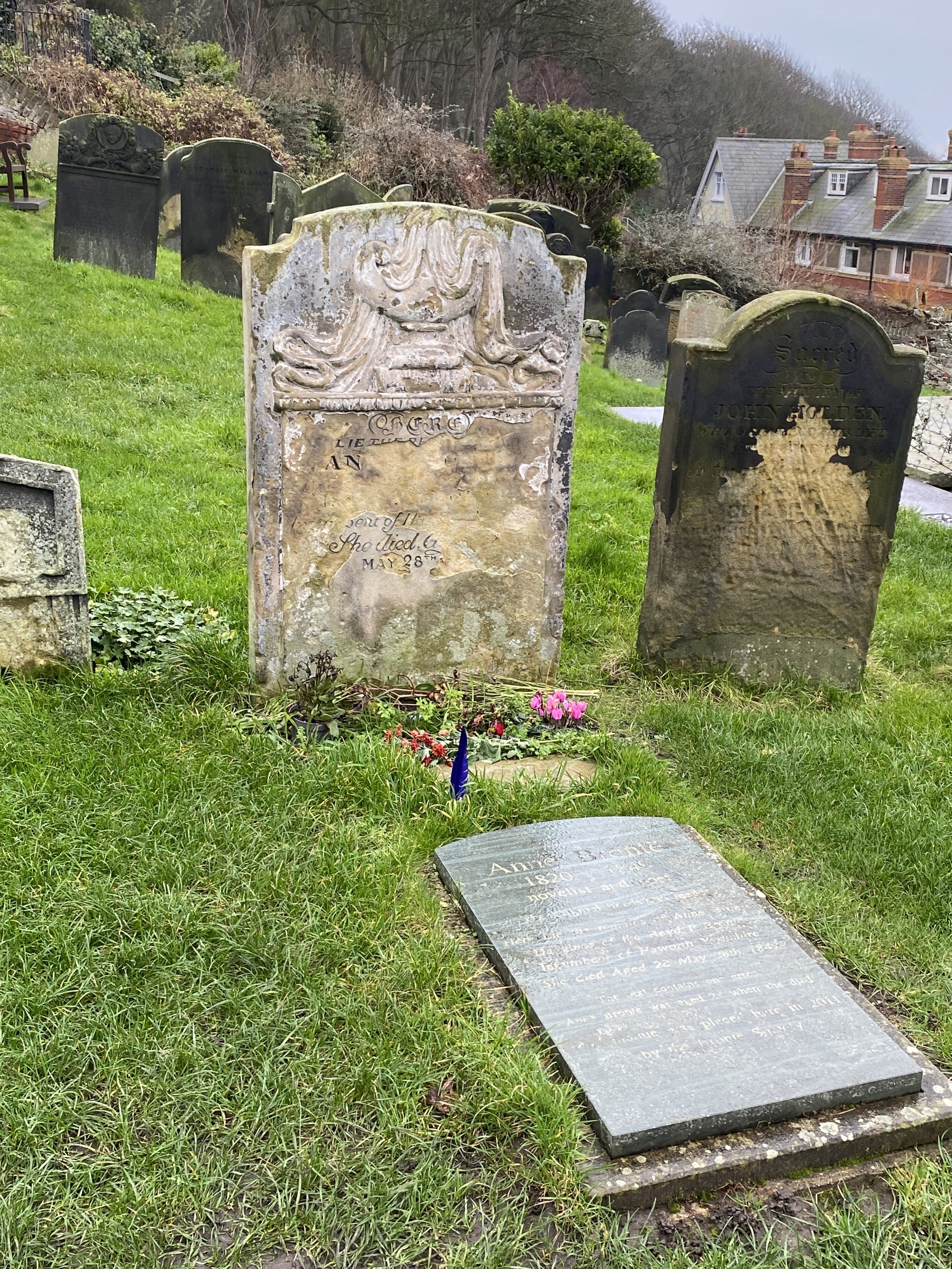
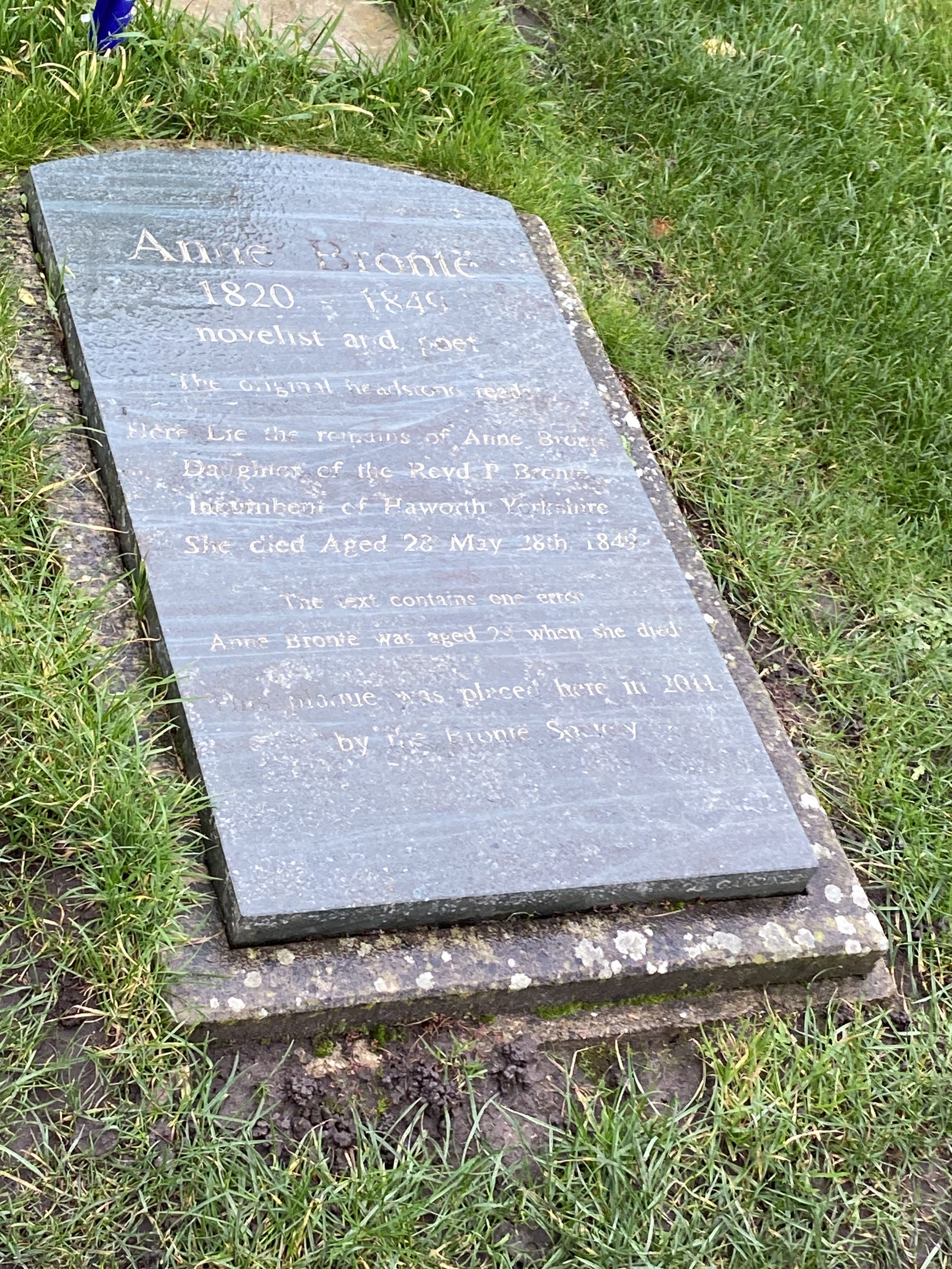
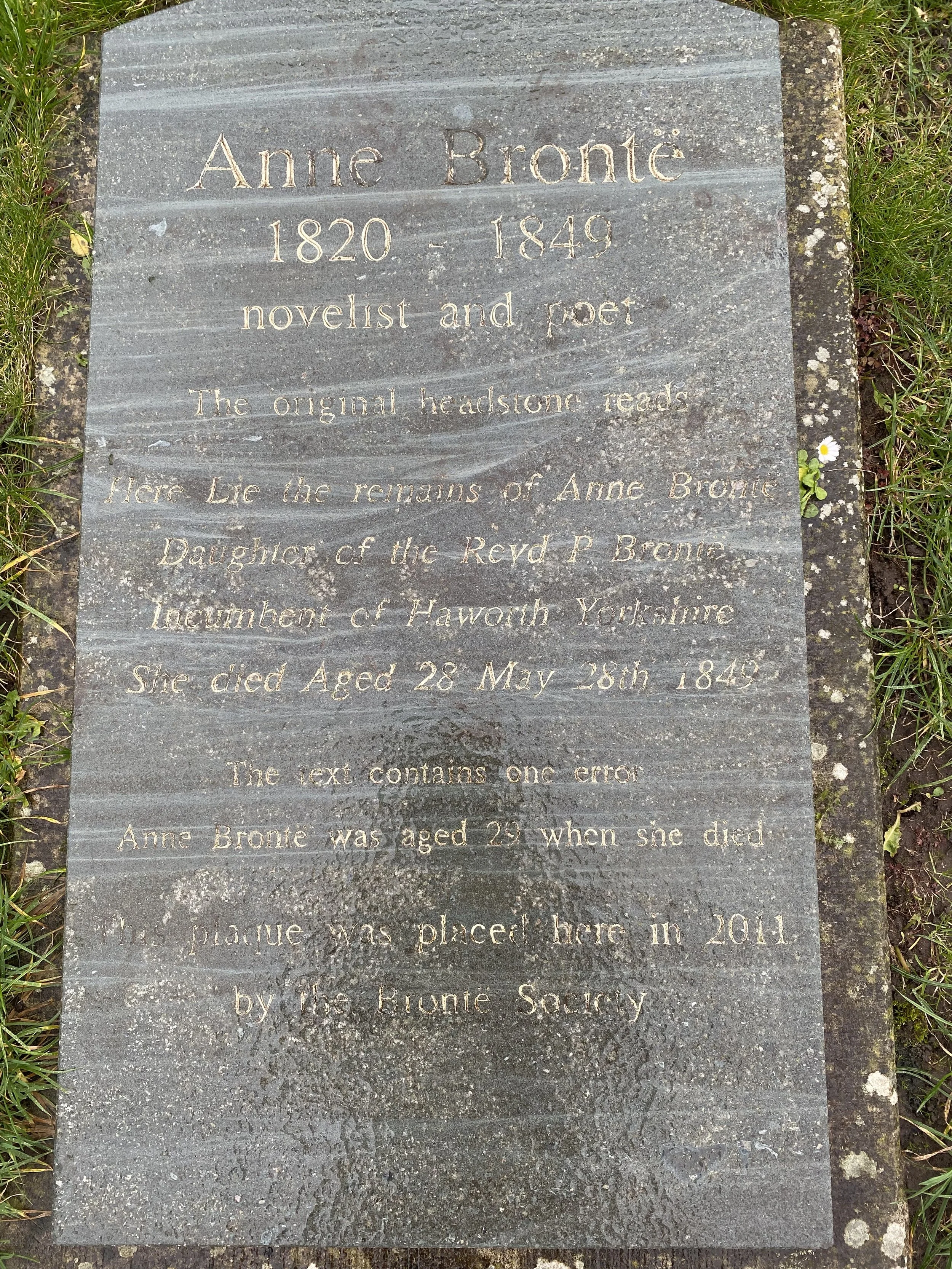
Anne’s gravestone contained a number of errors that Charlotte noticed when she visited it for the first time three years later. As can be seen in the photo above, her age is incorrect and this was not corrected until 2011, when the Brontë Society installed a new plinth below the original gravestone.
When we visited again in December 2025, the original stone was very hard to read and even the new one was quite weathered. There are signs to the site of the grave which is found, not in the main churchyard, but in a small additional plot to the side. A nearby bench allows visitors to sit and rest a while, enjoying the views and, perhaps, remembering the youngest of the Bronte family.
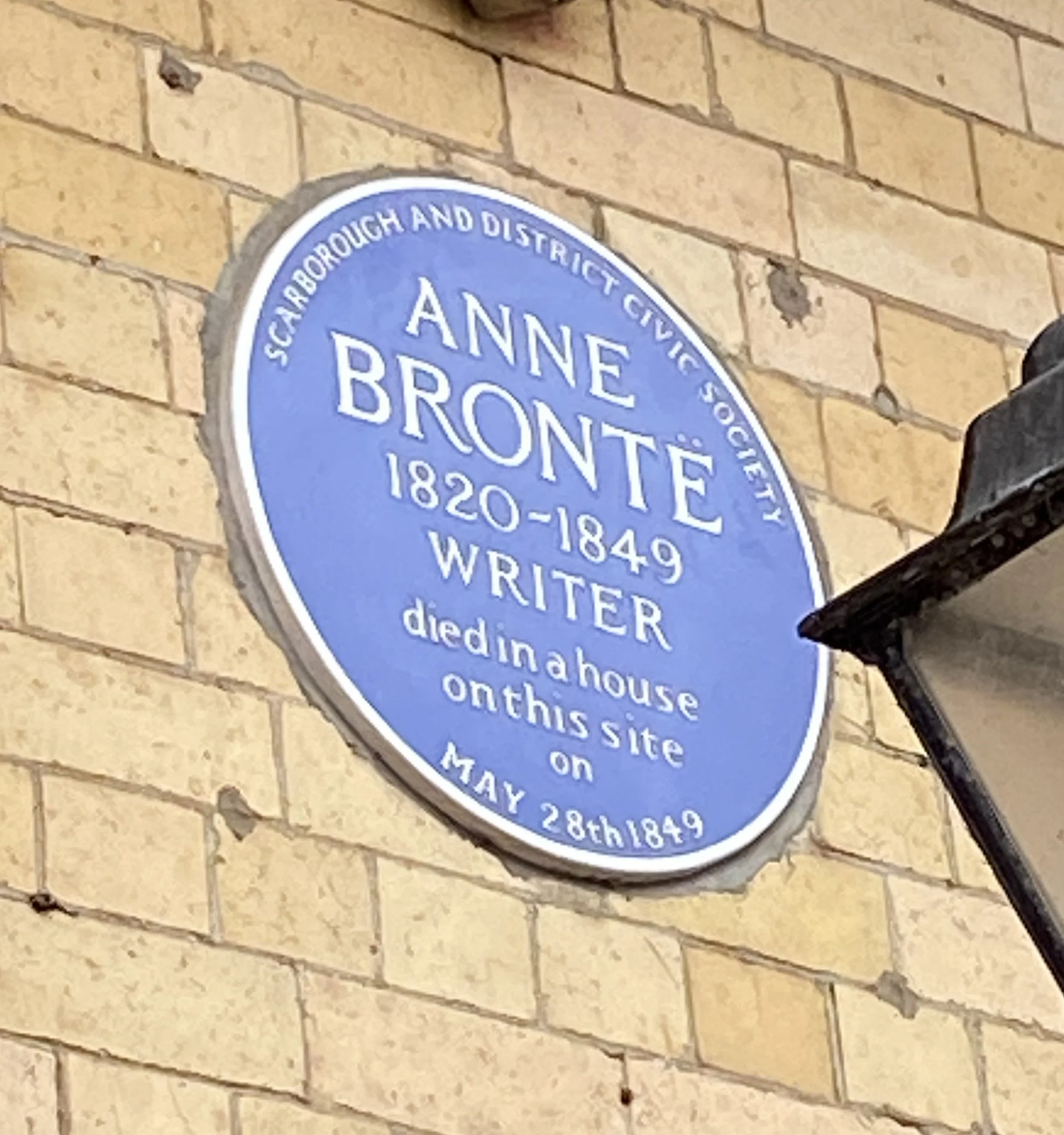
A plaque on the Grand Hotel acknowledges the location where Anne, Charlotte, and Ellen chose to stay during that final trip to Scarborough. The buildings were demolished in 1862 and were replaced by The Grand Hotel which opened in 1867. Designed by Cuthbert Brodrick, the hotel embodies the theme of time with four towers for the seasons, twelve floors (the months), fifty-two chimneys for the weeks and, originally, three hundred and sixty-five rooms, one for each day of the year.