Dickens’ Rochester
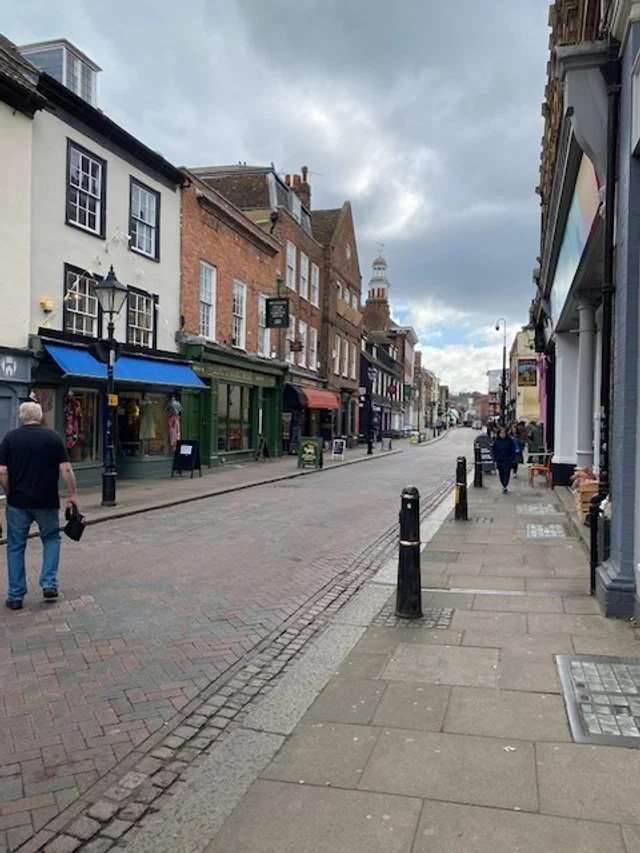
You can’t walk around Rochester without noticing a connection to Charles Dickens! Names like ‘Little Dorrit’, ‘Sweet Expectations’ and ‘Copperfields’ bombard visitors with reminders that the great man was here!

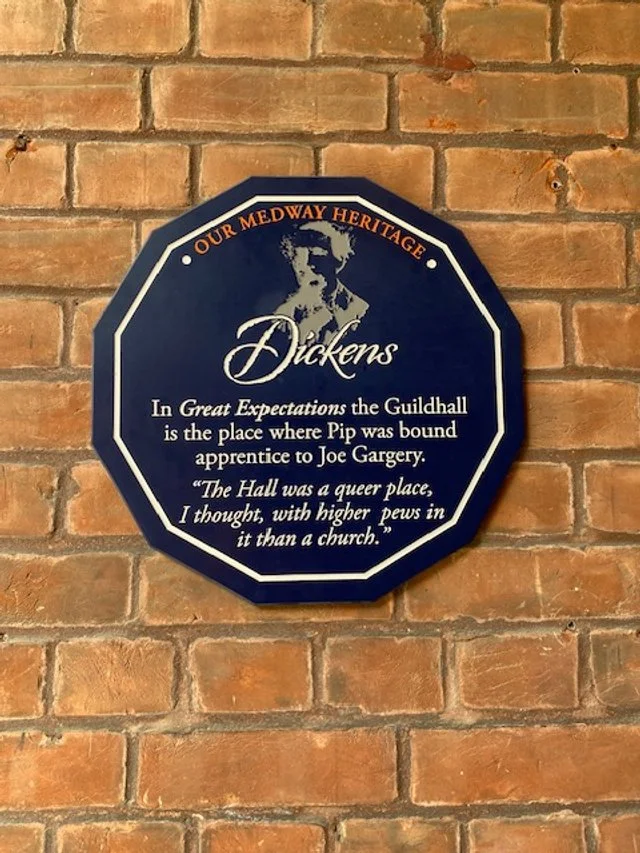
However, there are more useful signs for those who are genuinely interested in Dickens’ connection to Rochester so I spent a lovely morning, wandering around and finding these.
The Guildhall, at the western end of the High Street, was where Pip was bound as a blacksmith’s apprentice to Joe Gargery for 25 guineas in ‘Great Expectations’. Pip comments that it is a ‘queer place…with higher pews in it than a church’.
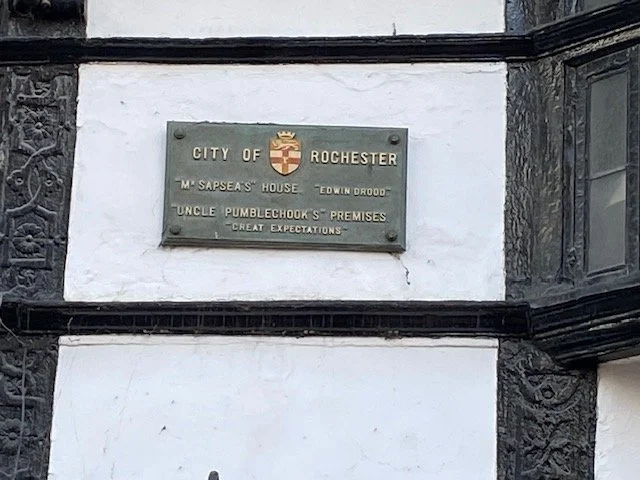
Also in the High Street is a half-timbered building on which Dickens based Uncle Pumblechook’s premises. He used this same building in ‘The Mystery of Edwin Drood’ for the home of Mr Sapsea.
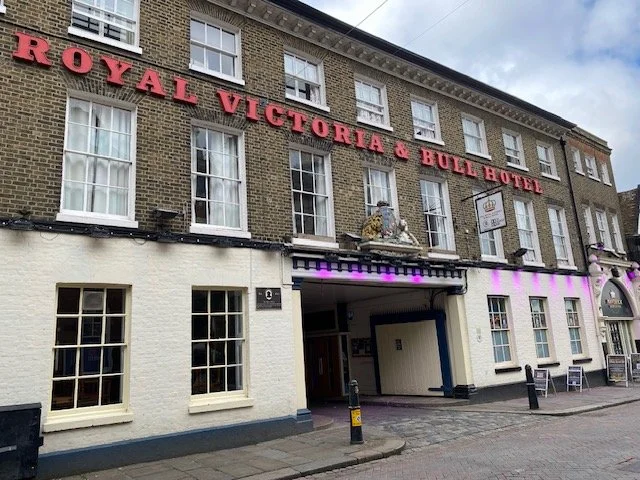
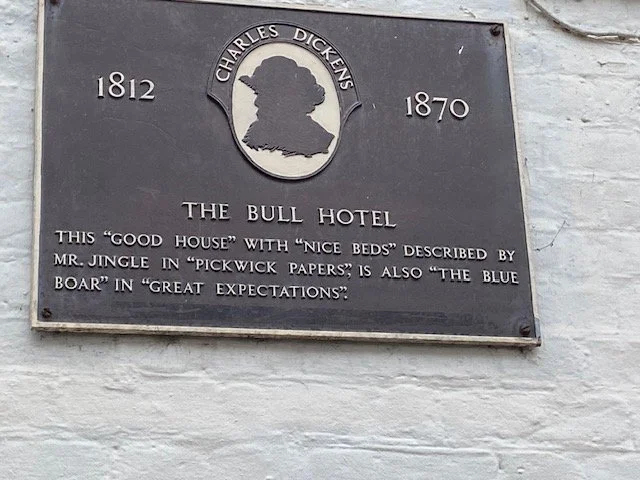
At 16-18 High Street, The Royal Victoria and Bull Hotel is a traditional coaching inn over 400 years old. Dickens stayed here on many occasions and the Hotel featured in ‘Great Expectations’ as ‘The Blue Boar’ as well as in ‘Pickwick Papers’.
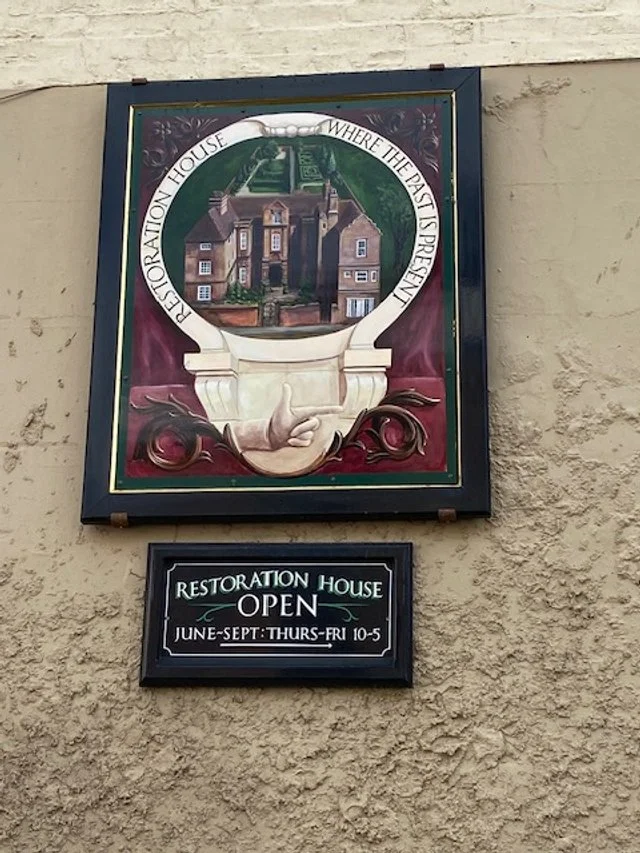

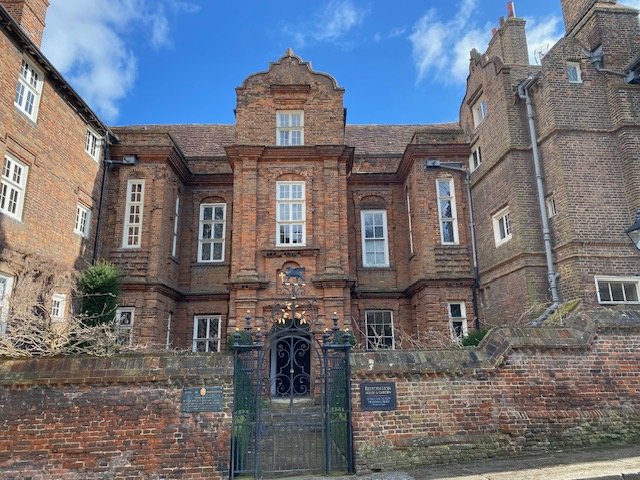
Named ‘Restoration House’ because Charles II is said to have stayed in this house on the 28th May 1660 prior to his restoration, Dickens called it ‘Satis House’, creating the home of Miss Haversham where she lives in isolation after being jilted on her wedding day. Pip says, ‘We came to Miss Haversham’s house, which was of old brick, and dismal, and had a great many iron bars to it. Some of the windows had been walled up; of those that remained, all the lower were rustily barred. There was a courtyard in front, and that was barred.’
Only open to the public on certain days, I was not lucky when I visited, but have plans to return and explore this very soon!
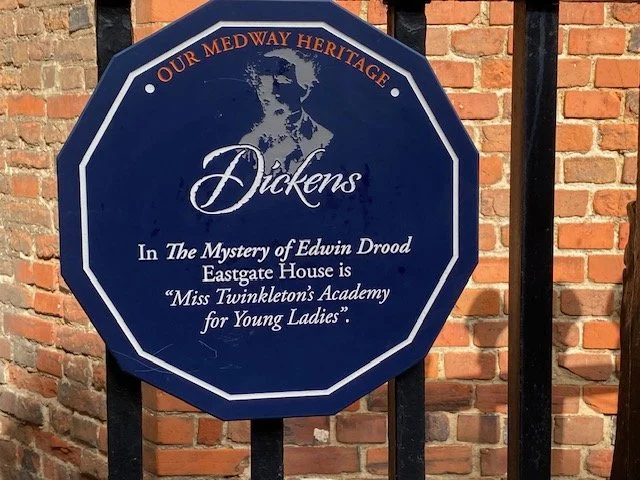
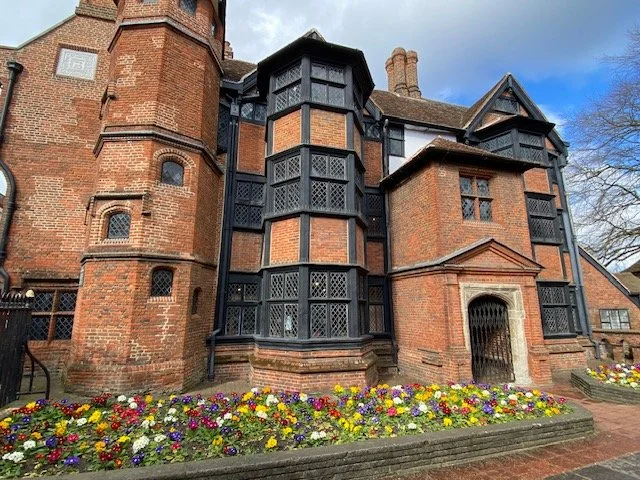


Another location which was unfortunately closed when I visited was Eastgate House, a distinctive townhouse at the end of the High Street, dating from 1591. Once the family home of Sir Peter Buck, a senior officer at the Royal Tudor Dockyard, the house has also been a Victorian boarding school, a hostel and a museum. Having been awarded Lottery funding, Eastgate House underwent major refurbishment works and is now open to the public.
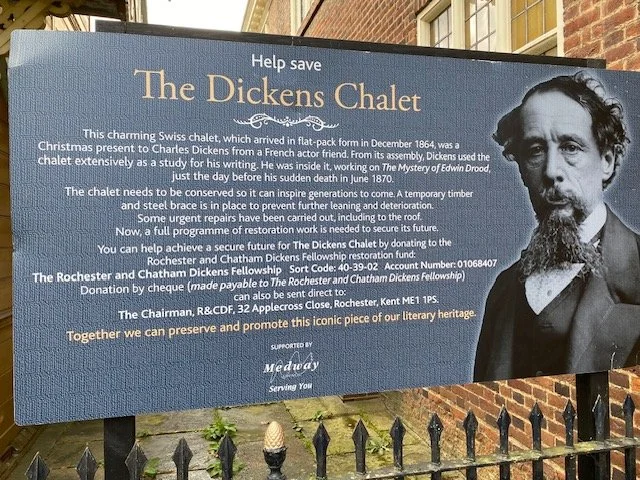
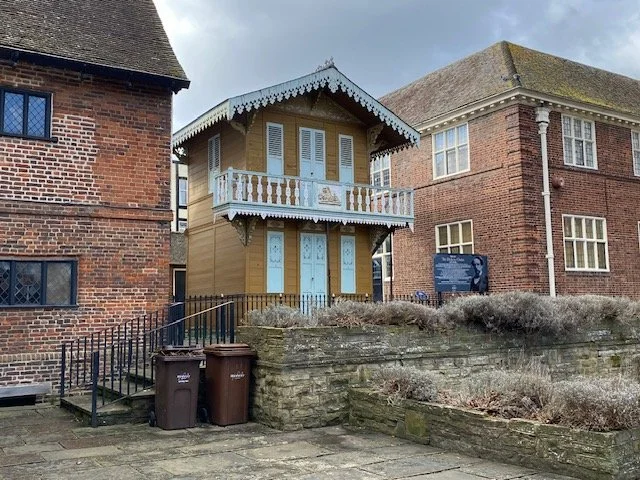
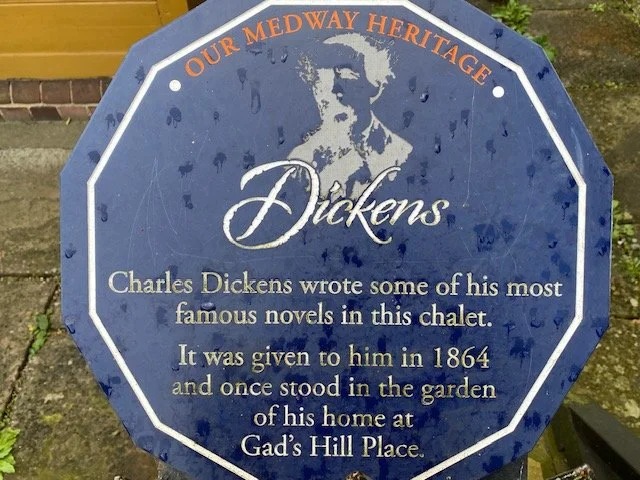
Although the house was closed, it was possible to visit the garden of the house where the chalet where Dickens wrote some of his best loved novels now stands. This used to stand in the garden of Gad’s Hill Place (another location which was closed when I visited!), but has now been moved here. Given to him by his close friend, Charles Fletcher, Dickens used this as a summer study form 1865 until his death in 1870.
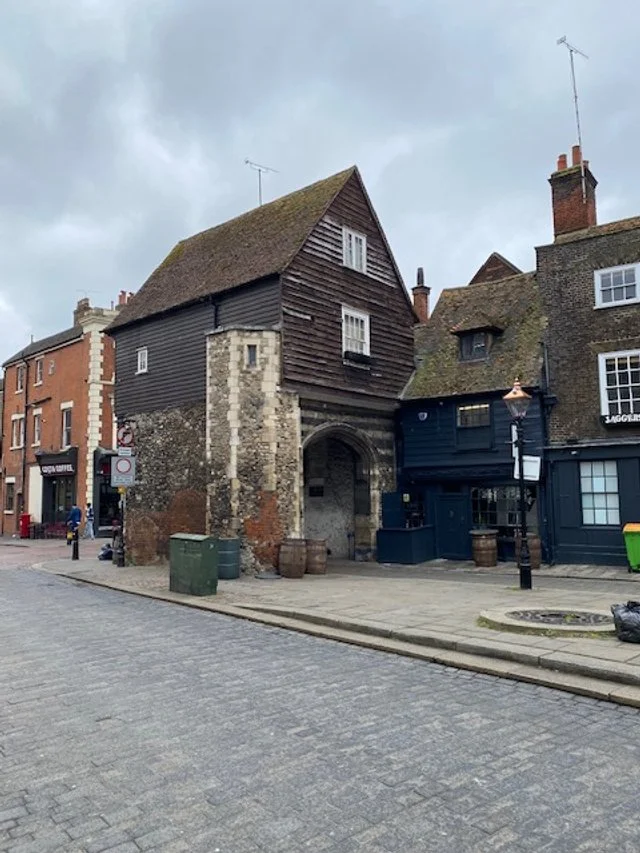
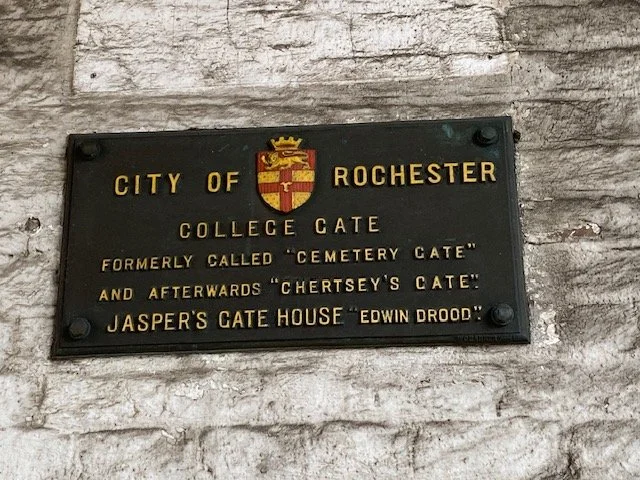

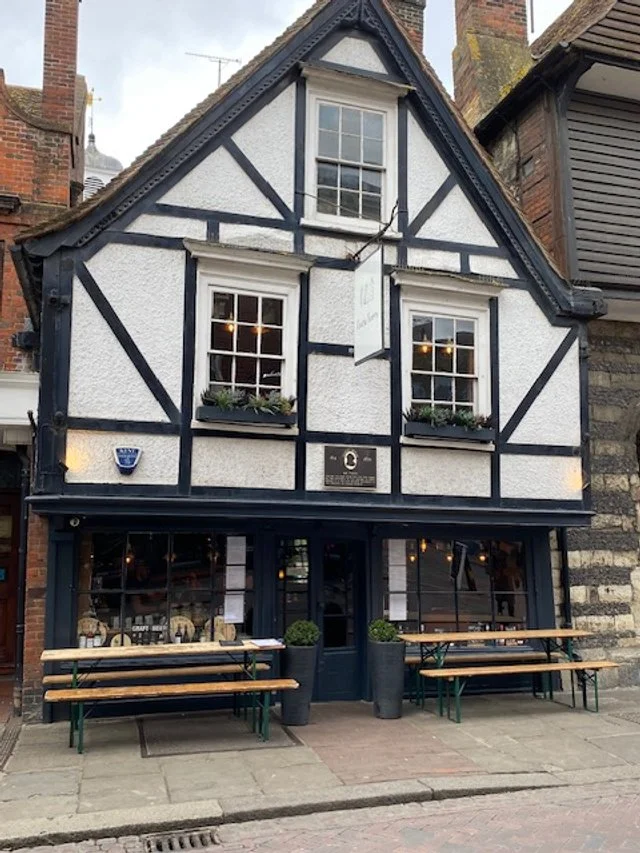
On the corner of the High Street and Boley Hill is Jasper’s Gatehouse and Mr Topes’ house. Describing the two buildings as one, linked by a connecting door, in ‘The Mystery of Edwin Drood’, Dickens wrote it was ‘an old stone gatehouse crossing the Close with an arched thoroughfare passing beneath it’. The cathedral choirmaster, Mr Jasper, lived above the gatehouse.
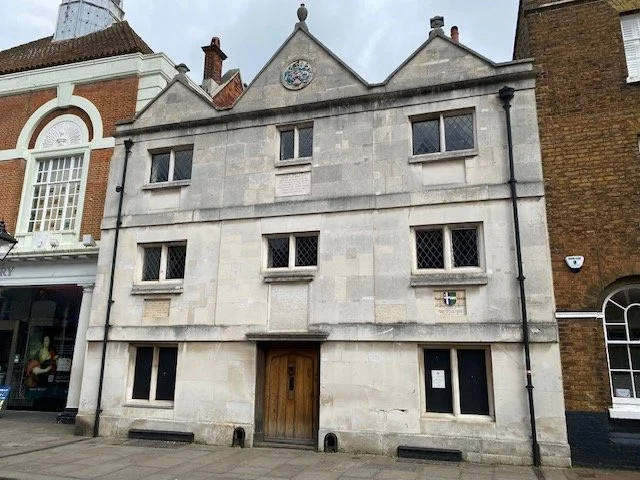
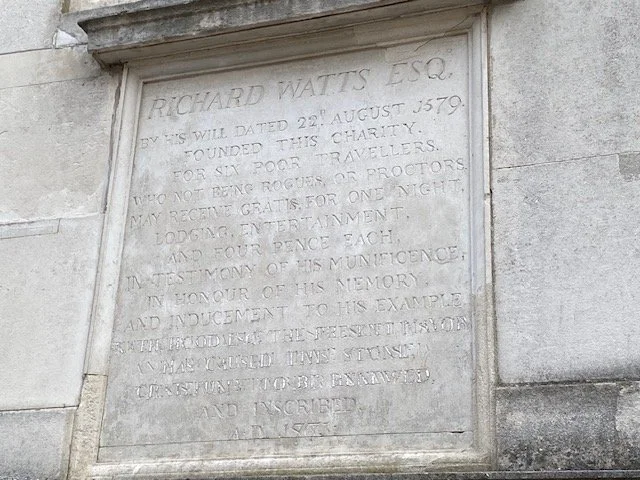
The ‘Six Poor Travellers’ was a Tudor charity house, founded by the Elizabethan MP Richard Watts to provide board and lodgings for six poor travellers and it continued to do so right up to the Second World War. Both the house and the charity are immortalised in Dickens' Christmas short story entitled ‘The Seven Poor Travellers’. Sadly, this building was also closed, for essential maintenance work to be completed- another reason to return!
You can read about the Dickens’ Birthplace Museum here , the Charles Dickens Museum in London here, Dickens in Exeter here, Cooling Churchyard here and The Dickens’ House Museum in Broadstairs here.