Reviews
There are so many incredible books available at the moment that it is impossible to read them all, no matter how hard I try! Here are my thoughts about some of the books I have read and how I think they could be used in school as well as Q and A sessions with authors and illustrators.
Dinos Don’t Give Up!
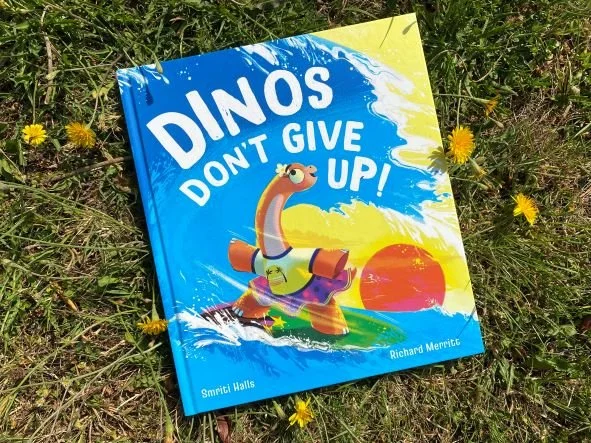
Dinah the diplodocus is one of life’s talented dinosaurs. Everything she tries, she excels at; every award there is to win, she wins. And she’s such a good friend. So when a surfing competition is announced, everyone is sure Dinah will win. However, much as she tries to stay afloat, Dinah doesn’t have any surfing skills at all and for the first time ever, comes in last. But with the support of her friends, some determination and very positive attitude, Dinah is soon back on her board again and doing her best!
There are some children (and adults) who sail through life, finding everything easy and who can therefore find it incredibly challenging when they come across something which they struggle to do. Resilience in these situations is so important - and Dinah’s story is perfect for showing the importance of getting back on your feet and trying again.
The story is wonderful for reading aloud with the rhyming text bouncing along at the perfect pace and there is much word play which adds to the gentle humour. Although she is a very talented young dinosaur, Dinah is also a good friend, supporting others when they need her, so their response is to empathise with her when she struggles and offer her support in turn. There is SO much to discuss and enjoy here, making this a brilliant text for assemblies or PSHE sessions as well as for story time!
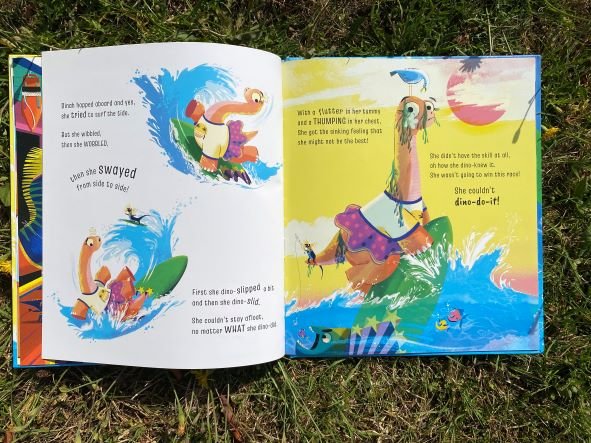
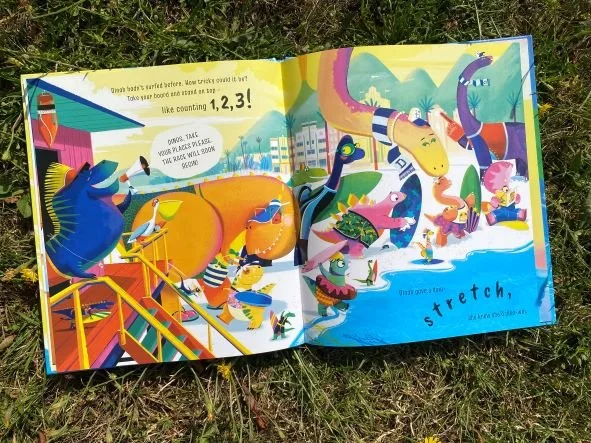
Bright and colourful, each spread is full of vivid illustrations which capture Dinah’s adventures perfectly. There are so many details to notice and enjoy - so many humorous touches- that children will return to them again and again!
Dinos Don’t Give Up! is just joyful- perfect summer reading!
Dinos Don’t Give Up! Smriti Halls, illustrated by Richard Merritt
Little Tiger ISBN: 978-1801043090
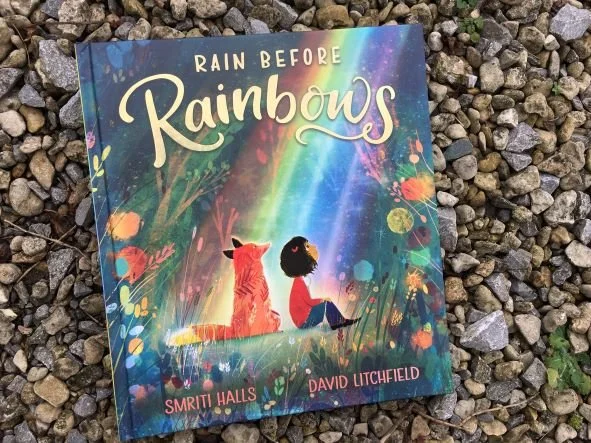
You can read my review of ‘Rain Before Rainbows’ here.
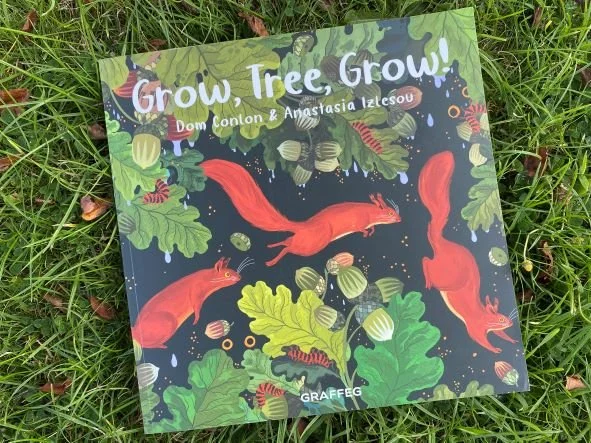
Grow, Tree, Grow!
Oak grows taller each year, offering shelter and nourishment for hundreds of different creatures and plants. A section on ‘Tree Facts’ at the end of the book, offers fascinating facts about oaks and other trees, combining non-fiction with Dom’s poetic story.
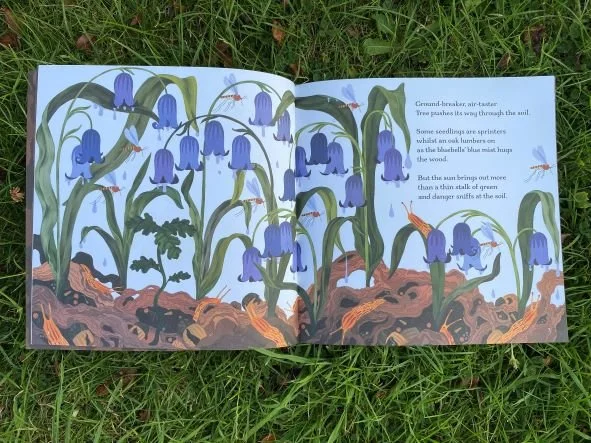
‘Grow, Tree, Grow!’ depicts the life cycle of a tree from its first shoot to mighty oak to its decay. It explores the essential role it plays in the ecosystem- how it supports life and it needs the sun and the earth- as well as the impact of humans on forests, making it perfect for including in science lessons as well as for inspiring discussions.
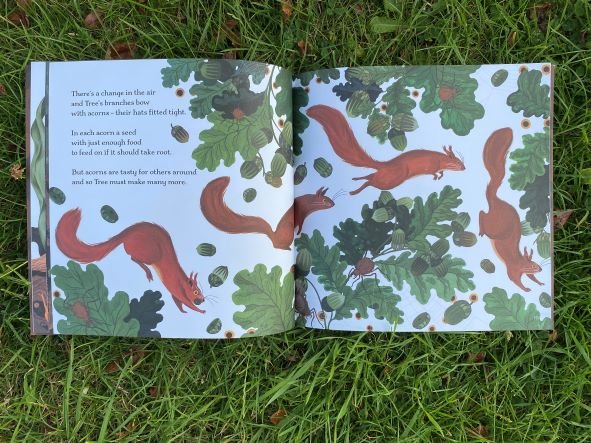
Dom’s writing is beautifully lyrical. His use of kennings, alliteration, assonance, simile, personification make it a joy to read aloud and perfect for sharing. Anastasia’s vivid illustrations capture each scene, offering plenty of details to notice and encourage further discussion.

This is the fifth book in the ‘Wild Wanderers’ series (someone has ‘borrowed’ my copy of ‘Shine, Star, Shine!’) and forthcoming titles include ‘Fly, Butterfly, Fly!’ and ‘Flow, Water, Flow!’. These books make an excellent addition to bookshelves everywhere as they can be enjoyed by children (and adults!) of all ages.
Grow, Tree, Grow! Dom Conlon, illustrated by Anastasia Izlesou
Graffeg ISBN: 978-1802580761
Shifty McGifty and Slippery Sam: Pirates Ahoy!
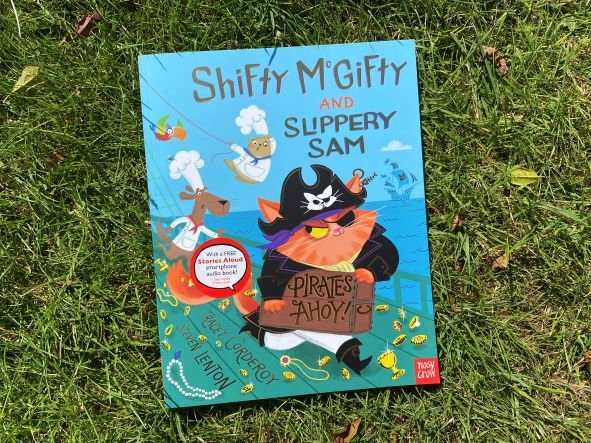
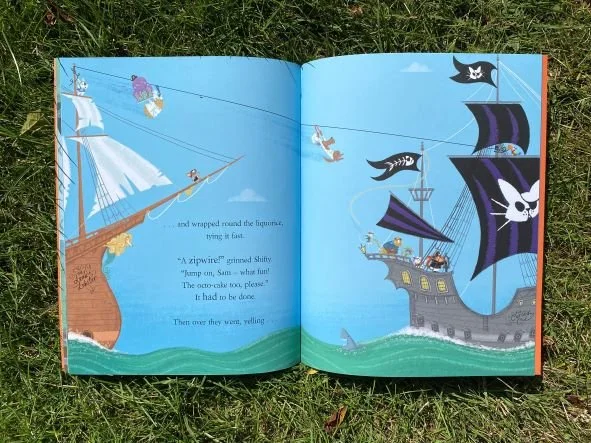
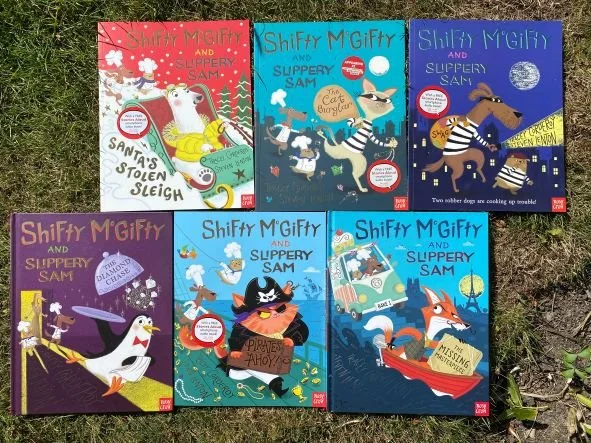
I have to confess that I am something of a Shifty and Sam superfan! Since their first picture book won the first North Somerset Teachers’ Book Awards picture book category in 2015, I have eagerly awaited each new adventure and have read these stories to many children, many times. So I was delighted to discover that Shifty McGifty and Slippery Sam are off on a new adventure and I set out to buy it on my trip to Bath today.
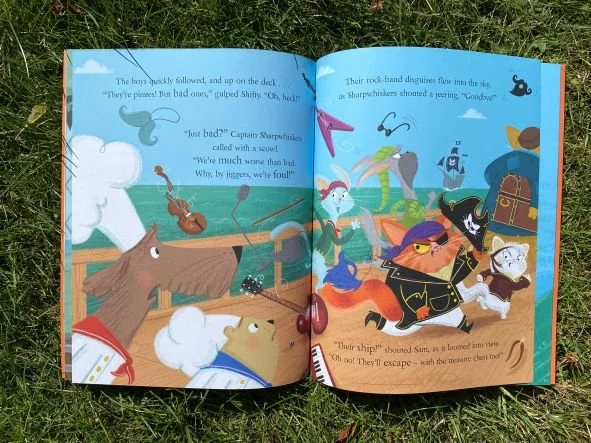
The loveable robber-dogs-turned-bakers are catering for a pirate party when Captain Chucklebeard’s treasure is stolen. The party band is really a pirate gang who have made off with the treasure. But Shifty and Sam zip into action, saving the day!
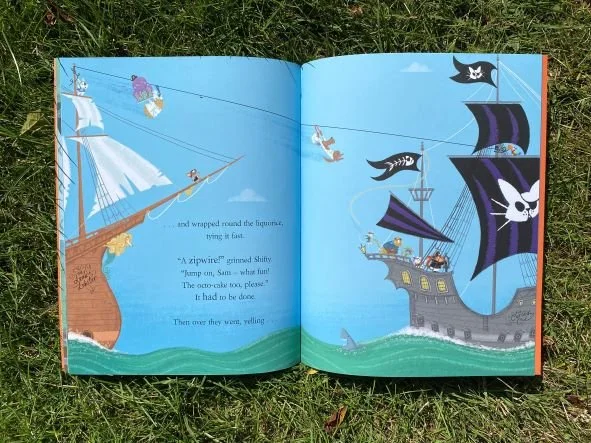
Tracey’s rhyming text is a joy to read aloud! It captures the energy and excitement of the tale perfectly whilst Steven’s illustrations are full of visual humour and such detail. I am delighted to see that the lovely little spider has made a return and can be found on every page, encouraging children (and adults!) to pour over each spread. This winning team has produced another winning book!
My love of these two characters has meant that I have made Sam cupcakes, a Sam pumpkin, a Sam balloon and a miniature Sam toy. This is because, being very limited artistically, Sam’s shape makes him relatively easy to draw and so once again, I have used him as the inspiration for this simple making activity! You will need card, scissors and felt pens. The card can be from a cereal packet or similar, but will need to be coloured/ painted to match Sam.
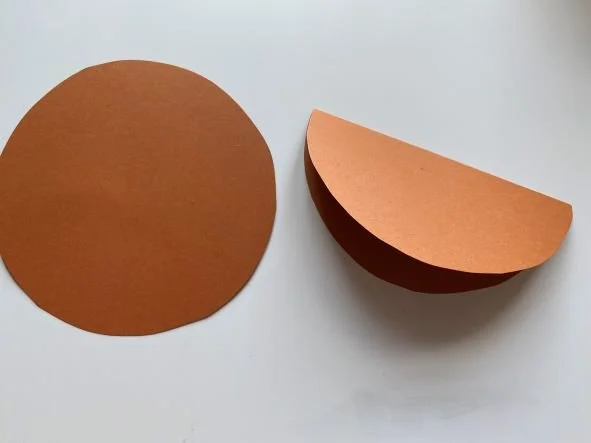
First, find a circular object and draw round this twice on card. One piece is for Sam’s body and so will need to be brown. Cut each circle out carefully- the more circular they are, the better the end result! Fold one in half- this is for the rocker and so doesn’t need to be brown. Next, cut a piece of white card (or you could use paper) to make Sam’s jacket. You can do this by cutting another circle and cutting off the top and bottom if you find it easier.

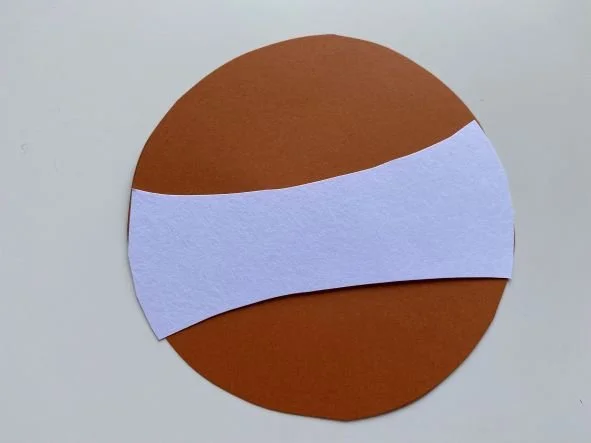
Cut two small rectangles of white card for Sam’s arms, adding brown semi-circles to one end for his paws. Stick these behind the white ‘jacket’ and then stick this to the body. Decorate this with felt tips so that it looks like Sam’s jacket in the illustrations. Now cut two small white circles (for the eyes) and two small brown circles (for the ears) and stick these in place. Now, add the rest of Sam’s facial features using felt tip (see first picture below). Next, cut two small rectangles of brown card for Sam’s legs, rounding off one end for his paws. Cut a chef’s hat from white card and stick this and the legs in place. Turn Sam over and attach the second folded circle carefully to the back, making sure you line the edges up carefully.
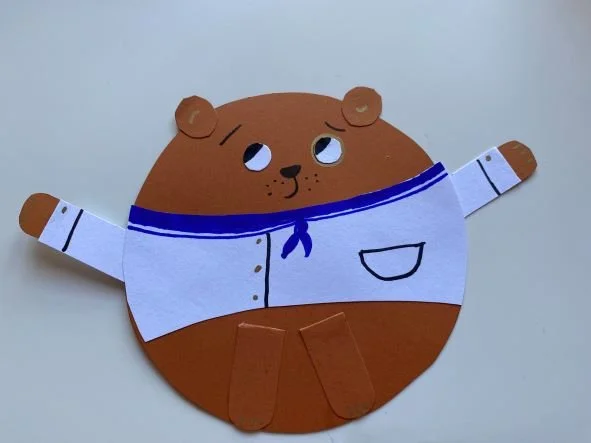
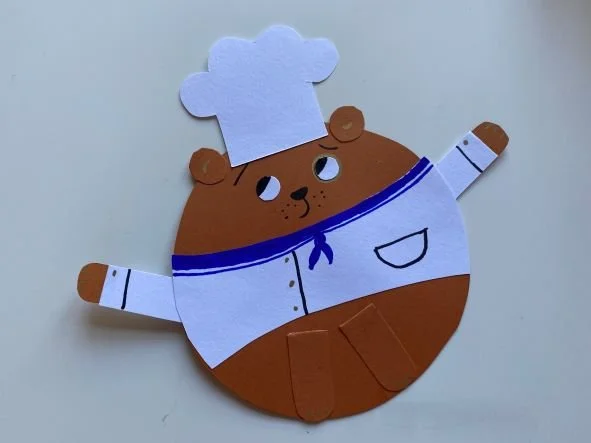

Tap one of his arms gently and watch him rock from side to side! Now, if only I could draw Shifty..!


Blog Tour: No Sleep for Bear
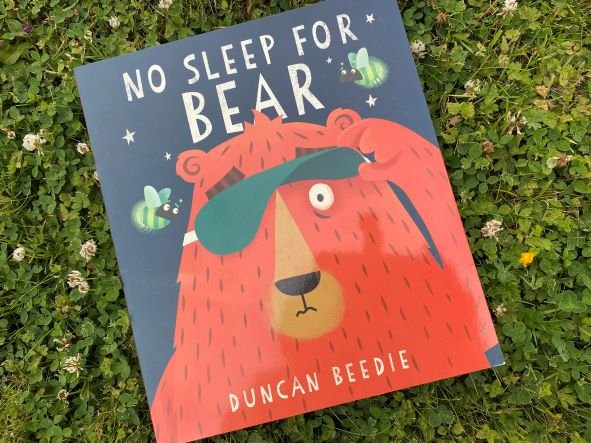
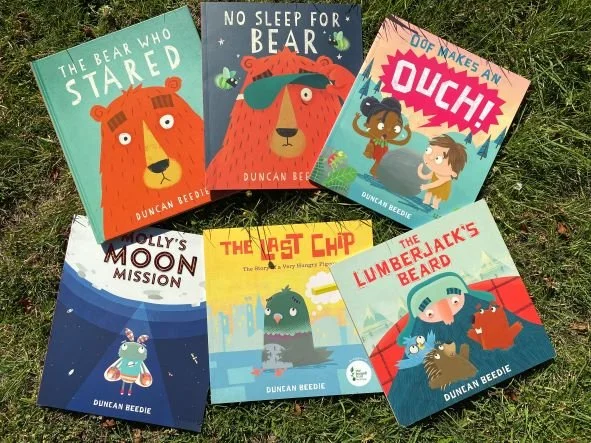
I love Duncan Beedie’s books and so was delighted to be asked to take part in this blog tour for his new book, ‘No Sleep for Bear’.
Bear (star of The Bear Who Stared’) is back in another story! As Winter approaches, Bear is looking forward to a very long sleep. He makes a list and settles down…but the more he tries, the more awake he feels. Eventually, he meets Frog, who shows him how to relax and soon he is snoring contentedly!
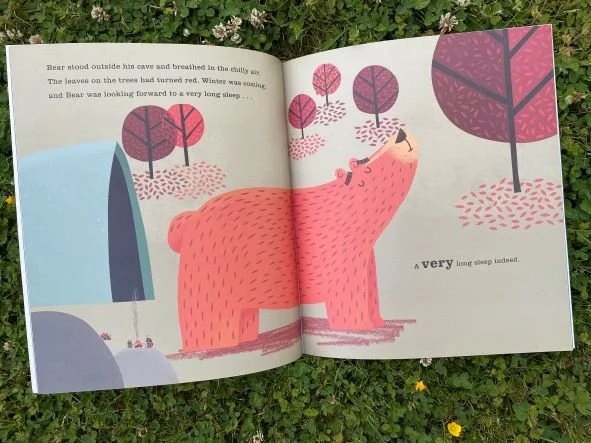
A new book from Duncan Beedie is always a delight! ‘No Sleep for Bear’ is completely adorable and is sure to become a firm favourite as a bedtime story. Full of gentle humour, Bear learns the importance of relaxing and being calm before going to sleep, brilliant advice for little ones and adults alike when thinking about bedtime. All of Bear’s friends try to help him in his quest for a good night’s sleep- even when it takes them all winter to do so!
There are obvious links between the story and hibernation, animal habitats and well being, making this a lovely story to include in a topic box as well as on class and library shelves.
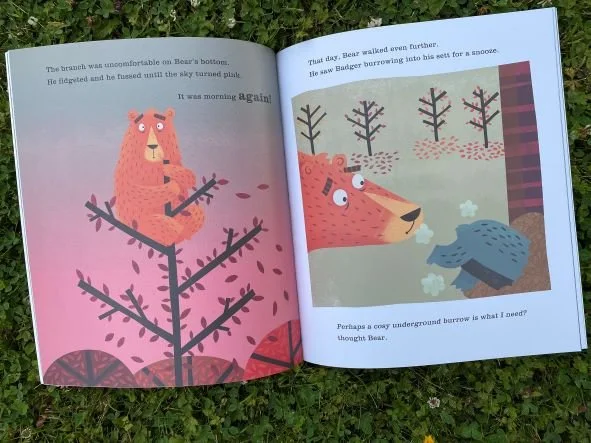
The illustrations are full of visual jokes and plenty of details to keep readers entertained on every reading. I love the little family of ladybirds- they need a book of their own!
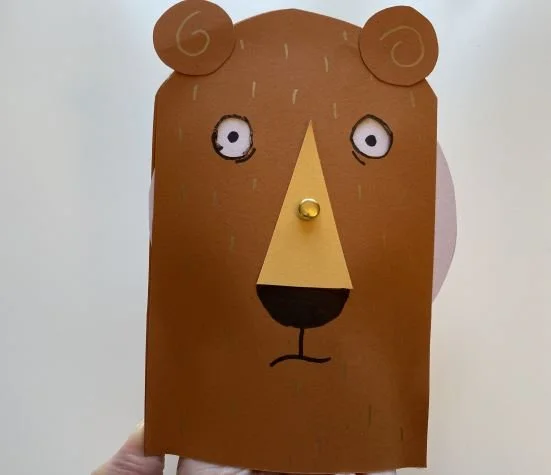
Bear is so lovely that he would make the perfect subject for a Book Group session. Here is an idea for a simple awake/ asleep Bear glove puppet which could be made with children at home or school.
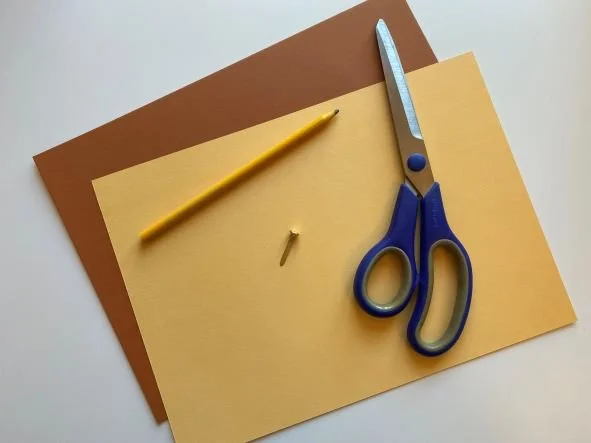
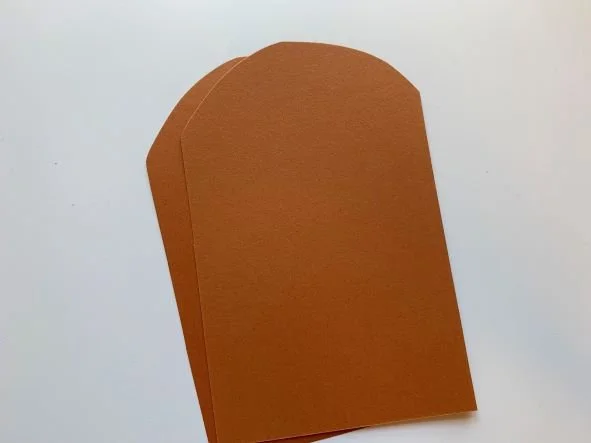
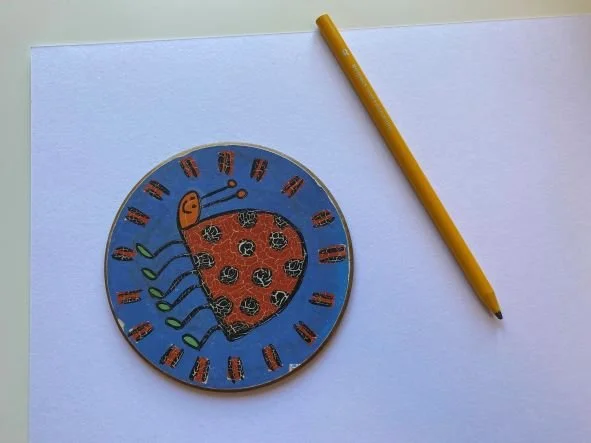
You need some thicker paper (sugar paper works well, but any can be used really), thin card for the wheel (teabag box card is good), felt pens, scissors and a split pin. Bear is brown, but white could easily be used and coloured/painted.
Using your hand as a guide for size, cut two matching ‘mit’ shaped pieces (see middle picture) for Bear’s face/body. Now you need to create a ‘wheel’ so that Bear can gradually close his eyes as he falls asleep. Draw round something circular, which is just slightly wider than the mit shape, on white card and then cut this out.
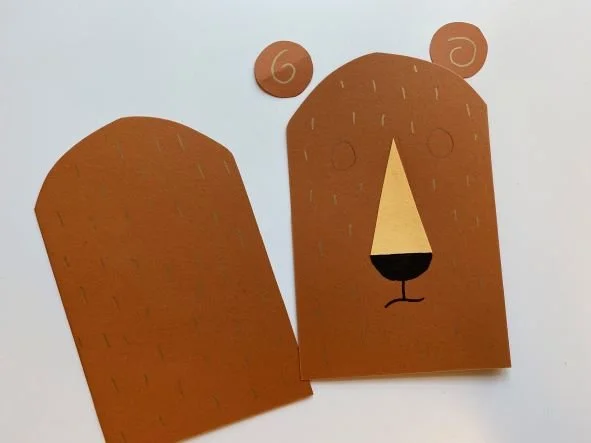
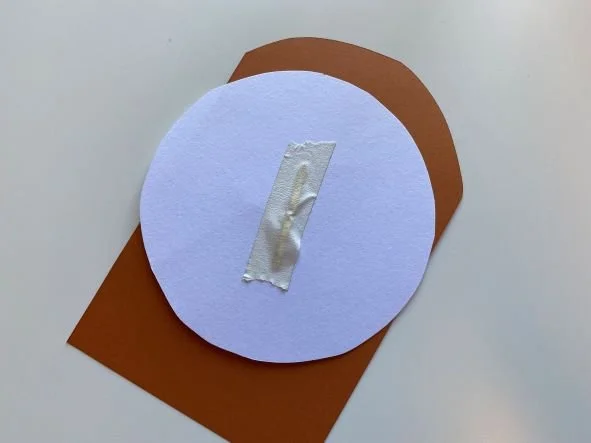
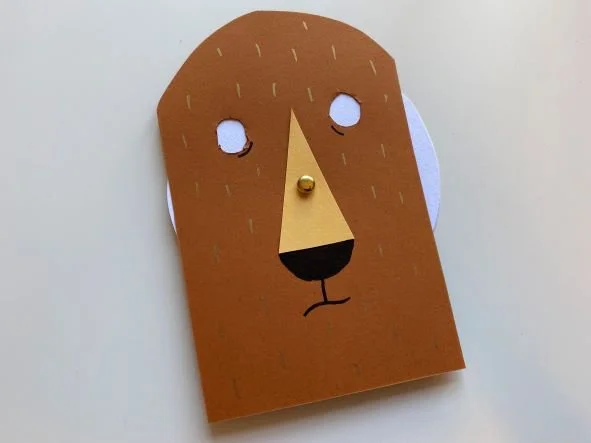
Decorate Bear, carefully cutting out eye holes. I forgot to add his distinctive eyebrows! Cut two smaller circles out the the same material you used for the body to be his ears.
Position the wheel carefully so that it is not too high up or the pieces of the puppet will not be able to be glued together. When you are happy with the position, use the split pin to attach the pieces and then cover the sharp ends with a piece of masking tape so that little fingers will not get caught on them. Then stick the front and back sections of the mit together across the top (making sure you are above the wheel) and on each side (beneath the wheel). The wheel will poke out of either side so it is easy to turn.
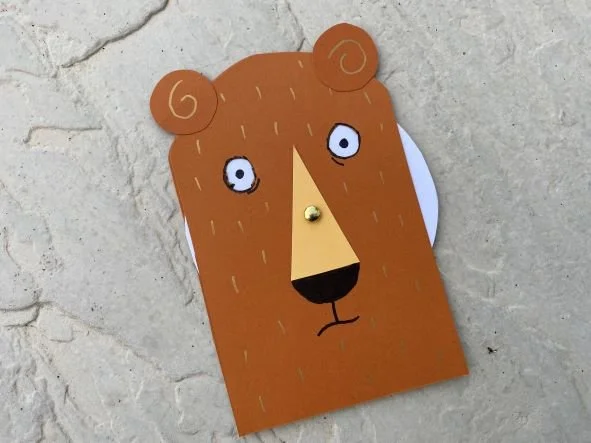
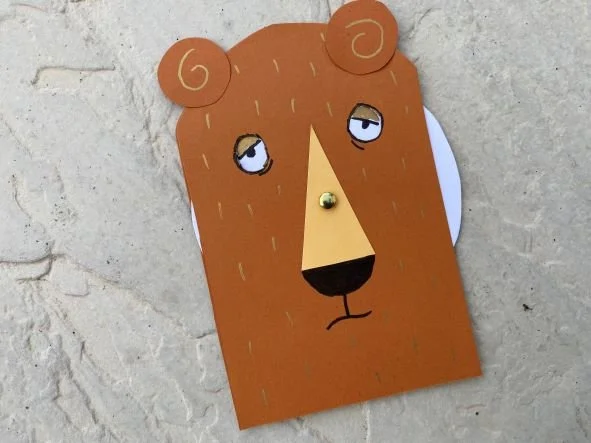
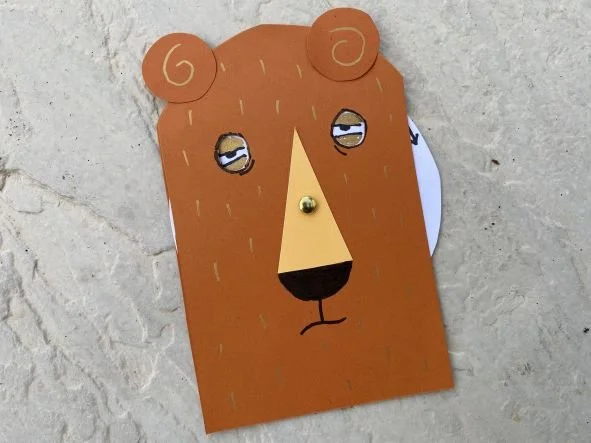
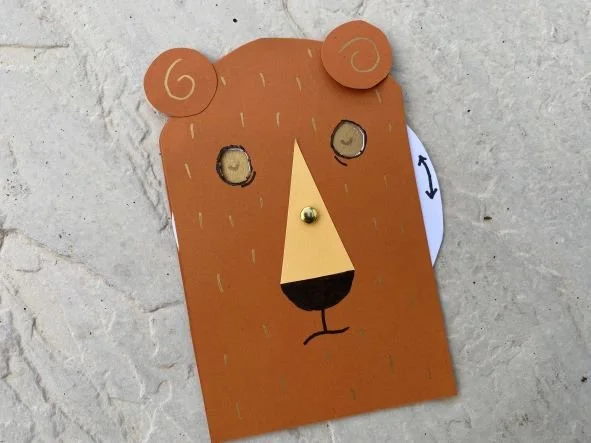
Now, you need to draw the eyes in so Bear falls asleep as the wheel is turned. I copied the four stages from the pictures in the book. It’s worth doing this in pencil first to make sure they fit as the different eyes need to be drawn quite close together so they can be seen without the other eyes appearing (this might not sound like it makes sense, but you’ll see!). The wheel will need to be turned a few times to loosen it so it moves freely and then Bear can fall asleep as you turn the wheel one way and then wake up again as you turn the wheel back. Finally, glue his ears into position.
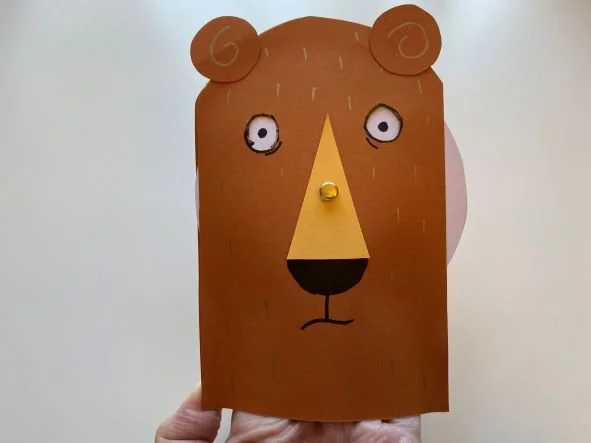
Now enjoy making Bear fall asleep and wake up again. You could use the puppet whilst reading the story or for retelling your own version! Have fun!
No Sleep for Bear Duncan Beedie
Templar ISBN: 978-1787419865
Thanks very much to Duncan and the people at Templar for asking me to be part of the Blog Tour for this lovely book. Make sure you look at the other posts!
Dadaji’s Paintbrush
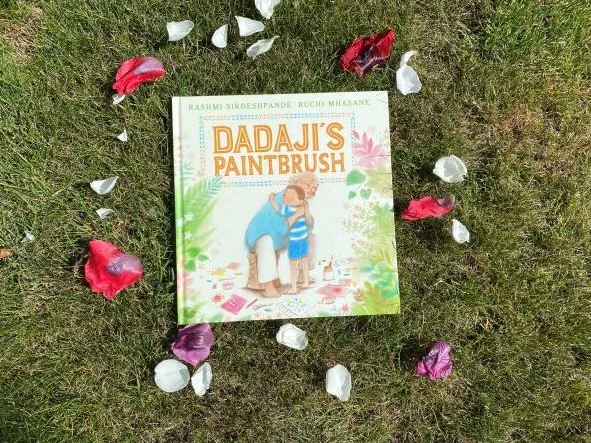
In a tiny Indian village, a boy lives with his grandfather, Dadaji. Together, they fill the house with paintings and joy as they share their lives. Then, Dadaji dies, leaving the boy his best paintbrush, but the boy’s grief is too raw for him to even look at it and he puts it away. Months pass, until one day, a small girl appears at his door, asking the boy to teach her how to paint. Initially, he refuses, but the girl persists and as they look at Dadaji’s paintings, the boy remembers and reaches for Dadaji’s paintbrush once more.
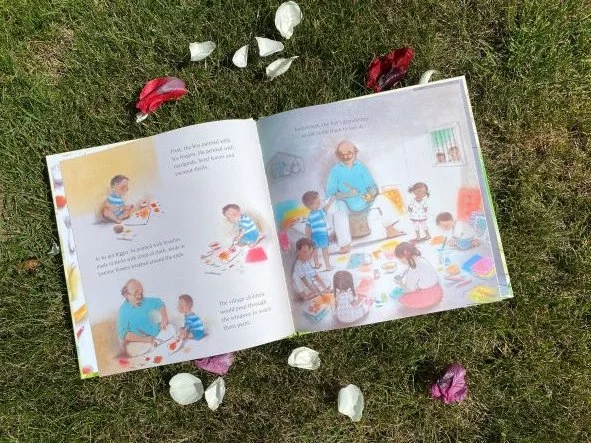
He knows in his heart that his grandfather will always be with him.
This beautiful story celebrates the tenderness and depth of the loving relationship between grandparent and grandchild. Dadaji encouraged his grandson to develop his love of art, patiently guiding and supporting him in his endeavors, offering him the time and attention he needed to flourish. When Dadaji dies, his loss is keenly felt and the boy struggles with his bereavement until he recognises the legacy Dadaji has left and that his grandfather touched many lives through his art work, inspiring the boy to follow in his footsteps. It is a deeply poignant story, offering comfort to those who need it and encouraging empathy for those who have lost a loved one.
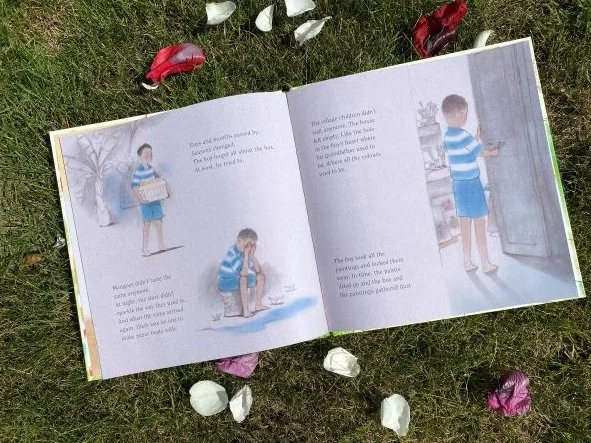
The illustrations are stunning. Gentle pastel tones and soft lines capture the devotion between the two and add a memory-like quality to the pictures. Each spread demands savouring, encouraging the reader to notice details about the setting, Dadaji’s work, the village children…as the illustrations work in perfect harmony with the text.
‘Dadaji’s Paintbrush’ is a very special and moving story for many reasons. One to return to again and again.
Dadaji’s Paintbrush Rashmi Sirdeshpande, illustrated by Ruchi Mhasane
Andersen Press ISBN: 978-1839131394
Supermouse and the Volcano of Doom
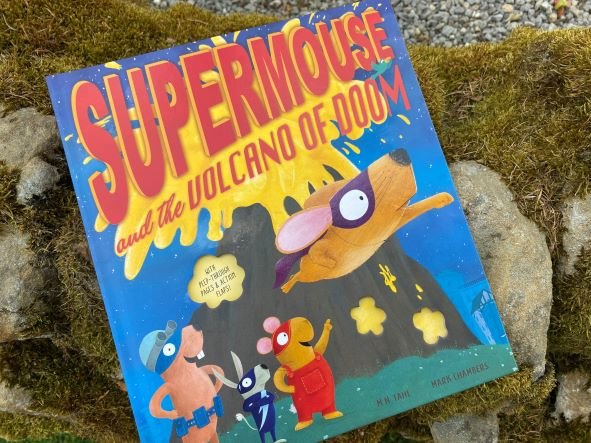
Crime is on the rise in Mouseopolis and Supermouse is being kept very busy, constantly rising to the challenge of saving the day. But a new danger is threatening the city-Mount Fondue is on the verge of erupting so Supermouse decides he needs help. Will he ever find the suitable support for a supermouse?
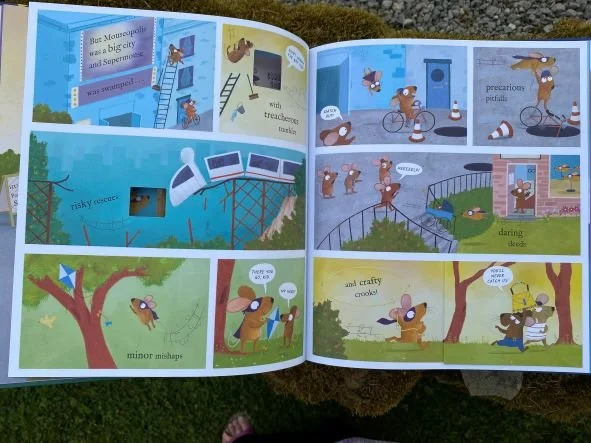
Bursting with humour, ‘Supermouse and the Volcano of Doom’ is every bit as enjoyable as ‘Supermouse and the Big Cheese Robbery’. Readers can lift flaps to see Peter Parmesan transforming into Supermouse whenever a crisis occurs and peek through the pages to see the action developing. The story is wonderfully interactive, ensuring a fun-filled read which children (and adults!) will enjoy again and again.
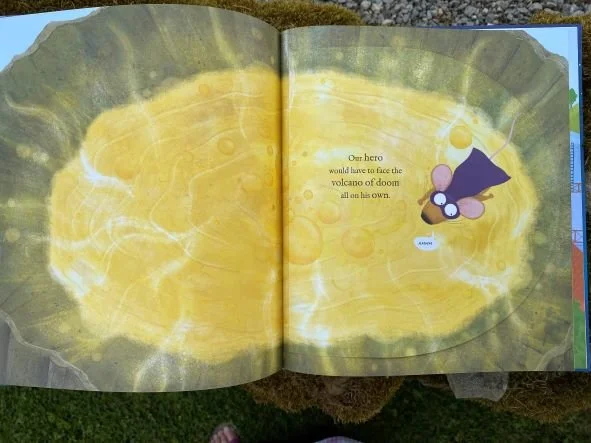
As Supermouse fights crime and faces the volcano of doom, he realises that everyone needs help and benefits from being part of a team. The illustrations are full of details to enjoy with a hint of more adventures to come on the final page.
Children are sure to enjoy creating their own lift-the-flap stories, inspired by clever fold-outs and flaps included in the book. These books are great fun and I look forward to seeing what Supermouse and his team of humble heroes get up to next!
Supermouse and the Volcano of Doom
M N Tahl, illustrated by Mark Chambers
Little Tigers ISBN: 978-1912756858
Five Bears
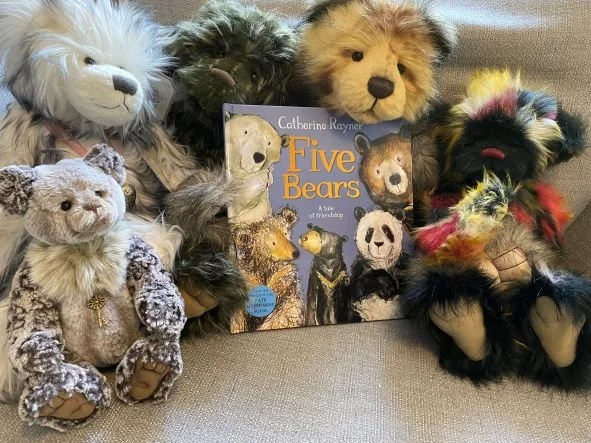
Whilst on a walk through the forest, Bear meets another bear. Other Bear is different, but says hello and the two bears wander along together at different paces, thinking their own thoughts when they meet a new bear. Grunty Bear joins the other two as they continue on their way. Next they meet Very Big Bear who decides the others are friendly and feeling a little lonely, decides to follow along. When they meet Stuck Bear, the four bears work together to help and decide that although they are very different, they can all be friends.
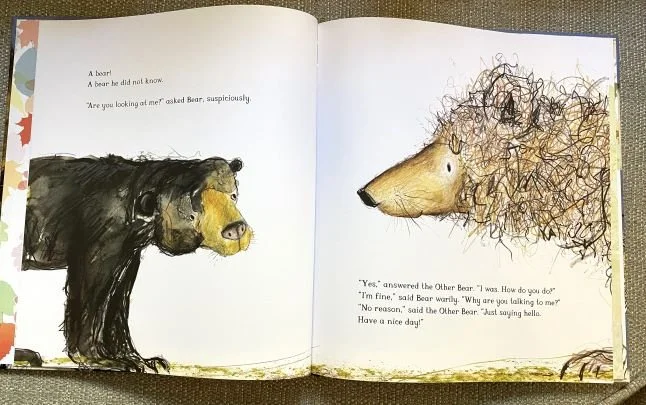
There is something instantly appealing about a book with bears in it! In this story, there are five very different bears and Catherine Rayner’s stunning illustrations capture the individuality of each perfectly. But this is not your usual bear story!
As each bear meets the next, their reactions are awkward, suspicious and even hostile. Apart from ‘Very Big Bear’, no description is offered in the text, but the illustrations clearly show their physical differences. The First Bear- ‘a very nice bear by all accounts, but a bear all the same’- is instantly on the defensive when he meets Other Bear. He speaks ‘suspiciously’ and ‘warily’ although Other Bear offers a ‘How do you do?’ and ‘Have a nice day!’. These pleasantries disarm First Bear who decides to follow Other Bear and the two wander on together. Perfect for using with any age group, the story encourages discussions about how we perceive difference as well as considering how to respond in social situations. The apparent simplicity and repetition of the story belie the importance of the story as a starting point for conversations about inclusivity, individuality, initial actions and reactions and friendship. The bears are also gender neutral.
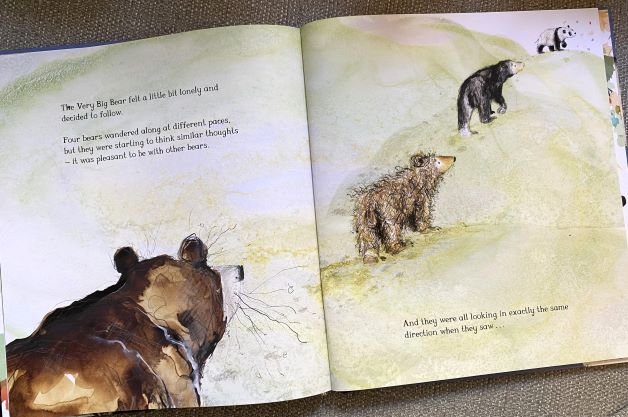
In addition to this, the carefully researched illustrations are perfect for inspiring children to find out more about the different types of bears in the world.
Can’t recommend this one highly enough!
Five Bears Catherine Rayner
Macmillan ISBN: 978-1529051278
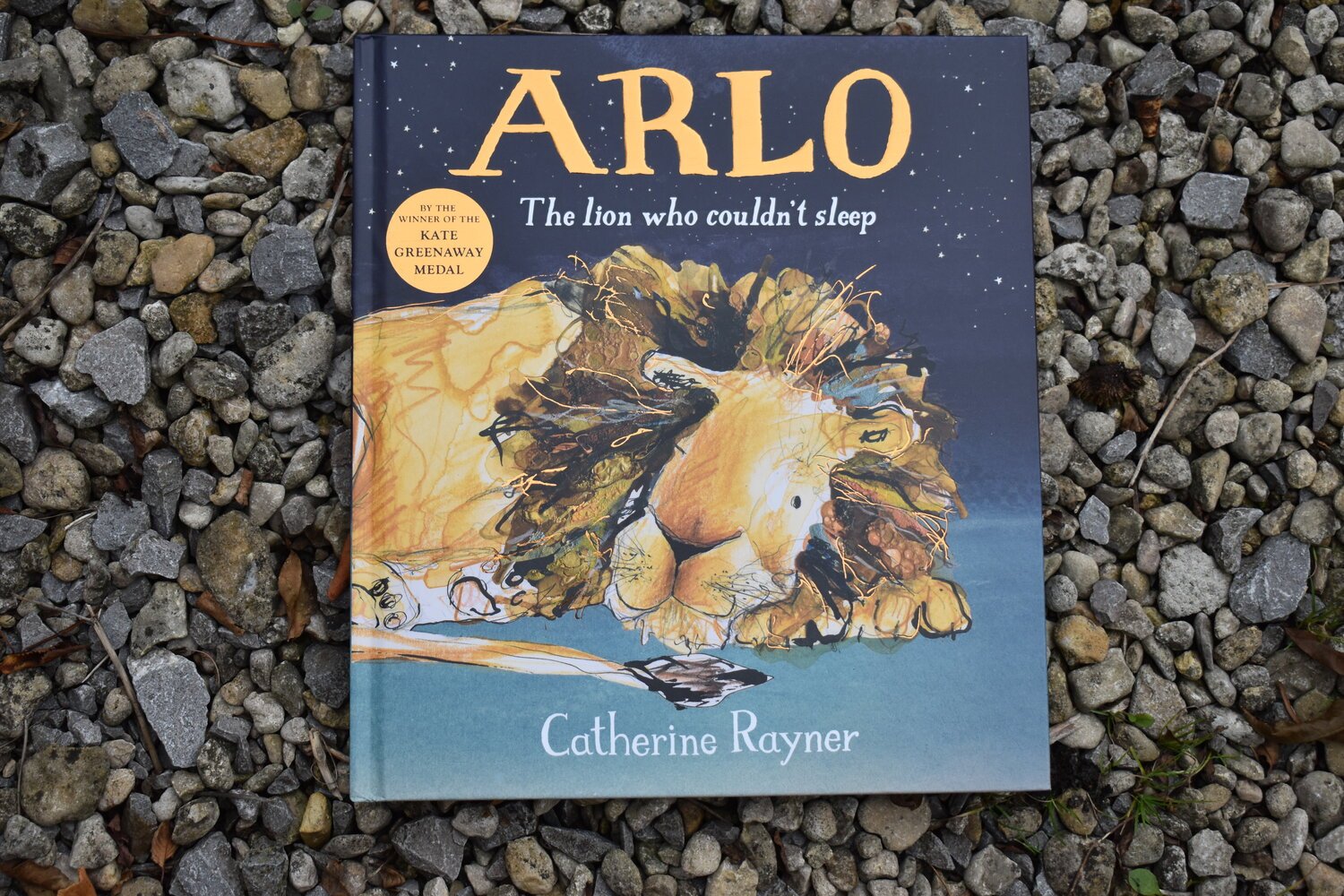
You can read my review of ‘Arlo the Lion Who Couldn’t Sleep’ here.
Fletcher and the Rockpool
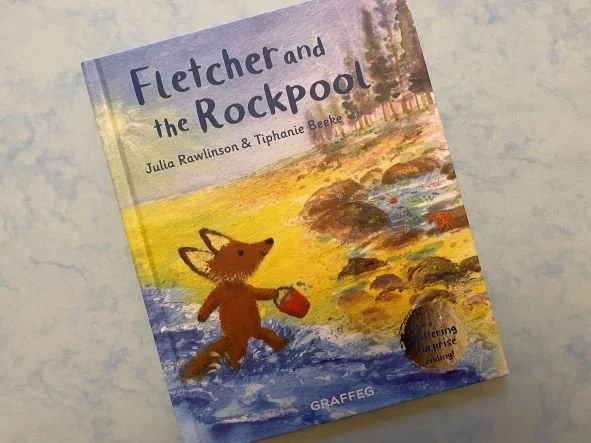
Fletcher and his mum are heading for the beach. Whilst playing in the sea and on the beach, Fletcher finds a rock pool, full of plants and sea life. As he watches, he notices that the water is disappearing and immediately runs to the sea with his bucket in an attempt to keep the creatures and plants covered in water. Can he manage to save the day?
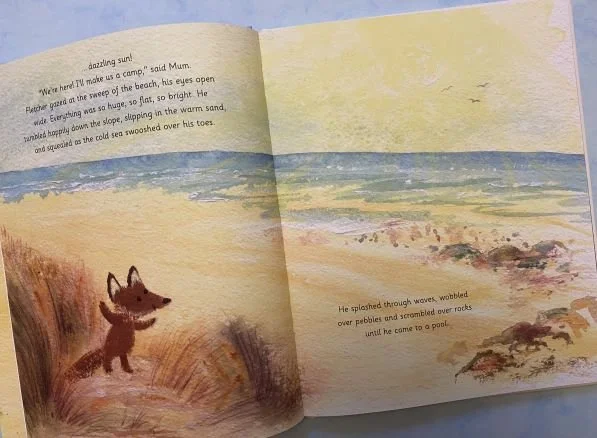
Gentle and tender-hearted, Fletcher’s concern for the well-being of others is a true joy. In this story, his attempts to save the creatures of the rock pool end well as when he wakes in the morning, he finds the pool full of water and life once more. The story is perfect for teaching children about the rise and fall of the sea level and how these tidal movements are caused, but it is also the perfect read for a day at the beach when children might be encouraged to look at - but not disturb- the contents of a rock pool. The care Fletcher shows for Little Crab (a creature he rescues) offers an excellent starting point for discussing the care we should all show for living creatures, returning them to their natural habitat as soon as and as safely as we can.
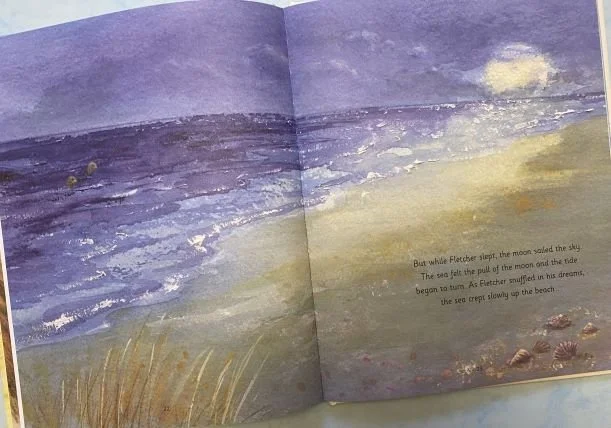
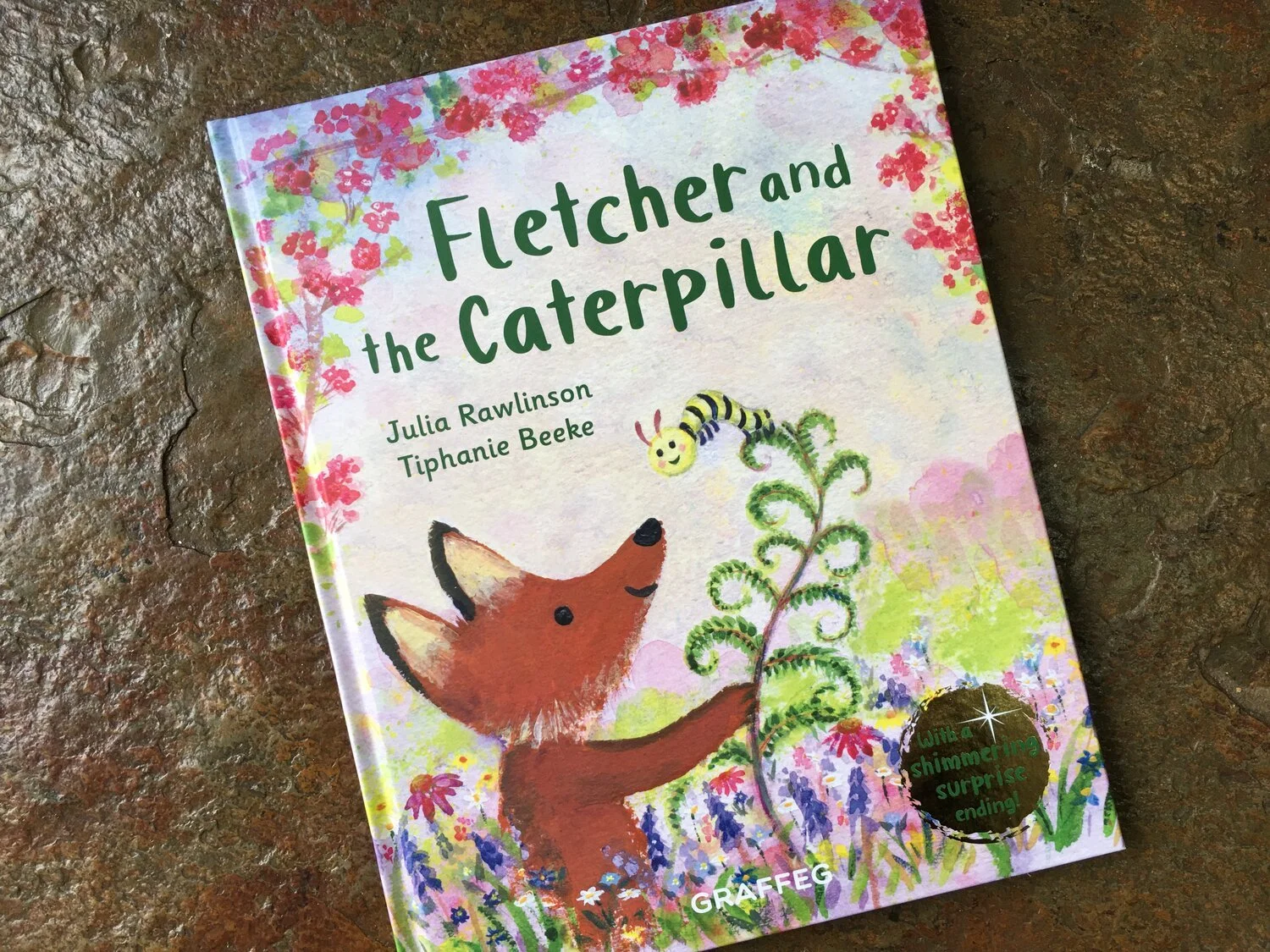
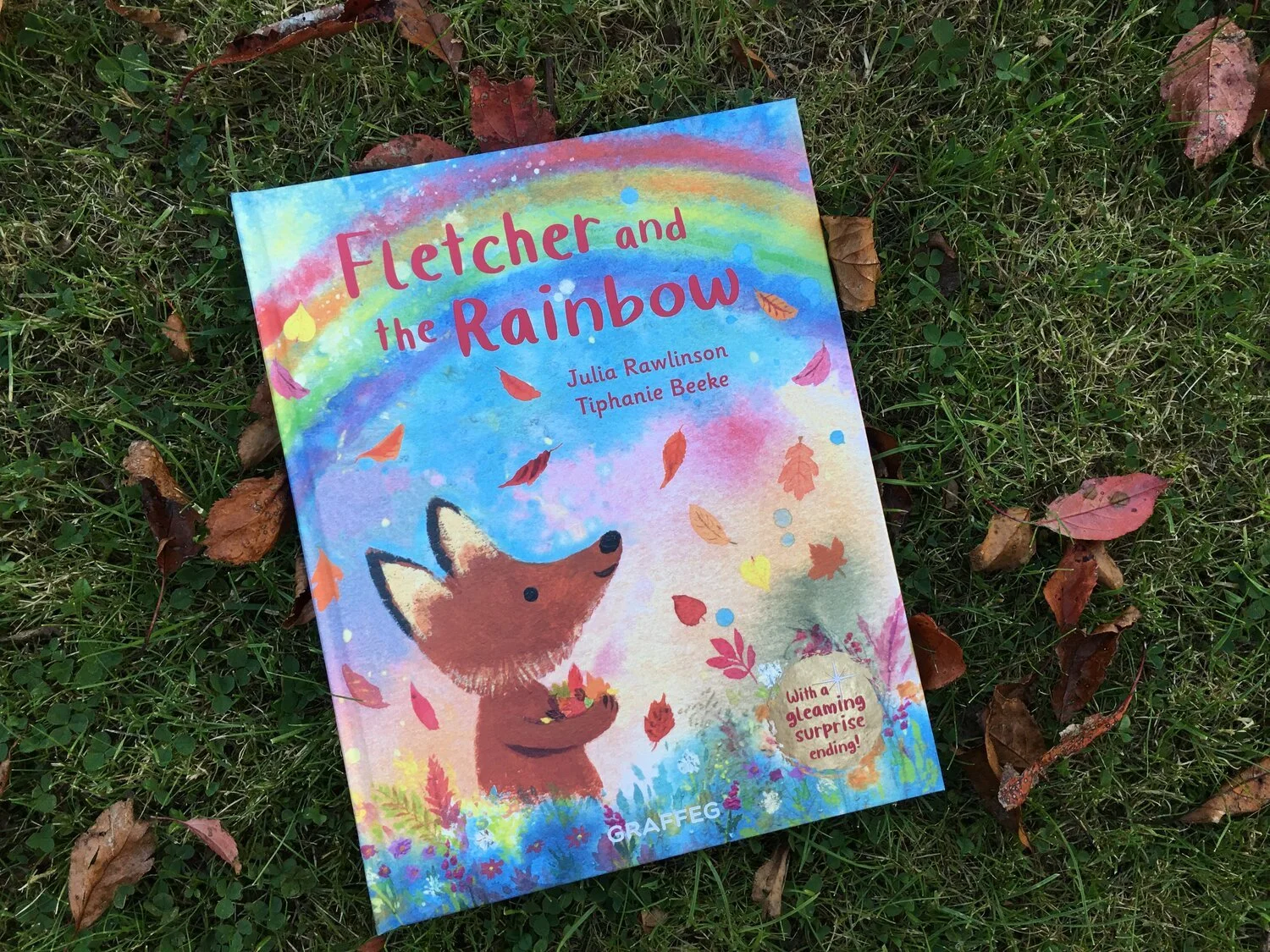
Each spread is beautifully illustrated in Tiphanie Beeke’s softly glowing style familiar from the previous stories about Fletcher. Each is a work of art, perfectly complementing Julia Rawlinson’s lyrical text and sure to inspire children to paint seaside pictures of their own.
A lovely addition to the series, ‘Fletcher and the Rockpool’ is the perfect summer read!
Fletcher and the Rockpool Julia Rawlinson, illustrated by Tiphanie Beeke
Graffeg ISBN: 978-1914079320
Strong
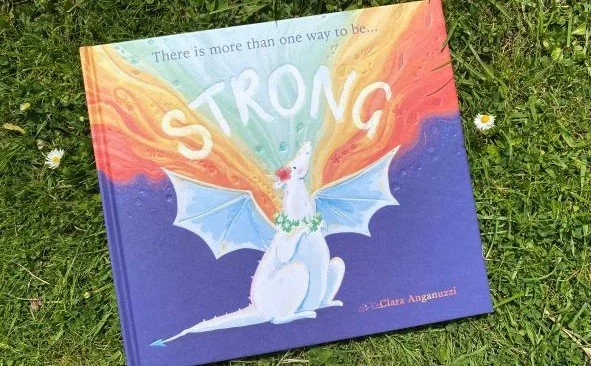
Maurice might be a dragon, but he isn’t very scary, doesn’t like to breathe fire and loves flowers more than anything! He sculpts the most amazing floral arrangements, but the other dragons aren’t interested in flowers, particularly Gruff, Maurice’s brother, who usually wins all the dragon competitions. When Maurice takes part, he fails to throw a flame and just isn’t scary enough. Saddened by his lack of dragony prowess, Maurice lies down in the rain. As storm clouds gather, Maurice questions whether it is safe to continue with the competition, but Gruff disagrees and flies off into the sky. When he doesn’t return, it’s up to Maurice and his ideas to save the day.

‘Strong’ is a delightful story which celebrates different ways of being ‘strong’ and above all, being yourself. Everyone knows what dragons are supposed to be like- and Maurice is definitely the odd one out. Small, gentle and thoughtful, he has a real passion for flowers and knows that he does not fit in with the other dragons. How many children have I taught over the years who have felt like this? And stories like this one are so important for validating individuality and celebrating the importance of being true to yourself. There is so much to discuss here and the story is perfect for encouraging children to be proud of having different interests, liking different things or behaving in a different way to their friends- and for encouraging empathy and understanding in those who are ‘part of the crowd’. The story also asks the reader to consider different ways of being brave, different ways of having strength to face challenges and solve problems.
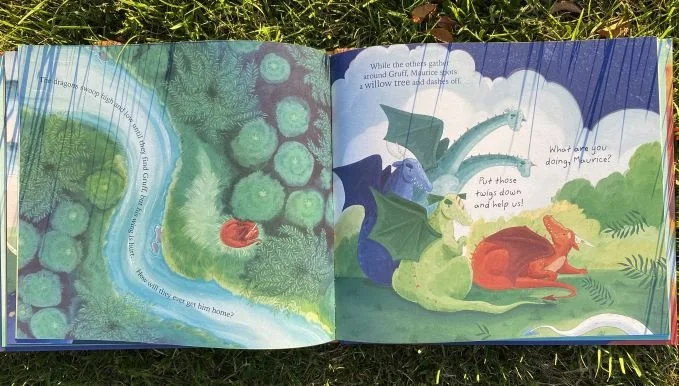
The illustrations are completely captivating! From the wonderful textured cover, each spread is full of strong colours, tempting children to look carefully and notice details. Maurice’s range of expressions are wonderful as he sees the wonder in the world around him, experiences sorrow at feeling different and finally, contentment at being valued for being himself. The text is full of descriptive language to discuss and enjoy alongside the story and children are sure to be inspired to draw or paint their own dragons and might enjoy writing stories about Maurice’s further adventures.
Perfect for developing understanding of yourself and others, ‘Strong’ is sure to become a firm favourite and a story which will be read again and again.
Strong Clara Anganuzzi
Little Tiger ISBN: 978-1838913915
Move Mountain
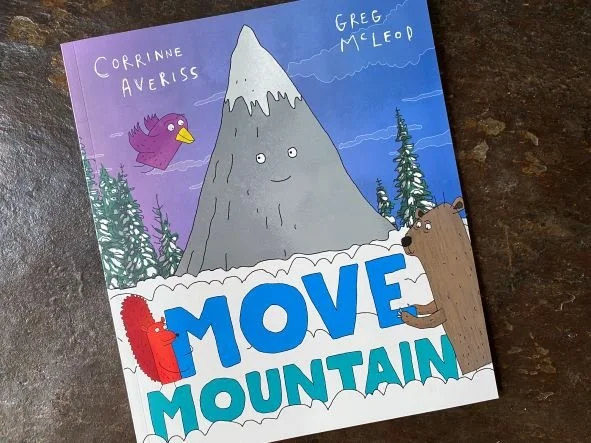
Mountain has never seen the sunrise. Although the sun’s rays touched the hills around him with light and colour, he always remained in the shade whilst the sun rose behind his back. When he shares his feelings with Bird, she asks everyone to help. In spite of their best efforts, Mountain still cannot see the sunrise; however, Bird has a clever idea…
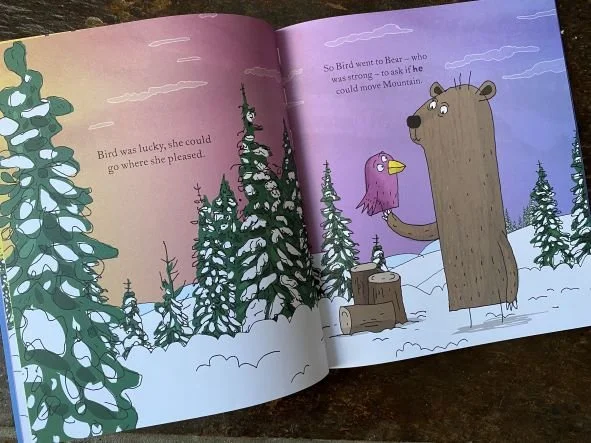
‘Move Mountain’ is a lovely story about friendship and kindness. Being a true friend, Bird is determined to help Mountain with his wish and quickly enlists the other animals to help her. Having tried to move Mountain so he can see, they use words to describe the sunrise and then music, but neither of these ideas work, leading them to use their imaginations and get creative! Mountain still might not be able to see the sunrise, but the kindness of his friends has made him feel warm and loved. There is so much here to discuss and enjoy with children, particularly exploring how being thoughtful can make a huge difference!
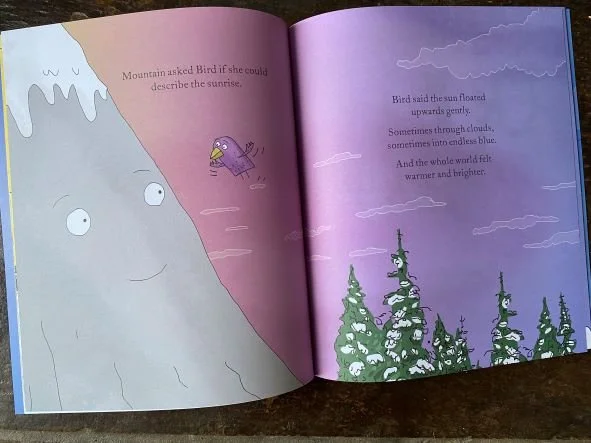
The story could also be used to inspire work in school. The play on words- being ‘moved’ emotionally rather than physically as well as the phrase ‘to move mountains’- could be used to start a collection of idioms and expressions in English- and other languages if possible-, encouraging children to explore this use of language. Children could also use words and music to describe a sunrise (or anything!) for each other and perhaps look at pieces by artists, poets and musicians inspired by such events.
The illustrations are lovely, full of life and colour. Mountain, for all his size, has such a gentle face, expressing so much character!
Move Mountain
Corrinne Averiss, illustrated by Greg McLeod
OUP ISBN: 978-0192778666
What Do You See When You Look at a Tree?
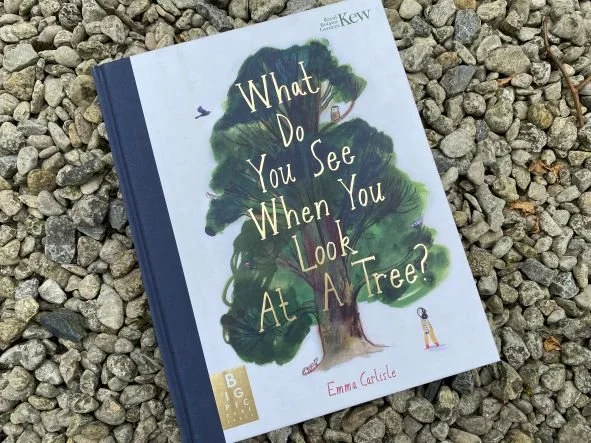
What do you see when you look at a tree?
Leaves and twigs and branches?
Or do you see a living thing
that moves and breathes and dances?
In this lovely, large format book, author and illustrator, Emma Carlisle, urges the reader to reconnect with nature and appreciate the beauty of the trees around us. Through simple questions, the gentle rhyming text explores how unique trees are and the important role they play in nature.
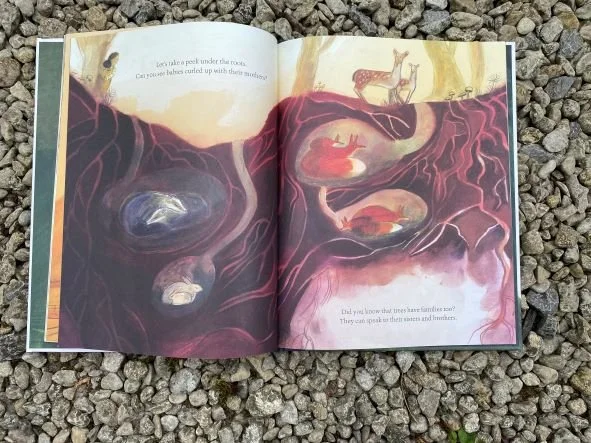
The final pages offer further information about trees and how they communicate with each other, developing the reader’s understanding of these incredible plants. There are also mindfulness tips which show how we can learn from trees to look after ourselves and each others.

Every spread is beautifully illustrated, using soft, calming colours and they are perfect for exploring alongside the thoughtful questions posed by the text. The book is published in association with The Royal Botanic Gardens in Kew and the Palm House features in one of the pictures, perfect for introducing children to this historic place. The book is perfect for starting conversations about the wonder of trees whether at home or at school.
What Do You See When You Look at a Tree?
written and illustrated by Emma Carlisle
Big Picture Press with the Royal Botanic Gardens Kew
ISBN: 978- 1800781276
Queen of the Classroom
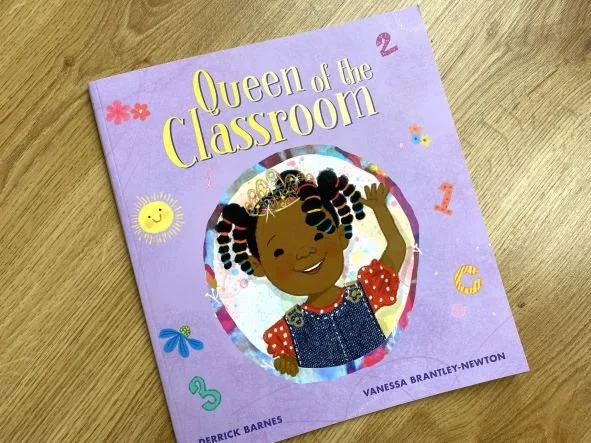
MJ is ready for her first day at school and when her mother adds a sparkly tiara to her outfit, crowning her Queen of the Classroom, MJ is determined to fulfil her duties. She will brighten up every room, be caring and kind and be helpful to others, just like her Mama says. And she does! Having found her seat, MJ makes the most of her first day, embodying all the qualities the Queen of the Classroom should have.
This is the loveliest of lovely books! MJ is a complete delight, full of positivity and personality, and her story is perfect for reassuring and encouraging anyone uncertain about a first day anywhere! No matter what she does during the day, she tackles it with enthusiasm, seeking to engage others and make the best of every moment.
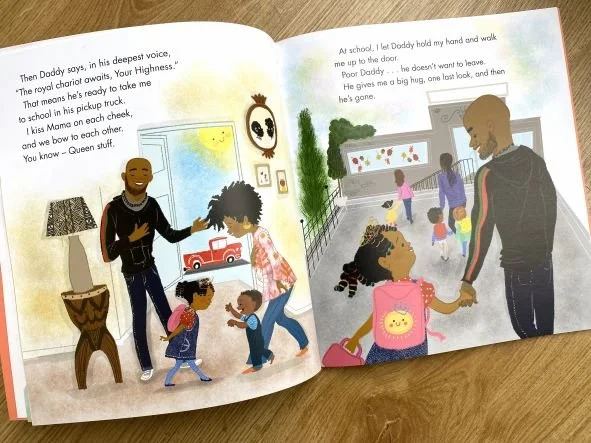
MJ is supported by a very loving, close family. Her little brother wakes her in the morning, her mother always helps her to ‘look nice’ and pays her compliments and her father holds her hand as he walks her to the door of her class. He doesn’t want to leave her! At the end of the day, she gives her little brother the picture she made, brightening his day as she has with others.
The illustrations are as joyous as the text! MJ’s hair is tied with rainbow coloured bands and her denim pinafore dress and spotted top add both texture and colour to the pictures while in many a golden glow surrounds MJ. A smiling sun shines into the classroom, illuminating a busy, fun environment. There are so many details to notice- the class bookshelf contains some familiar favourites also written by this author!
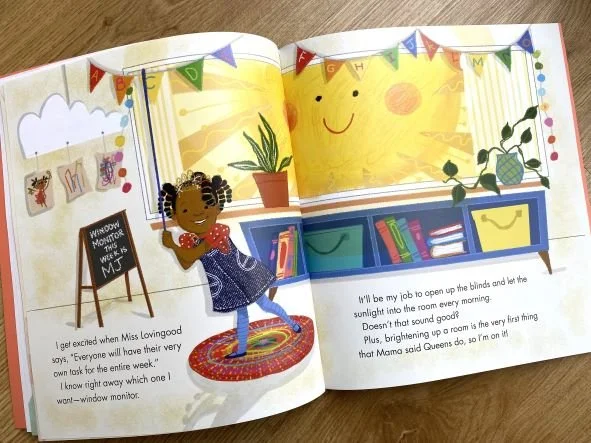
An absolute delight, ‘Queen of the Classroom’ is an empowering, vibrant read, perfect for sharing and enjoying again and again!
Queen of the Classroom
Derrick Barnes, illustrated by Vanessa Brantley-Newton
Scallywag Press ISBN: 978-1912650941
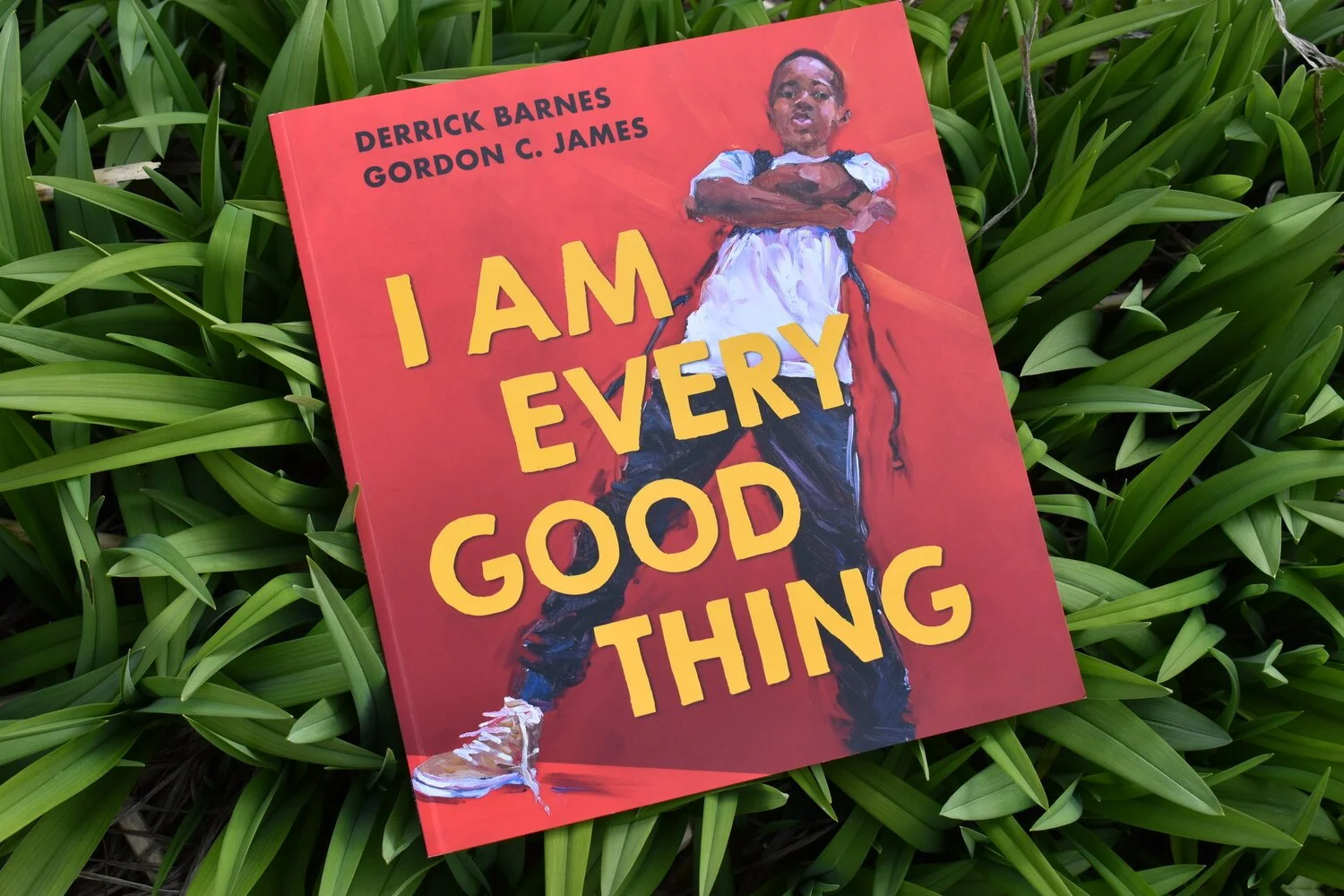
You can read my review of ‘I am Every Good Thing’ here.
Martha Maps It Out
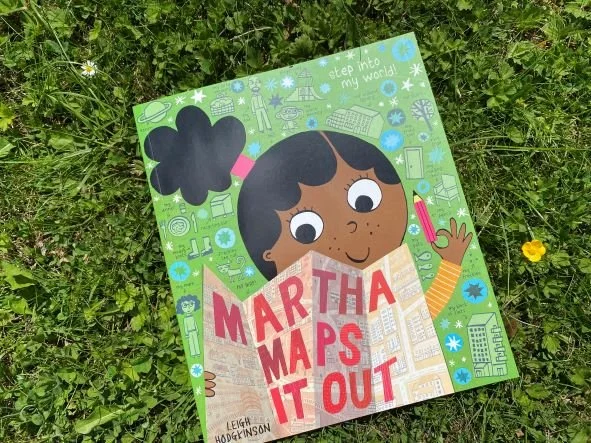
Martha loves making maps! She explores her world by making a series of maps about everything, including her hopes and dreams. Starting with outer space, she zooms in to focus on the earth, her city, her street- all the way to her room!
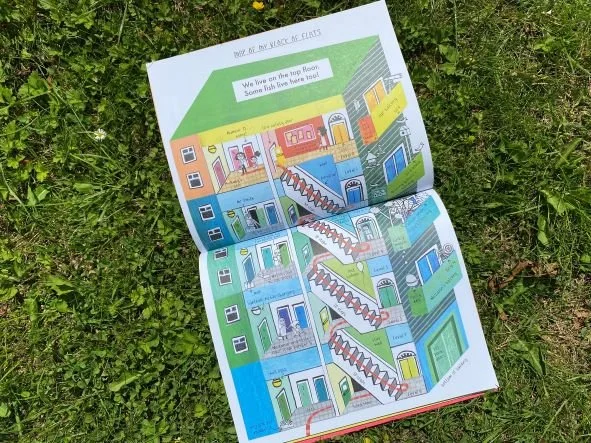
Bursting with quirky details, the book fizzes with excitement and wonder as Martha shares her maps. Each is fascinating, offering a perfect blend of fact and fiction. Readers are sure to pore over the tiniest details, enjoying the humorous touches whilst being introduced to the world of cartography. Even the idea of scale is introduced as Martha comments how she’s teeny-tiny on some maps whilst bigger on others.

Martha has a real zest for life and her optimism, curiosity and big dreams are sure to inspire readers as they explore her thought map, perhaps encouraging them to make their own with some of the ‘big’ (or not so big!) questions and thoughts which are occupying their minds. Other pages are sure to encourage them to have a go at mapping their own world, adding all the details which are personal and significant to them.
‘Martha Maps It Out’ would make a fantastic book to share with children over the summer holidays when they might be looking at maps of places they are going to visit whether to be a theme park, different country or their own locality. They might enjoy creating their own ‘worlds’ with Lego or their toys and then recording this on a map. Parents might feel inspired to create a treasure hunt, offering their youngsters a map to help them locate a treat! If only my son were little again..!
Martha Maps It Out Leigh Hodgkinson
OUP ISBN: 978-0192777782
Archie Snufflekins Oliver Valentine Cupcake Tiberius Cat
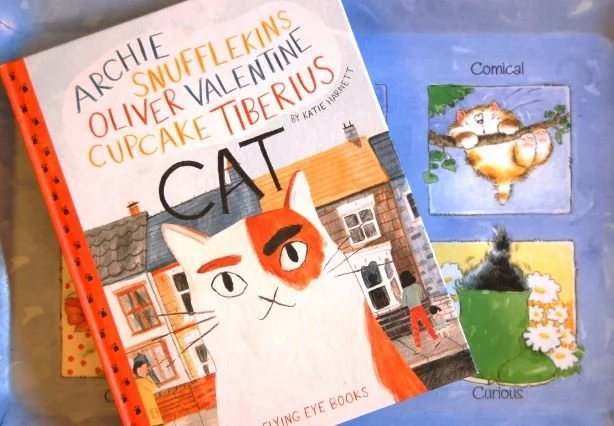
'Cat' has a very busy life, moving from house to house on Blossom Street. At each house he is known by a different name and he shares the lives and interests of those who live there. However, at number eleven, life is not very busy at all and Mrs Murray, who lives there, is lonely. When Cat shows up on her doorstep, this changes and soon everyone on Blossom Street finds their way to her door.
The story reminds us of the importance of human contact and would be an excellent way of introducing discussions around this with children. Why is Mrs Murray lonely? Why is she on her own? How could she be living at Number 11 with no one in the street noticing? Community responsibilities and values could also be discussed. Blossom Street is home to a diverse range of people of all ages and with many interests, all depicted with humour and character, celebrating how different, and yet similar, people are.
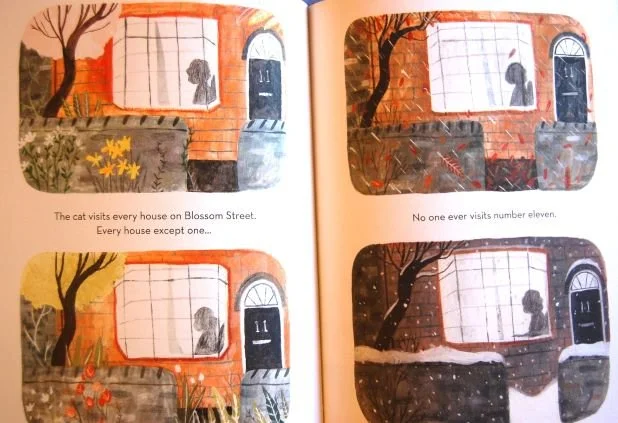
There are many other possibilities for working from this story. The illustrations are seemingly simple, but very effective. Children would enjoy using Archie Snufflekins Oliver Valentine Cupcake Tiberius Cat as a model for their own drawings and then develop their own cat characters. The Blossom Street community would also serve as an excellent model for developing a range of varied and interesting characters for a story in an innovated setting. Perhaps the characters might live in different flats in a tower block, or barges on a canal… The story also lends itself to plenty of role play activities, drama and dressing-up!
It would be great fun to create a board game with Archie Snufflekins Oliver Valentine Cupcake Tiberius Cat as counters moving round Blossom Street. This could be made to explore all sorts of grammar elements or maths concepts, to develop the children's vocabulary etc - or simply for a bit of fun! Creating their own board game is a great way for children to spend a rainy afternoon.
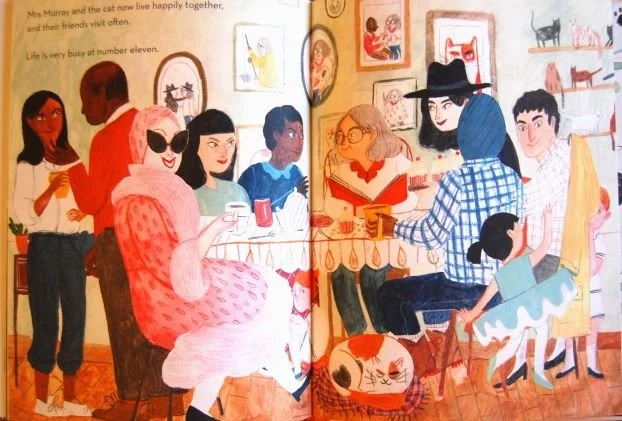
The layout of the latter pages which use speech bubbles could be the starting point for work on punctuating speech and for children to develop cartoon style pieces of their own. There are many ways which writing could come from sharing this story too- both informally and formally: eltters, instructions for how to look after a pet or how to get from one house to another, persuasive writing, story writing, descriptive writing, poetry (great shape poems!)... the list is endless!
Personally, I think Archie Snufflekins Oliver Valentine Cupcake Tiberius Cat would make a fantastic little soft toy. He is a simple enough shape to be cut from felt and hand sewn, making a lovely companion to storytime!
Archie Snufflekins Oliver Valentine Cupcake Tiberius Cat Katie Harnett
Flying Eye Books ISBN: 978-1909263376
Now available in paperback.
The Upside Down Detective Agency
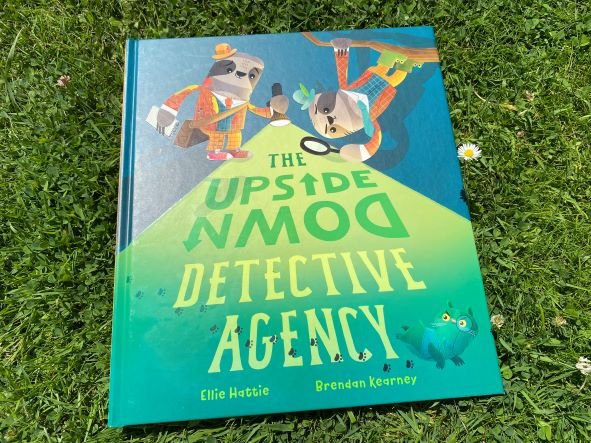
When Lady V arrives at Super Sleuth HQ in need of help, detectives Stella and Stan agree to help her find the diamond warp drive which has been stolen from her super speedy racing car. Can these sleuthing sloths crack the case in time for her to win the race? Maybe- with a little help from the reader!
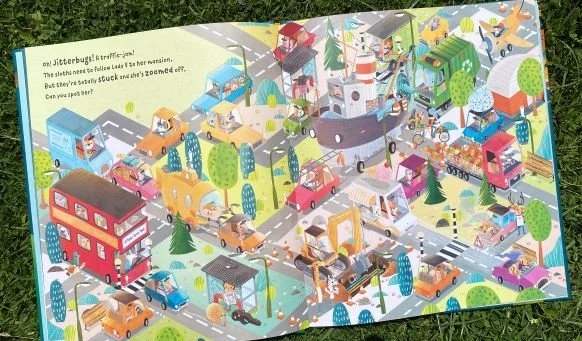
Quite simply- superb! ‘The Upside Down Detective Agency’ is a light-hearted romp of a read which engages children (and adults!) from the very first page. Illustrations and text combine to make a wonderfully immersive read which will be fun to share again and again. The reader has to use their ‘detective’ skills to help super-sleuth sloths, Stella and Stan, solve the mystery of who has stolen Lady Veronica Velocity Speed’s warp drive. Each spread poses a challenge to be solved, encouraging the reader to read/listen carefully to what they need to do and then really focus on the illustrations to locate the clues or solve questions. The first clues help solve which sloth is Stella and which Stan before the mystery ‘proper’ begins.
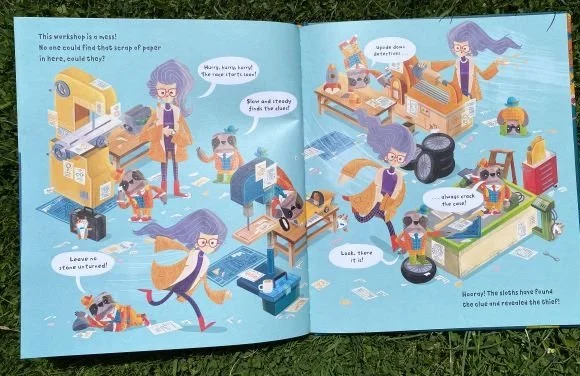
The eagle-eyed will notice clues that are not mentioned in the text - and perhaps identify a suspect before the denouement takes place- and each re-reading will reveal yet more details to share and enjoy. The illustrations are incredible and offer so many opportunities for story telling- and for playing I-Spy type games. Any teacher who has watched children share a ‘Where’s Wally?’ book will recognise this type of game which children frequently generate themselves once they have ‘found’ Wally. The story also lends itself as a starting point for writing further stories about Stella and Stan and the crimes they solve. A new crime is committed on the last page of the book which could be used as the basis for creating a new story (I hope the author/ illustrator are already working on this!)- perhaps written and illustrated by older children for younger ones.
The sloths love of cake also means that making sloth cup cakes or biscuits to enjoy whilst sharing the story would be a must in my house or classroom! The book would make an excellent text to use for a Book Group or Story Party session as it is perfect for inspiring art work and games as well as being a brilliant read! I really hope there are more crimes to solve for The Upside Down Detective Agency coming soon!
The Upside Down Detective Agency
Ellie Hattie, illustrated by Brendan Kearney
Little Tiger ISBN: 978-1801041621
Alte Zachen (Old Things)
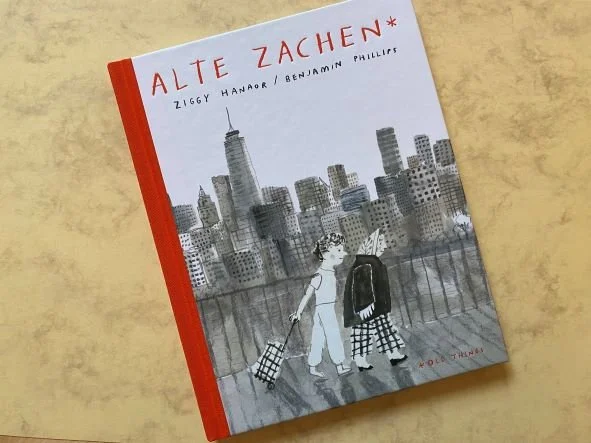
Benji and his grandmother, Bubbe Rosa, go shopping together for the ingredients for their Friday night dinner. As they wander through Brooklyn and Manhattan, Bubbe is often confused as the world around her does not match with her memories, leaving her feeling alienated and angry.
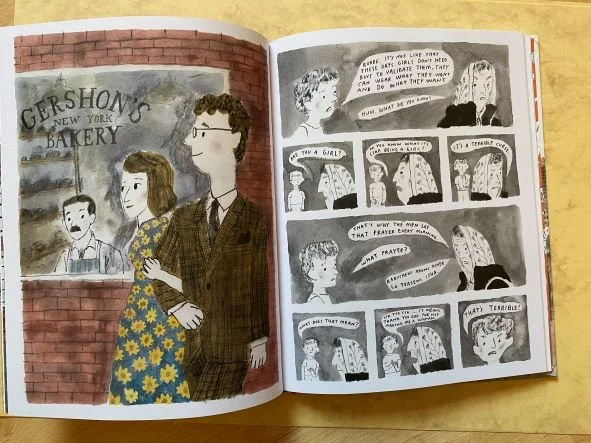
This is a very powerful and moving graphic novel. As grandmother and grandson walk through the city, the reader catches glimpses of Bubbe Rosa’s youth. Presented in colour, these flashbacks are triggered by sights and sounds from the present, giving the reader an insight into events that have shaped her life and personality. A group of children they pass spark her memories of school and callously being sent home with the other Jewish children, a tattooed stranger brings a vision of many arms bearing tattooed numbers and a dirty train, the memory of travelling on the red velvet seats with her mother and sister. Although puzzled by her reactions, her grandson supports and guides her.
Bubbe Rosa’s memories also drift to her relationships- with Gershon who was a baker and then Joe, Benji’s grandfather. Her memories of Gershon seem to be tinged with regret and at the end of the story, Rosa finds her way to his bakery where the two are reunited once more. Benji and his Bubbe then head for home to share their Friday night meal, walking in companionable silence.
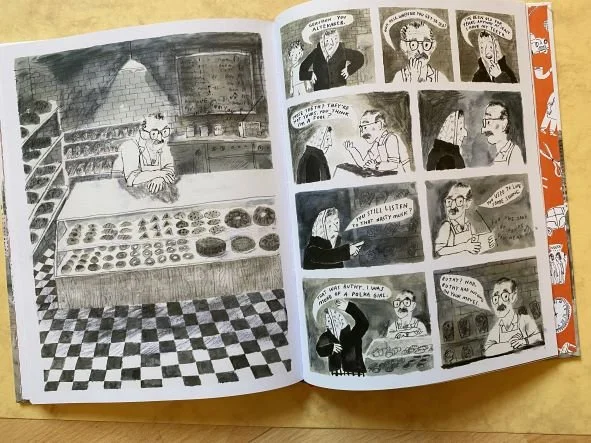
‘Alte Zachen’ would be perfect for sharing with children in KS3 as a starting point for many discussions, including intergenerational relationships and displacement. The story is scattered with Yiddish terms and there is a useful glossary explaining these at the end of the book.
Alte Zachen Ziggy Hanaor, illustrated by Benjamin Phillips
Cicada Books ISBN: 978-1800660229
Originally reviewed for Reading Zone.
The Friendly Mammoth
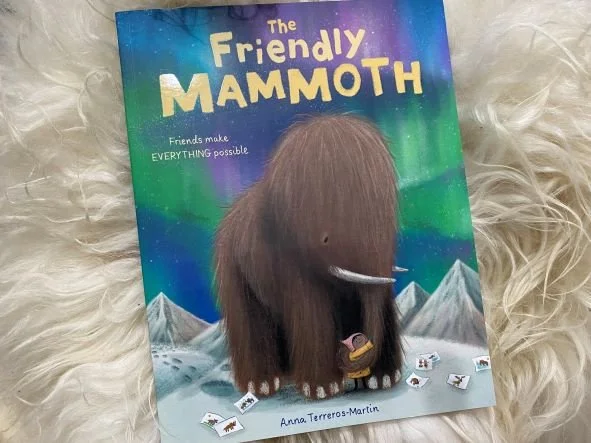
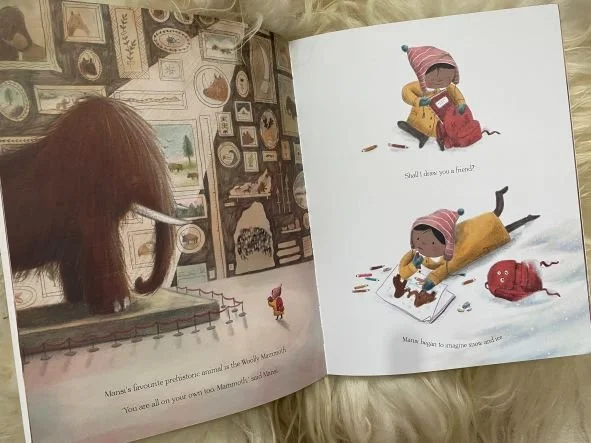
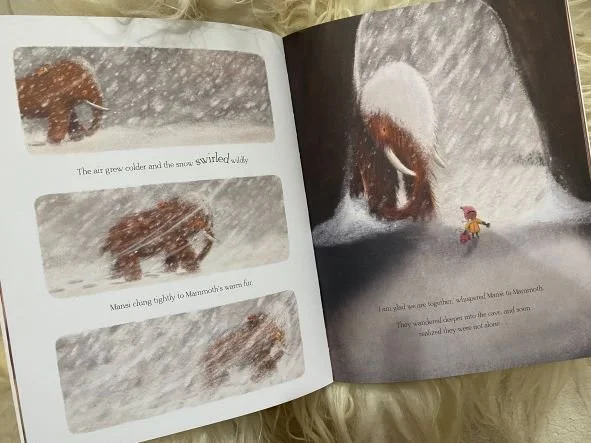
Mansi loves to visit her local museum, but she wishes she had a friend to go with. Noticing that her favourite exhibit, the Woolly Mammoth, is also alone, she decides to draw a friend for him. As she draws, she imagines snow and ice and suddenly realises that she and the mammoth have been taken back in time - to the Ice Age. Here, she meets a little cave girl who also loves to draw and the two quickly become friends. Together, they go on an adventure and meet lots of other creatures from the Ice Age. Mansi suddenly realises she is back in the museum and someone is telling her they like her drawings. No longer shy, Mansi tells this new friend, Benny, all about her adventures and the animals she met which are now extinct. Although they still enjoy a visit to the museum, they take action together to make sure this does not happen to any other creatures.
On the front cover, under the title, it says ‘Friends make EVERYTHING possible’ and this is a gorgeous story celebrating the importance of friendship. However, this is not the only thing to love about this delightful book.
Although shy, Mansi’s love of history, animals and drawing is shared by both the girl from the Ice Age and Benny, the little boy who notices her drawing in the museum, showing how common interests can offer a starting point for discussions and a way into forming friendships. Even though they cannot speak to one another, Mansi and the cave girl communicate through facial expressions and affectionate gestures, allowing them to share their passion for art and interest in animals. Mammoth first prompts Mansi in this direction, offering an excellent starting point for discussions with children who might need support with instigating interactions with others.
The story also raises questions about extinction and Mansi’s encounters with extinct creatures of the past make her reflect on those which are endangered in the present and fill her with the desire to take action to save them. Additional note about these animals, presented as pages of Mansi’s notebook, are included at the end of the story, perfect for initiating further research or sparking interest in this period of history, often studied by children in Year 3 at school. The placards held by those on the protest march attended by Mansi and Benny show many currently endangered creatures, once again offering much to discuss and explore.
With its beautiful depiction of Mansi running up the path to the Natural History Museum at its beginning, the book is also shows the joy and excitement which can be found in this ‘magical place for remembering the past’. I love a good museum and have spent many happy hours with children- both my own and other peoples- exploring the wonders and curiosities they contain.
The illustrations are wonderful with so much to notice and enjoy on every page. ‘The Friendly Mammoth’ would not only make a wonderful bedtime story, but also lends itself to being used in class or as the basis for a book event with lots of activities and fun!
The Friendly Mammoth Anna Terreros-Martin
David Fickling Books ISBN: 978-1788452311
Dave and Greta Make the World Better
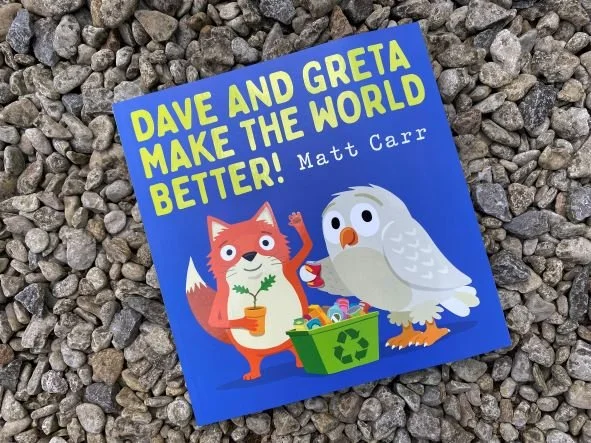
Dave and Greta are best friends and love to play together. However, when watching TV one night, Dave learns about climate change and calls his friend to discuss his worries. The friends agree that they should try to do something to make a difference, but when Dave shares his ideas with all the animals, they laugh at him. Luckily, Greta arrives and explains that little things can make a big difference, resulting in everyone agreeing to do their bit.
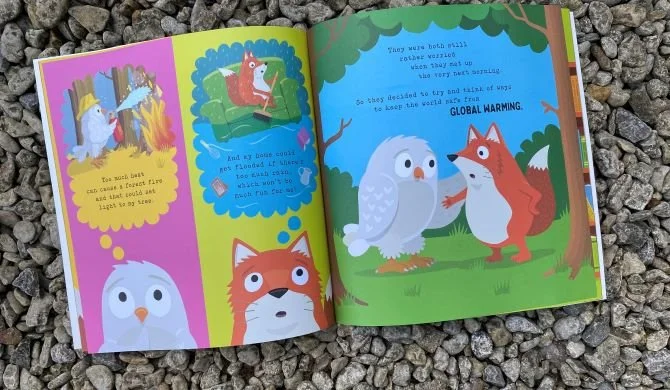
With practical tips for how to help the environment, this is the perfect story for teaching children they are never to small to make a big difference! The book offers plenty of opportunities for discussion from the characters’ names- Dave (I’m guessing a nod to David Attenborough) and Greta (Greta Thunberg)- to threats to wildlife to actions that can be taken for change. Greta’s advice is very reassuring and lends itself to a starting point for actually doing something at home- or school.
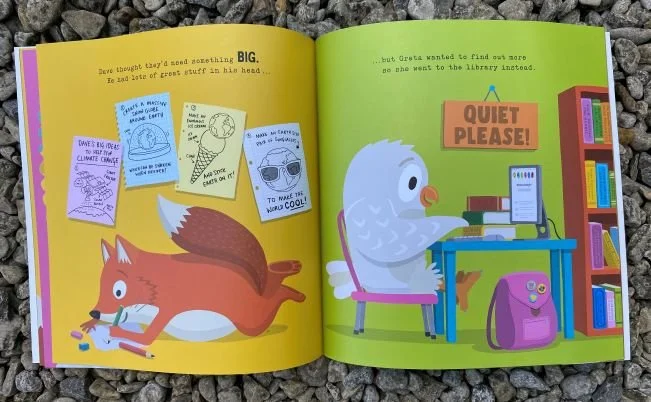
The illustrations are full of fun! Eagle-eyed Matt Carr fans will spot Pat the bat from ‘Superbat’ and Doris the Doctopus from ‘Now Wash Your Hands’ on the badges on Greta’s bag as well as a picture of Pat on reused paper. I love the fact that whilst Dave is shown as a fox of action, Greta takes her time, heading for the library to research on ‘Owlgle’, valuing the different ways people approach things!
Perfect for teaching young ones about environmental issues in an accessible and reassuring way.
Dave and Greta Make the World Better! Matt Carr
Scholastic ISBN: 978-0702316067
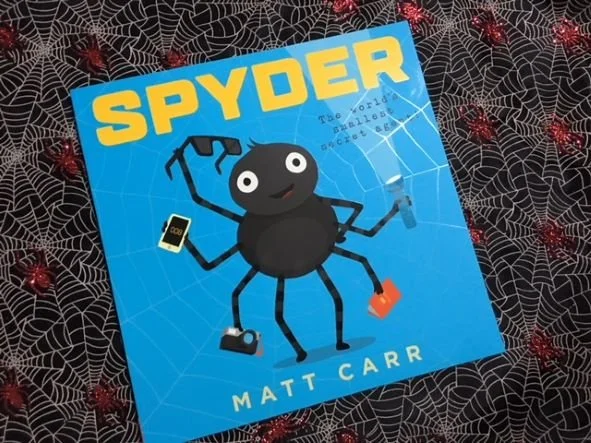
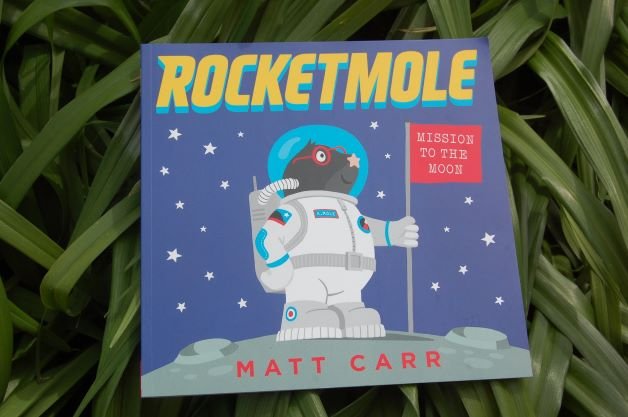
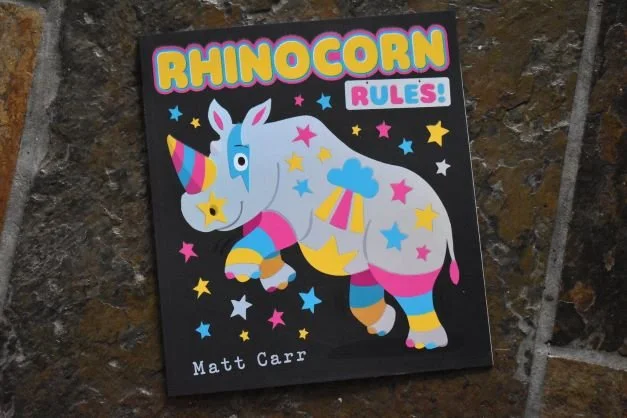
You can read my review of ‘Spyder’ here, ‘Rocket Mole’ here and ‘Rhinocorn Rules!’ here.
Our Table
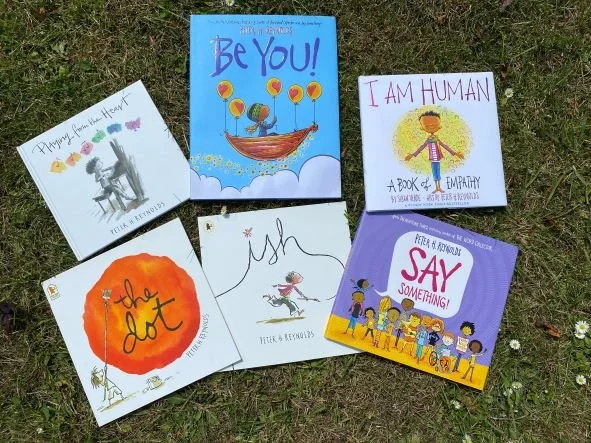
International Dot Day is an annual event in any school I teach in and I have loved Peter H Reynolds’ books since I first encountered ‘The Dot’ way back when! Since then, I have eagerly looked out for his new titles, keen to get them into class and share them with children. Inspiring, often poignant and always brilliantly illustrated, his books are a key feature in my book corner and school library.
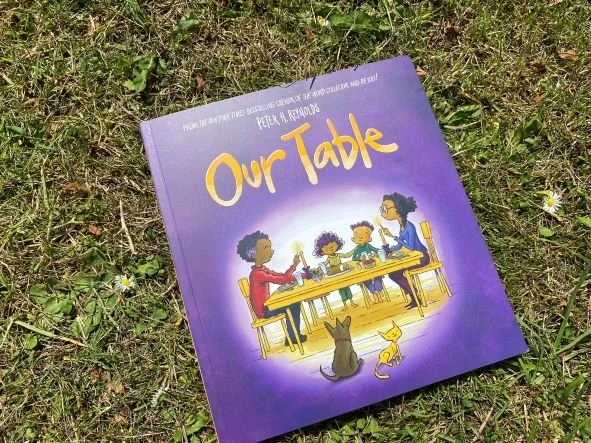
‘Our Table’ is a heart-warming story about the importance of family. Once, the table was at the heart of Violet’s home- a place where the family gathered and memories were made. But recently, everyone has been busy and Violet often finds herself alone at the table. One day, she notices the table is smaller- and smaller- until by the end of the week, it has disappeared altogether. Violet knows she must take action to put things right again.
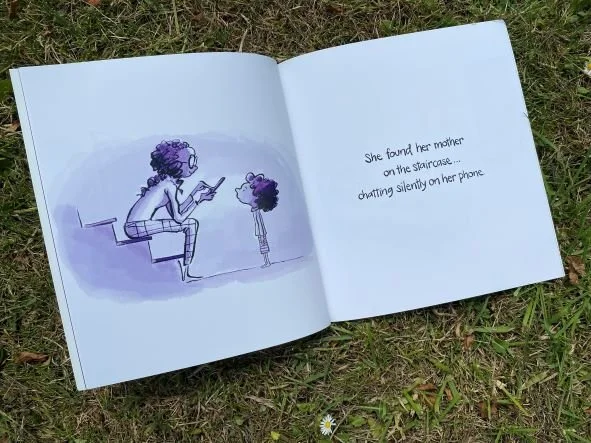
As Violet appeals to her family for help, she draws them all back together as they once more share experiences and spend time together, connecting as a family should. The illustrations are so evocative of the emotions she experiences. As he family drifts apart and she feels lonely, shades of purple (or violet!) are used to capture the weight of her feelings whilst her joyful memories are in full colour, vividly standing out against the white of the page. Once her family reconnects, jubilant colour returns once more, even spilling over onto the end papers. The final picture is a complete joy as the family gathers round the table once more, sharing their meal, laughing and enjoying being together. Mum is even sneaking food to the dog under the table!
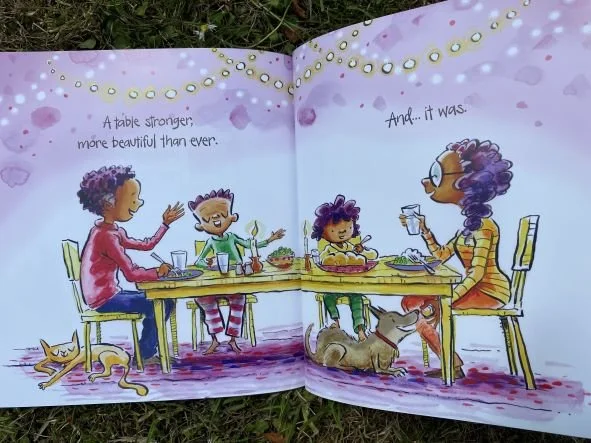
The text is simple and to the point, allowing children to reflect on the pictures and consider what the characters might me thinking/ feeling at various points, encouraging them to empathise, and perhaps identify, with Violet as her family are engaging more with the screens in their lives than with each other.
One to treasure!
Our Table Peter H Reynolds
Scholastic ISBN: 978-0702313738
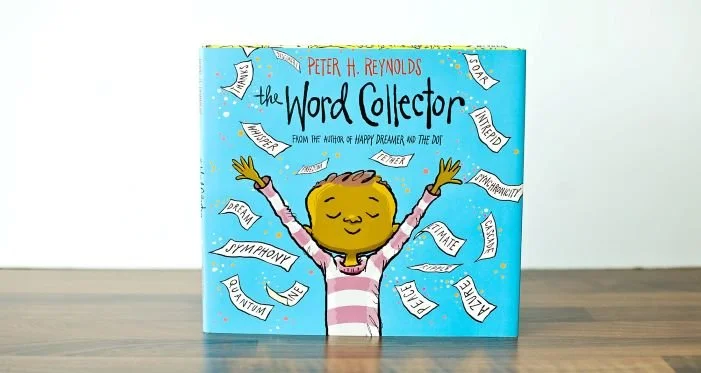
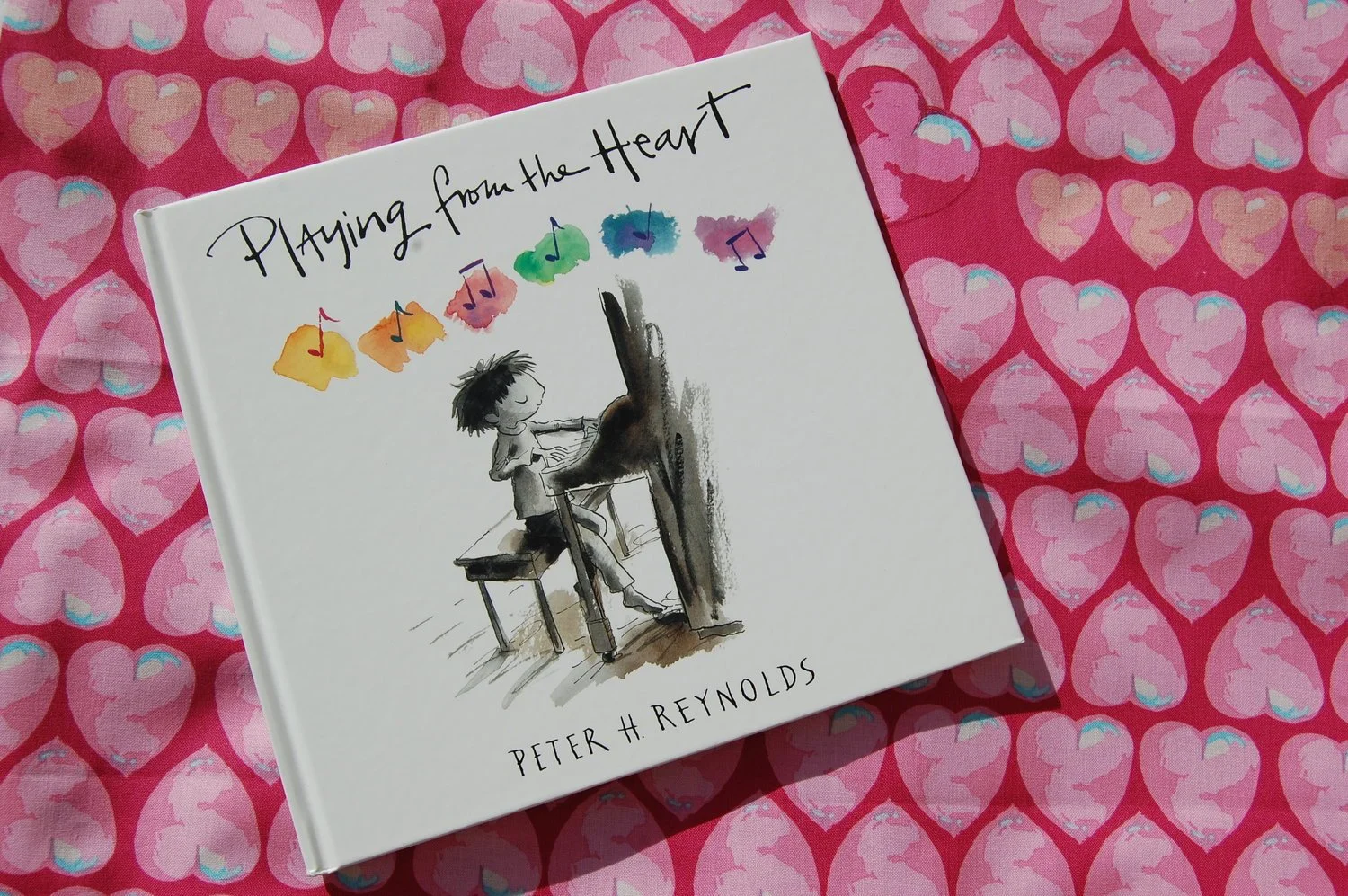
You can read my review of ‘The Word Collector’ here and ‘Playing from the Heart’ here.
The Perfect Rock
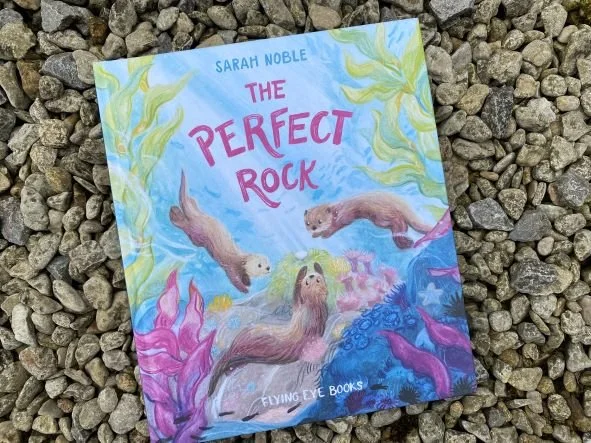
Three young otters, Ollie, Bea and Ula, do everything together whether playing, eating or sleeping. But they know that every otter must find the perfect rock, perfect for cracking the hardest shells whilst smooth enough to hold. Together, they search until at last they find… the perfect rock…but there is just one rock and three young otters. What will they do?
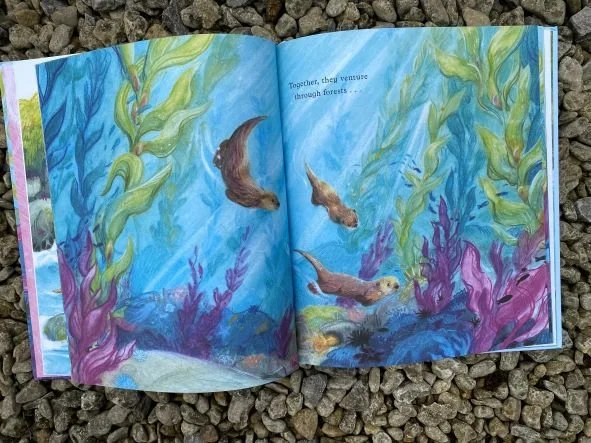
Playful and heart-warming, ‘The Perfect Rock’ is a delightful story about family and home. Siblings Ollie, Bea and Ula do everything together, but like most families, they can squabble. However, when it matters, their love unites them and they offer each other support and comfort. They soon realise that the ‘perfect rock’ is the one which they all live on, safe together with the ones that they love. The story offers a cosy bedtime read and is the perfect starting point for discussions about sharing.
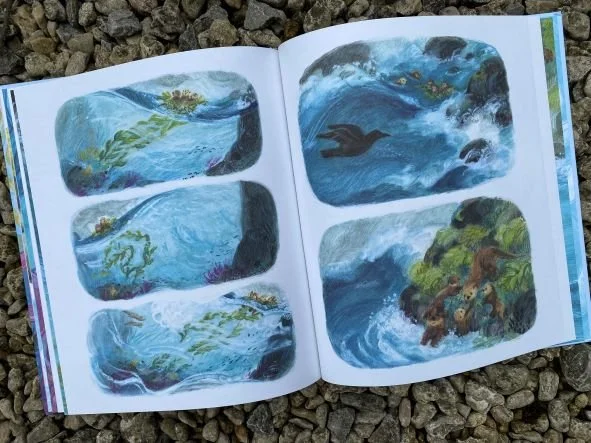
The illustrations are just stunning! The otters are beautifully portrayed, full of character, with wonderfully expressive faces. Gorgeous colours bring their world to life and the pictures are sure to encourage curious youngsters to find out more about the habits and lifestyle of these fascinating creatures. This could link to work from the KS1 science curriculum about living things and their habitats. Children might also enjoy creating their own watery backgrounds using marbling, bubble printing, watercolour washes or sponge printing and learning how to draw a simple otter of their own.
Sure to become a firm favourite, ‘The Perfect Rock’ would make a delightful bedtime story or class story share.
The Perfect Rock Sarah Noble
Flying Eye Books ISBN: 978-1838740511
Published 23rd June 2022