
Bridgwater
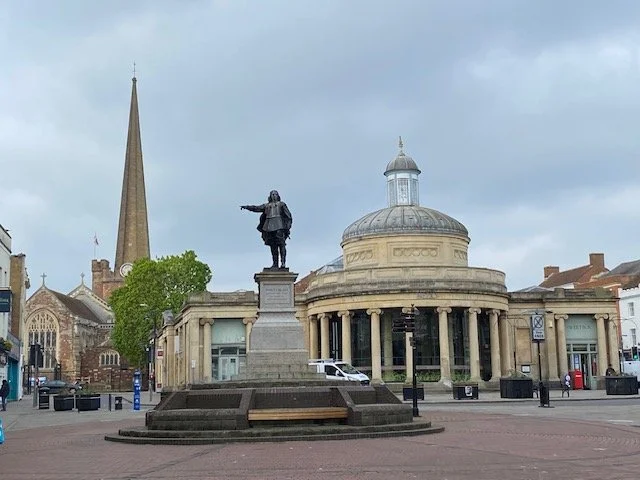
Bridgwater is a town in Somerset which is rich in history. However, visitors today might be disappointed with its rundown appearance and many closed shops. But, as with many places, the past can be found by those determined to look for it.
Mentioned in both the Doomsday Book and the Anglo-Saxon Chronicle, Bridgwater was granted three charters by King John in 1200: one for the construction of Bridgwater Castle, one for the creation of a borough, and one for a market. The Castle was a magnificent structure and the town also had the Friary, a Franciscan monastery.
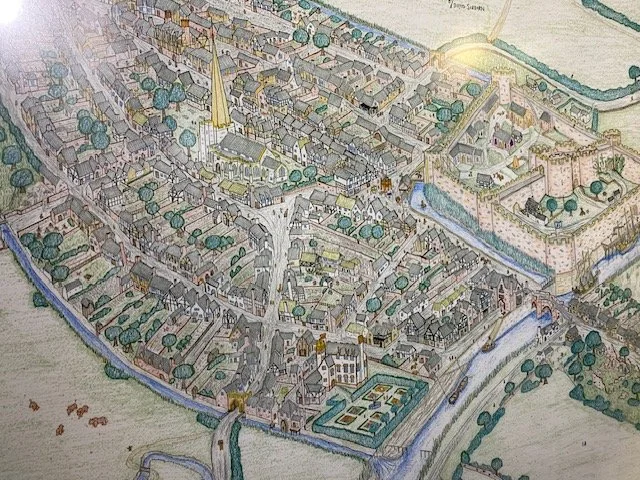
The town grew with a maritime trade, ship building, a thriving brick and tile industry, markets and a fair (surviving today) along with the annual carnival. Experiencing the Civil War first hand saw the downfall of the Castle, and later, the town suffered after the Monmouth Rebellion when many townsfolk rallied to the Duke’s call, only to suffer death or transportation at the Bloody Assizes.
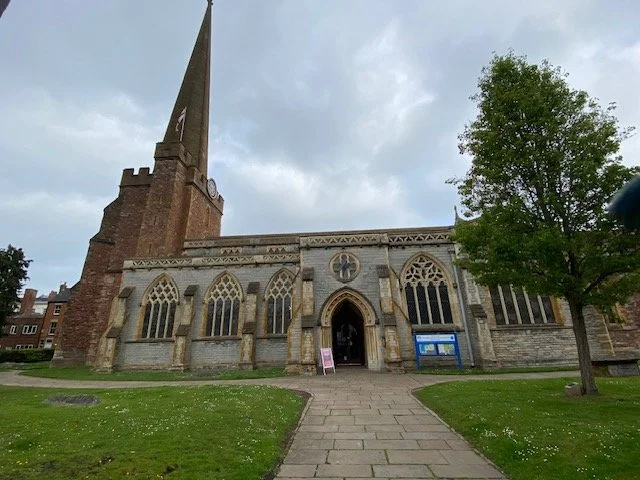
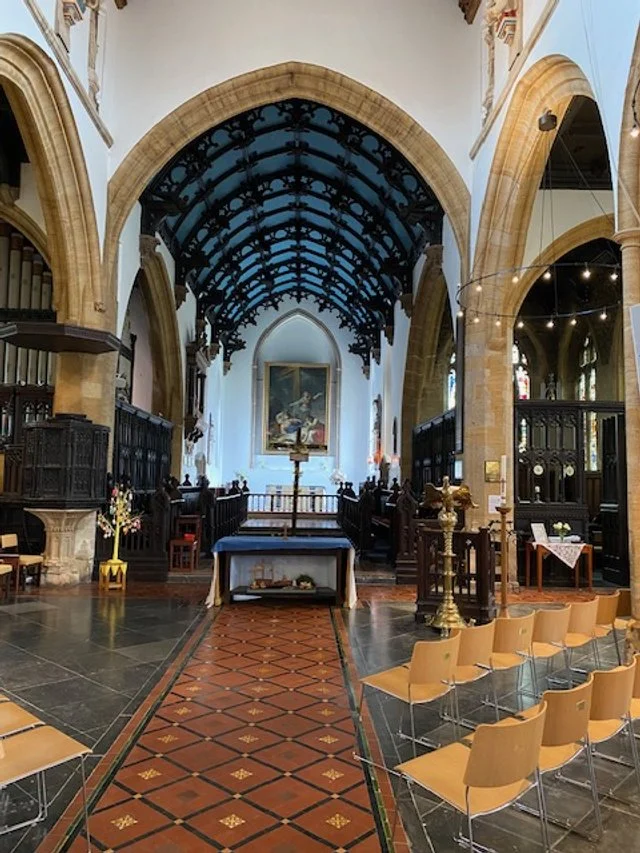
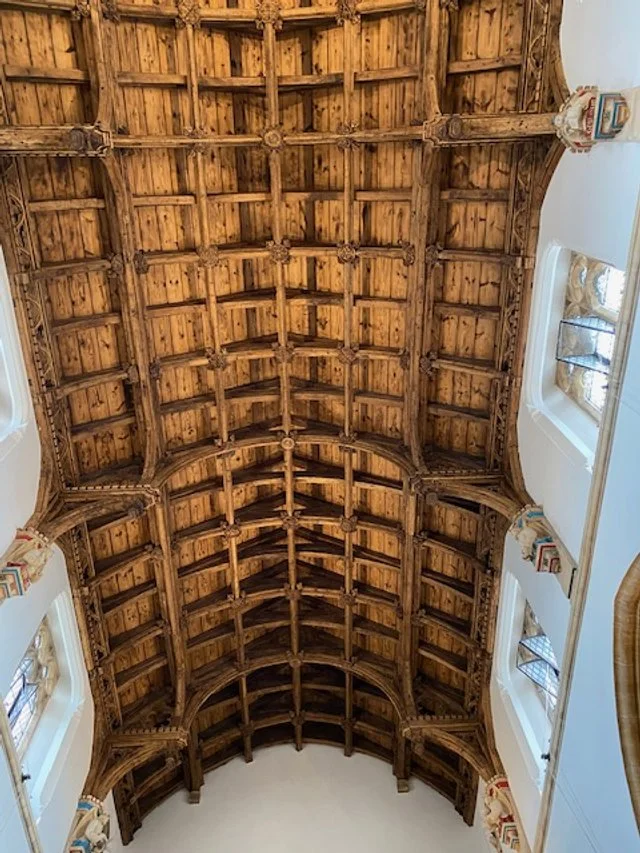
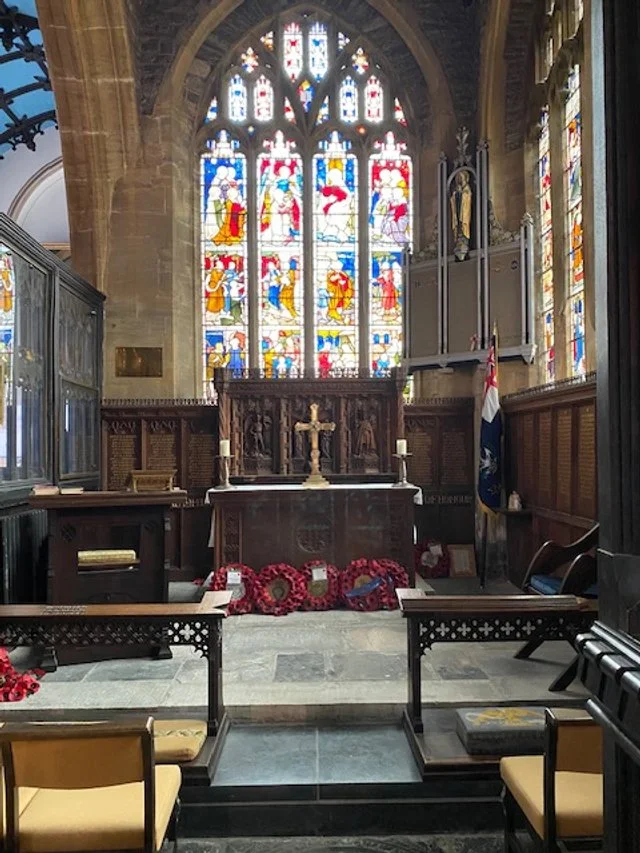
As I arrived before most things were open, I headed for St Mary’s Church, a wonderful building, the oldest in the town, from whose tower the Duke of Monmouth surveyed the King’s troops’ encampment at Westonzoyland in 1685. This ancient church is a lovely space and was full of the most friendly people, who seemed to be preparing to welcome everyone and anyone to their cafe. With so much unpleasantness around at the moment, it was nice to be reminded that there are good people in the world!
From here, I headed to the Blake Museum. Located in the 16th century house which Robert Blake is said to have been born in in 1598, the museum is packed full of local treasures. The son of a prosperous Bridgwater merchant, Blake became Member of Parliament for Bridgwater in 1640. Having joined the Parliamentarians against King Charles I during the Civil War, he became Cromwell’s General-at-Sea and was such a success that he was given a state funeral and is buried at Westminster Abbey. However, after the Restoration of the Monarchy, Charles II had him and others disinterred and reburied in an unmarked common grave in St. Margaret's Churchyard, Westminster.
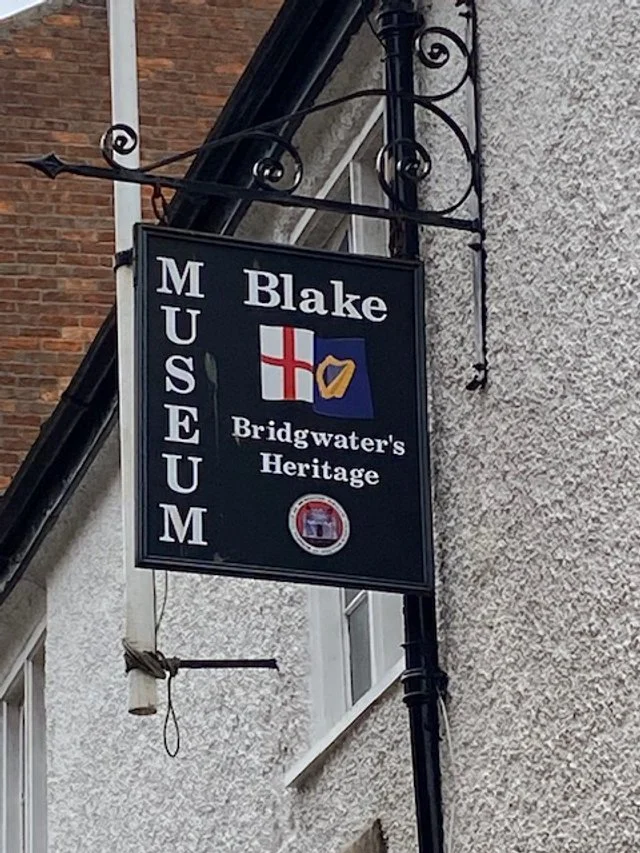
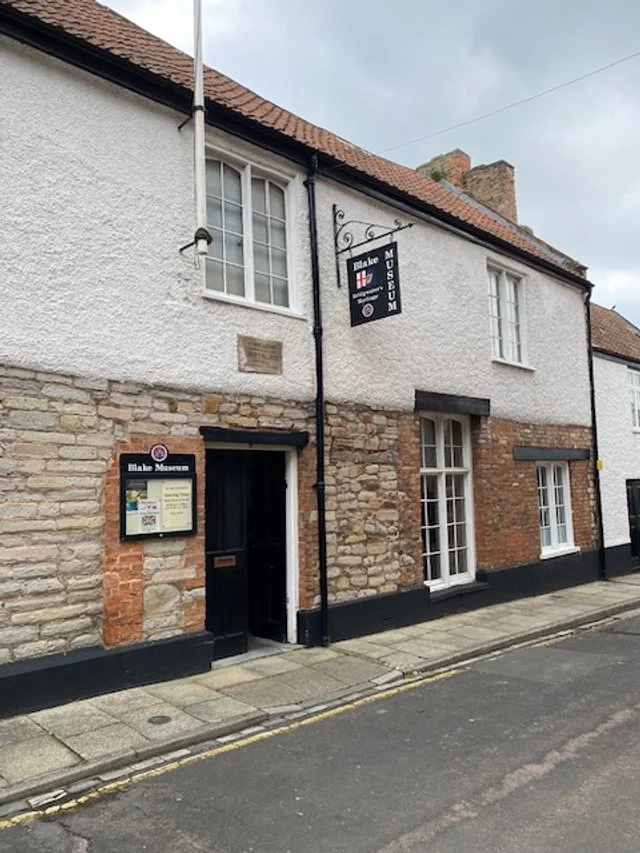
The museum is located in Blake Street and has seven exhibition rooms on two floors. As you enter, you are greeted by very enthusiastic and knowledgeable volunteers, who welcome you to the museum. On the ground floor, to the left of the entrance the Blake Room tells you all about Robert Blake, credited with being the founder of the modern navy whilst the door to the right leads to the exhibition room whose contents change throughout the year, and through to the Bridgwater Room, which is full of information about and remains from the town’s past.
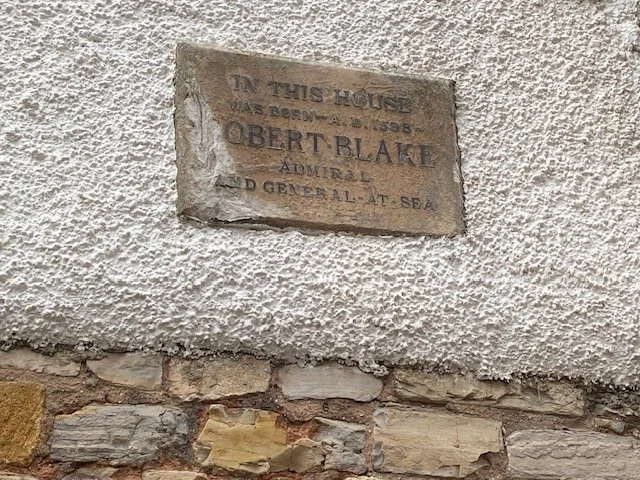
Upstairs, a further four rooms are full of information. The Bygones Room looks at Bridgwater’s industrial past whilst The Transport Room reflects on the role of the town’s port. The Battle Room covers Bridgwater’s involvement in conflict from the time of King Alfred, including the Battle of Sedgemoor and the Civil War. The Archaeology Room contains a wealth of artefacts, including the restored Spaxton Roman mosaic. Photography is not allowed at the museum which is free to enter and well worth a visit. Blake’s statue stands at the top of Fore Street.
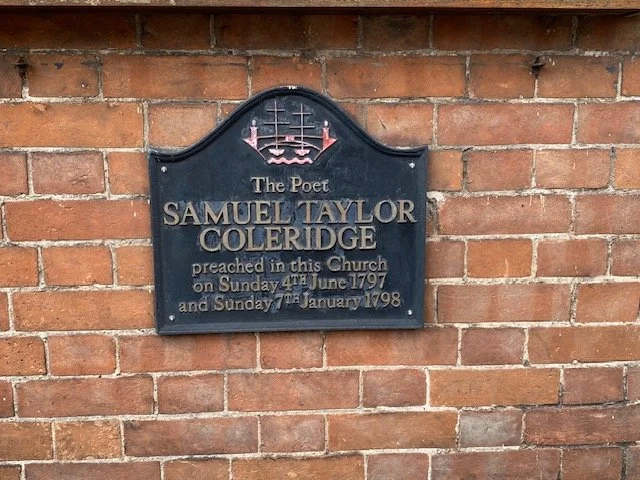
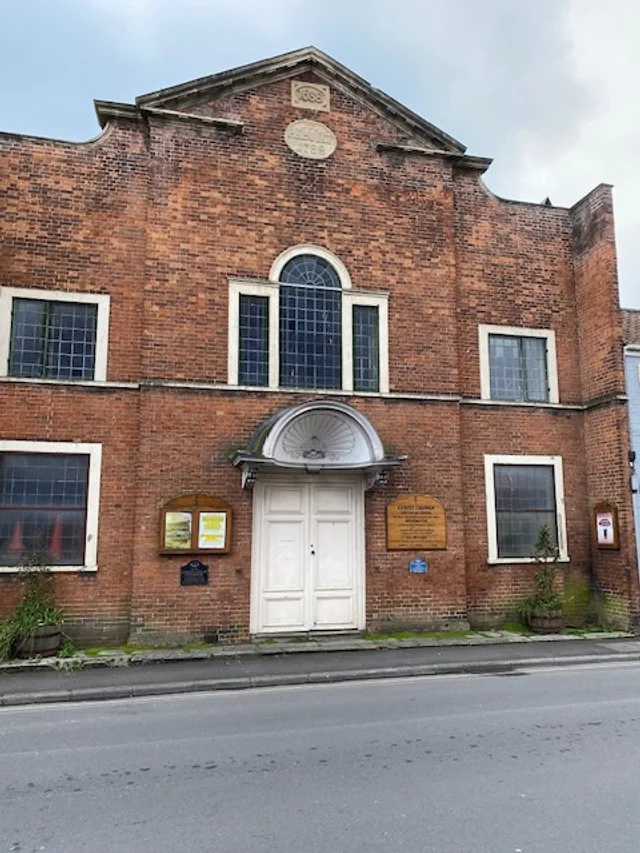
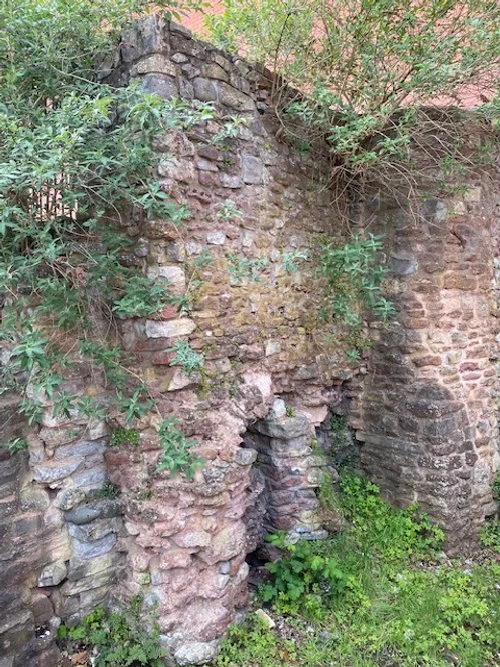
There are a number of plaques around the town to highlight significant places and events, including this one about Coleridge. I also managed to find the last remnants of Bridgwater Castle, a very sad reminder of what was once an imposing building!
Blake Museum
5 Blake Street,
Bridgwater,
Somerset
TA6 3NB