Pickering Castle
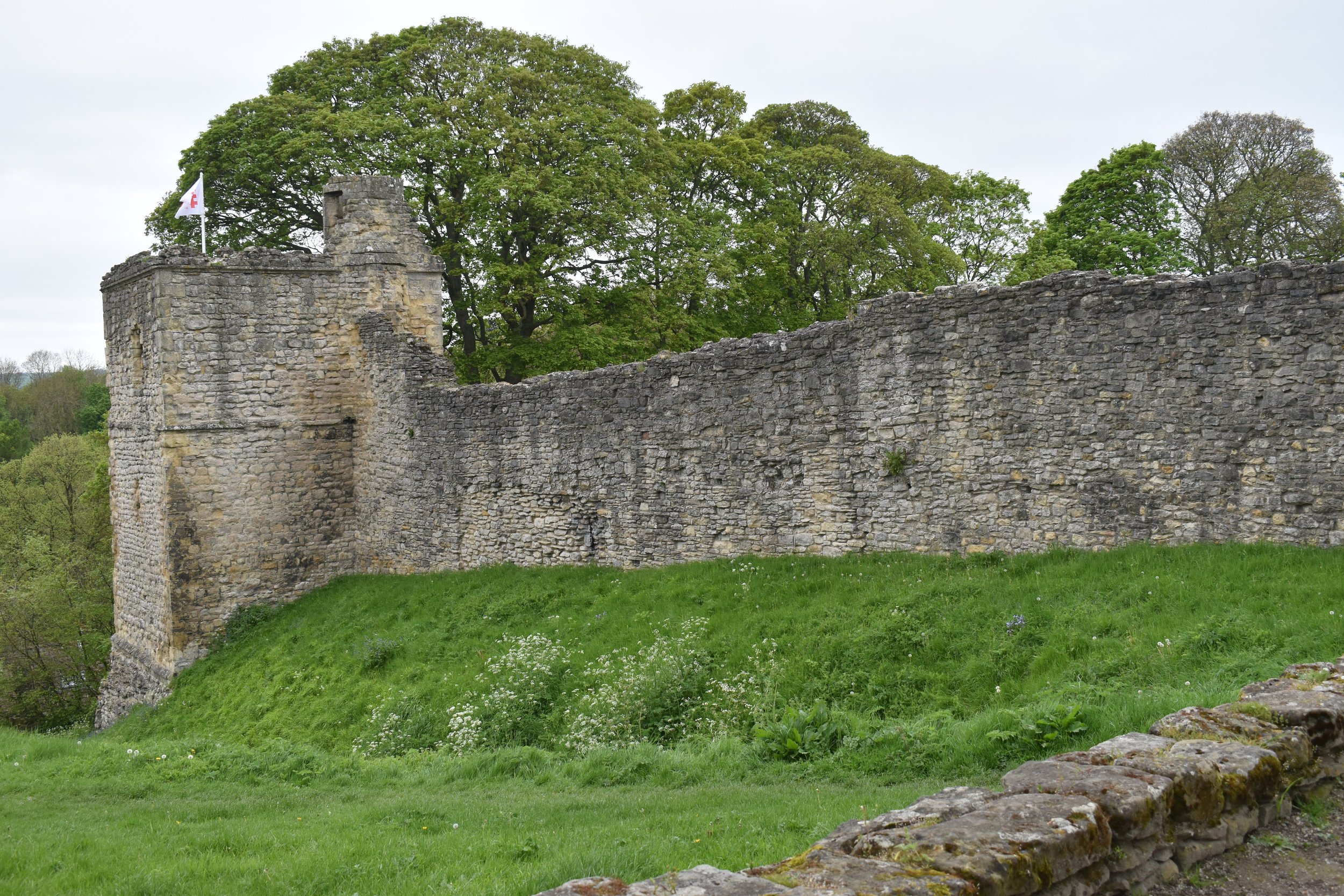
Pickering Castle can be found on the edge of the market town of that name in North Yorkshire. The picturesque town is home one of the country’s most iconic steam railways and the church of St Peter and St Paul has some magnificent mediaeval wall paintings, showing a variety of religious scenes, including the martyrdom of Thomas Becket.
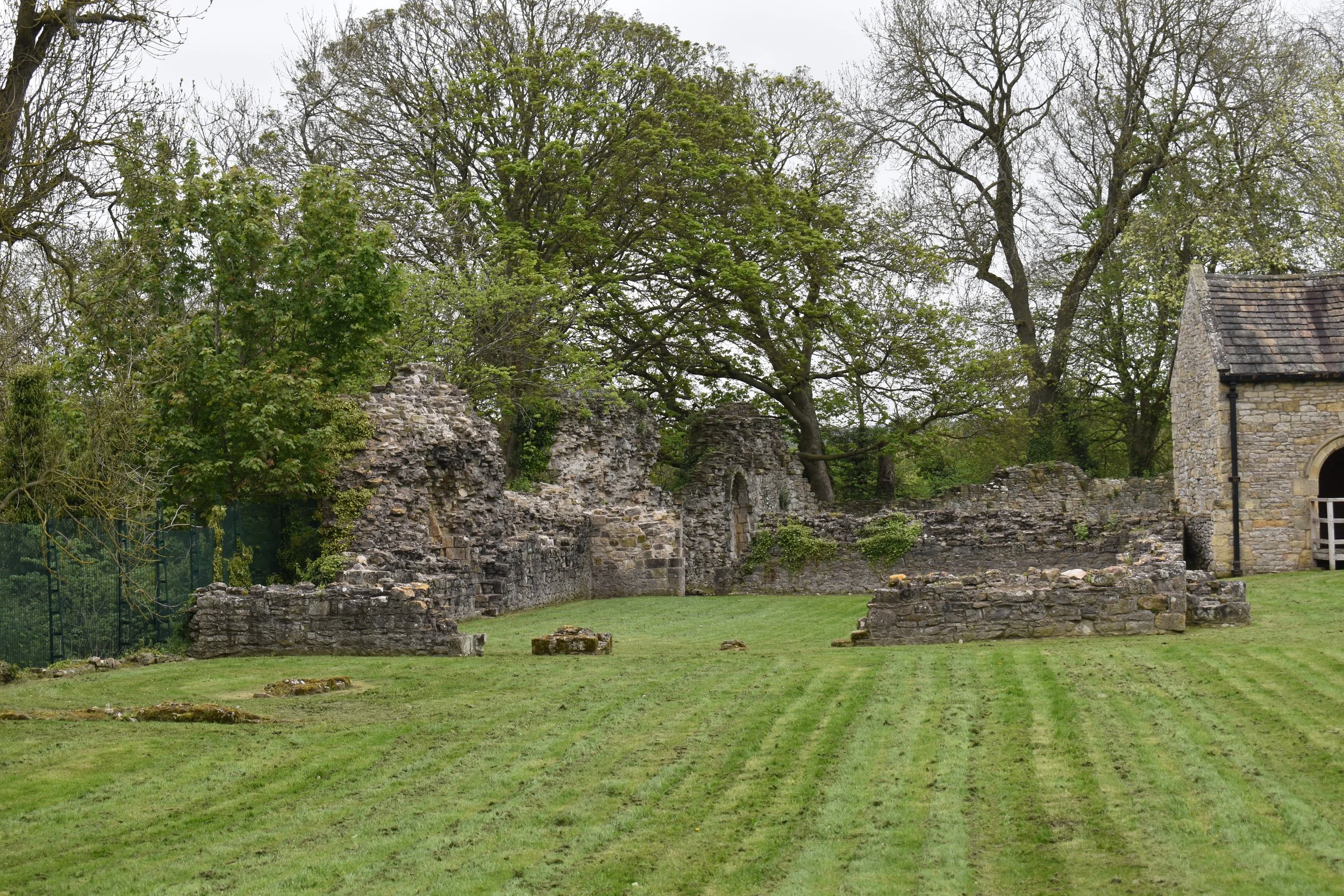

William the Conqueror crushed the north when it rebelled against him, leaving the land devastated for generations. To ensure the north stayed under control, he established strongly fortified castles throughout the region and Pickering Castle was one of these, erected on a hilltop site overlooking Pickering Brook, on the main route between Helmsley and Scarborough on the coast.
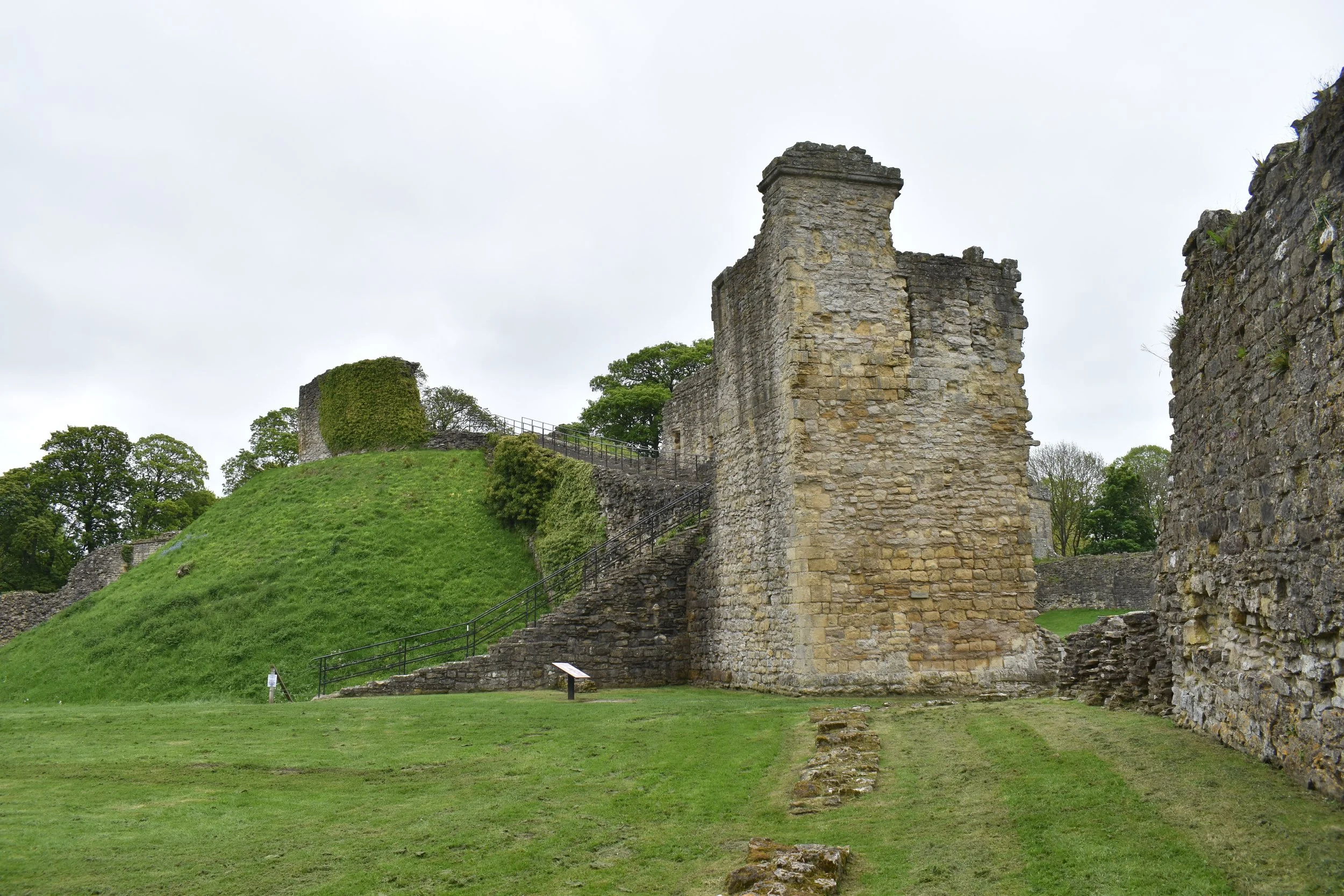
Rebuilt in stone, beginning around 1180, during the reign of Henry II, the inner bailey palisade was replaced with a stone curtain wall. Various kings added to it over the years and Richard II was held prisoner at Pickering Castle in 1399 until he was taken to Pontefract Castle, where he would meet his end.
Largely unaffected during the Wars of the Roses, the castle was held for King Charles I during the Civil War and was breached on the west side and the towers were stripped to improve the defences of Scarborough Castle. At that time, the only serviceable building at the Castle was the Mill Tower, used as a prison, and the chapel, which served as a courthouse. The castle was sold off by Cromwell’s government. Although it was returned to the Crown on the restoration of Charles II, the castle was passed into the care of the government in 1926. Now looked after by English Heritage, the castle is a great place to explore.
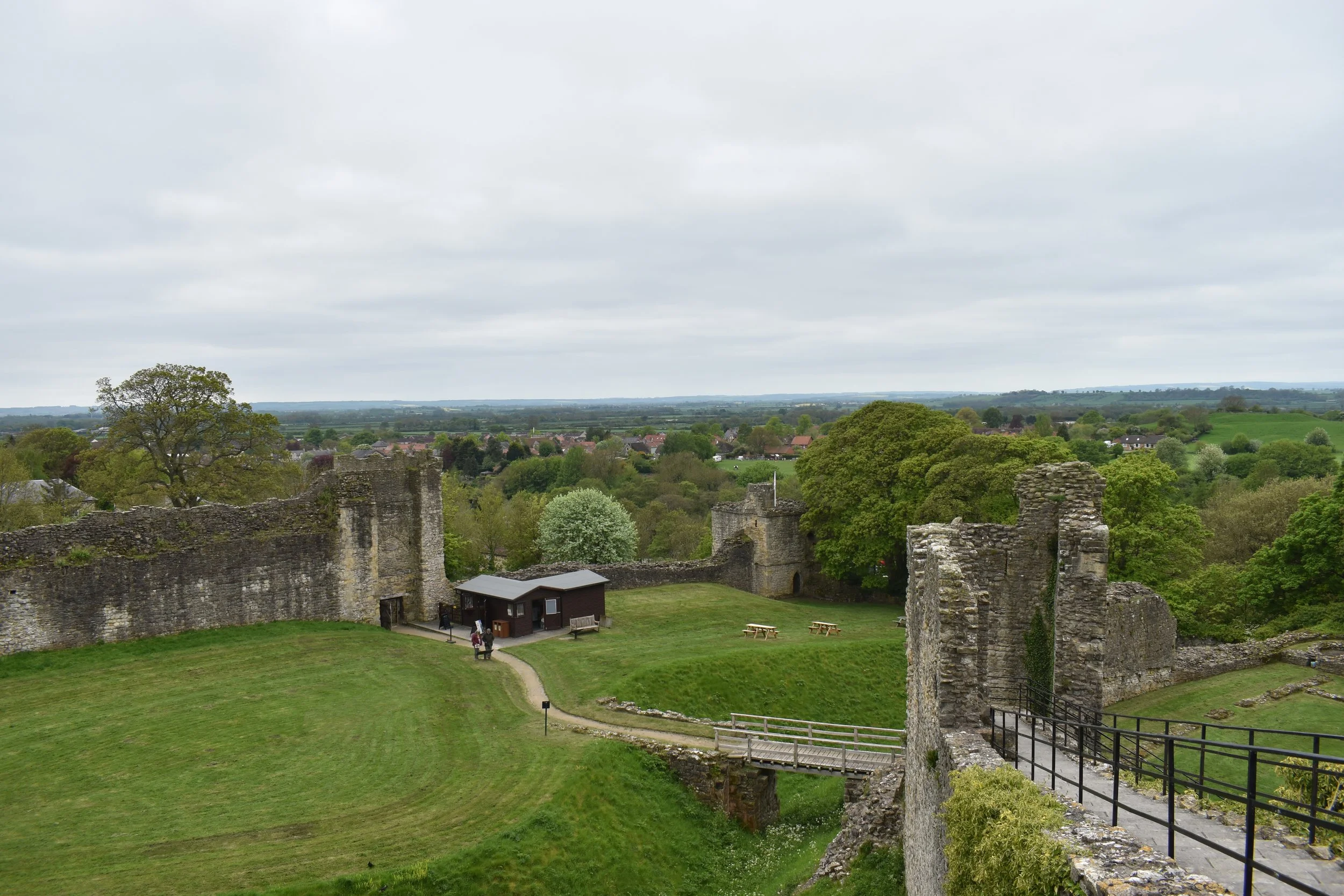
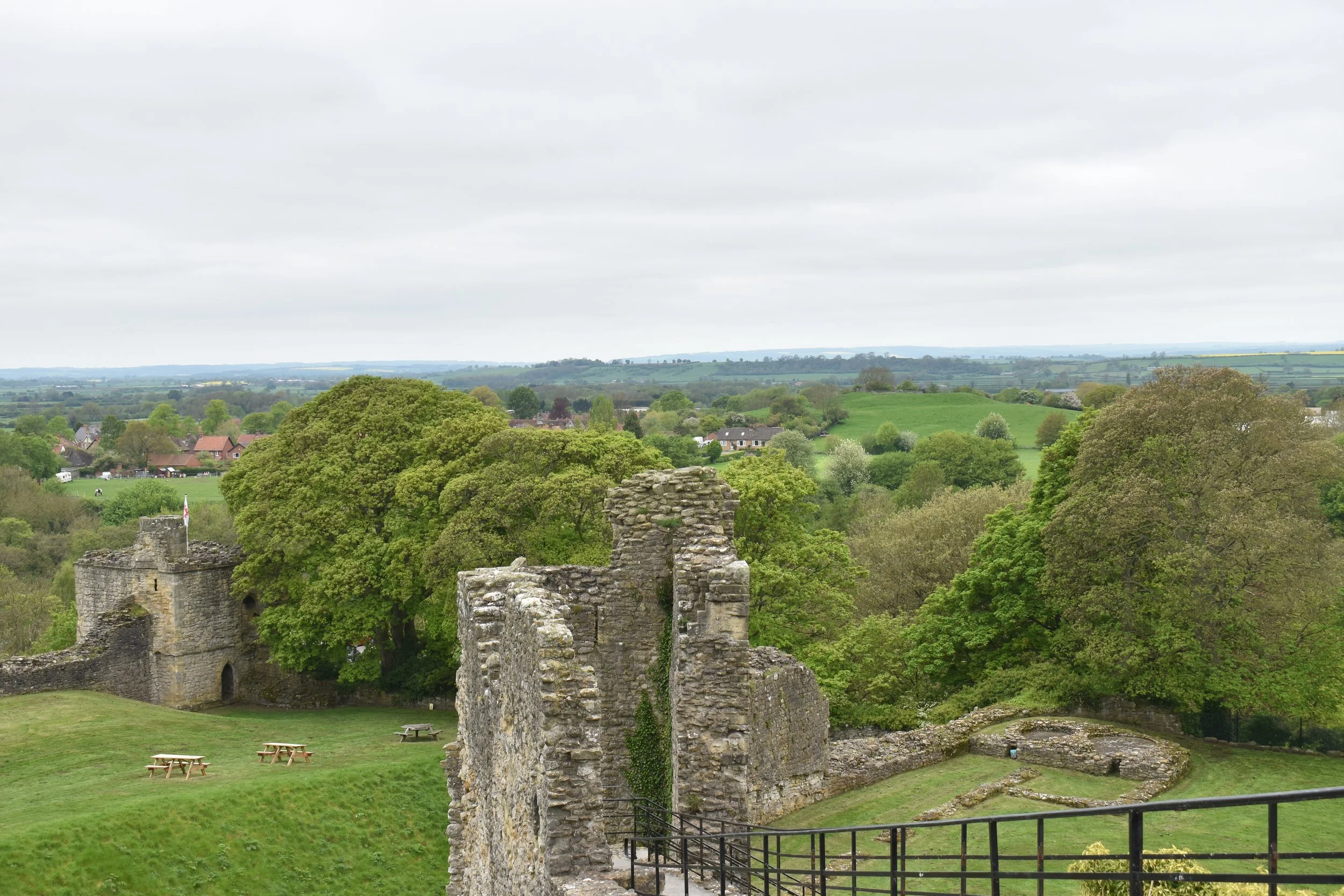
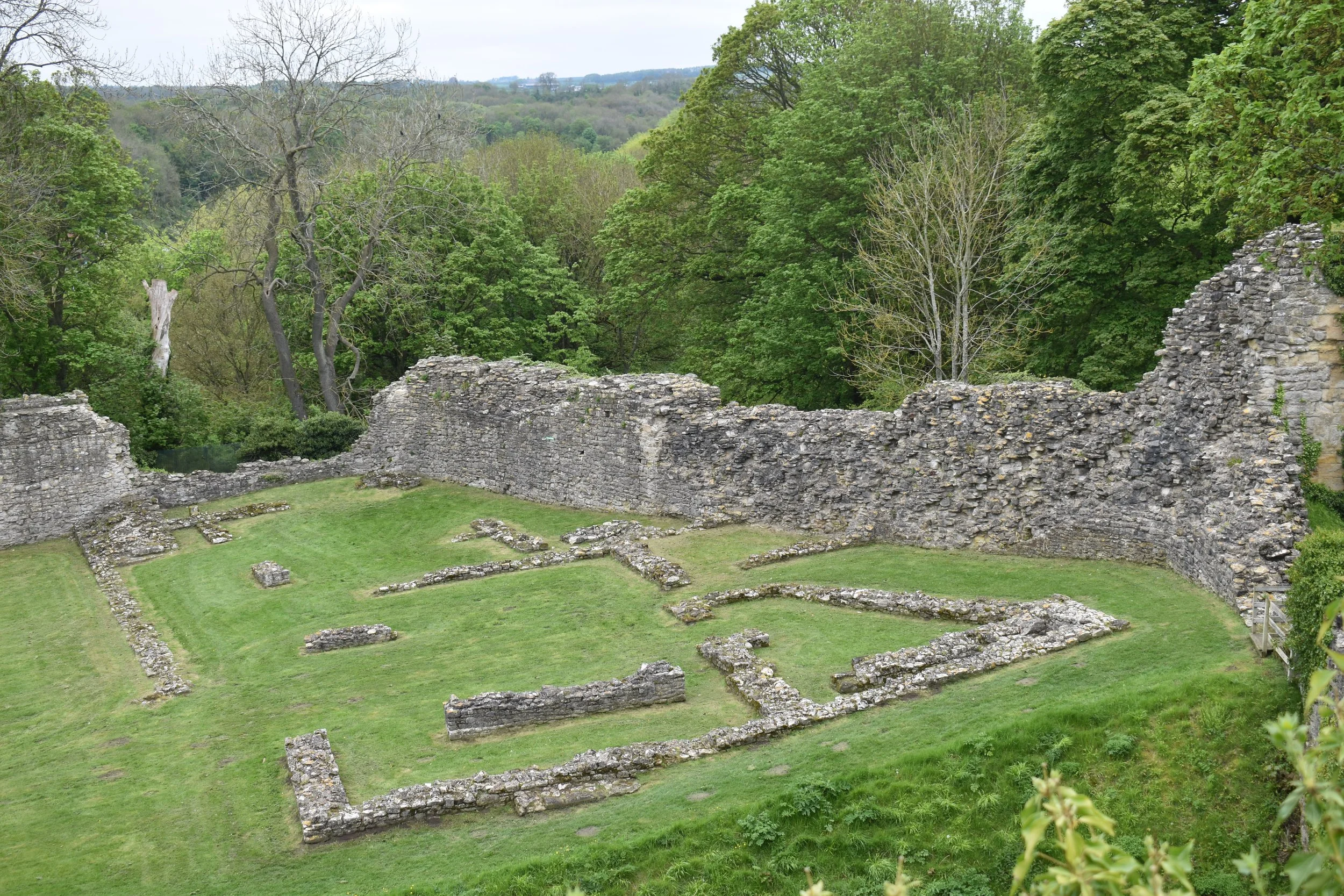
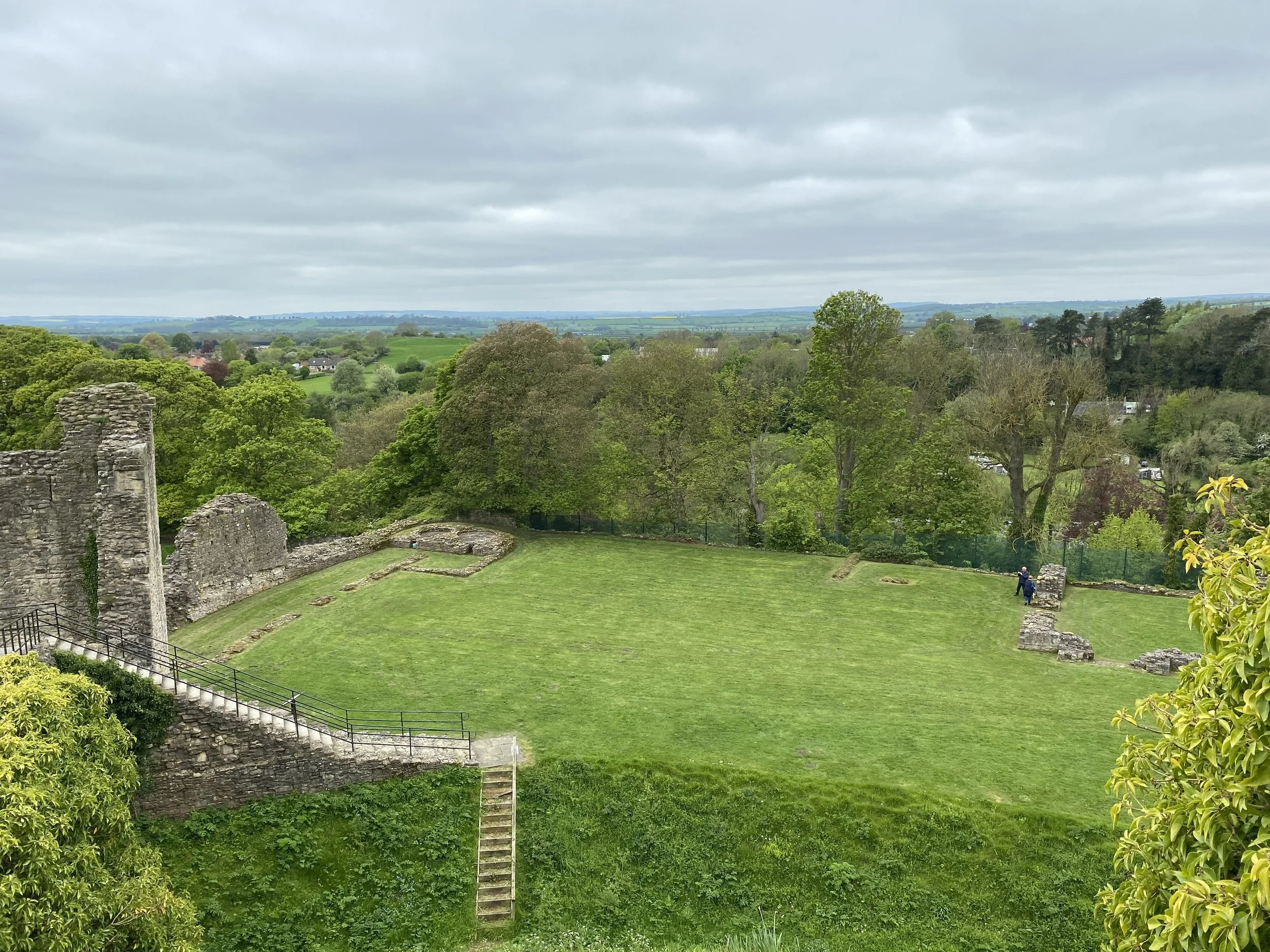
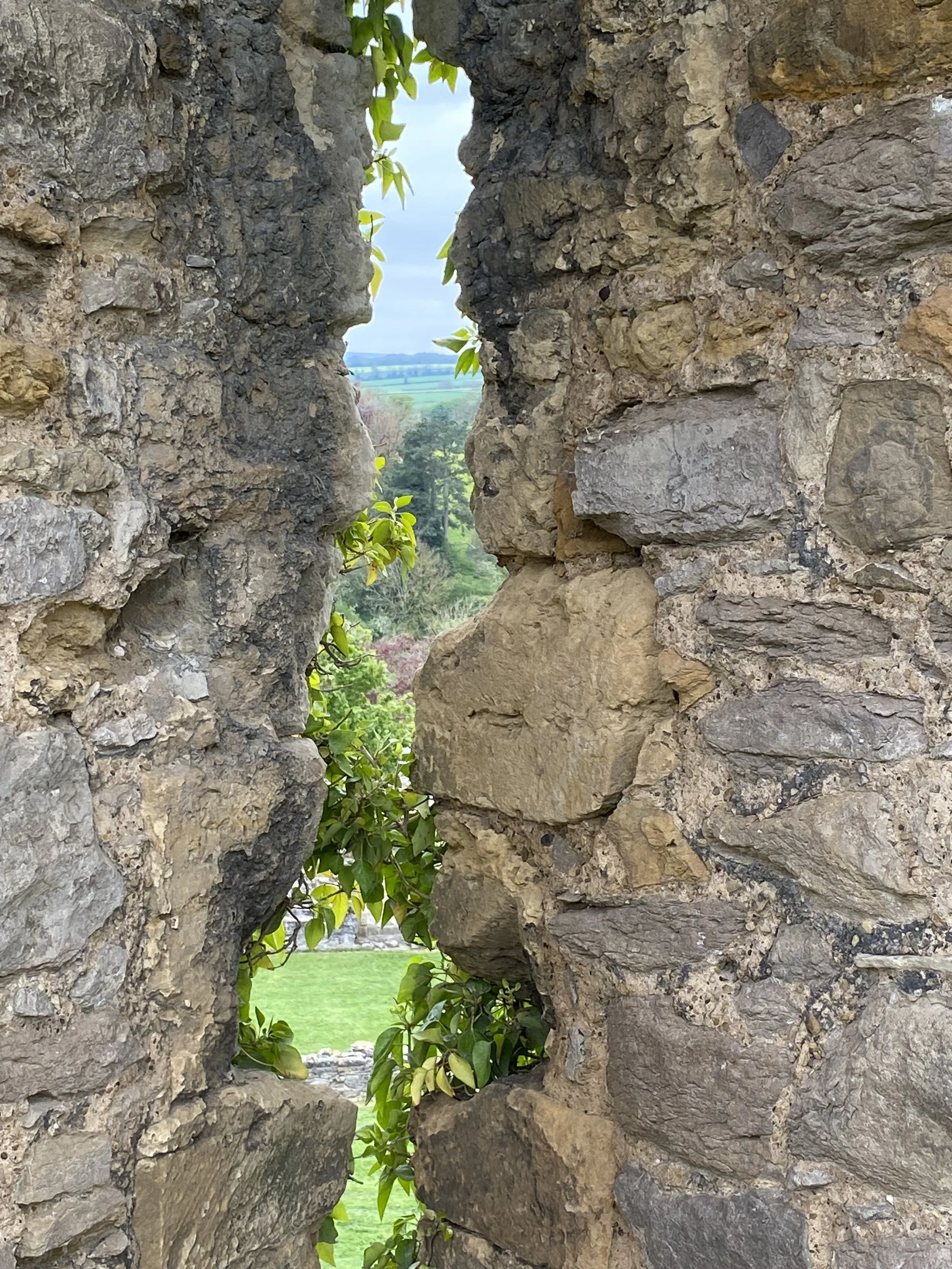
Now an enchanting ruin surrounded by woodland, the castle is said is said to be haunted by several ghosts, including a robed monk. However, we saw no sign of anything creepy as we wandered round, exploring the towers and enjoying the views.
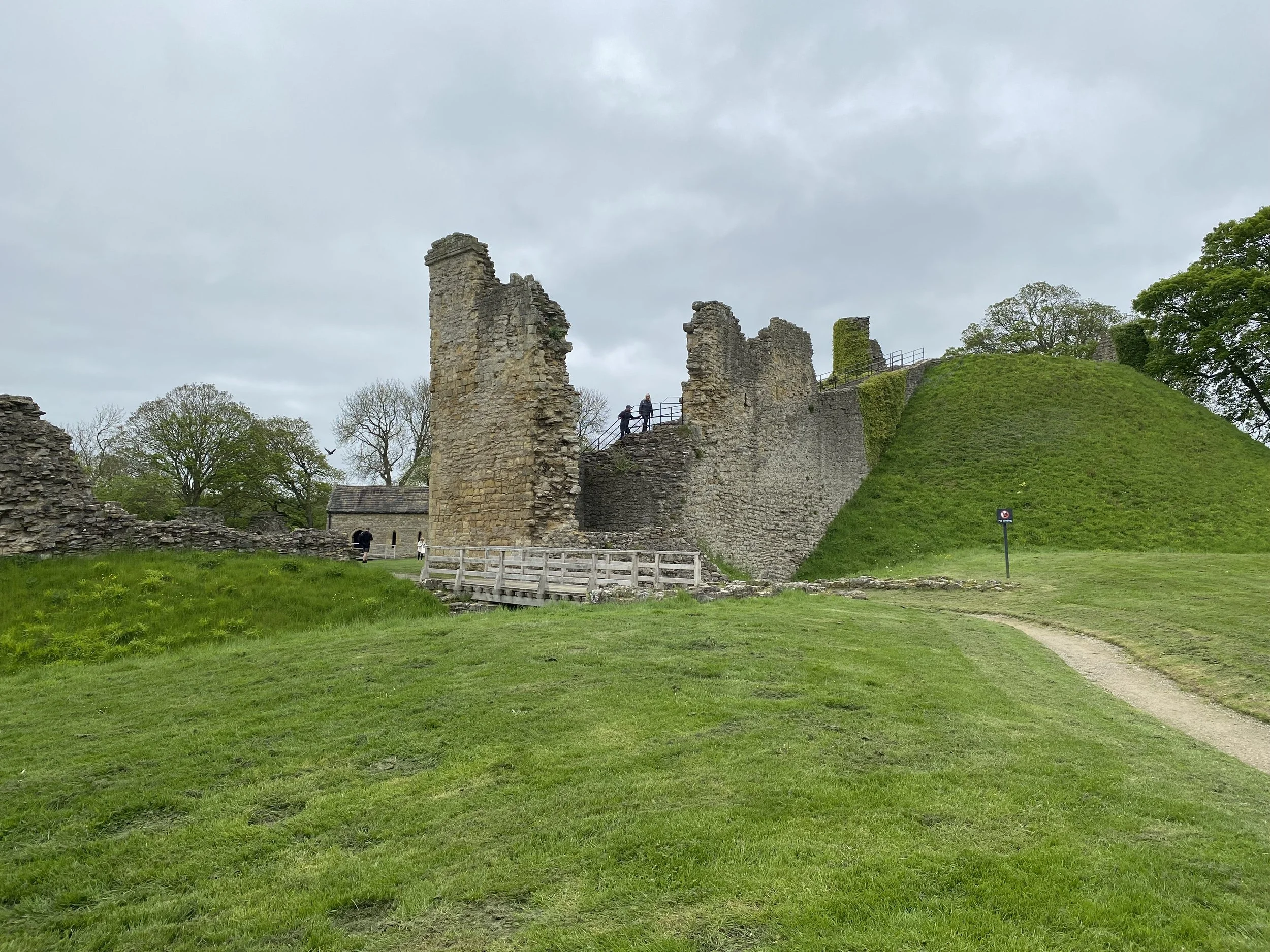
Pickering Castle,
Castlegate,
Pickering,
North Yorkshire,
YO18 7AX