Reviews
There are so many incredible books available at the moment that it is impossible to read them all, no matter how hard I try! Here are my thoughts about some of the books I have read and how I think they could be used in school as well as Q and A sessions with authors and illustrators.
My Family The Enemy
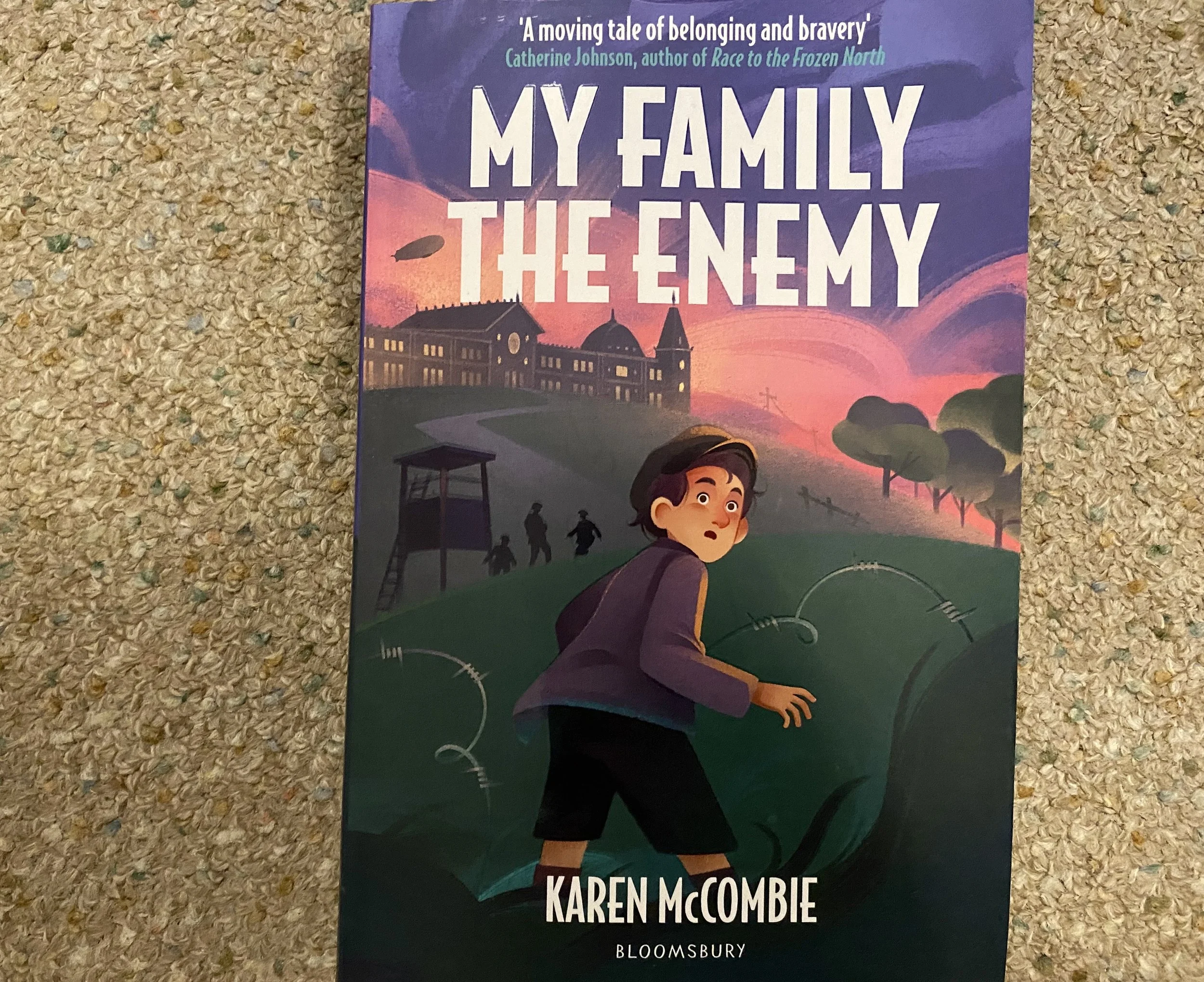
When Jack goes to visit his Granny Jess, he is expecting the usual routine involving biscuits. However, this Saturday afternoon things are different as his grandmother seems preoccupied. When she shares the contents of a very old biscuit tin with him, Jack discovers events in his family history which he never knew happened.
Moving from London in 1998 with Jack back to 1914 with his great-grandfather Fred, ‘My Family The Enemy’ reflects the experiences of those with German ancestry who were living in England during WW1. Many countries interned ‘enemy aliens’ at this time and through the eyes of Fred, Karen McCombie shows how xenophobia and public hysteria devastated the lives of German families or those with German (or Austro-Hungarian) descent, turning their friends and neighbours against them.
Fred Muller is an ordinary London schoolboy, not the best behaved at school perhaps, but good natured and good hearted with a loving family whose bakery was at the heart of their community. As hostilities with Germany develop, the reader sees his life change as his German surname leads people to treat him and his family with suspicion and mistrust. Facing bullying at school from his teacher as well as his former friends and classmates, Fred finds himself increasingly isolated and his father is taken from the family and interred at nearby Ally Pally (Alexandra Palace). The story clearly shows the human stories behind the prejudice and injustice which Fred, and others, experience, encouraging empathy and sure to provoke discussions which are as relevant today.
The experiences of other characters in the story also reflect the prejudices of the time. Fred’s sister, Lil, longs for more than the husband and children her parents have in mind for her. She finds factory work and a place on the women’s football team, freedoms which are quickly lost once the war ends. His classmates, Prue and Gertie, are also targets for bullies as Prue’s family are Quakers and Gertie’s father is Hungarian.
The story is packed with historical detail, developing children’s understanding of life on the home front and sparking curiosity about the stories of those seen as the enemy. Additional notes at the end of the story help to clarify and add detail about events, locations and individuals mentioned. Perfect as a class read, ‘My Family The Enemy’ is a very engaging, well-written and thought-provoking story.
My Family The Enemy
Karen McCombie
Bloomsbury Education ISBN: 978-1801995931
It’s OK to Say No
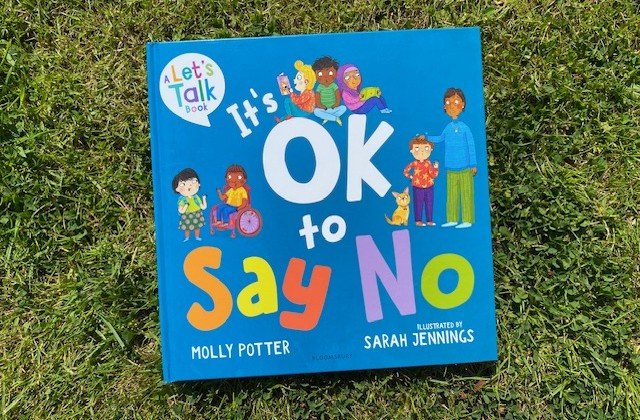
Part of the ‘Let’s Talk…’ series, ‘It’s OK to Say No’ is a well considered, reassuring book which introduces children to the idea of consent and personal boundaries.
Starting with an explanation of what ‘consent’ means the book then explores a whole range of situations and the emotions which children might feel when in a similar position. It begins with feeling comfortable/ uncomfortable before moving on to giving, and asking for, consent. Appealing, colourful illustrations and simple, clear sections of text make the book accessible to a wide reading audience. The book also makes the point that there is a difference between feeling uncomfortable about something and just not wanting to do it, giving clear examples of when an adult might expect something to be done like teeth cleaning or tidying up.
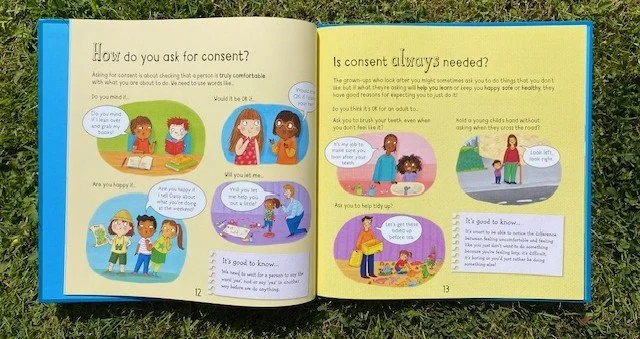
Other considerations like being uncomfortable/ comfortable with different things, changing our minds are also explored before the book moves onto what people usually keep ‘private’ and why touch needs consent. This is all very carefully and thoughtfully handled, presented in age appropriate language and focusing on everyday situations and concluding with step-by-step advice on how to say ‘no’ and who to turn to for help if needed. It is perfect for starting conversations with even the youngest children about consent and respect for their own, and others, boundaries.
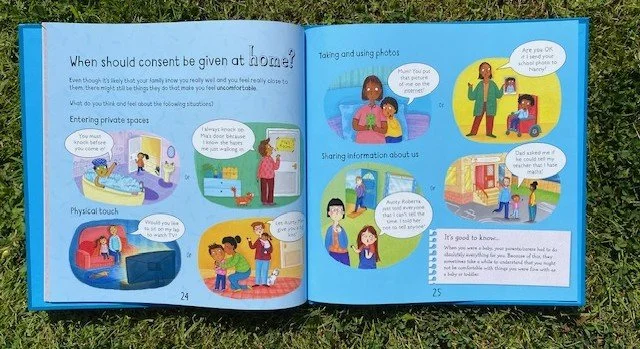
Additional advice is included at the end of the book for grown-ups, offering further guidance for how to support children develop this sense of respect for themselves and for others. Although pitched at younger children, there is nothing to stop parents, teachers or other adults using the book with mixed aged siblings, friends or classes of older students.
An excellent addition to bookshelves!
A Let’s Talk Book: It’s Ok to Say No
Molly Potter, illustrated by Sarah Jennings
Bloomsbury Education ISBN: 978-1801995382
Pocket Book of Pocket Poems

Having received one of A F Harrold’s postcard poems, I know that children love his short poems! Indeed, despite the fact that we enjoyed plenty of poetry in class, many were fascinated by the idea that something so short was a poem as well as being charmed by the novelty of getting something hand written in the post. This led to us putting up a class post box, writing some tiny poems and sending them to each other. It also led to some really great stamp designing, but that’s another story!
In this book, A F Harrold shares a whole selection of short poems- the longest being only 60 words. The further in to the book you go, the shorter the poems get with a helpful number in the top corner of each page telling you how many words to expect! The collection is perfect for dipping in and out of- but one poem here is sure to lead to another!
Both alphabetical and thematic lists are included should anyone be interested in trying to local a specific poem or poems on a subject. There are poems about ghosts, peanuts, sneezes and cannibalism, ballet, curtains, zeppelins and flamingos…and, of course, postal workers! Many are light-hearted, some are reflective, some play with words whilst others are based on familiar rhymes. There is something here for everyone to enjoy!
Children love the fact that short poems are quick to learn, quite quick to create and easy to share. The fact that this little book is pocket-sized and perfect for carrying around is another benefit to this quirky collection of poems.
A F Harrold’s Pocket Book of Pocket Poems
Illustrated by Jack Viant
Bloomsbury ISBN: 978-1801994972
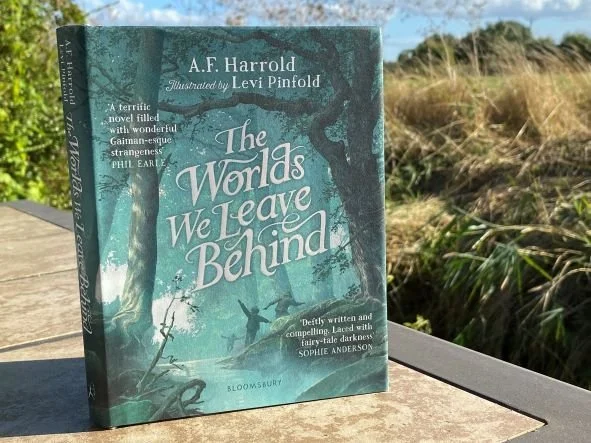
You can read my review of ‘The Worlds We Leave Behind’ here.
Blog Tour: Reading for Pleasure
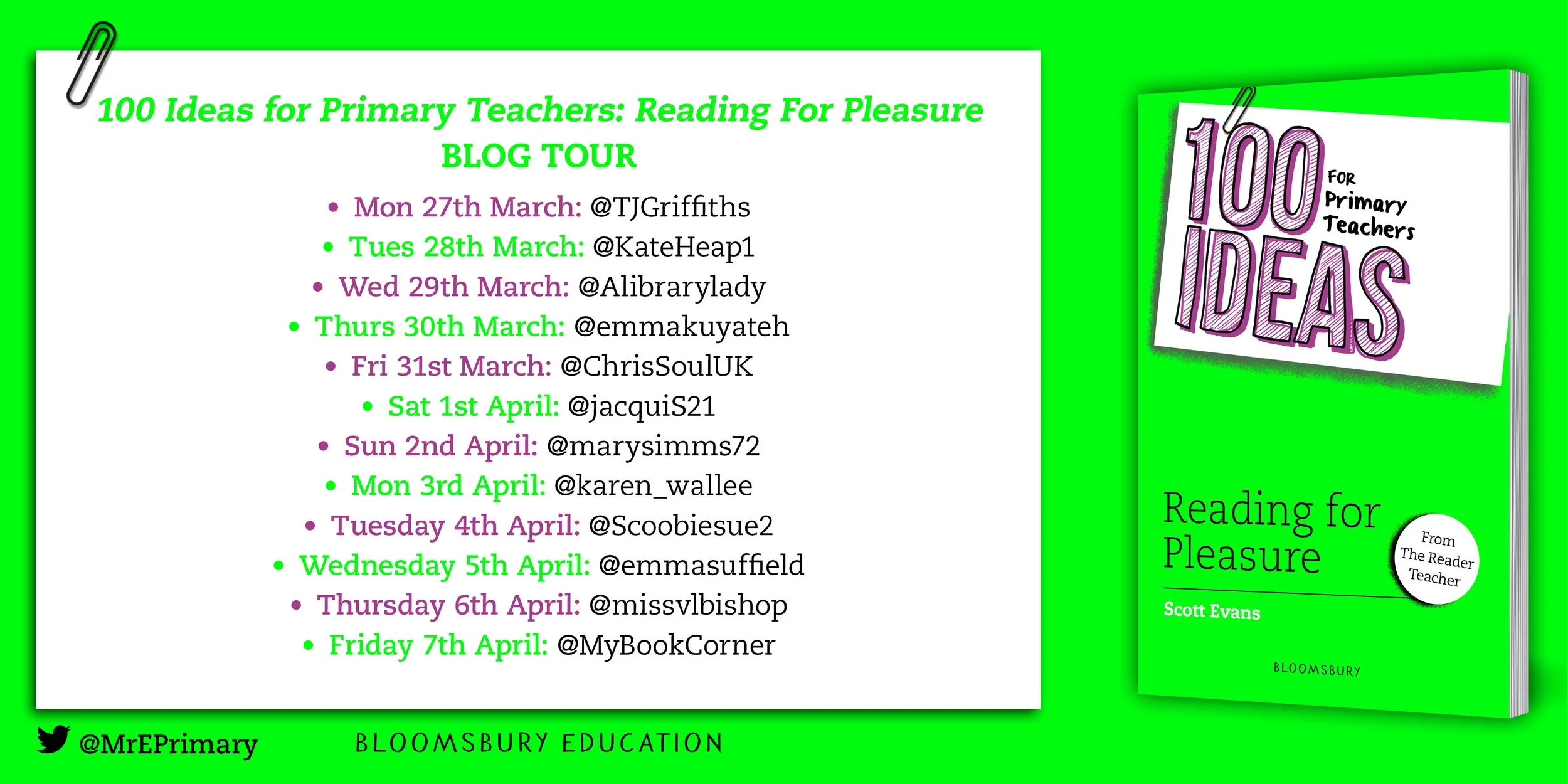
Reading- for pleasure, for learning, for escape, to share, for a million reasons- has always been a massive part of my life. The family joke is that I was born reading and am never without a book (or several!) stashed close at hand, ready for any odd moments when I can read. As a teacher, I have always delighted in sharing this with children and colleagues and over my career have seen fluctuating and fickle attitudes to daily story times, school libraries, class book corners, hearing children read and the teaching of reading. It has always been obvious to me that teachers (or any adult!) who are enthusiastic about reading (or anything!), show that it is something which they value and engage in themselves and can discuss and enthuse about their reading are far more likely to spark interest and enjoyment than those who don’t, but fortunately, research has now been done which validates this for those who need to be convinced! For those in need of guidance for how to start, this is the book for you!
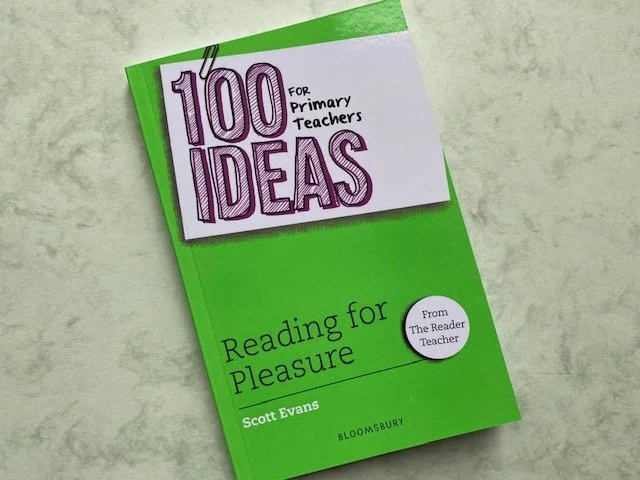
The pure joy of Scott’s book is that he has gathered together many tried and tested ideas which can easily be slotted into daily practice and culture in classrooms, whole schools and the wider community to create a constant, non-gimmicky buzz about books and reading. As Scott says, ‘…reading for pleasure cannot be left to happen by chance’ and indulging in token gestures, such as only participating in World Book Day once a year, is not enough to form life-long reading habits and the joy this brings! Many of the activities offered here are variations on a theme, allowing schools to ring the changes by re-introducing activities with a slightly different slant to stop them becoming stale or taken for granted.
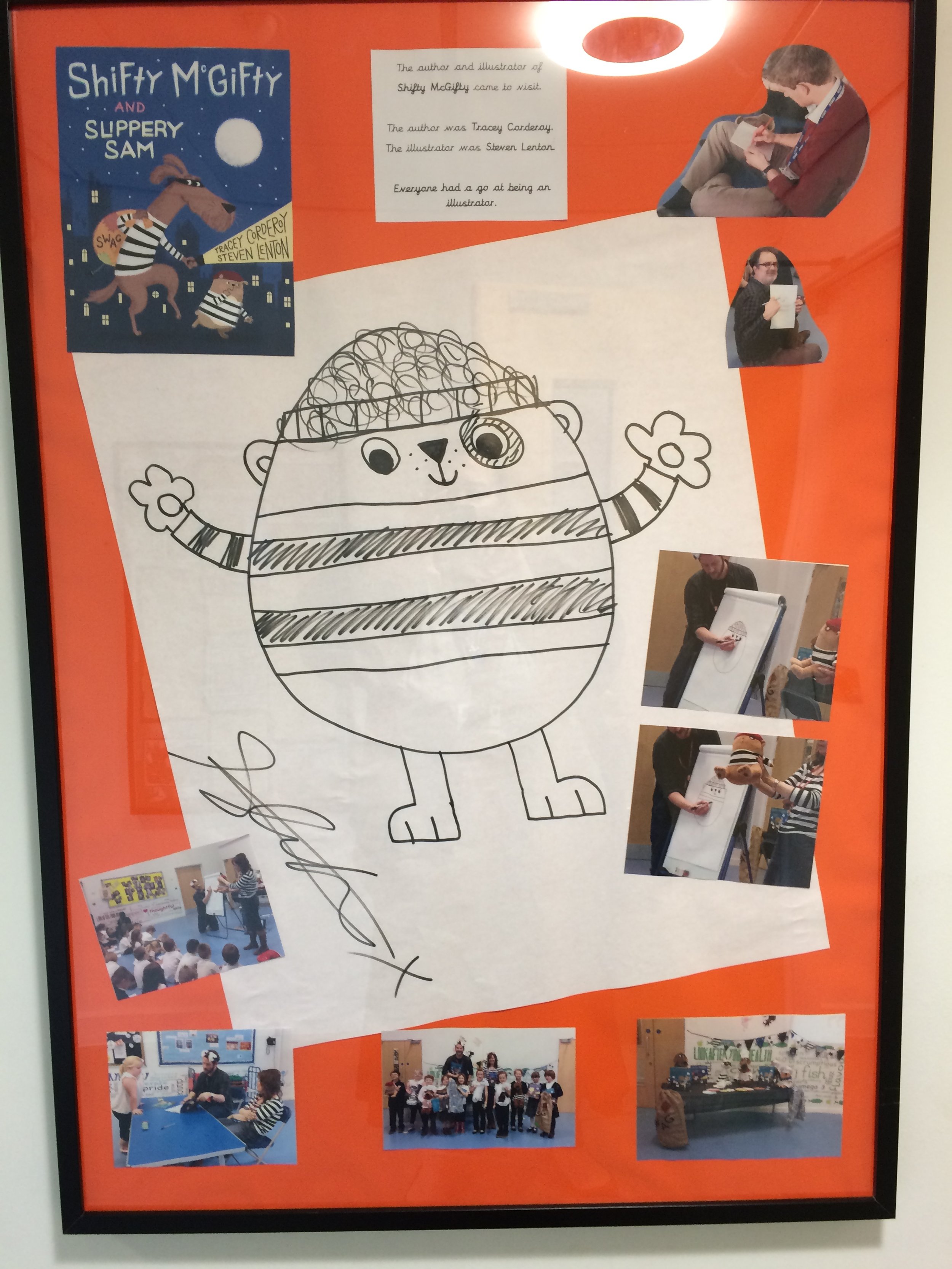
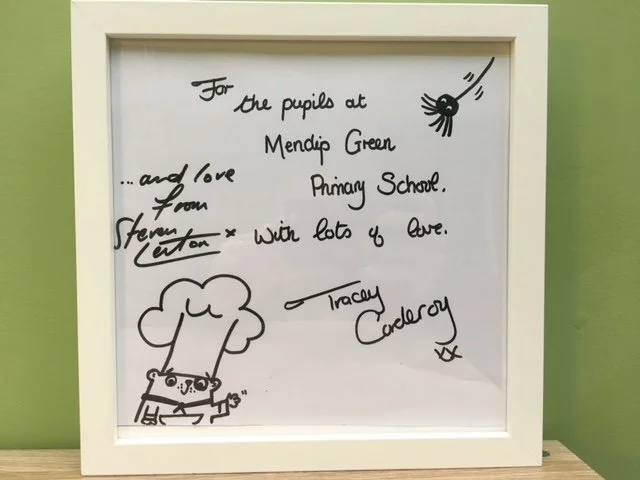
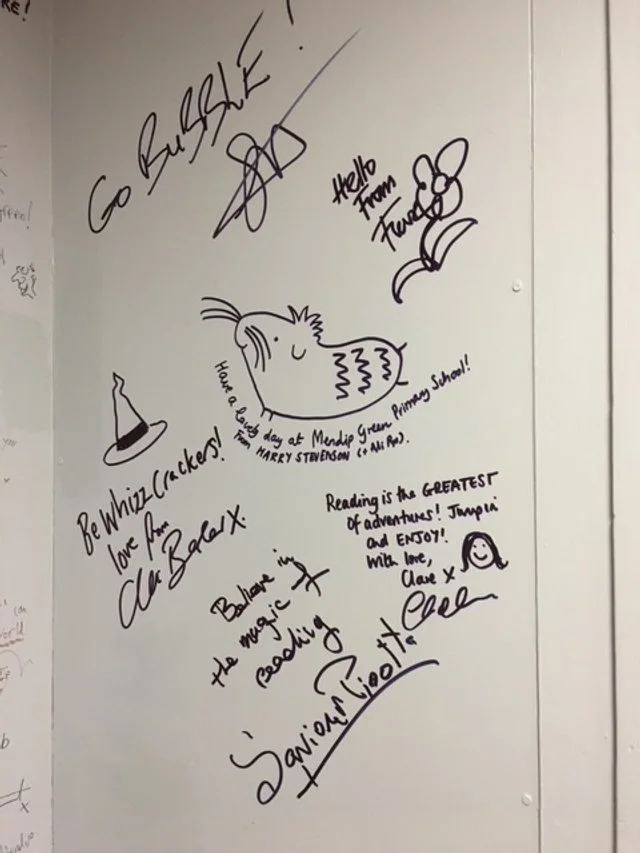
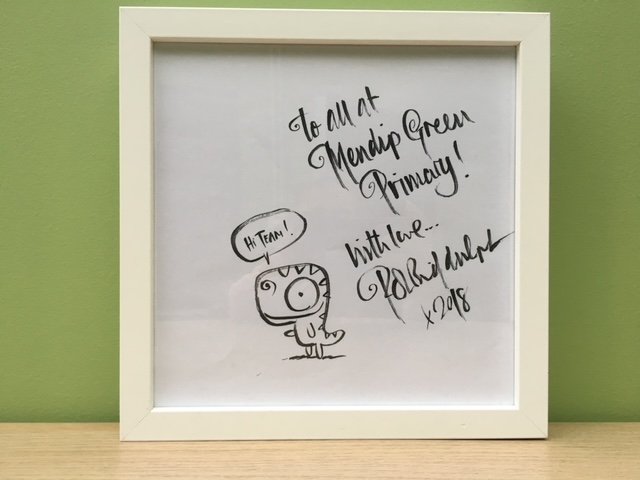
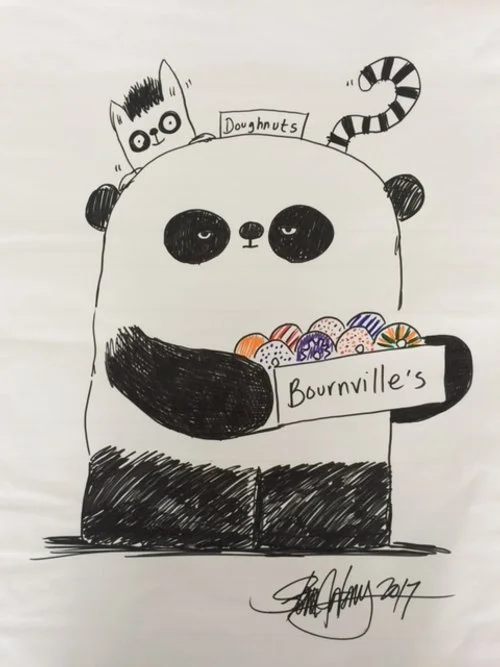
The book is divided into eleven sections, each with a different focus, allowing teachers to hone in on a specific area as a starting point or to guide them through the book as a whole. Useful links are made between sections and ideas with additional suggestions (‘Taking It Further’/’Bonus Ideas’) given. Many of the ideas are sure to spark additional discussion and give birth to yet more strategies, making the book a working tool which (although I don’t normally advocate writing in books!) can be annotated and a shared staff room/ year group copy developed as suggestions arise. By ‘Topic Texts’, for example, a note could be added about displaying and sharing poems related to a theme, referring to ‘The Works 2: Poems on Every Subject and for Every Occasion’ which might be useful here for those not as confident in this area.
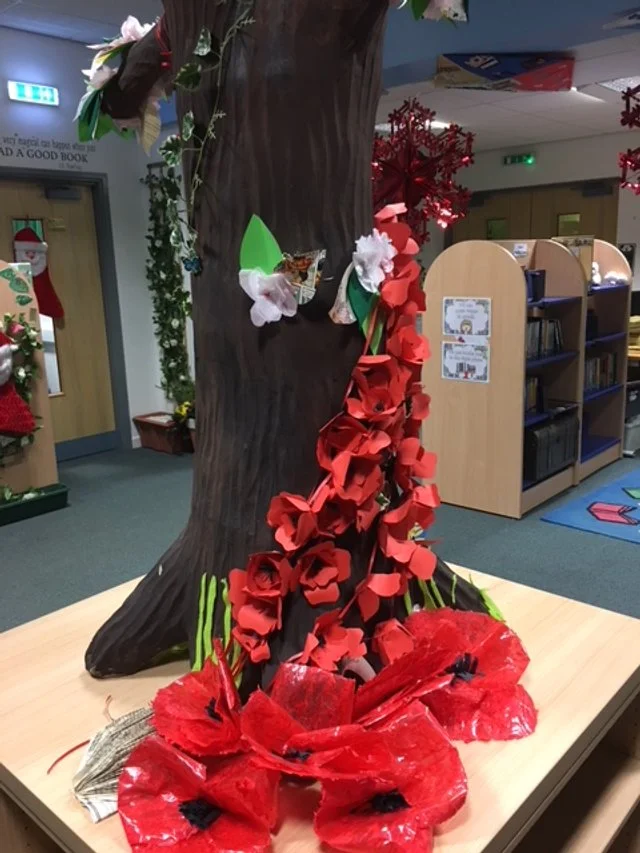
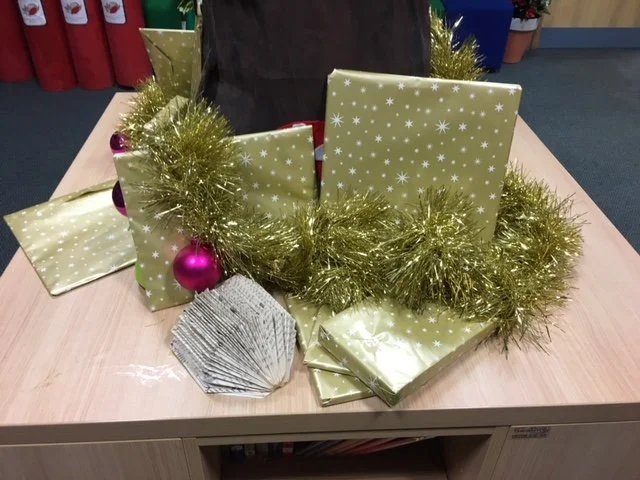
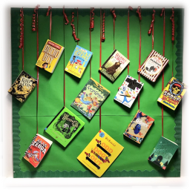
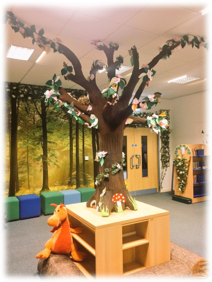
Some of the best ideas here - the ones which have the greatest impact - are the simplest to put in place, allowing schools/ teachers to develop a firm basis before choosing some of the more ambitious ones. I would like to highlight the Federation of Children’s Book Groups and their annual national initiatives here- the Children’s Book Awards, National Share a Story Month and National Non-Fiction November (mentioned in Idea 72: Face the Facts)- which are very easy to engage with and create a real buzz around books and reading. Using the local library and encouraging children to take part in the Summer Reading Challenge (and the Winter Mini Challenge) and holding book fairs are other ideas which are relatively easy to implement, offering sound starting blocks to build upon.

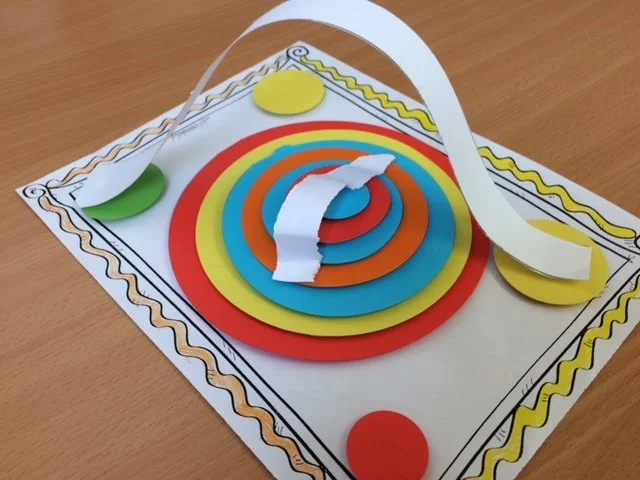

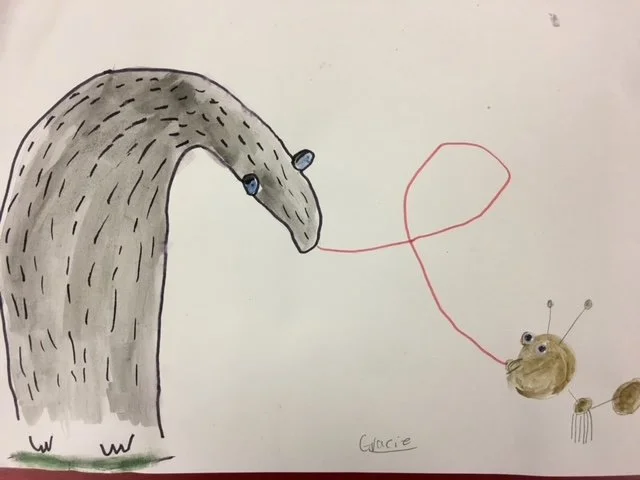
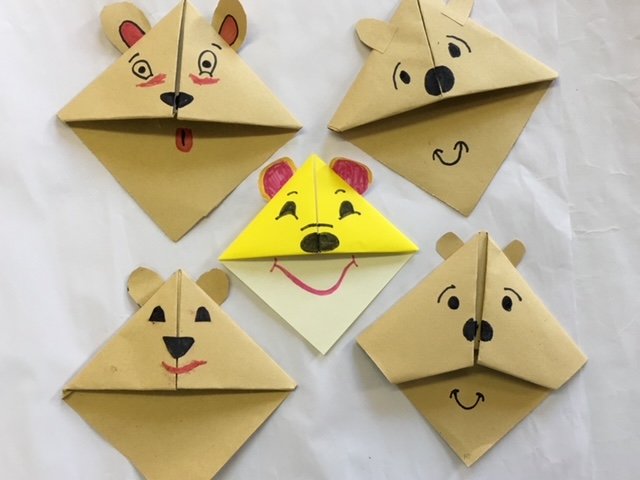
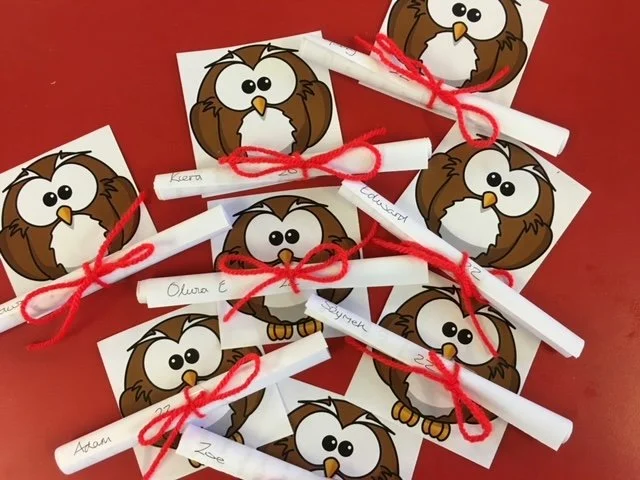
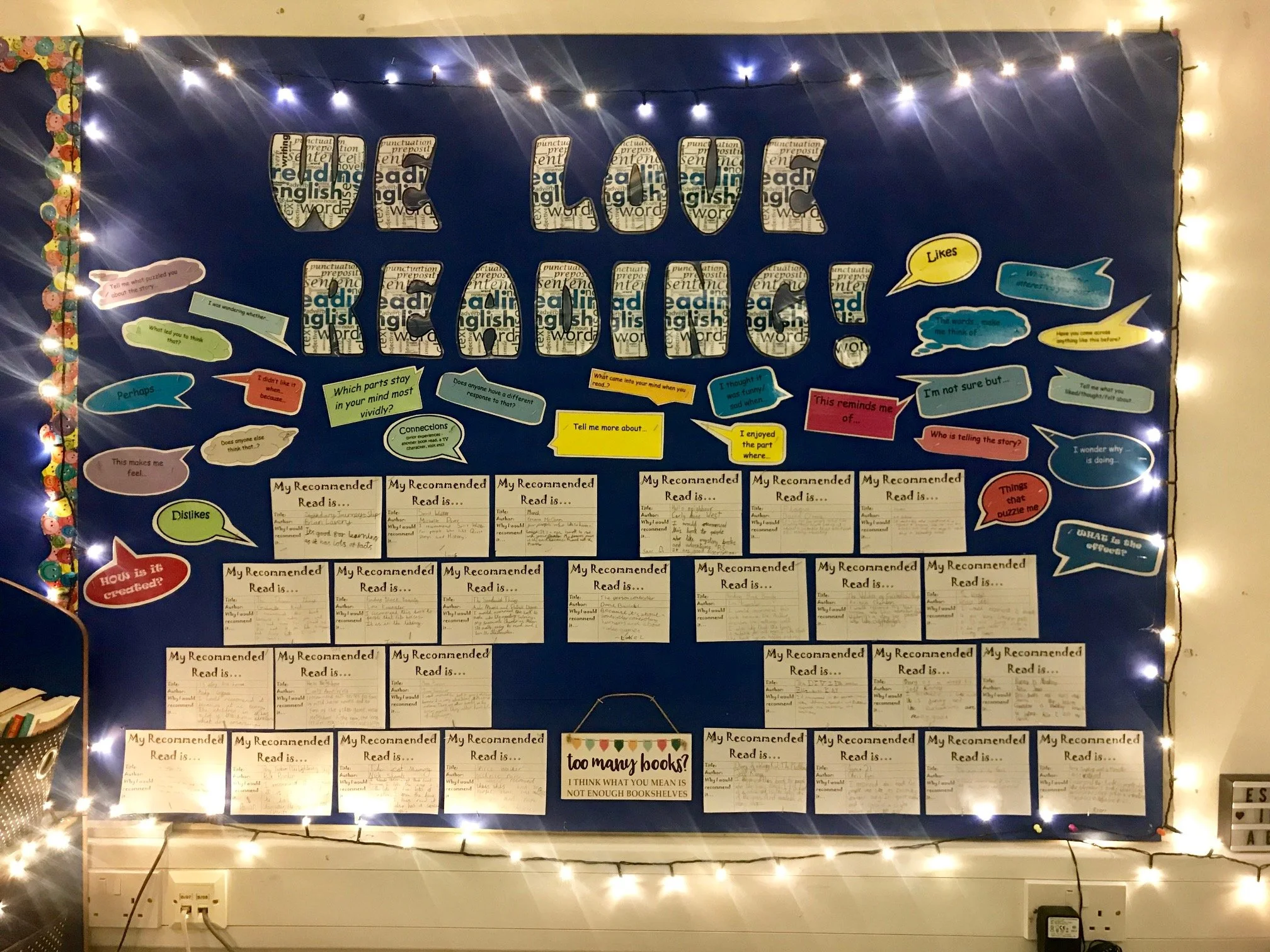
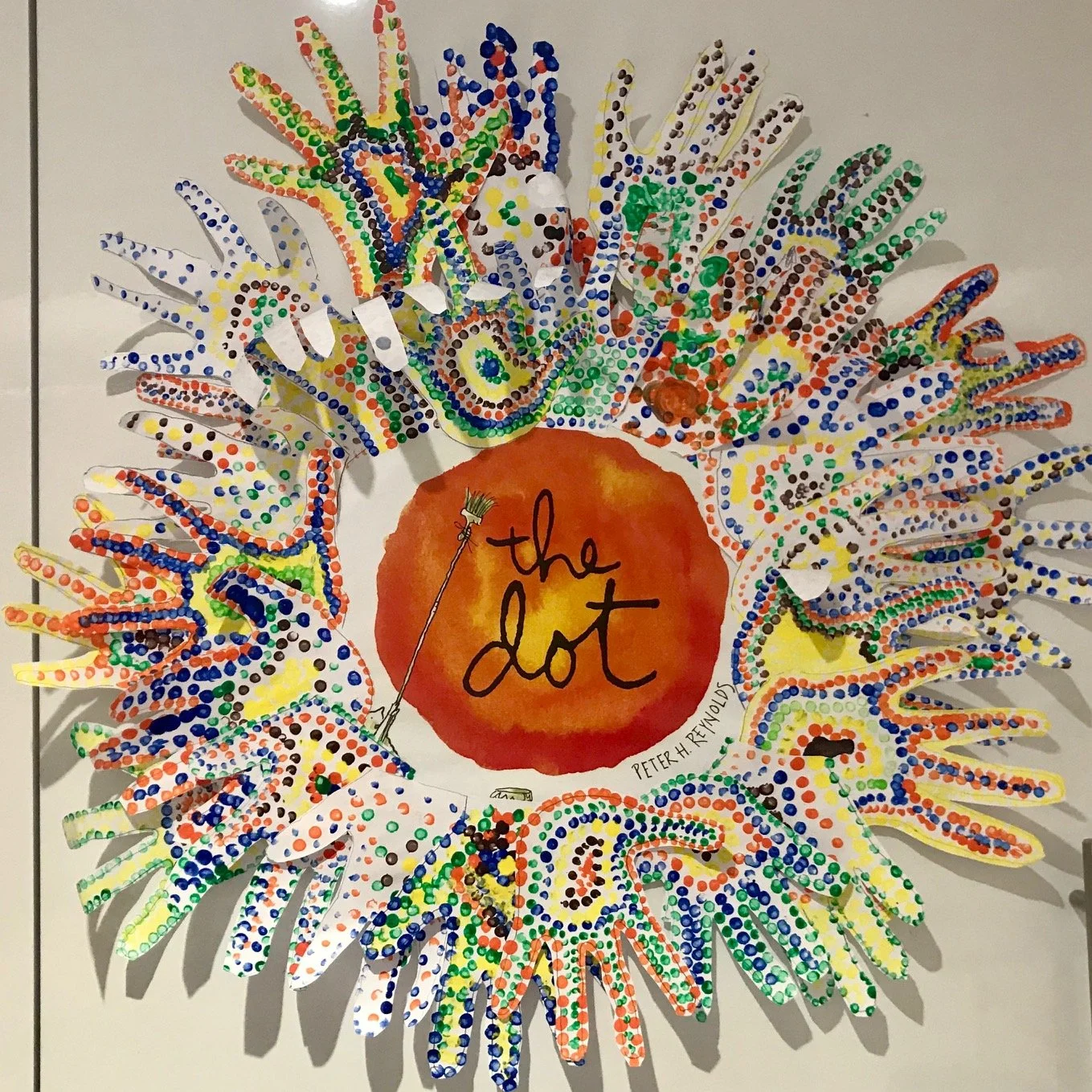
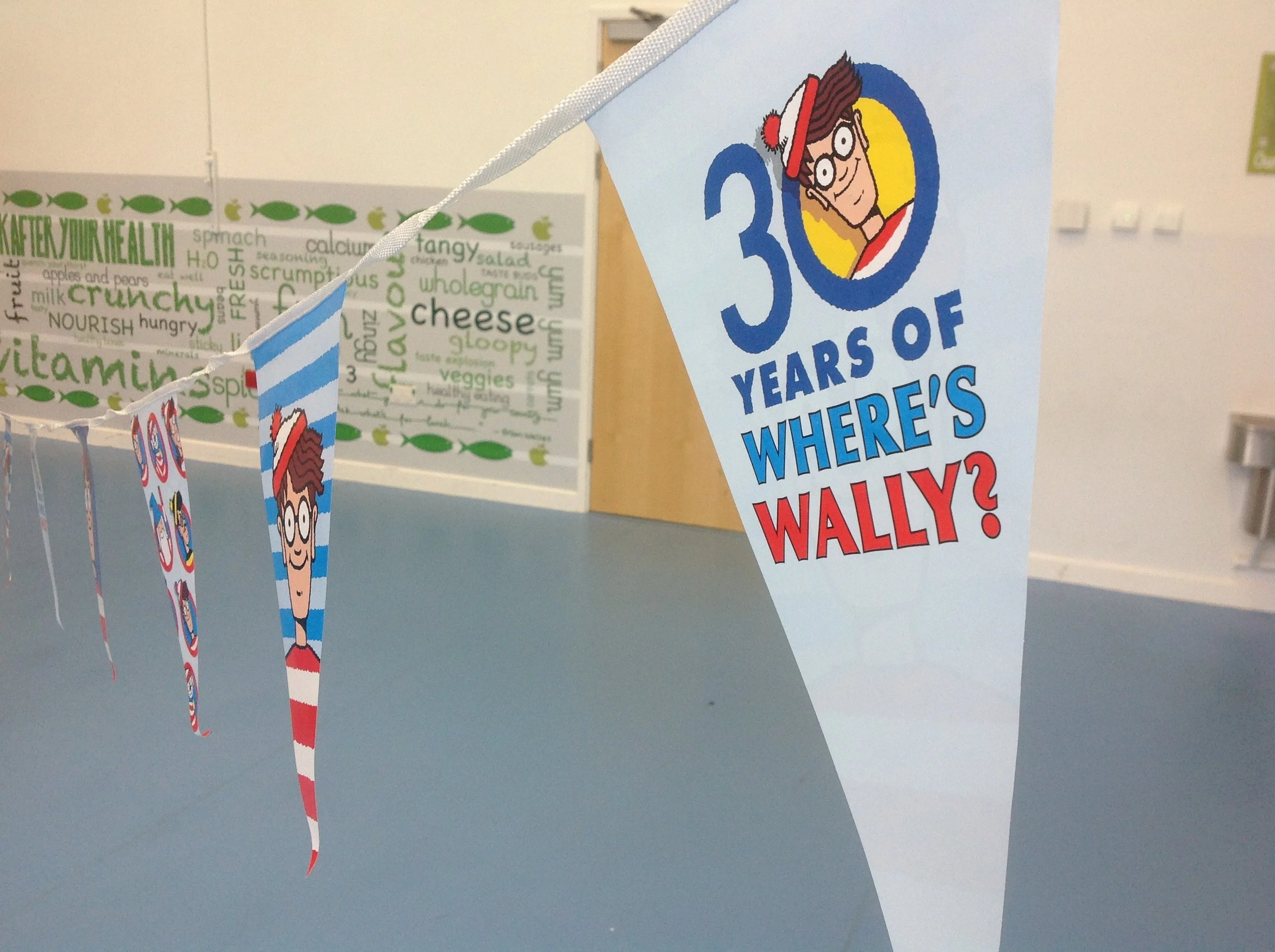
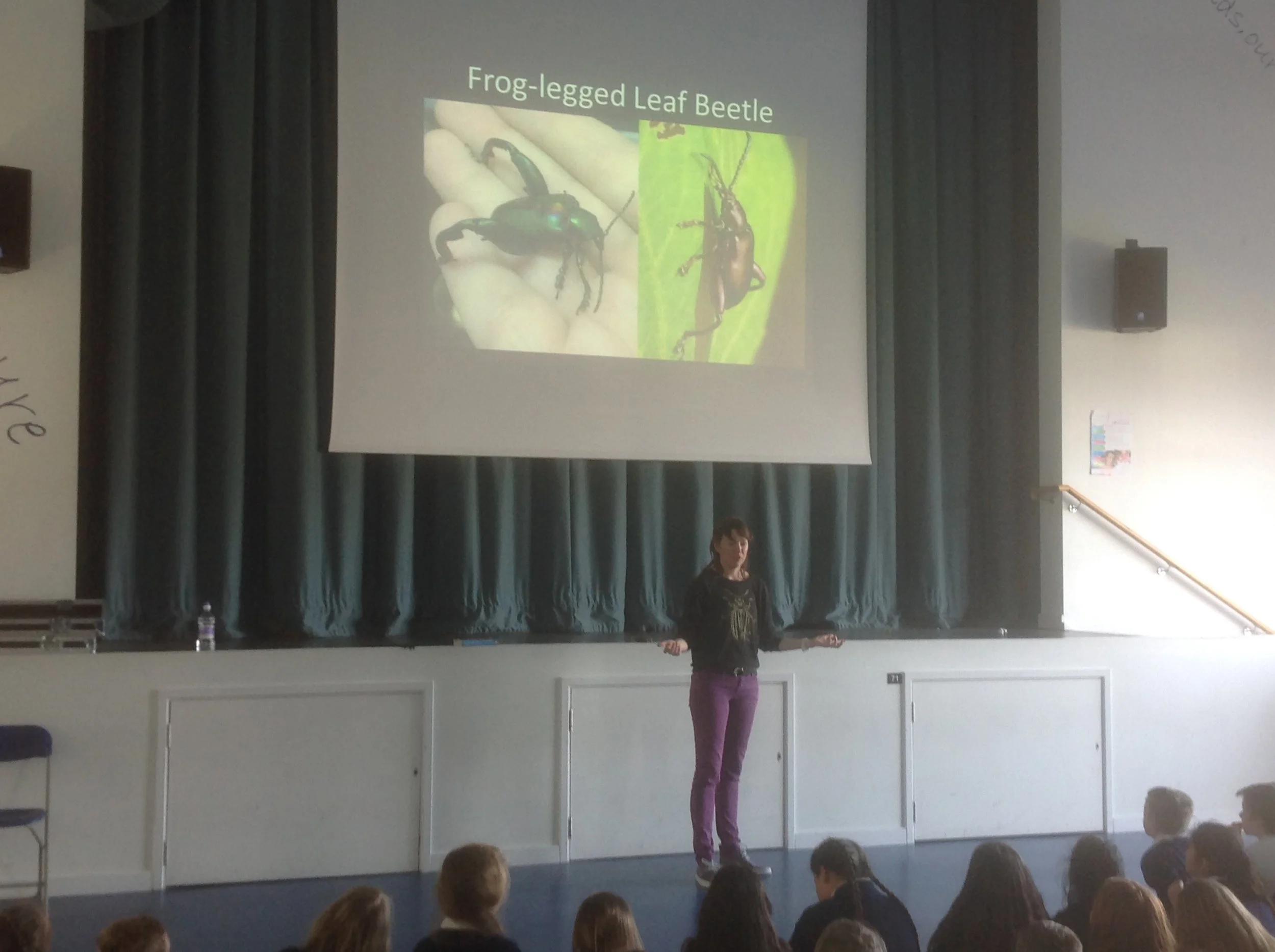
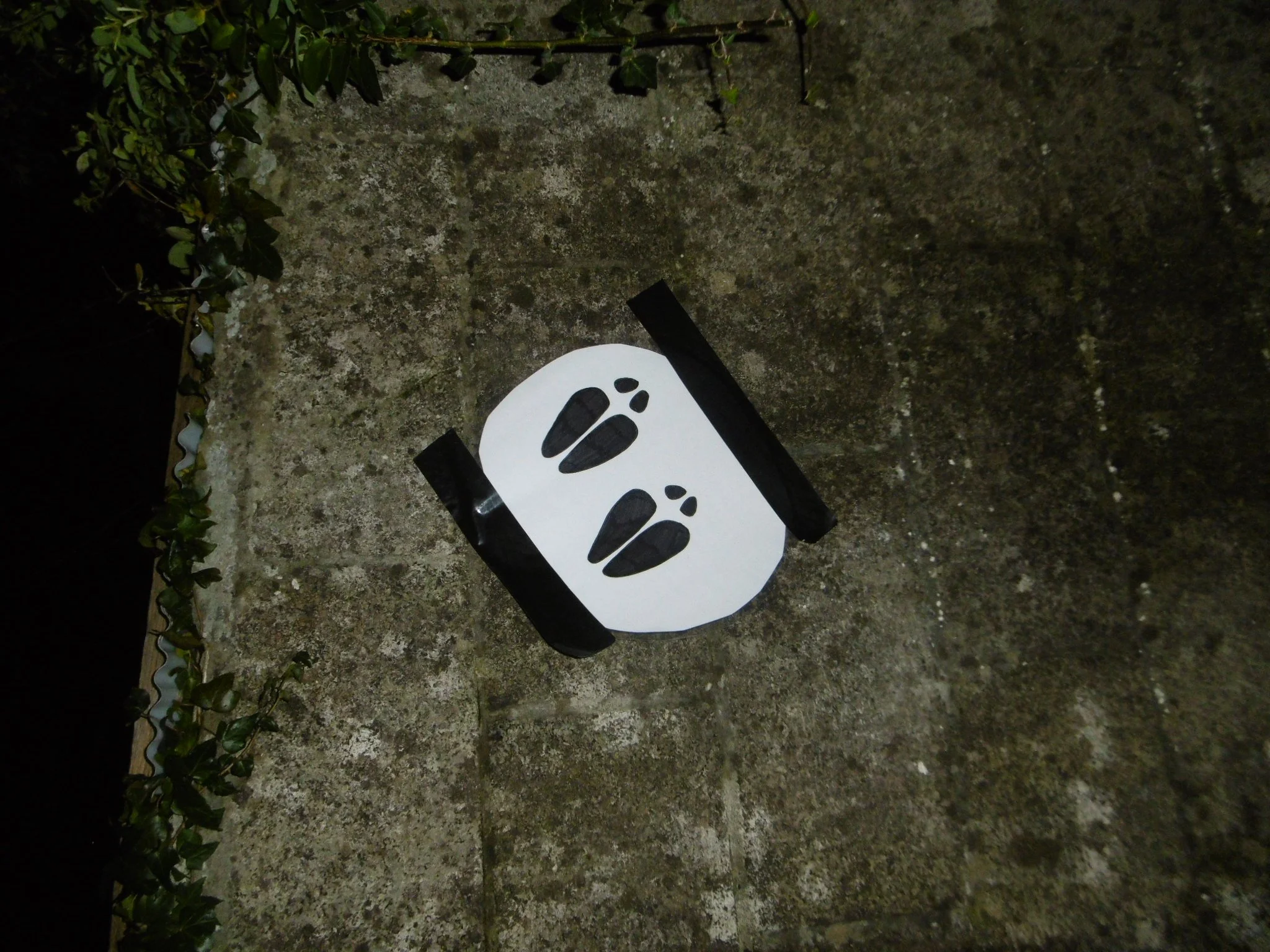
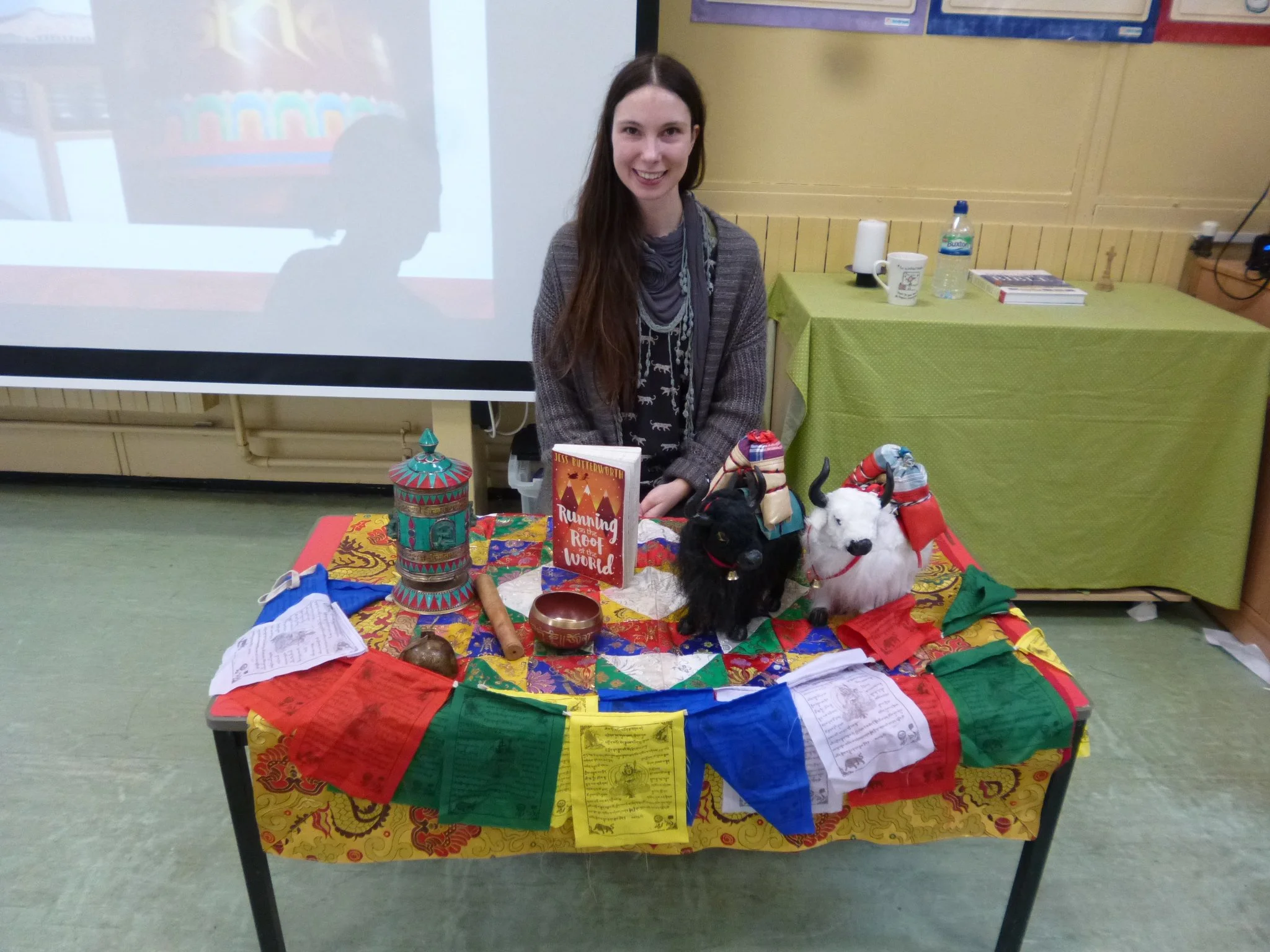
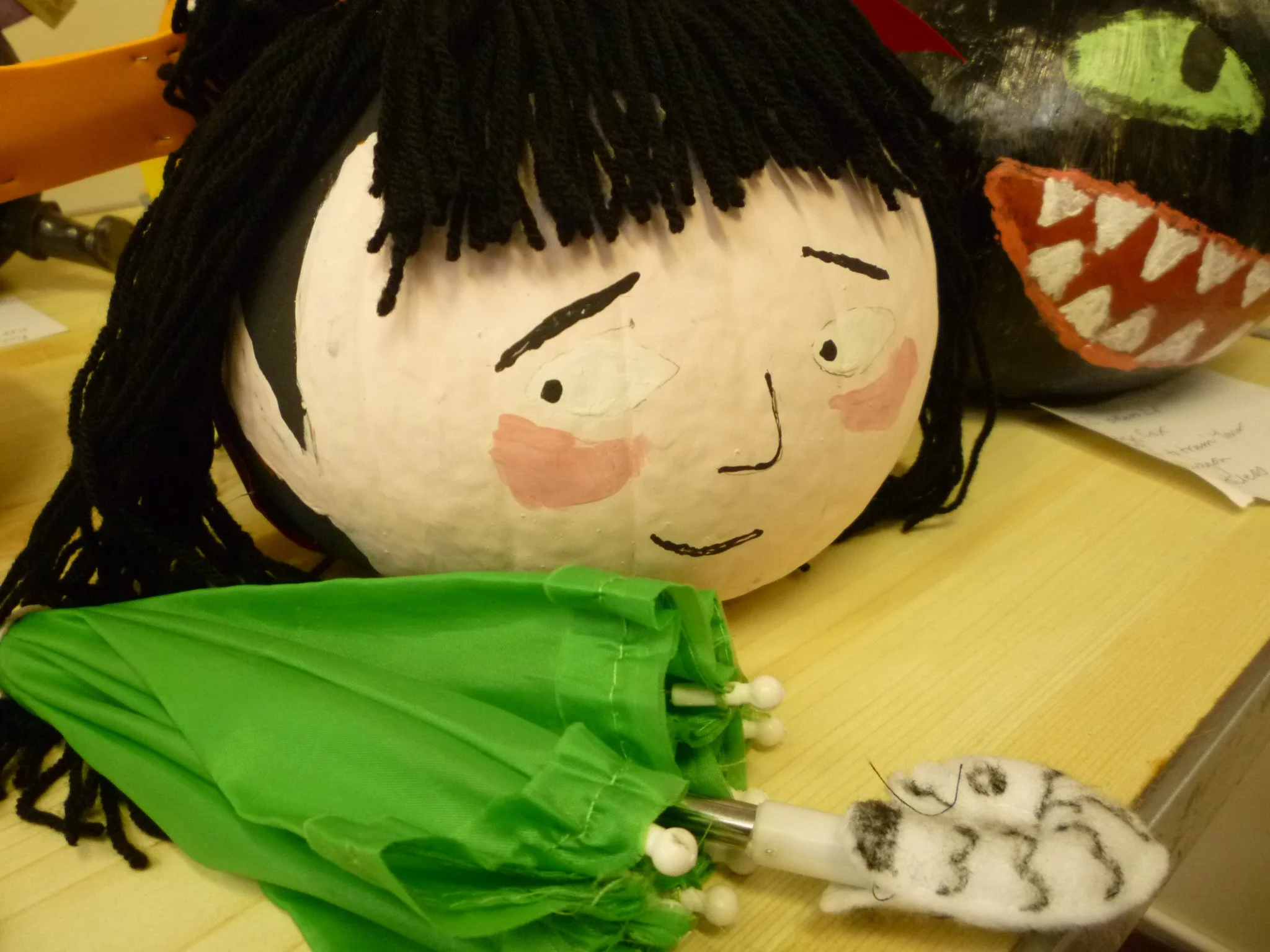
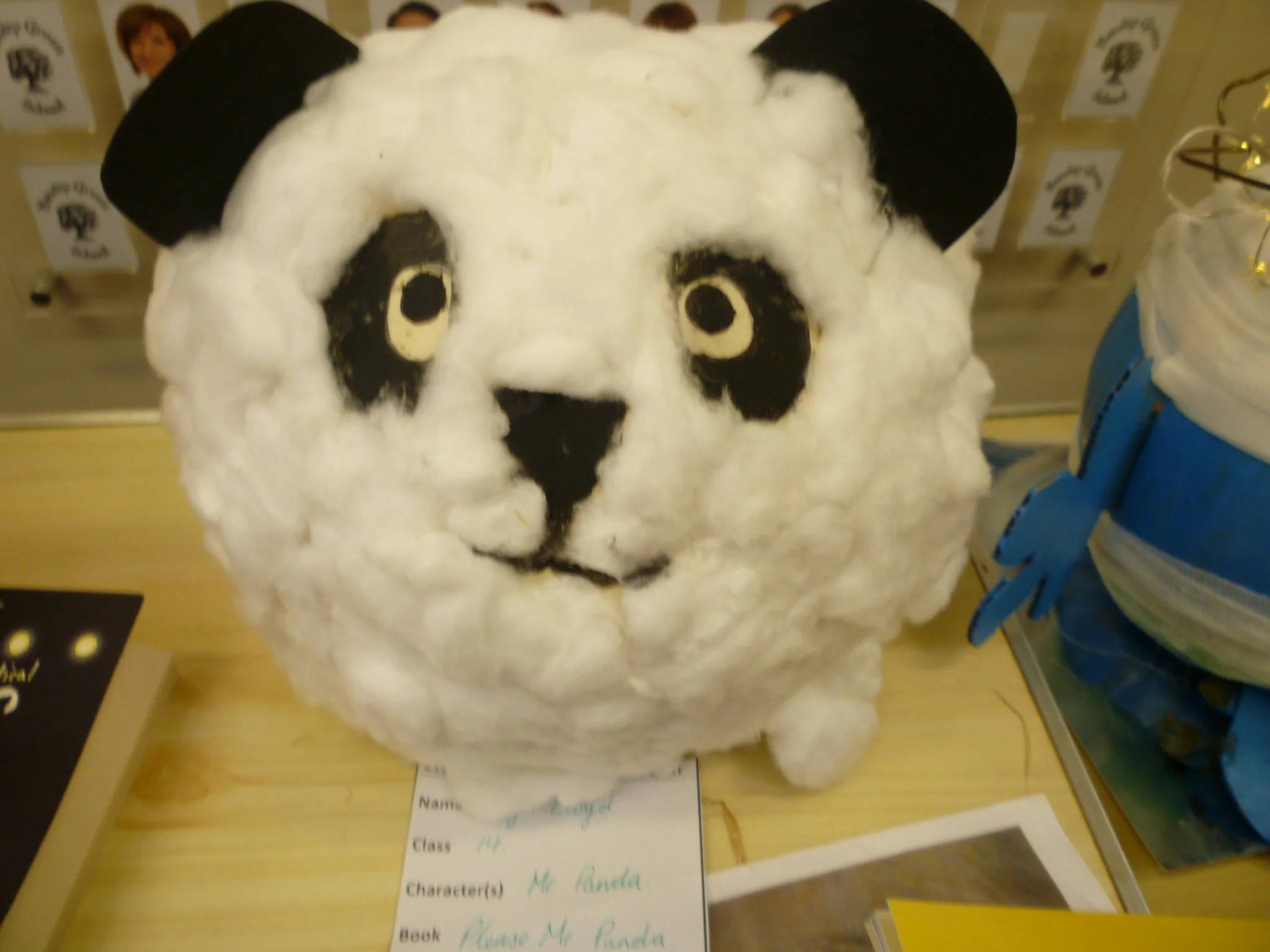
One useful addition to the book would be some pictures to illustrate the ideas in action so I have added a few here. The book is pitched as ‘100 Ideas for Primary Teachers’, but the reach of the content contained goes beyond that with many that can be adapted - or used as is- for both older and younger children, for colleagues in libraries and anyone with children at home. It really is a treasure trove of good sense and inspiration!
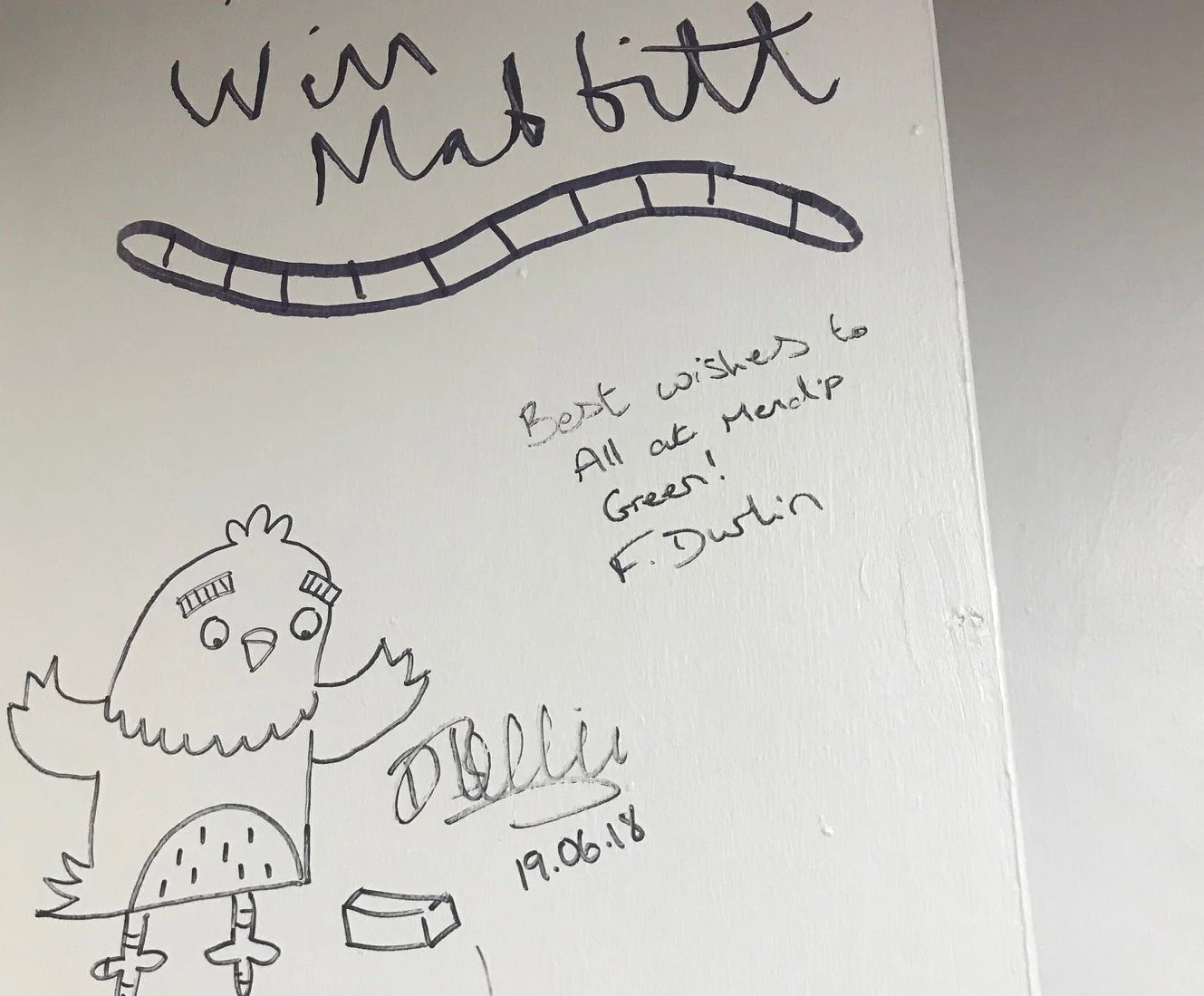
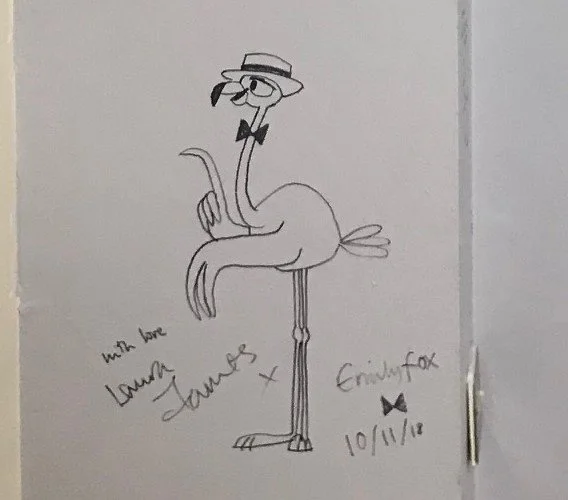
‘Reading for Pleasure’ is a great read, packed with useful, practical ideas, and (in these days of tight budgets!) great value for money! Thanks to Scott for asking me to be part of this Blog Tour and to Bloomsbury for sending me a copy. I shall be enthusiastically sharing this with colleagues!
100 Ideas for Primary Teachers: Reading for Pleasure
Scott Evans
Bloomsbury ISBN: 978-1801991902