Reviews
There are so many incredible books available at the moment that it is impossible to read them all, no matter how hard I try! Here are my thoughts about some of the books I have read and how I think they could be used in school as well as Q and A sessions with authors and illustrators.
The Tree of Life
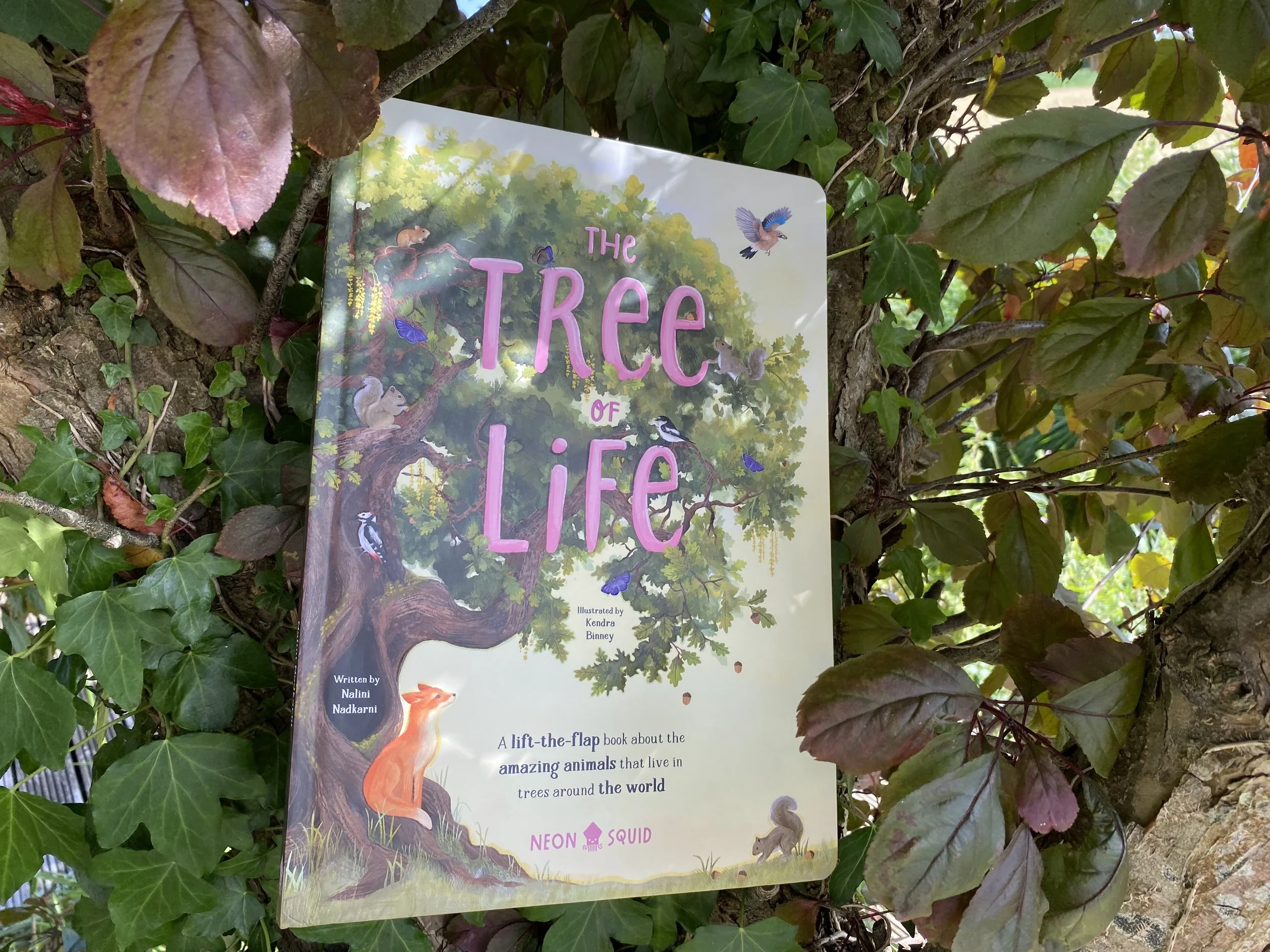
‘The Tree of Life’ is a lift-the-flap book which allows readers to explore different trees and the life they support. Its large format and sturdy construction make it perfect for returning to again and again.
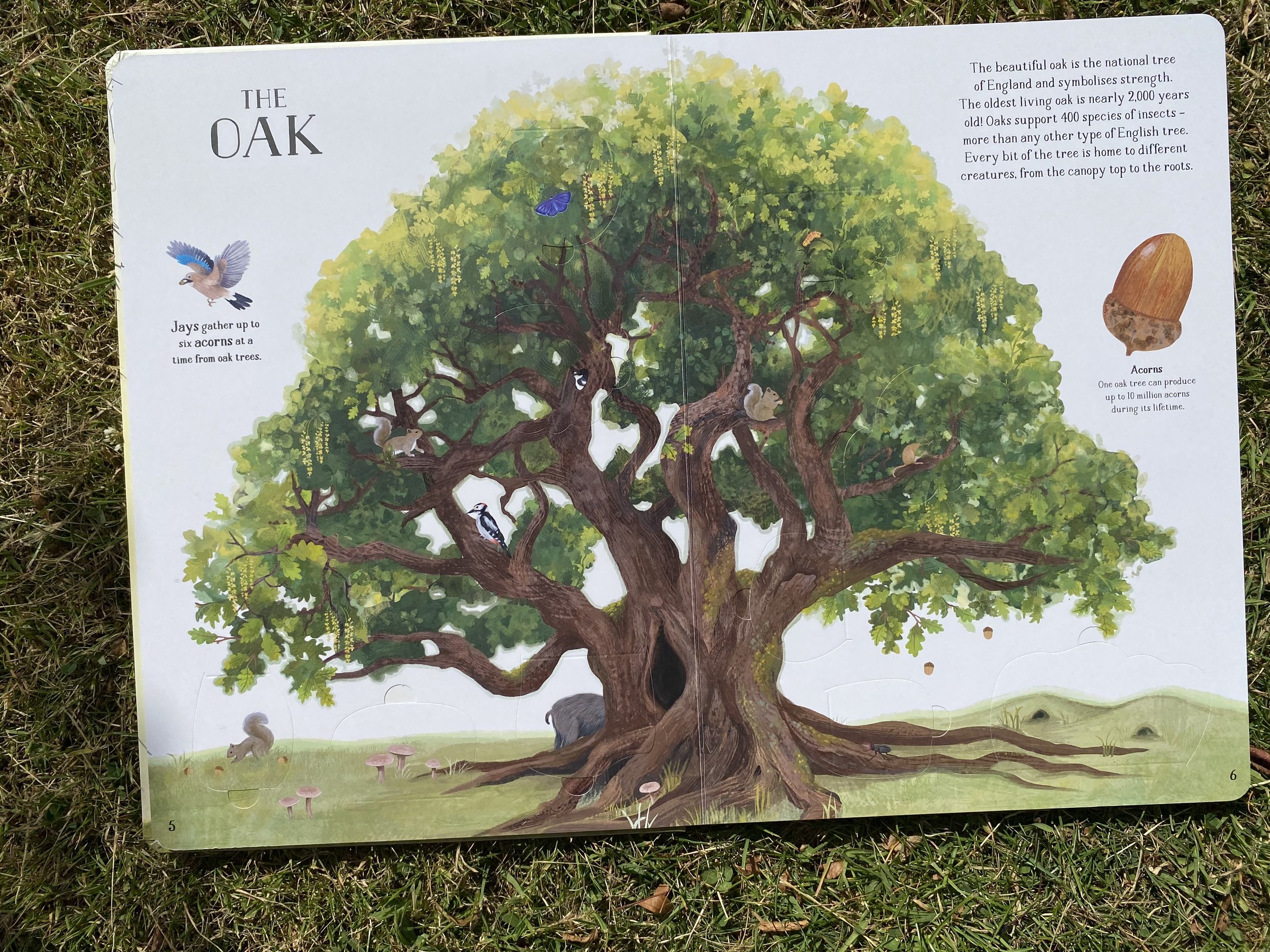
A wonderful range of trees is included from majestic English oaks to the endangered pernambuco of Brazil. A succinct paragraph introduces the tree and then additional snippets of information are included around the page and under the flaps. The book highlights things which are threatening these trees as well as the animals which thrive around them. Lovely illustrations are full of details for children to notice and explore.
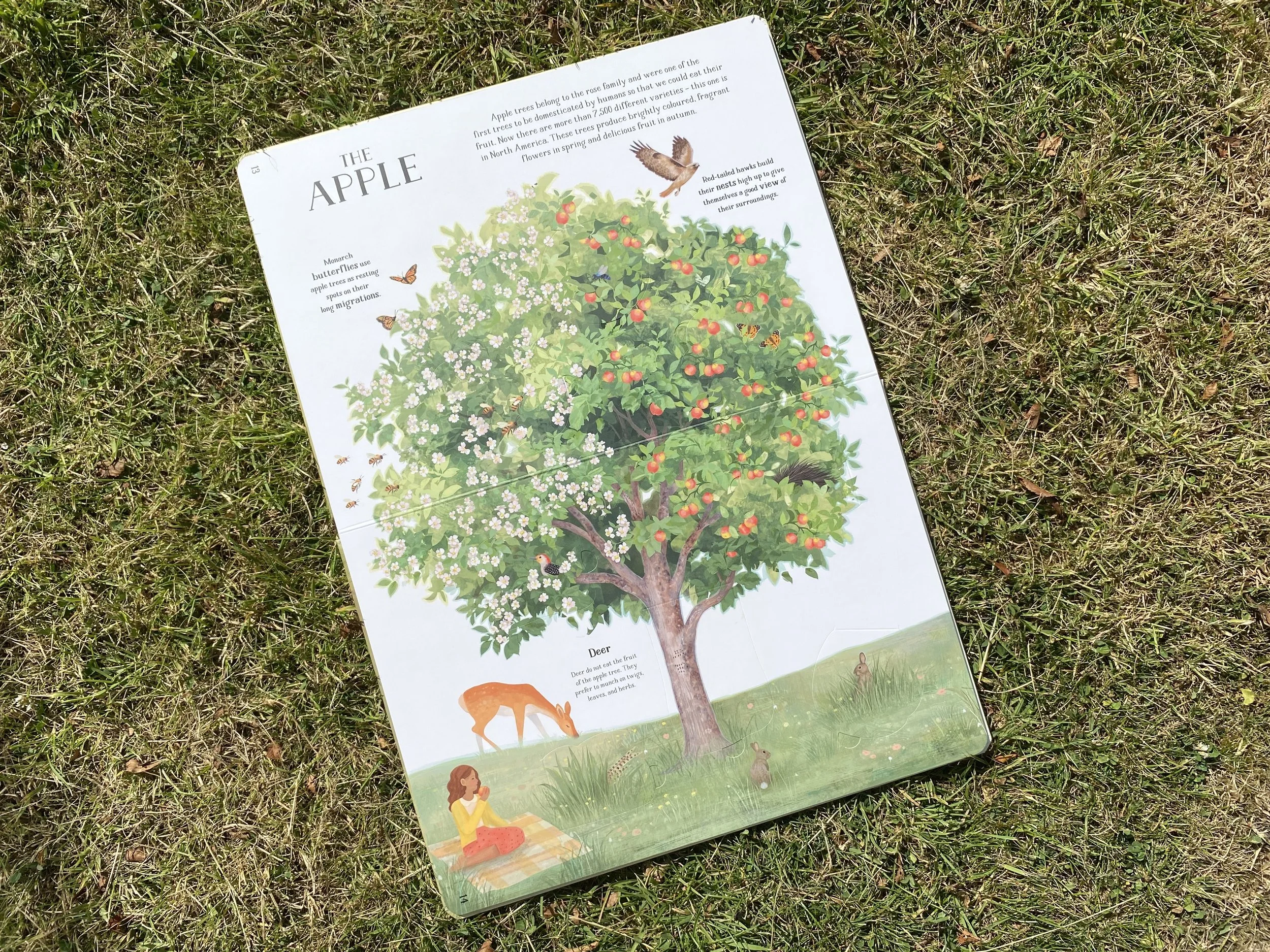
The book also considers the importance of trees to humans- apple trees were the first to be domesticated and the banyan tree is of spiritual importance to those who live near them. It may be simply and clearly presented, but there is no ‘dumbing down’ of the text here, allowing older readers to learn alongside younger ones! An index and glossary are also included, allowing specific information to be readily located.
The Tree of Life
Nalini Nadkarni, illustrated by Kendra Binney
Neon Squid ISBN: 978- 1916745070
The Big Book of Useless Science Knowledge
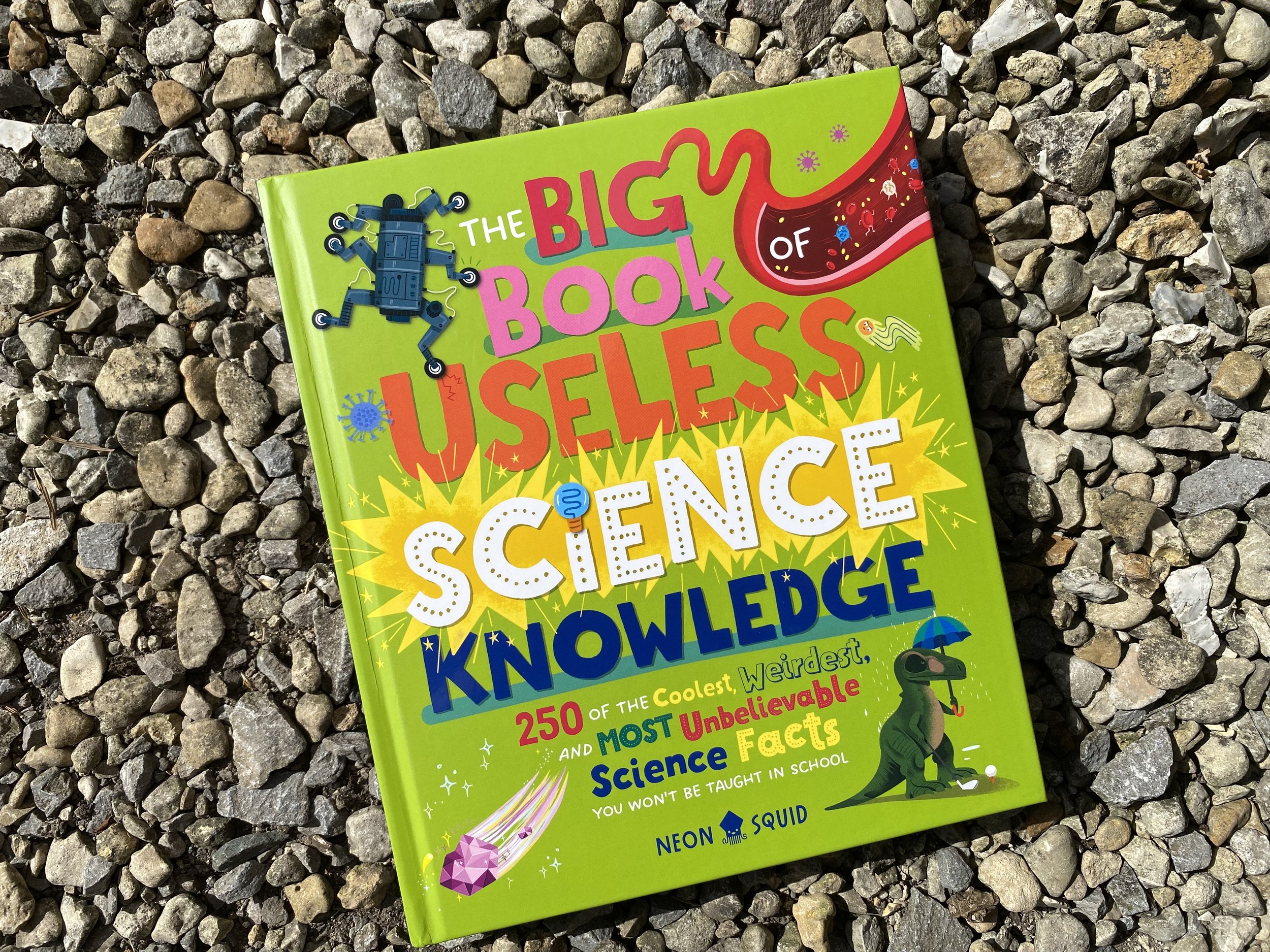
‘The Big Book of Useless Science Knowledge’ may be big and full of science knowledge, but it is far from useless! It is, in fact, jam-packed with nuggets of information and fascinating facts which are sure to intrigue and inspire readers!
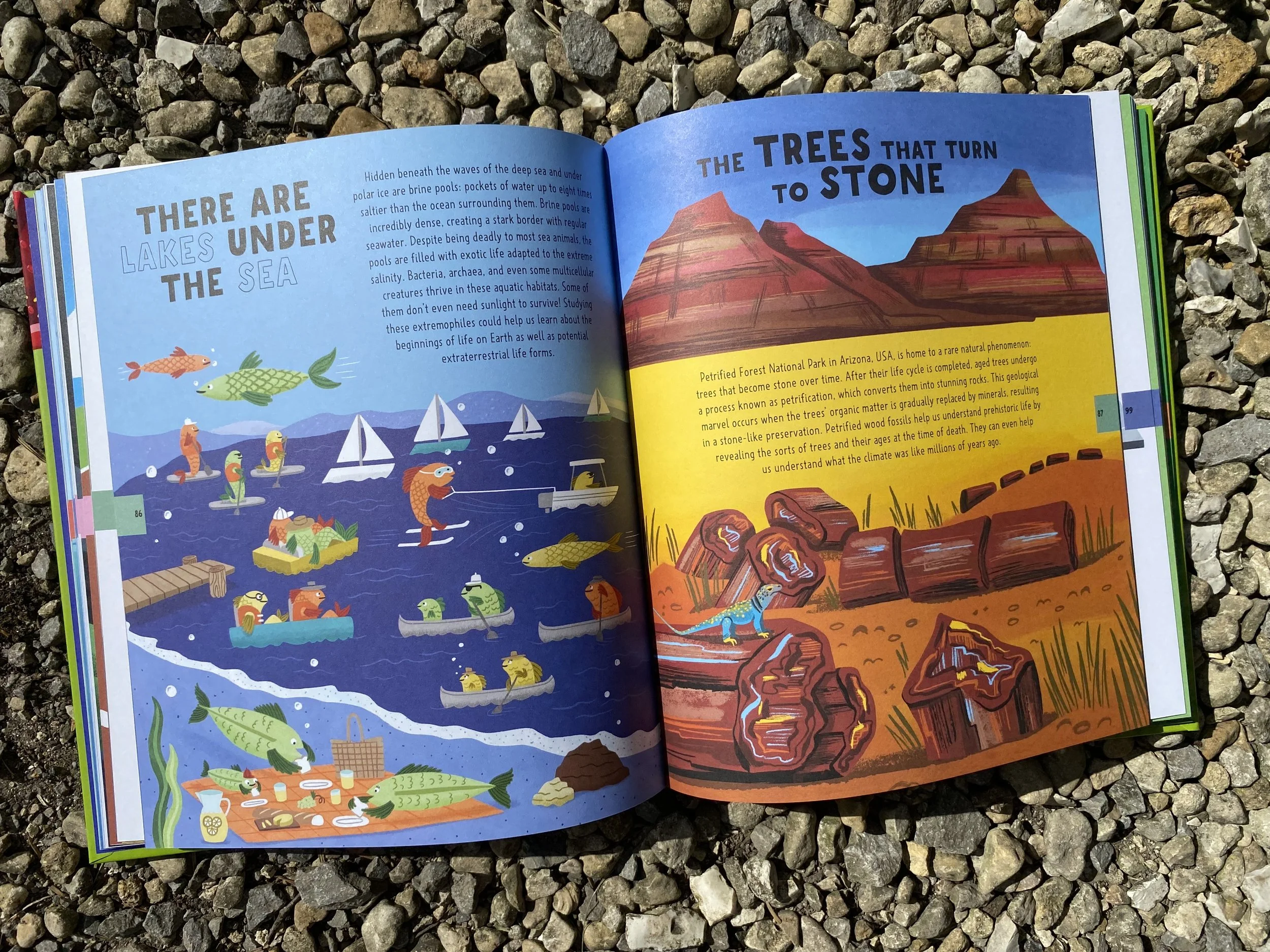
Divided into nine sections, the book tackles a wide range of scientific areas. In the Nature section, readers learn (amongst other things) about exploding fruit, ticklish rats and zombie ants. The information is clearly presented, using the appropriate scientific terminology where appropriate, yet adopting a light-hearted, ‘chatty’ tone, making it very easy to read. Each spread is full of attractive, generally humorous, illustrations, adding to the book’s appeal.
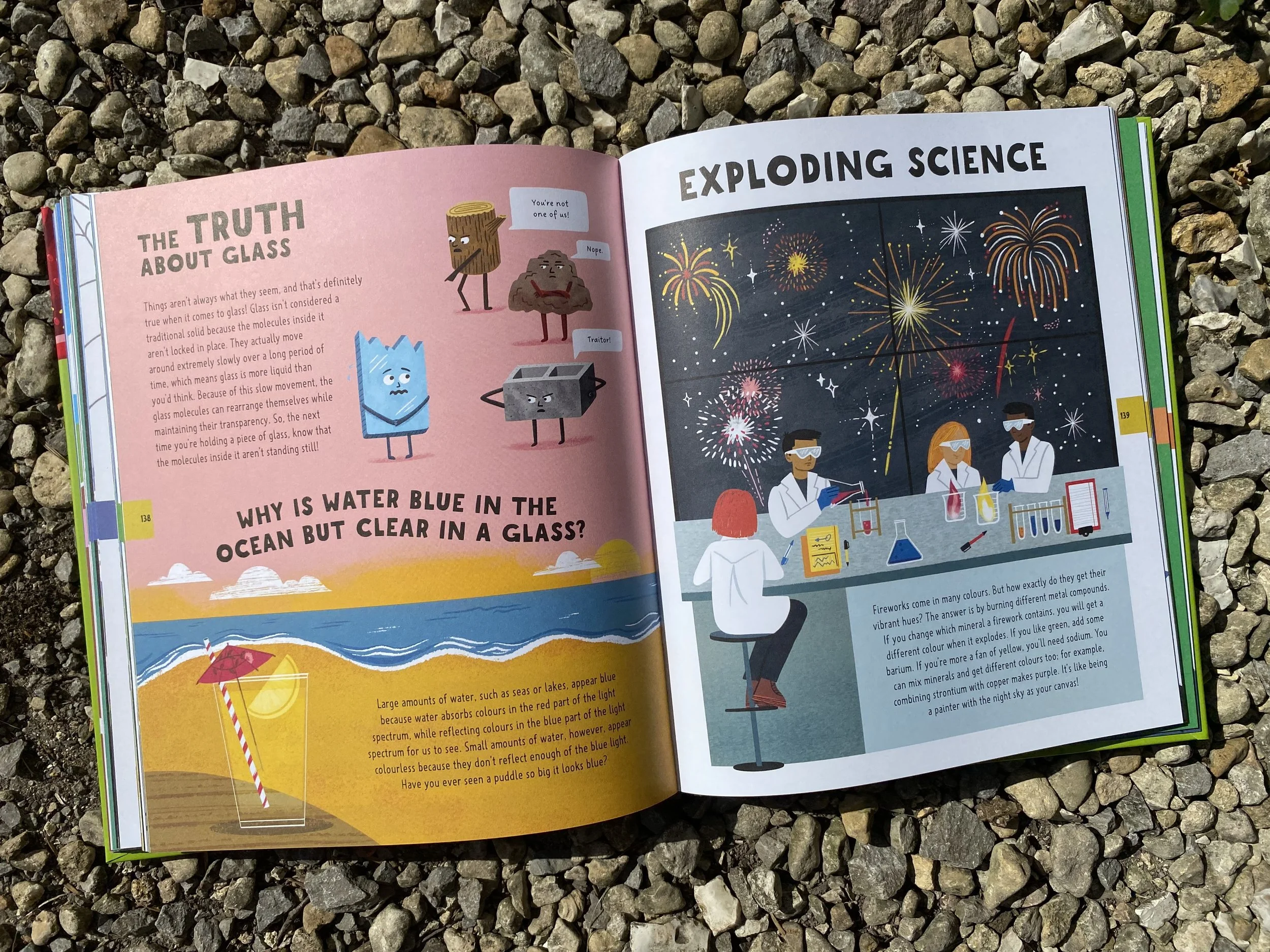
A page of introductions to the authors and illustrators show the wide range of people who have contributed to the information in the book and their backgrounds. Although it says on the cover that these are facts ‘you won’t be taught in school’, there is much here which could be used by teachers to enrich, or add interest to, the science curriculum. However, this is, above all, a book for browsing, enjoying, dipping in and out of, and impressing your friends by quoting the unbelievable- and useless?- facts that you have learned!
The Big Book of Useless Science Knowledge
various authors and illustrators
Neon Squid ISBN: 978-1838993405
Become a Chess Champion
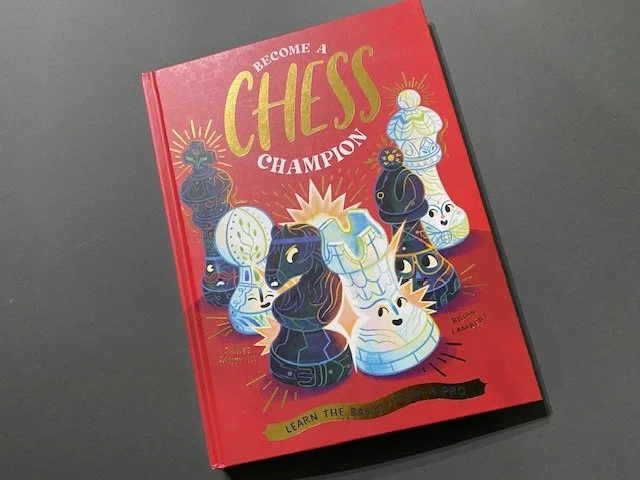
‘Become a Chess Champion’ is an excellent guide for beginners to the challenges and enjoyment of the game of chess.
Comical chess pieces full of personality introduce the reader to how they can move, their value in a game and their strengths and weaknesses. All the information is clearly presented with humour, making it engaging and easy to follow. The author then moves on the explain some of the technical terminology connected to the game, supported by diagrams which offer further explanation. Everything is fully explained and at a pace which allows readers to fully absorb each point before moving on.
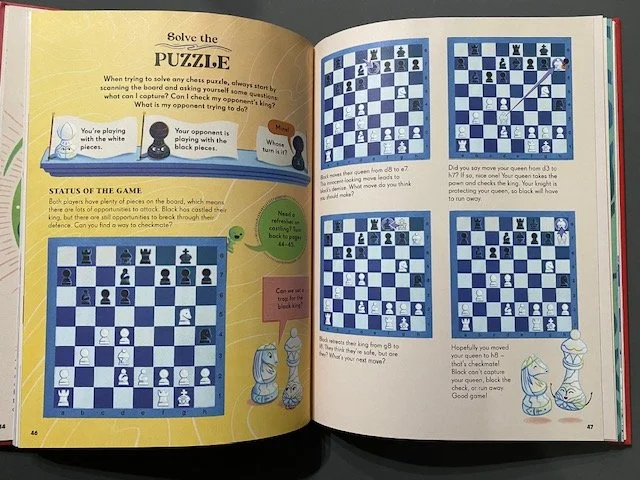
The ’how to’ advice is interspersed with information about the history of the game and famous chess players. Readers can learn about the invention of the folding chess board, the development of computer chess and chess games in space. There are also ‘Solve the Puzzle’ pages which offer chess challenges to consider, offering support and developing understanding of the game.
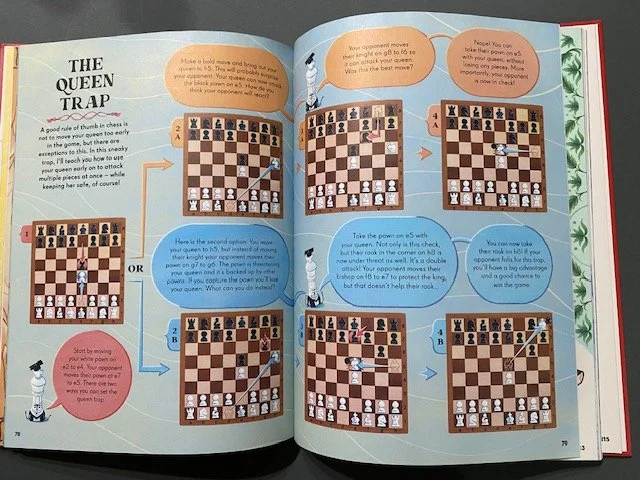
For schools with chess clubs, children learning at home and families wanting to play together, ‘Become a Chess Champion’ offers an excellent introduction to the game, with the expert advice of James Canty III and appealing illustrations from Brian Lambert.
Become a Chess Champion
James Canty III, illustrated by Brian Lambert
Neon Squid ISBN: 978-1838993627
NNFN2024: Young Zoologist
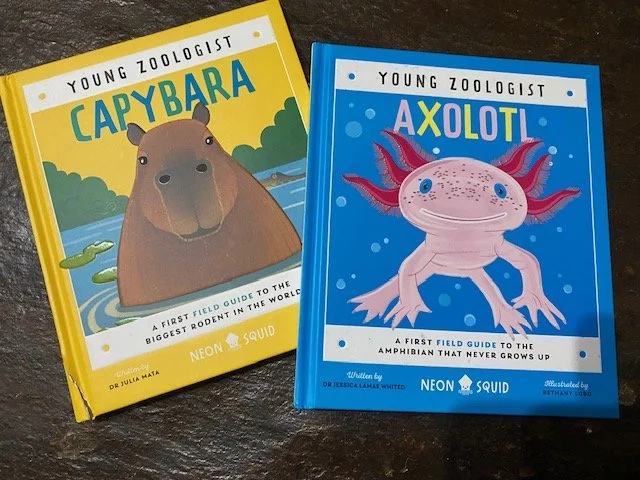
Designed to inspire young biologists, the ‘Young Zoologist’ series offers ‘a first field guide…’ to a whole range of creatures. Children with an interest in nature are sure to want to collect the whole set and school libraries and classrooms would benefit from having these texts on their shelves, both for research and for general interest.
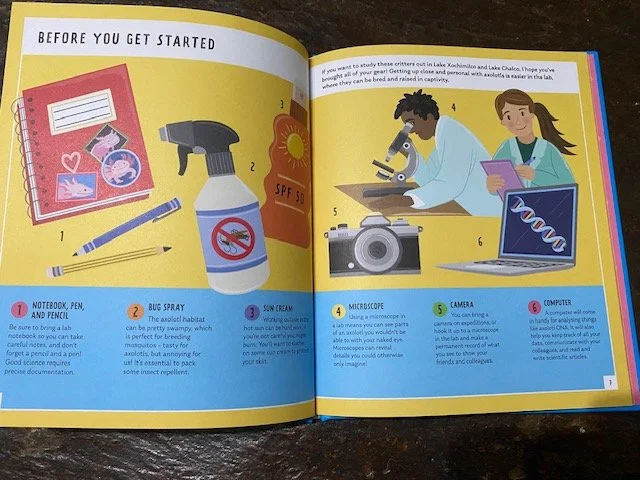
‘Axolotl’ opens with an introduction to the author and a fact file which offers an excellent overview of these fascinating creatures. Each spread has a clear heading introducing its topic with information presented in clear sections under side headings, making it easy to navigate.
Bright and appealing illustrations accompany information on the axolotl’s life cycle, mating rituals and other members of the salamander family. The book also offers information on how studying these creatures might be beneficial to humans, such as helping those with spinal injuries. As axolotls are found in Mexico, they feature in Aztec mythology, something which is also covered in the book.
A very informative and attractive book.
Young Zoologist: Axolotl
Dr Jessica Lamae Whited, illustrated by Bethany Lord
Neon Squid ISBN: 978- 1916745094
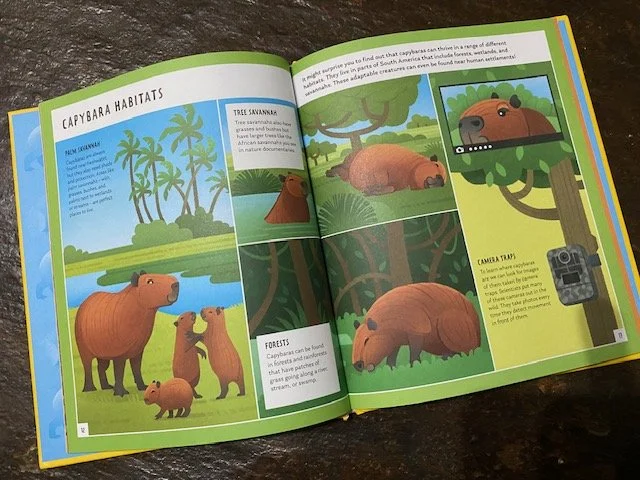
Dr Julia Mata opens the book by introducing herself and her interest in capybaras. A fact file including the scientific name, classification and where they are found, indicates that there are two species, the greater and lesser capybara.
Clear page headings introduce each spread and side headings make it easy for readers to locate information, which is presented in concise, easily digestible chunks. A glossary at the end of the book clearly explains terms which are used in the text.
Having ‘met’ the capybara on a spread with a labelled diagram, other members of the rodent family are introduced. The book offers information about their habitats, dietary requirements and life cycle. Readers also learn about the impact they have on their ecosystems and the threats they face from predators, including humans. Colourful illustrations throughout make the book appealing.
Young Zoologist: Capybara
Dr Julia Mata, illustrated by Greco Westermann
Neon Squid ISBN: 978-1916745087
Tales of Ancient Worlds: Adventures in Archaeology
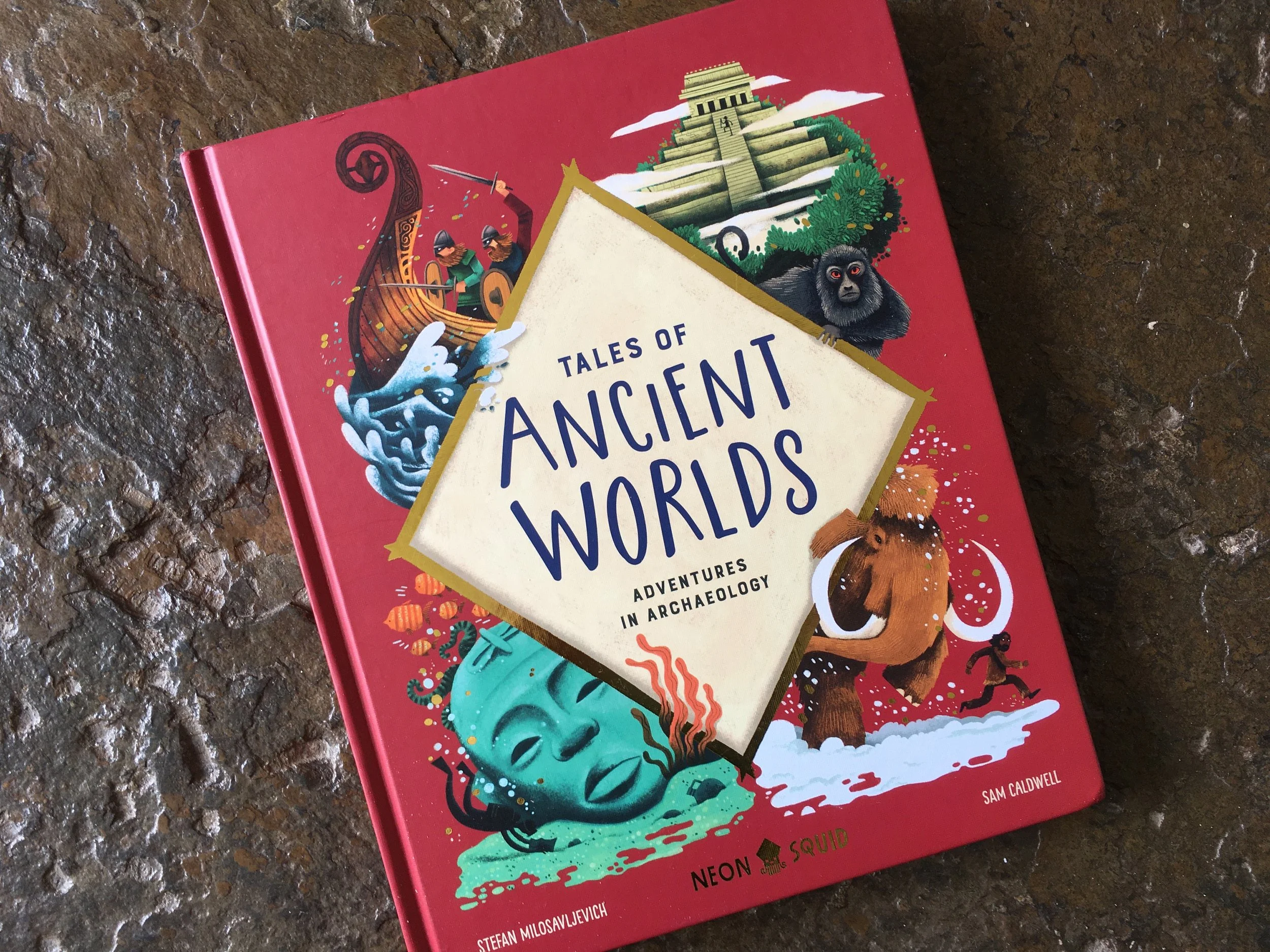
Bringing the world of the archaeologist to life, ‘Tales of the Ancient World’ is sure to bring out the Indiana Jones in every reader! Starting with an explanation of what archaeology is, the enthusiasm of the author, Stefan Milosavljevich, is infectious as he leads the reader through some incredible discoveries from the ancient world made by archaeologists.
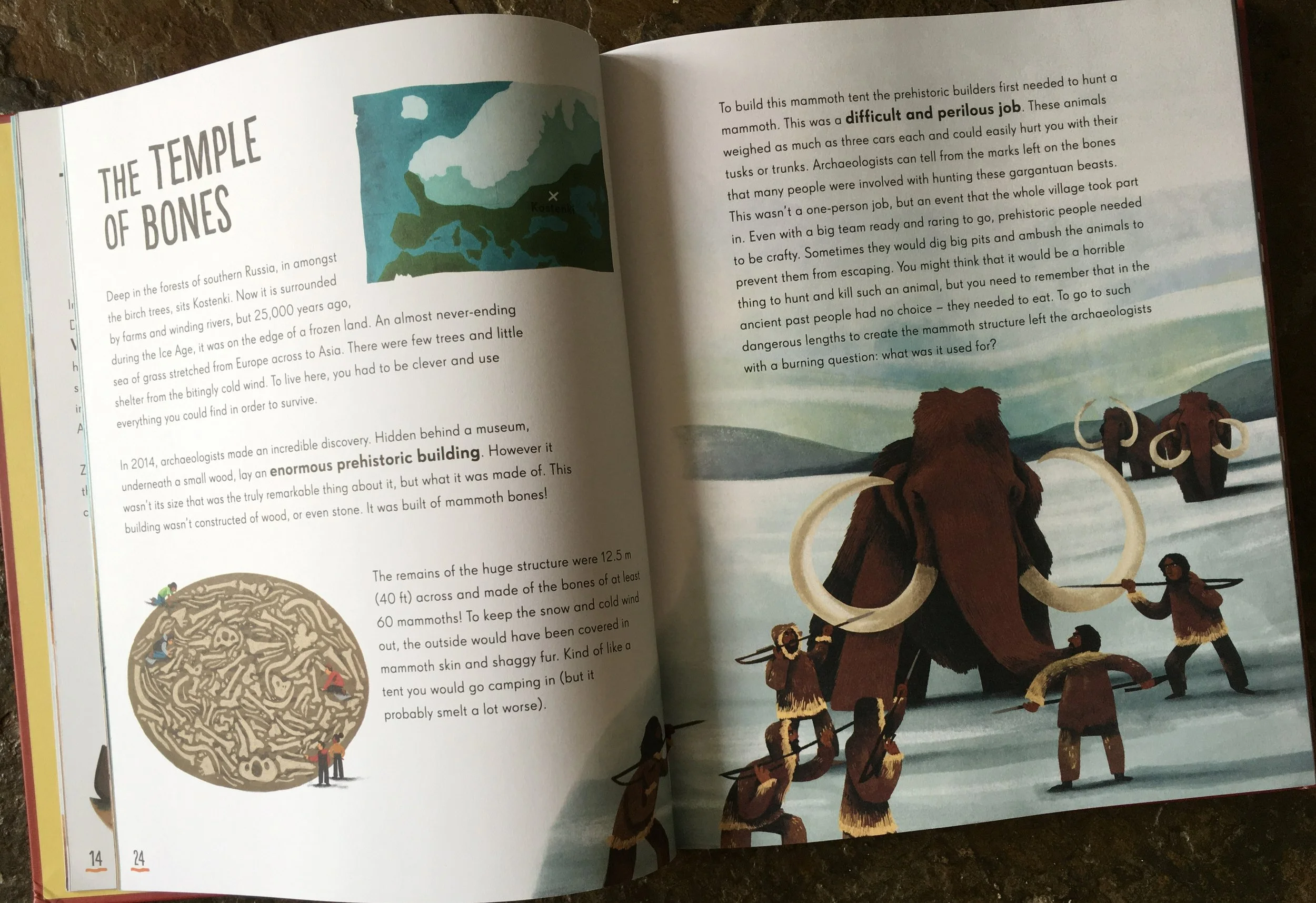
‘Tales of Ancient Worlds’ covers many areas focused on in the history curriculum for KS2- the Stone Age, the Maya, the Indus Valley and Ancient Egypt amongst others- offering additional interest and details for children to discover. It would be a great addition to book corners, libraries or topic boxes, enabling children to explore different discoveries and to inspire archaeologists of the future or to spark an interest in a new area.
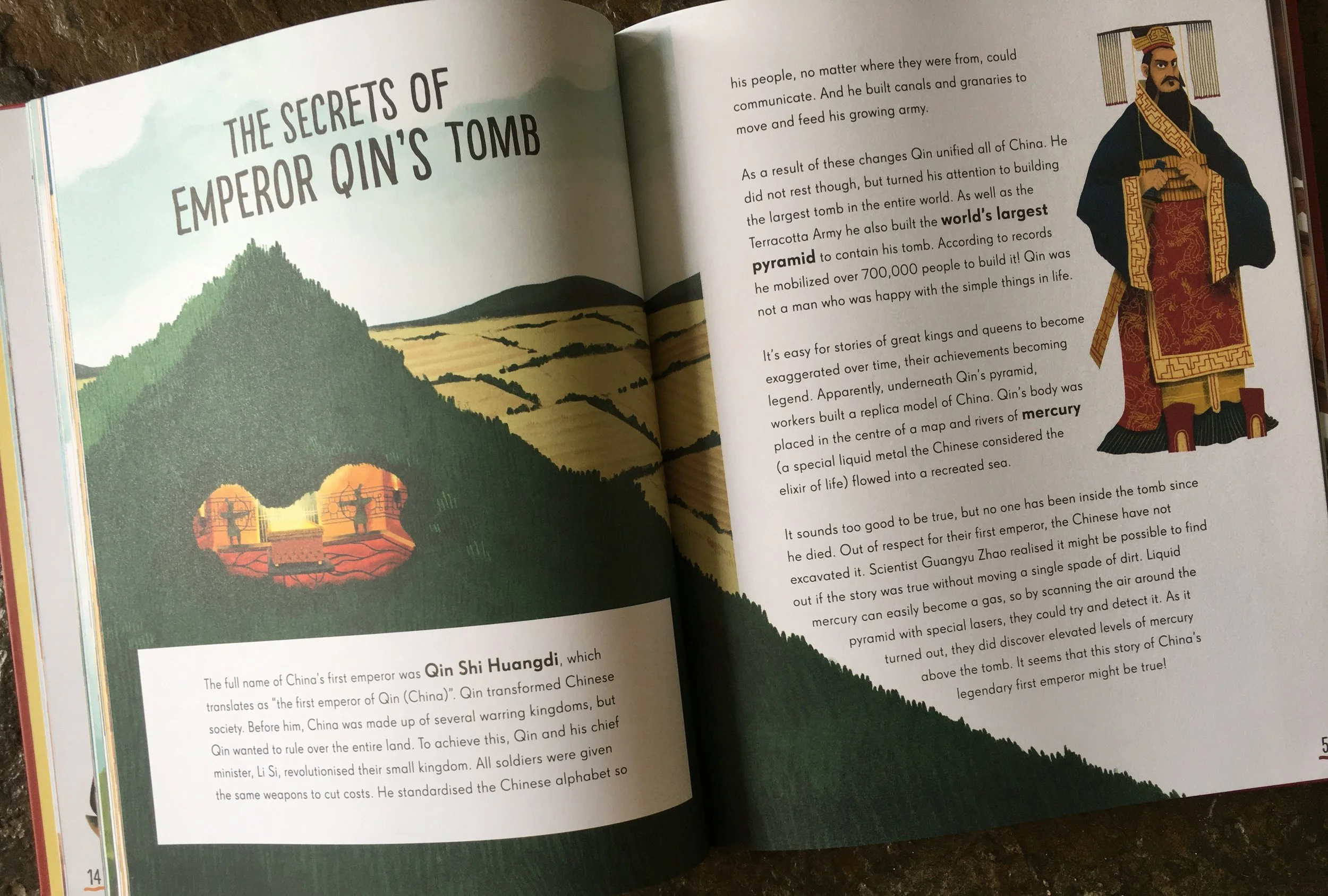
The book offers a fascinating mix of well known finds such as the terracotta warriors and Stonehenge with lesser known stories like the warrior of Bover or the city at the bottom of the ocean, Thonis-Heracleion. The discovery of each site is explained and changes in archaeological methods explored, acknowledging mistakes of the past and the importance of combining local knowledge with scientific methods.
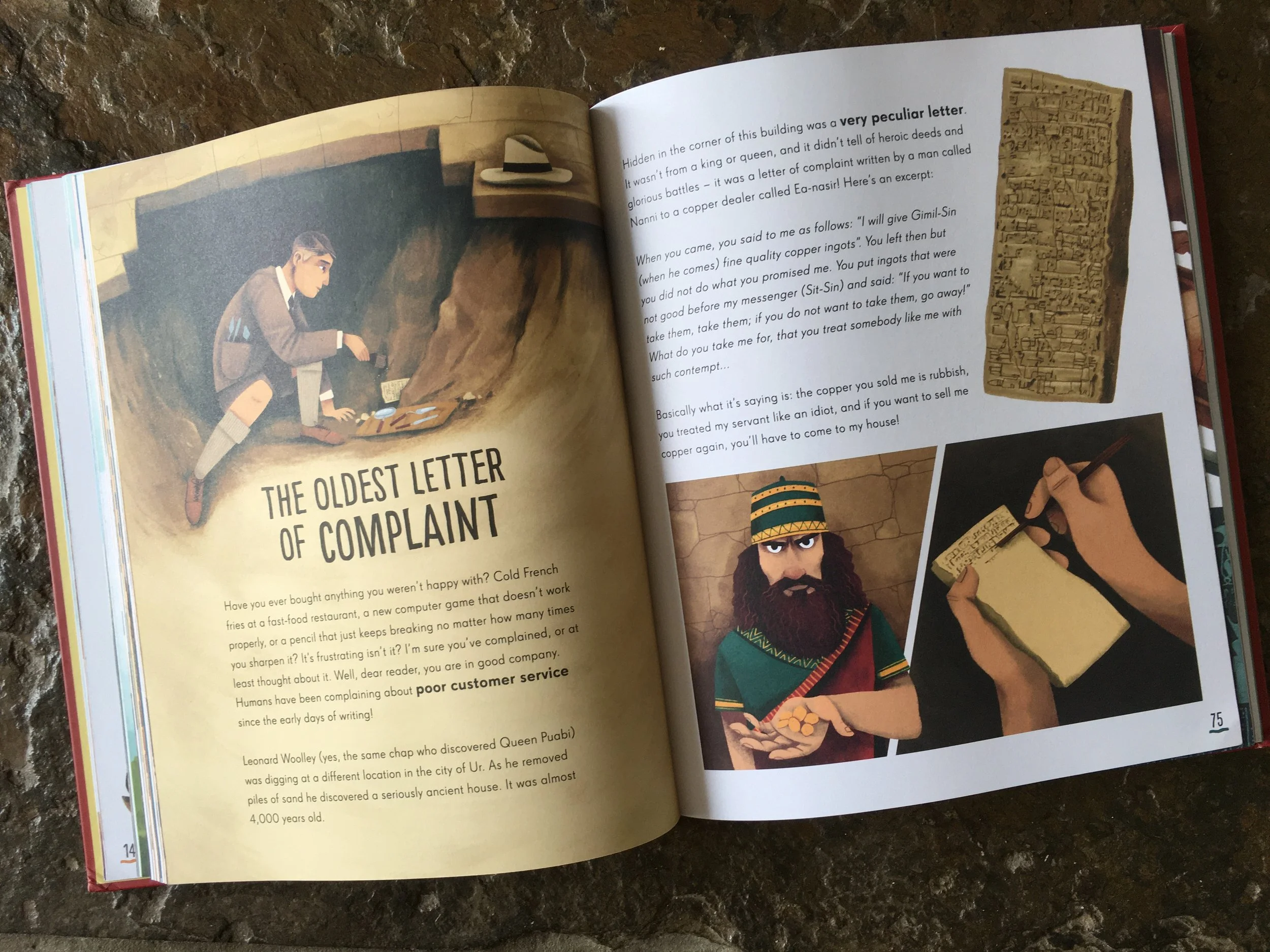
Written in a chatty, accessible style, ‘Tales of Ancient Worlds’ also has a clear glossary of terms, a detailed index and contents, making it easy to locate information on particular topics. Each spread is fully illustrated with drawings by Sam Caldwell, including maps showing where in the world the discoveries were made.
Need to get this into school as soon as possible!
Tales of Ancient Worlds: Adventures in Archaeology
Stefan Milosavljevich, illustrated by Sam Caldwell
Neon Squid ISBN: 978-1838991562