Bristol Castle
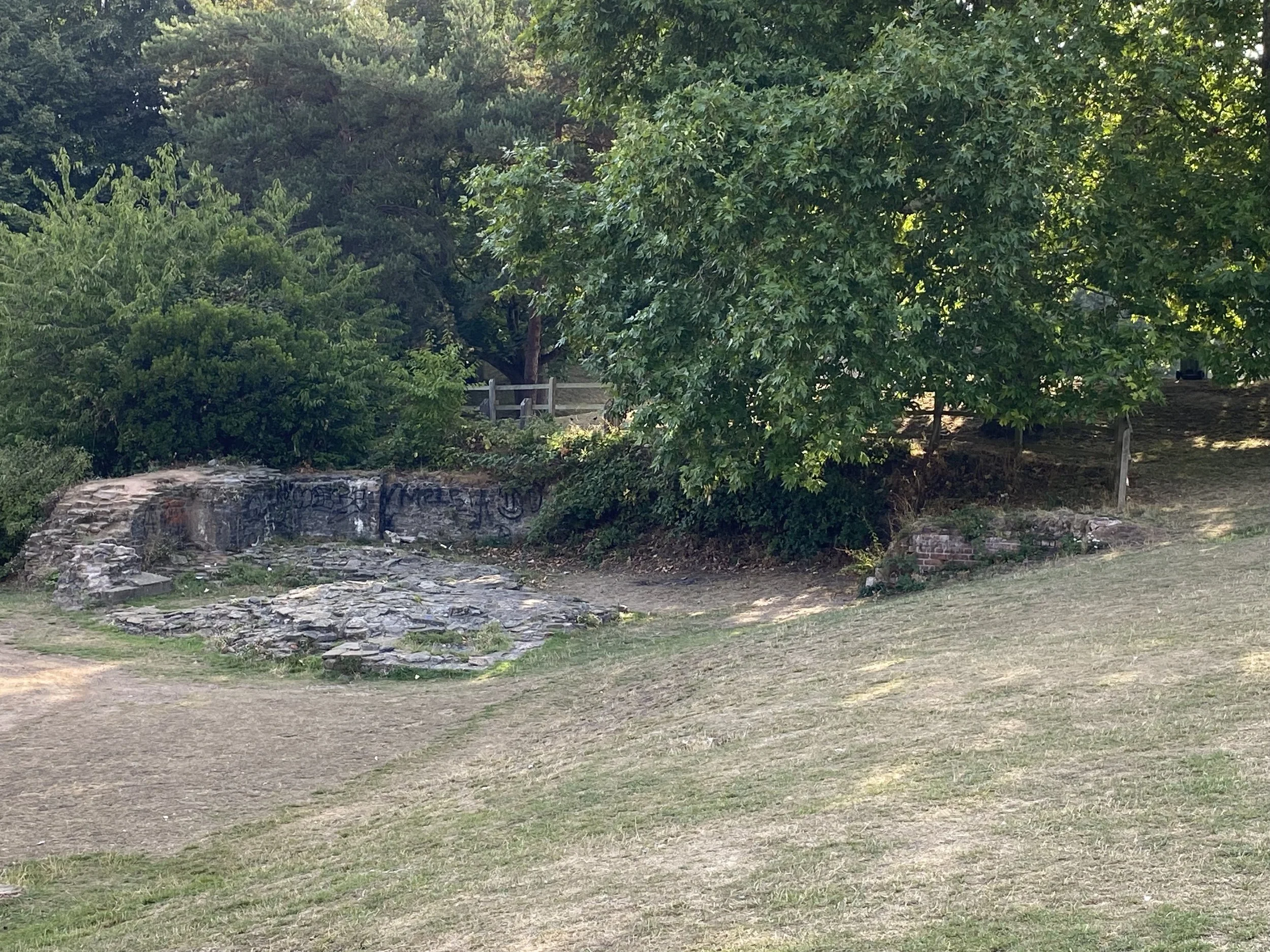
This is all that remains of Bristol Castle, once a great fortress. The first record of a castle here is in 1088 when a motte and bailey structure was built here at the time of William the Conqueror. Later owned by Robert FitzHamon, it became an important royal castle and was the scene of several imprisonments and executions. Modified and further fortified between the 12th and 13th centuries under Robert of Gloucester and King Henry III, it play a key role in the Civil War between cousins Stephen and Matilda. King Stephen was imprisoned here in 1141 until Robert of Gloucester was also captured and the prisoners were exchanged. In 1630, the city bought the castle and when the Civil War broke out, the city took the side of Parliament, partly restoring the castle. However, Royalist troops occupied Bristol and, after it was recaptured in 1645, Oliver Cromwell ordered the destruction of the castle.
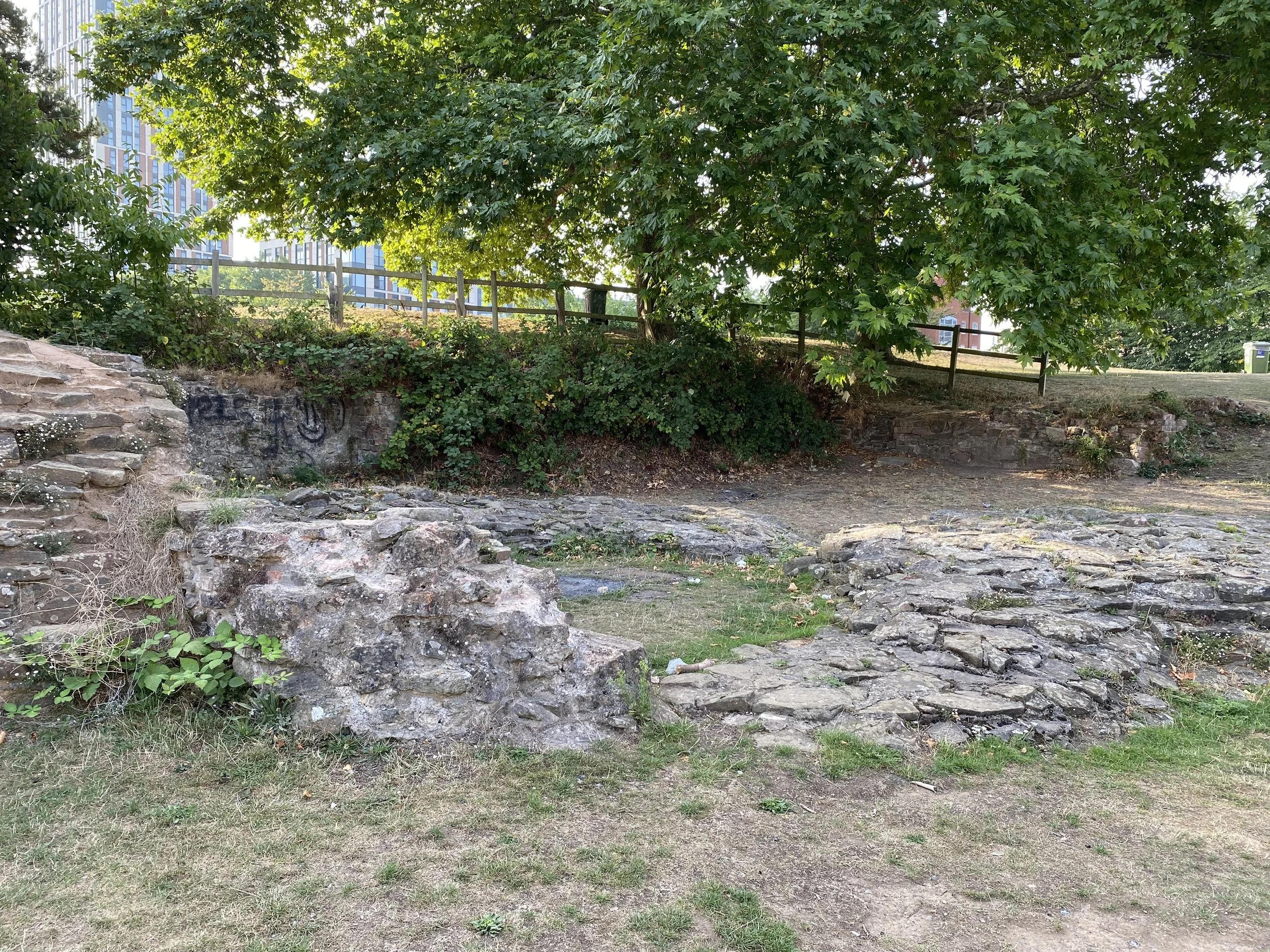
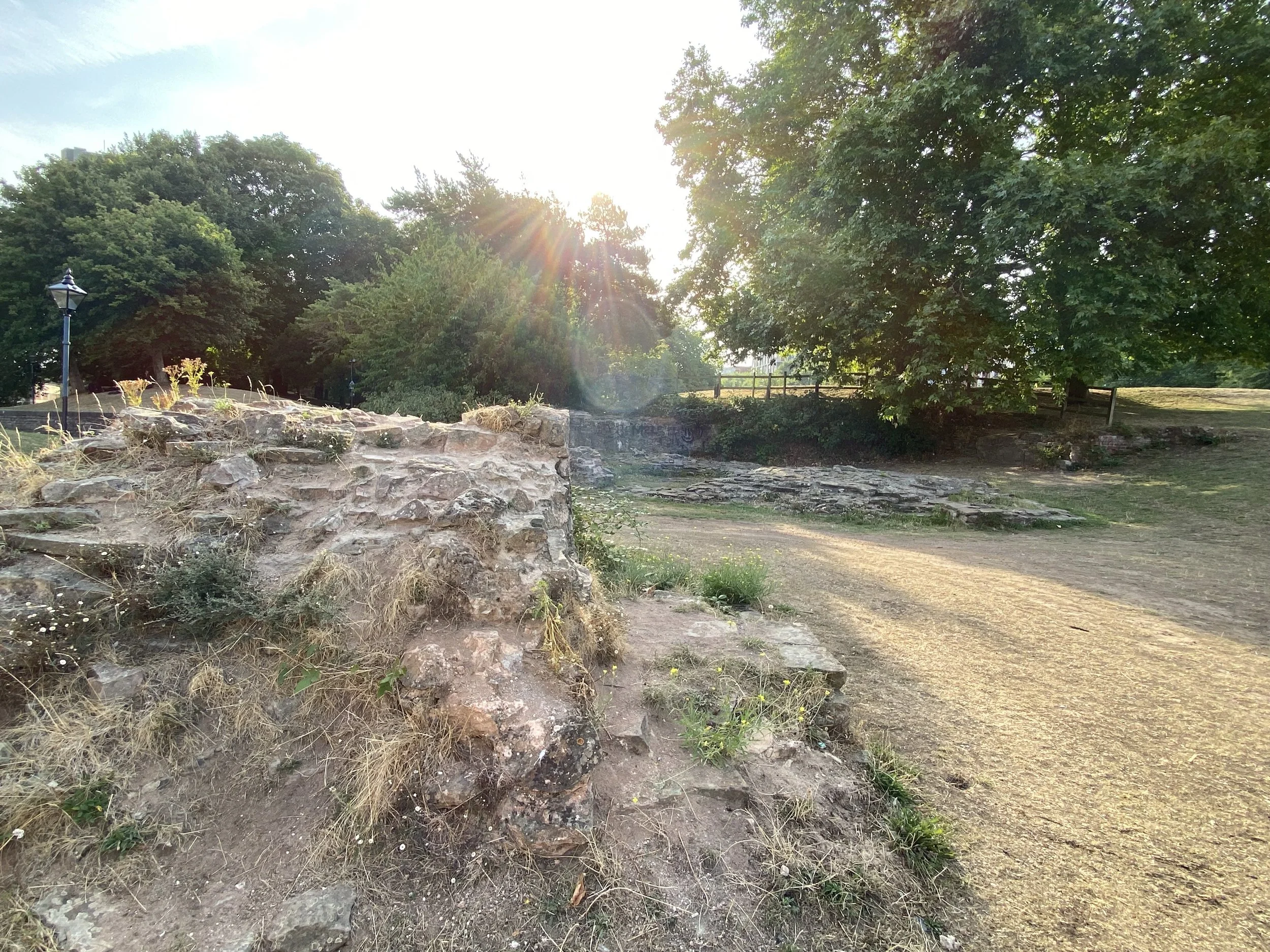
The area was redeveloped, but was largely destroyed by the Bristol Blitz and the area has now been redeveloped as a public space, Castle Park, for everyone to enjoy.
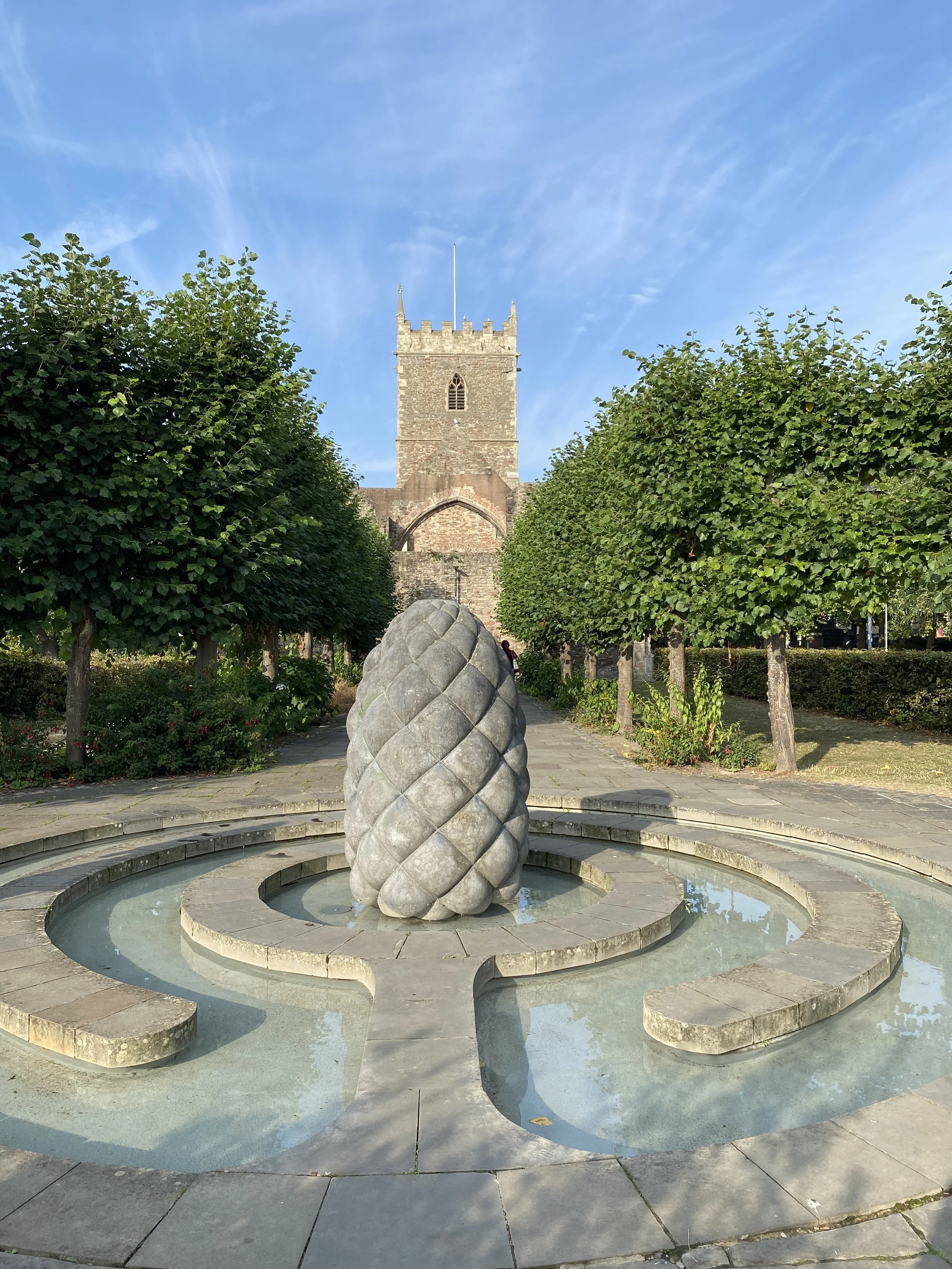
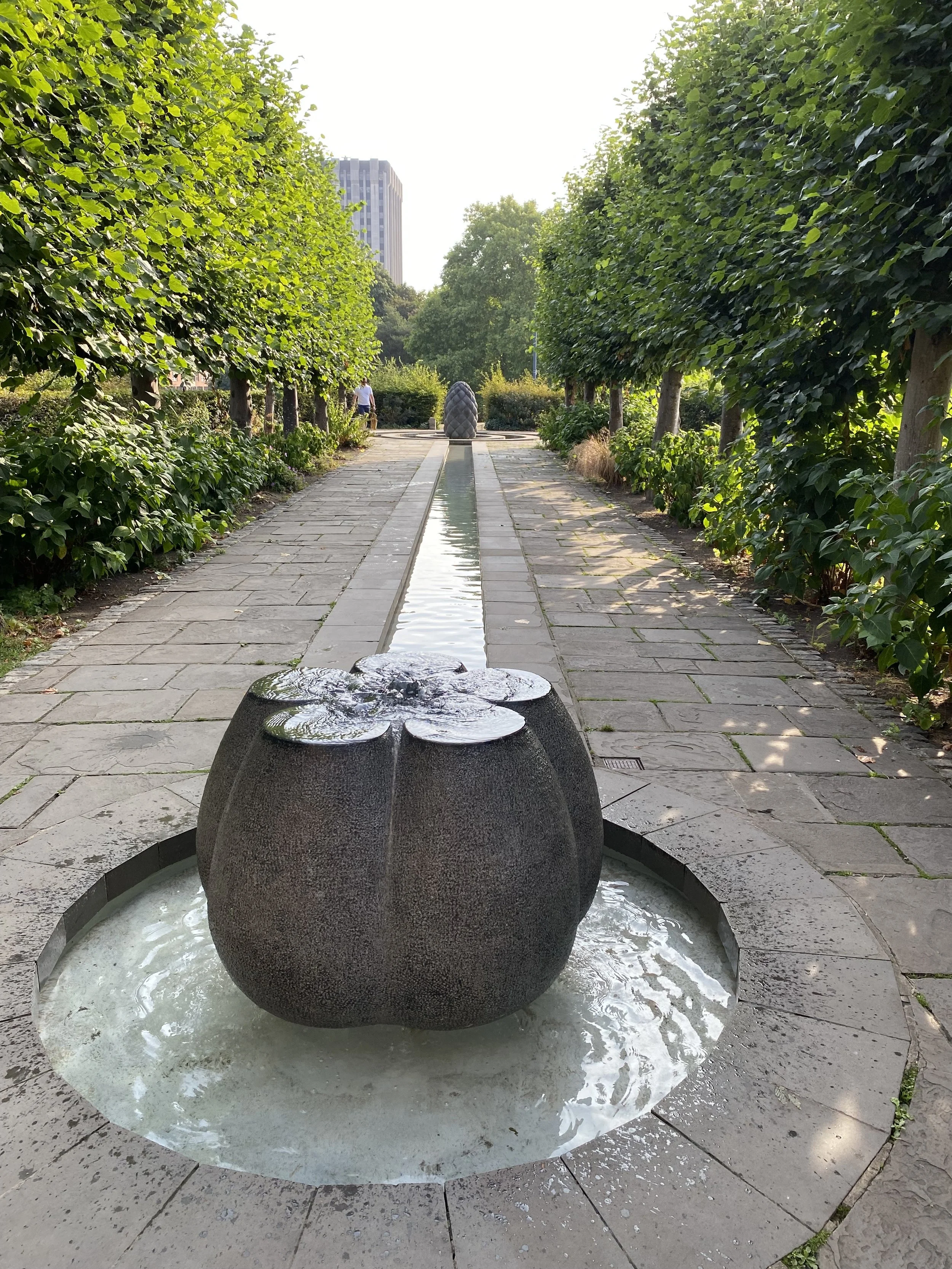
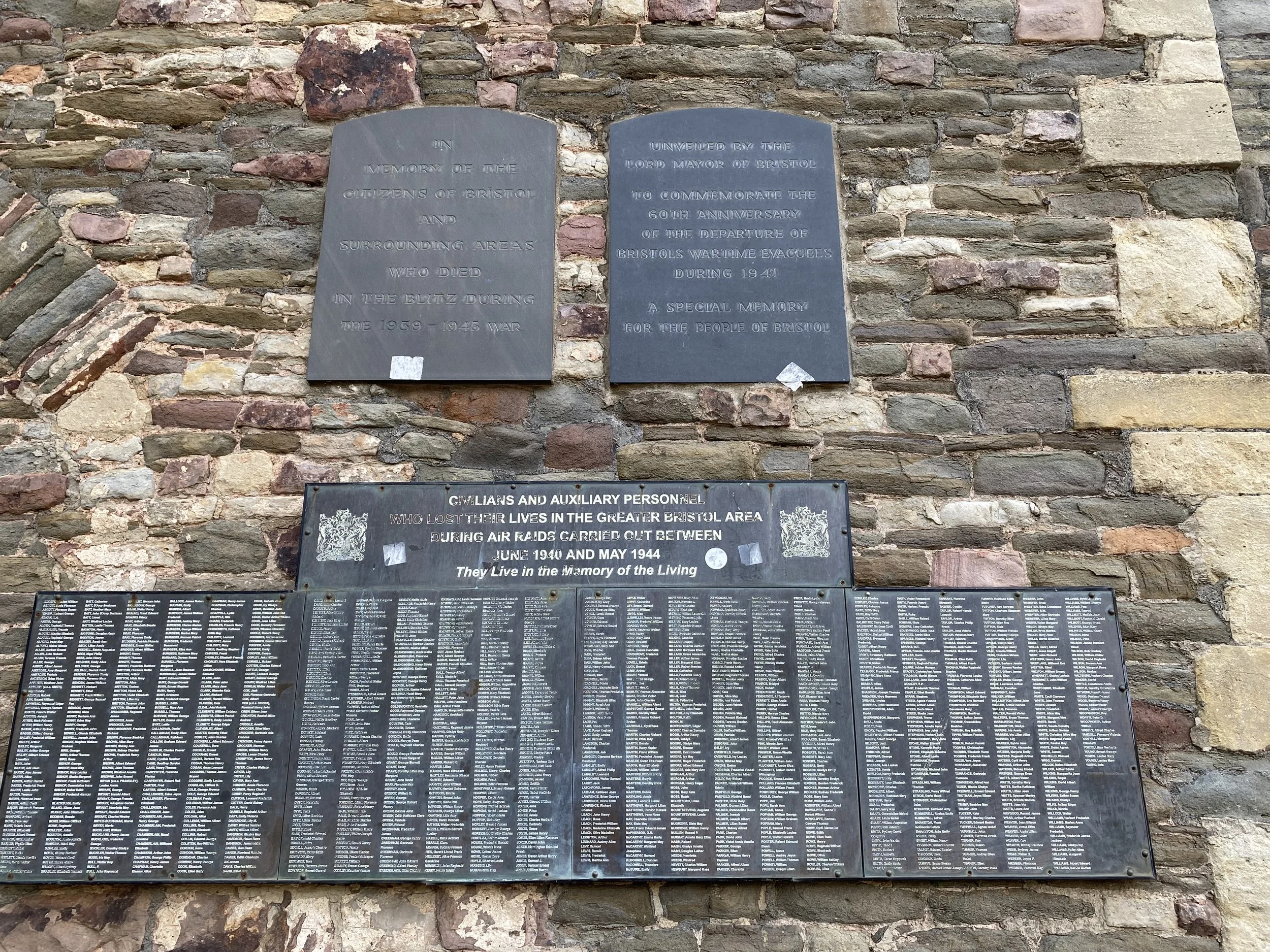
In November 1940, Bristol was heavily bombed, leaving most of the central area in ruins. St Peter’s Church, which stands in the middle of Castle Park, was gutted by fire, but its scorched walls remained standing. Now a memorial to the victims of the Bristol Blitz,
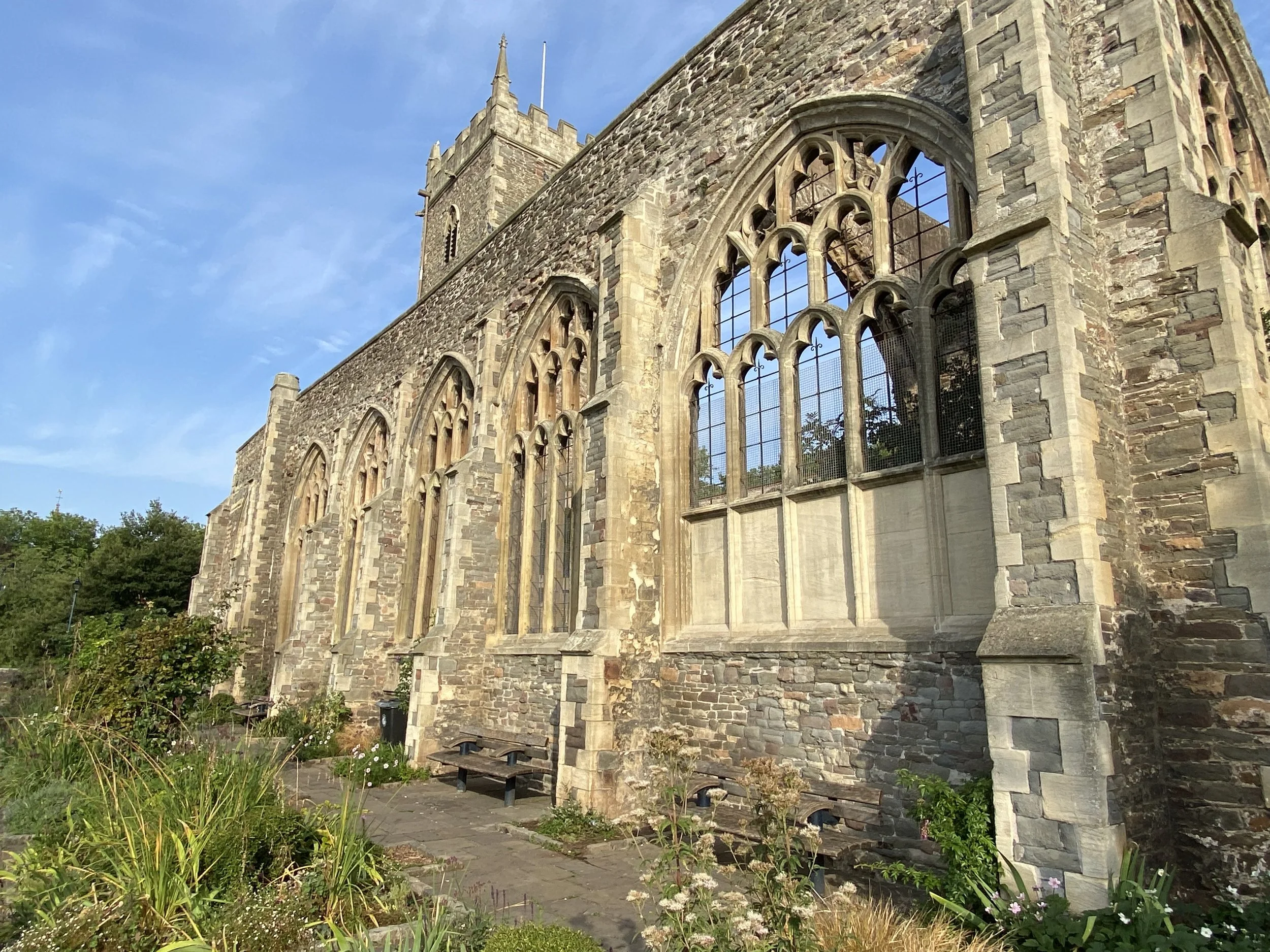
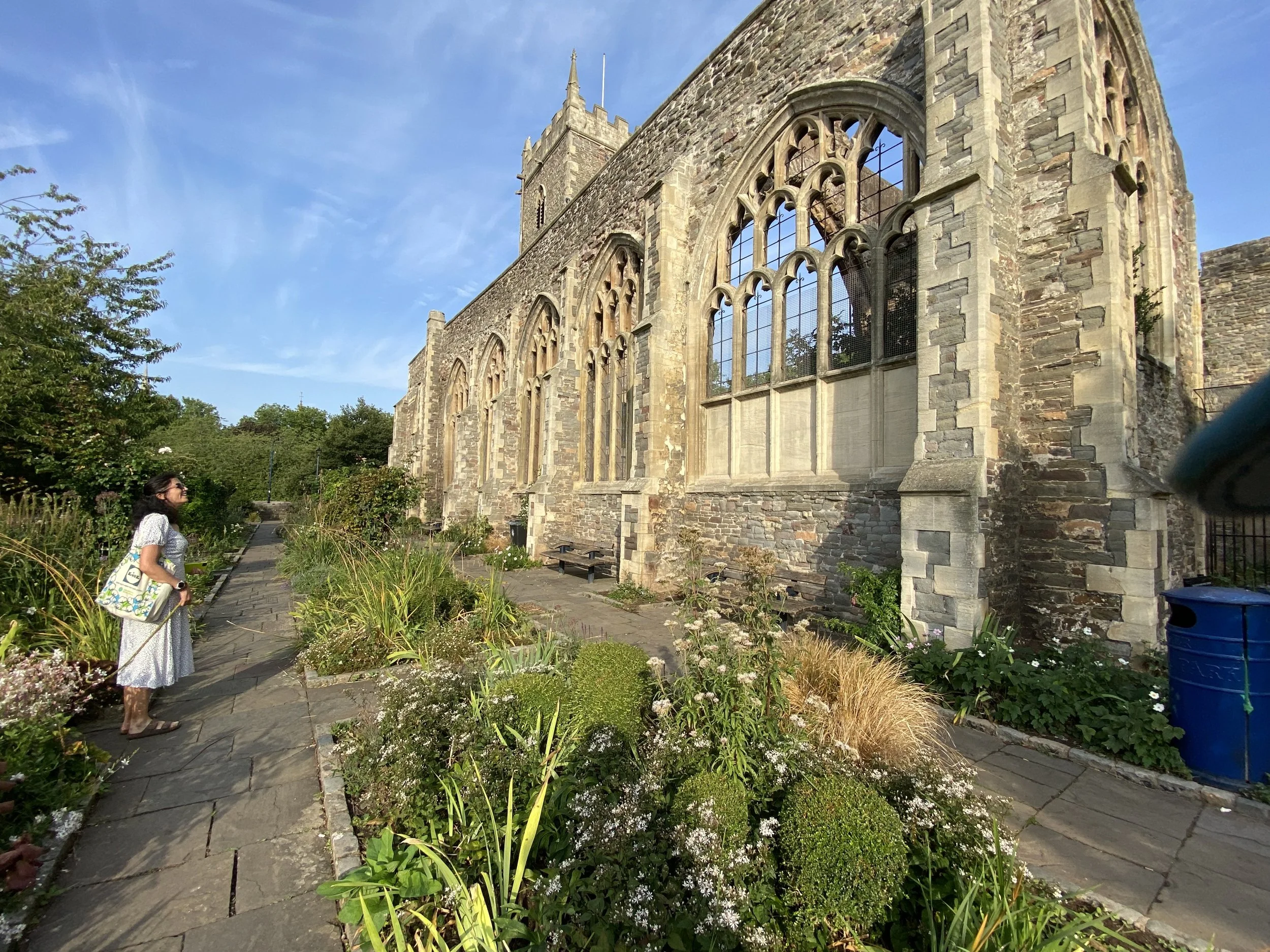
The church ruins are not open to the public. Although there are obvious signs of work taking pace inside its walls, the site is not safe for people to wander around. It is, however, possible to look through into the church interior and the surrounding area has been developed into a peaceful garden for everyone to enjoy.
Castle Park,
Bridge St,
Bristol