
Godstow Abbey
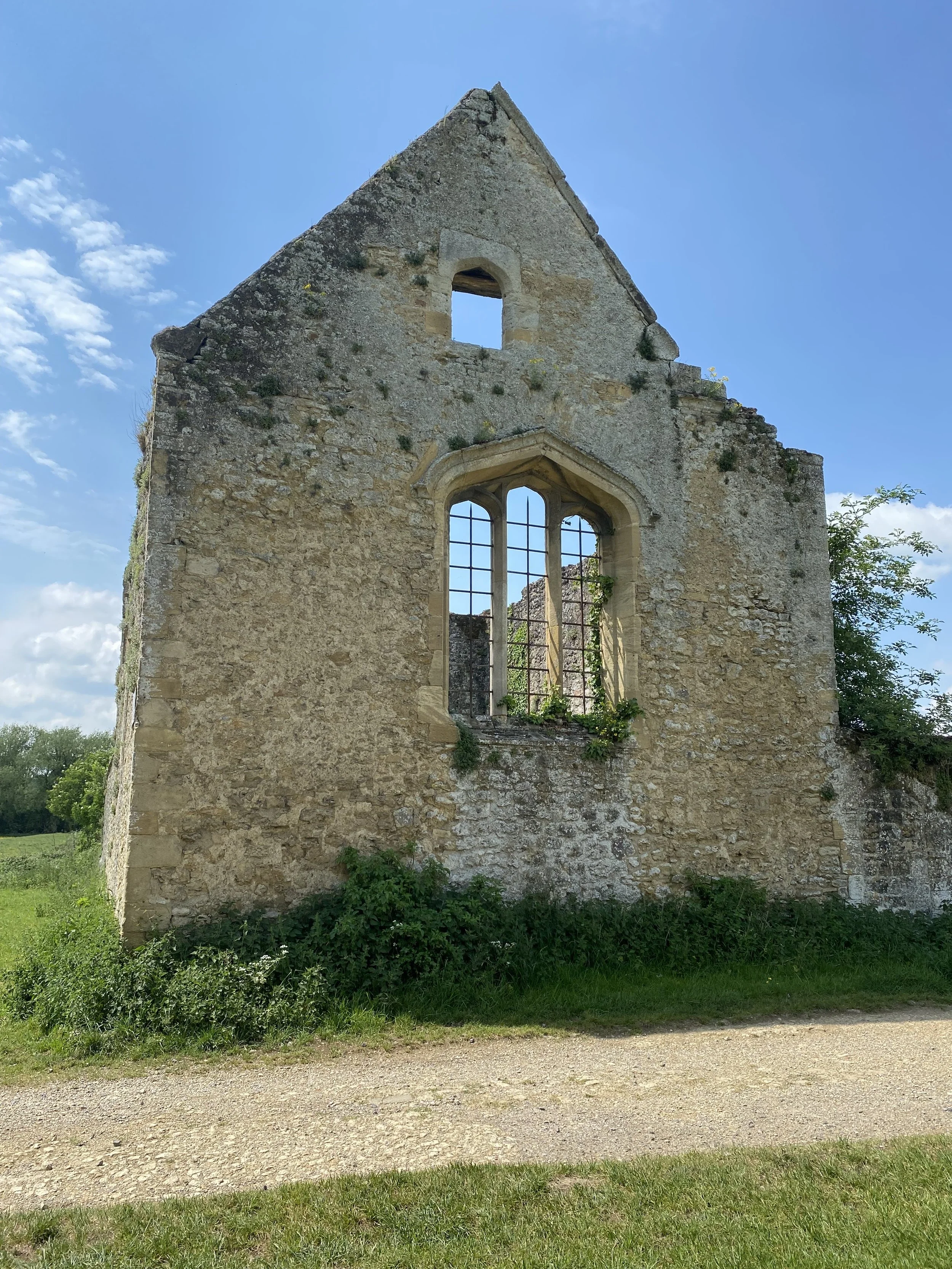
Godstow is a tiny village close to Oxford on the banks of the River Thames. On the river bank stand some ruins, all that remain of a medieval nunnery which were the reason for my visit!
When I arrived in Godstow, a great many people seemed to be visiting the Trout Inn. Narrow roads over bridges and no where to stop made me wonder whether I was going to be able to stop and walk to the abbey. However, having spoken to a very helpful couple on their way to the pub, I learned that there is a car park further down the road, known as Port Meadow North. Successfully parked, I was free to explore!
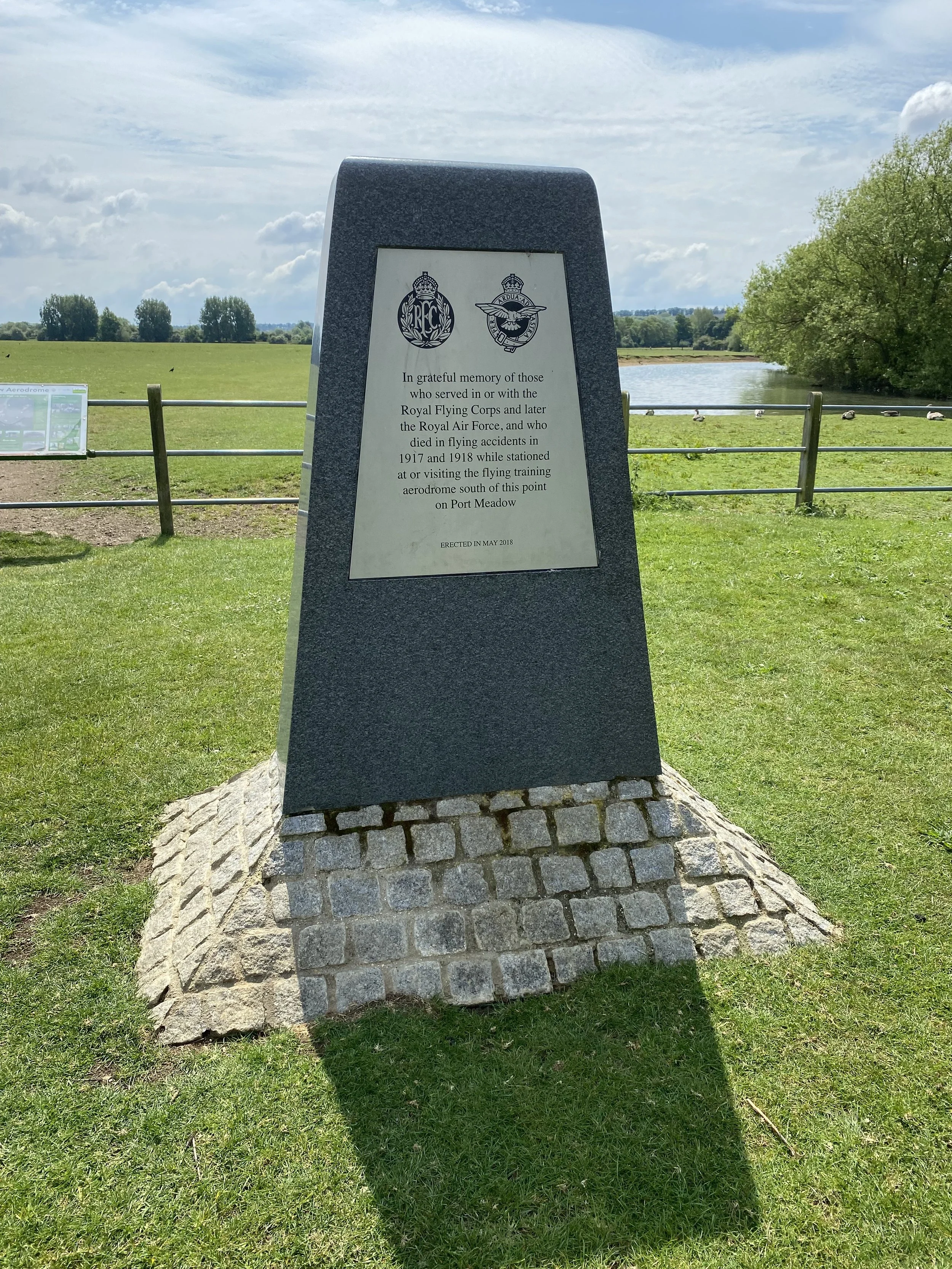
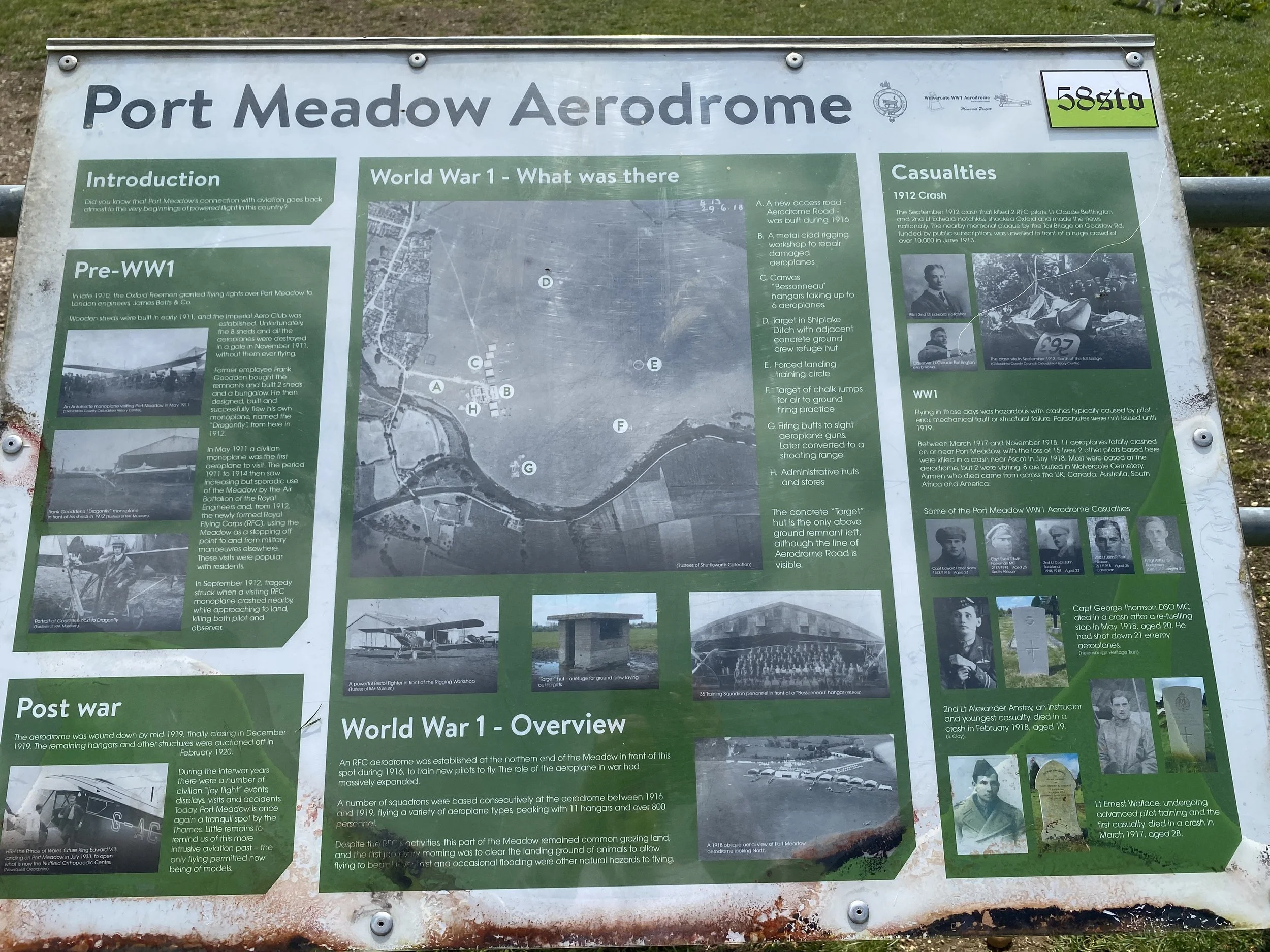
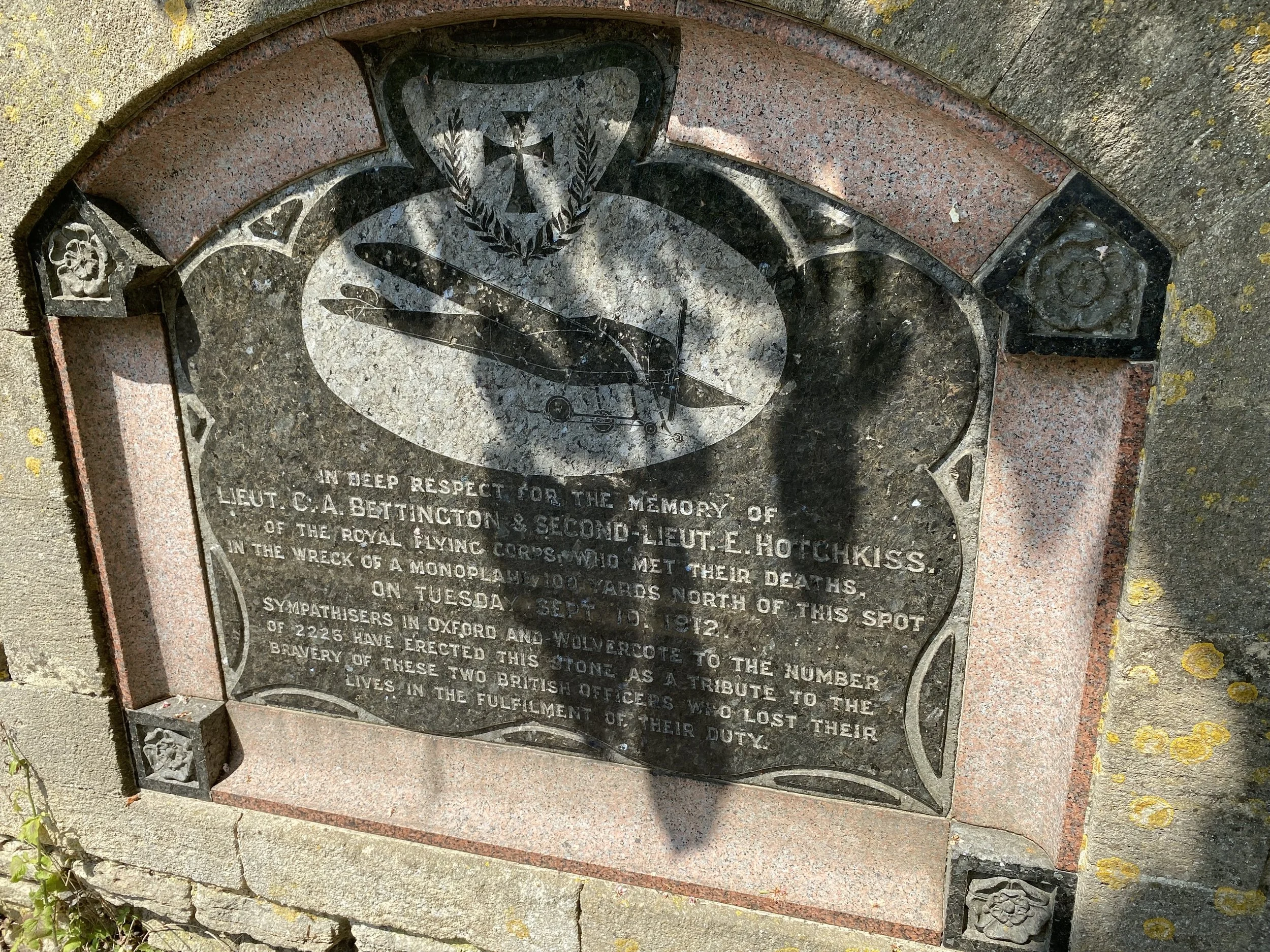
Spotting a nearby monument, I had to go and have a look. Unveiled on the 23rd May 2018, this memorial remembers the 17 airmen who died while training on Port Meadow flying aerodrome in the First World War. A plaque offering further information is nearby, but this area is now obviously greatly enjoyed by walkers, with and without canine companions! Leaving the car park and following the road over the bridge towards the Trout Inn, there is another plaque which refers to two officers of the Royal Flying Corps who, in 1912, crashed in their monoplane to the north of that bridge, which was renamed in their honour.
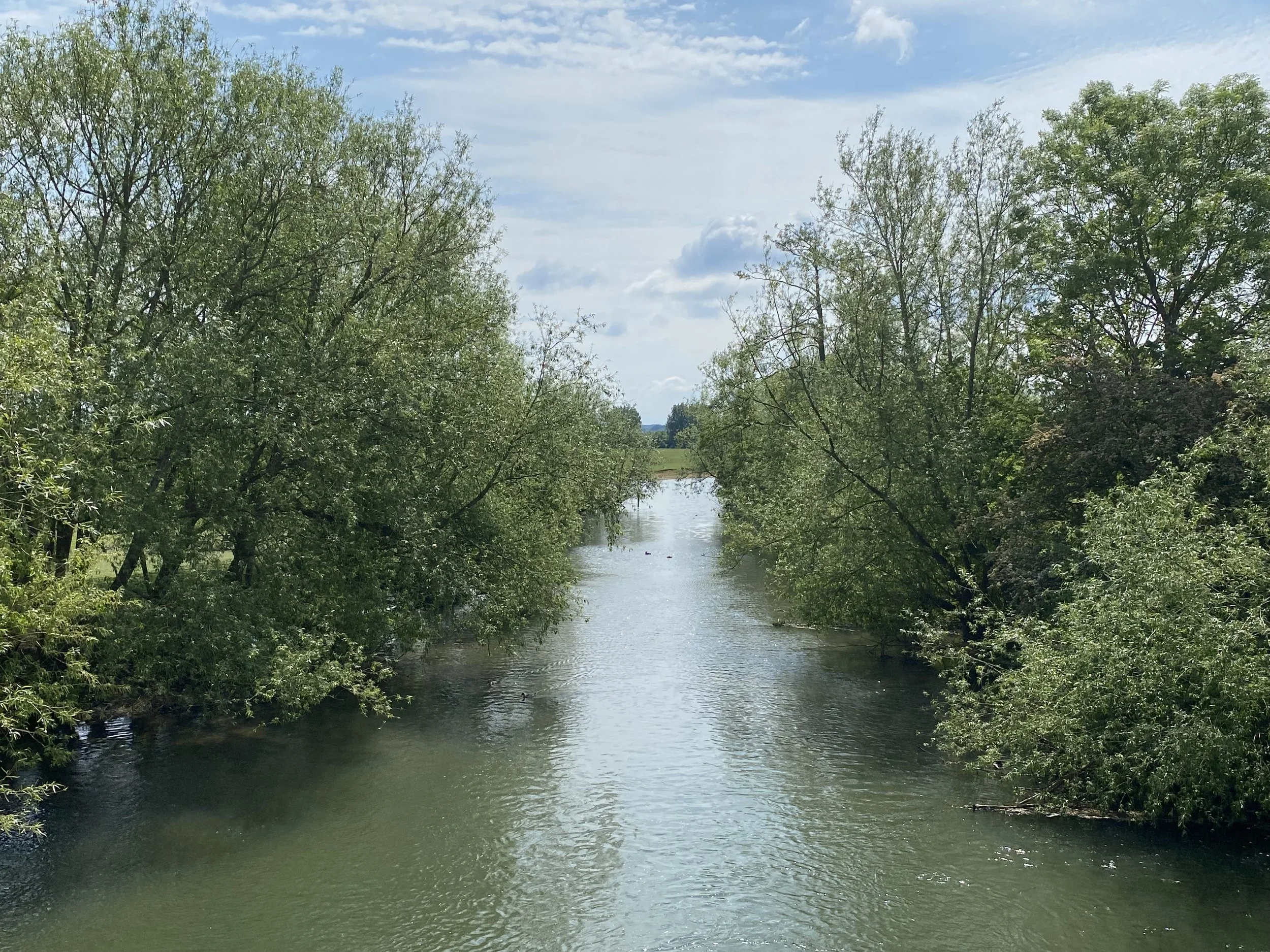
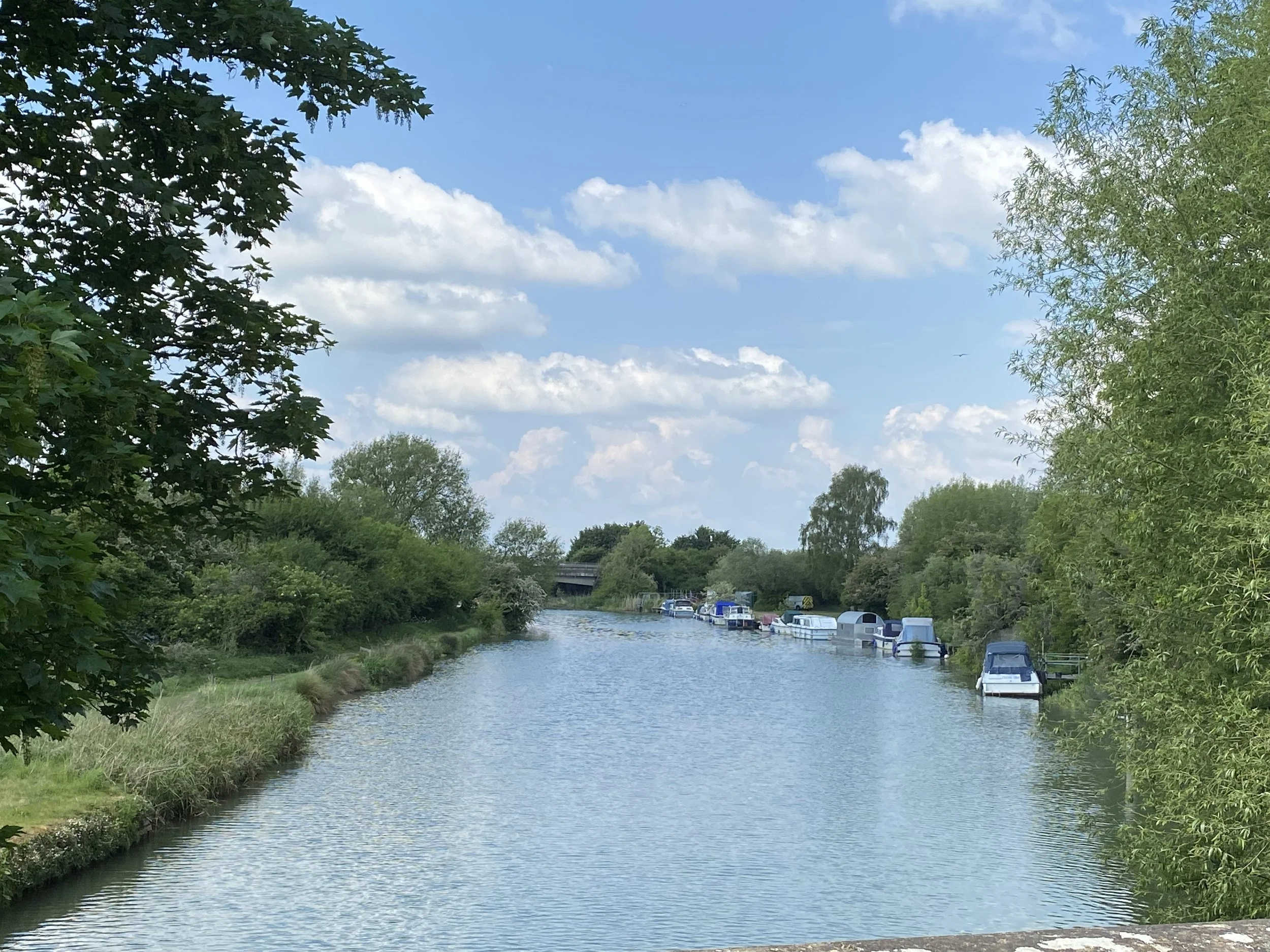
Just beyond the Trout Inn, pass through a gate and join the Thames Path. To the right are the ruins of Godstow Abbey, once the final resting place of Rosamund Clifford, mistress of Henry II. Founded by Edith of Winchester in 1133 the story goes that Edith (or Ediva) had a vision telling her to settle near Oxford and wait for a sign from God bidding her to build a place in his name. She stayed for some time at Binsey when, one night, she heard a voice bidding her to go ‘where a light from heaven' reached the ground, and there build a nunnery. Looking north, she saw a light over Godstow. Edith went to Henry I, told him of her vision and the king approved of her new foundation.
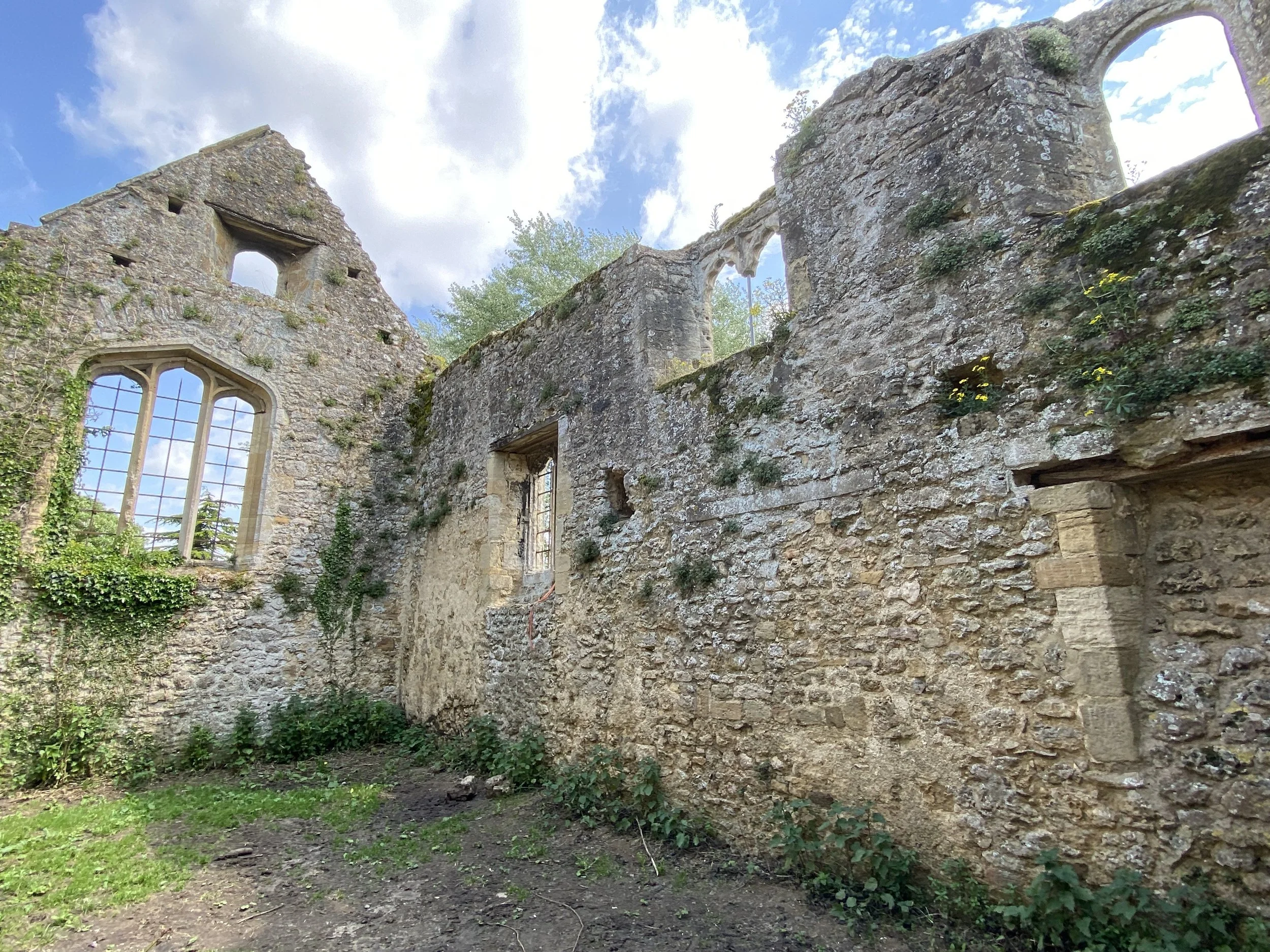
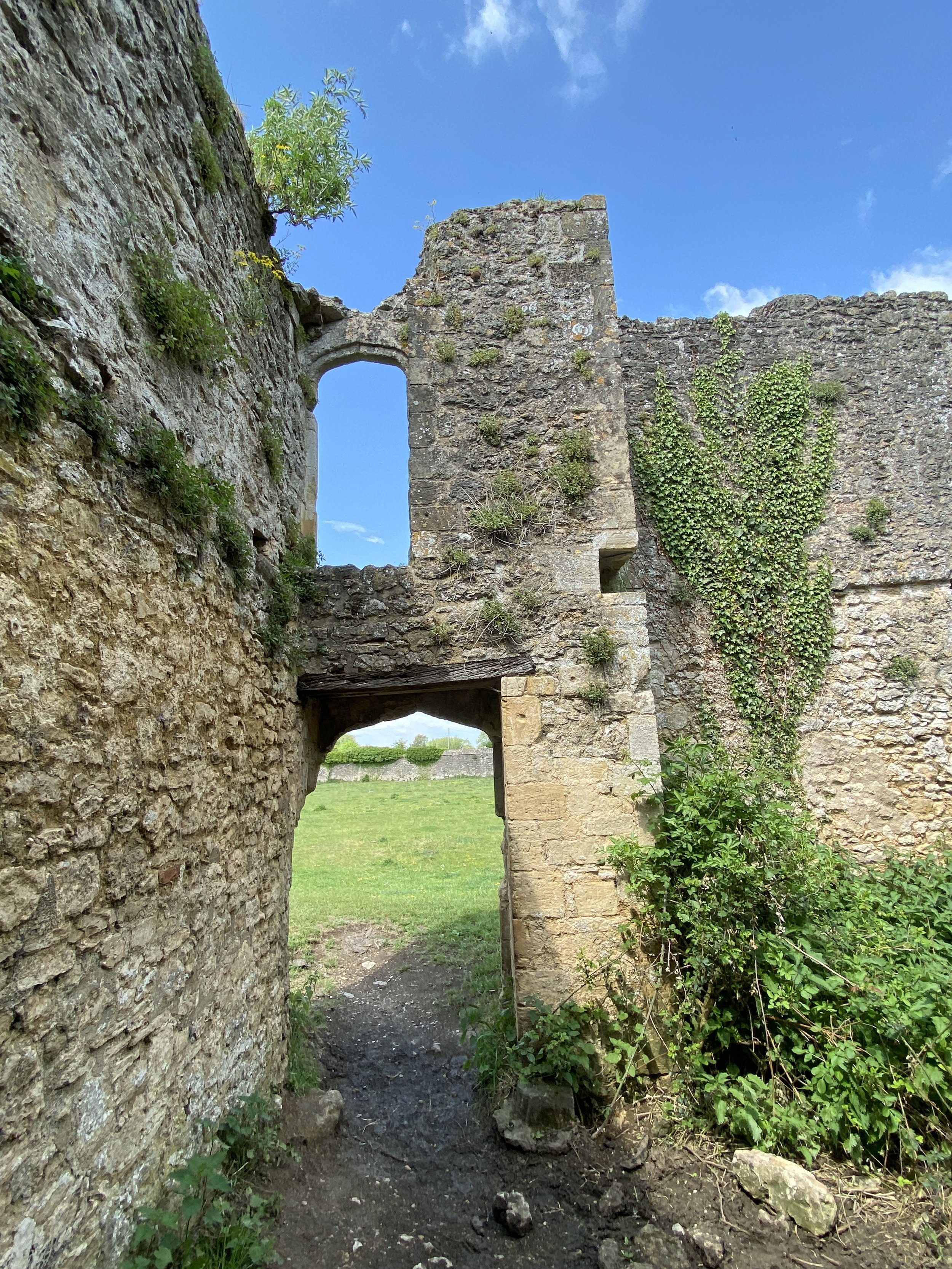
Tradition says that Rosamund de Clifford, Henry II's mistress, was educated at Godstow Abbey and that she died and was buried here in 1176. There is no evidence to support the tale that she was poisoned by Queen Eleanor, who was jealous of her relationship with the King.
At the time of the Dissolution, the abbey was given to Henry VIII's physician, George Owen who tore down the abbey church and built a mansion called Godstow House. In 1645, Godstow House was badly damaged in the Civil War, and stone from the site was robbed for local buildings.
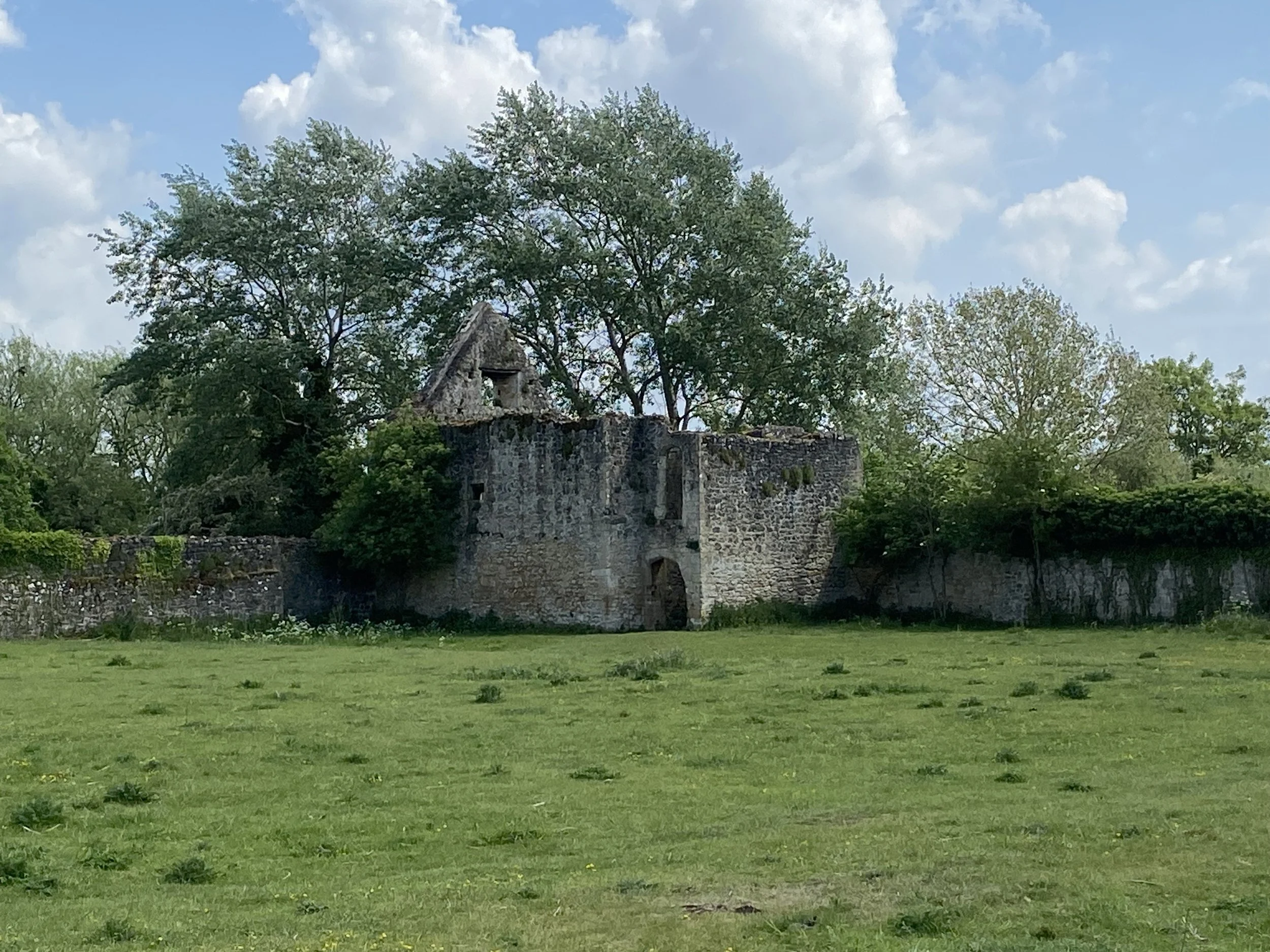
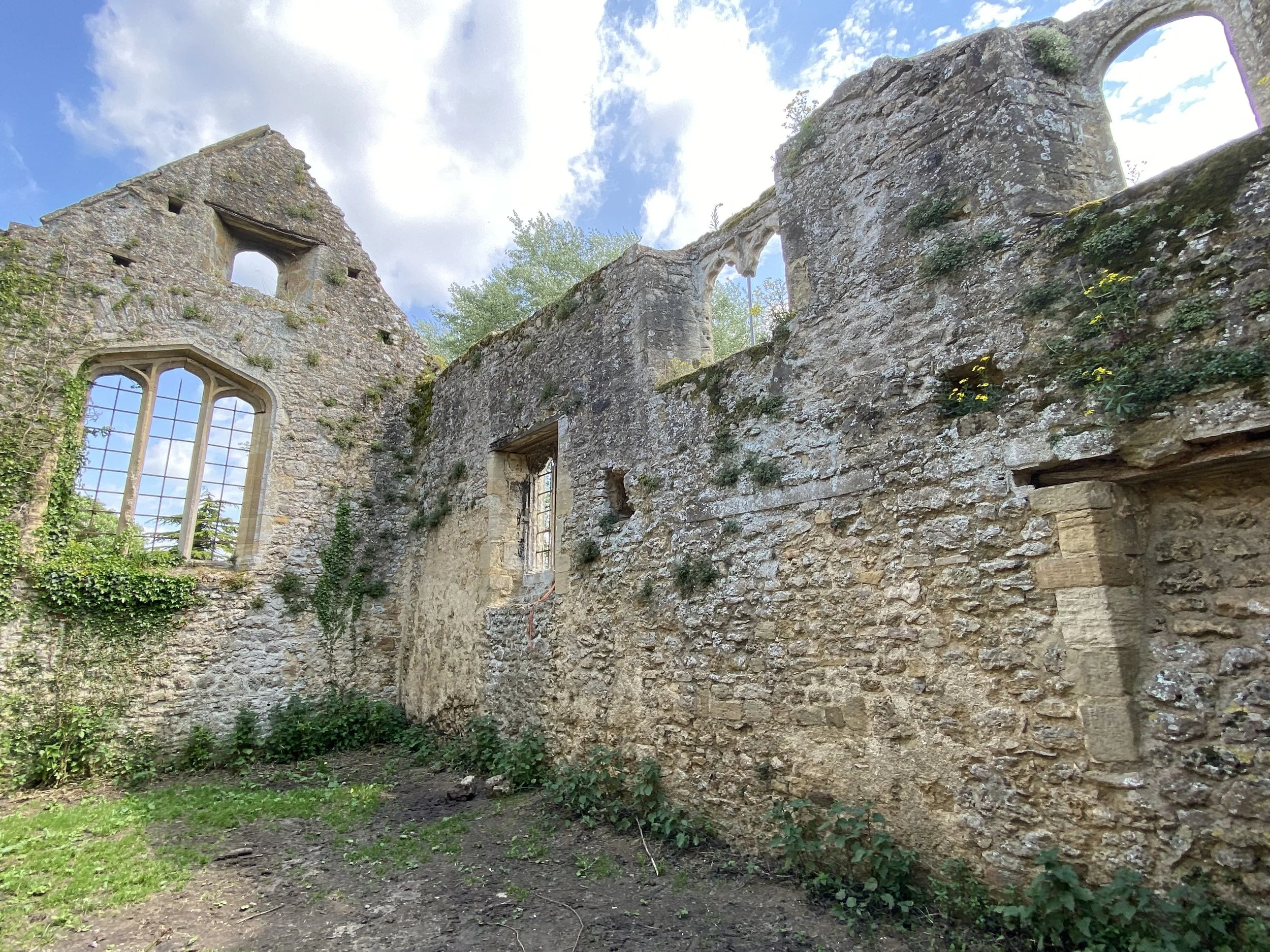
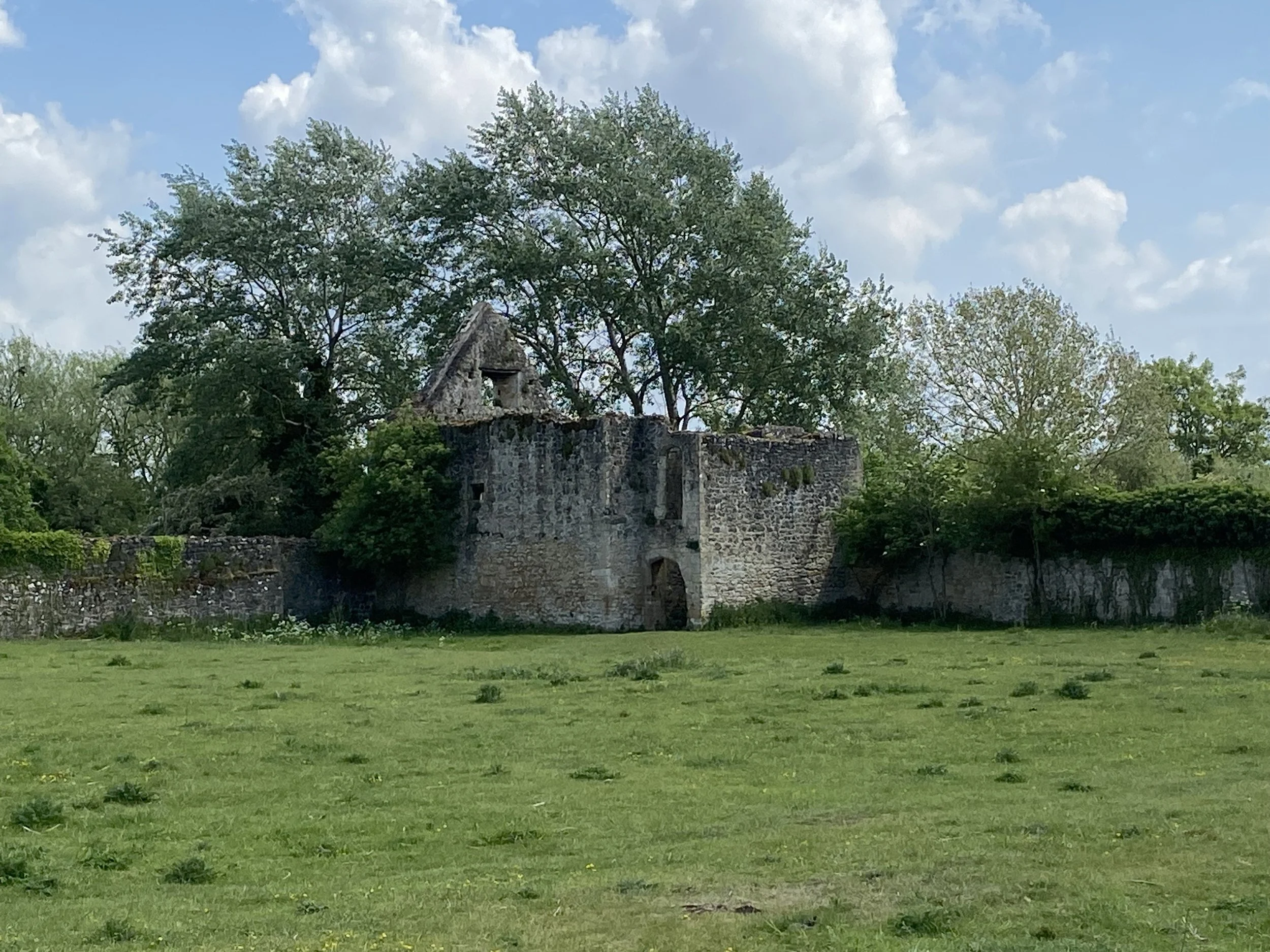
Despite the popularity of the Thames Path with walkers and the river with those in boats, the abbey ruins are surprisingly peaceful. The only building that has survived is the chapel, but ruined walls indicate the outline of the walls. Sadly, there is plenty of evidence that the abbey remains are used by people as a place for drinking, but ignoring this, it is still possible to imaging the nuns who lived here passing their days in prayer. There are no remains of Rosamund’s tomb nor indication of where it might have been.
The Abbey remains can also be reached from central Oxford by following the footpath from Folly Bridge, along the river to Binsey, a walk frequently taken by C S Lewis and J R R Tolkein.
Godstow Rd
Oxfordshire,
England,
OX2 8PN