
Shugborough Hall

Situated on the edge of Cannock Chase, Shugborough Hall is a beautiful stately home in Staffordshire. Owned by the Bishops of Litchfield until the dissolution of the monasteries, the land was eventually purchased by William Anson and remained in the family for three centuries until Patrick Anson, better known to the world as photographer, Lord Litchfield, died in 2005. The estate then passed fully into the hands of the National Trust.
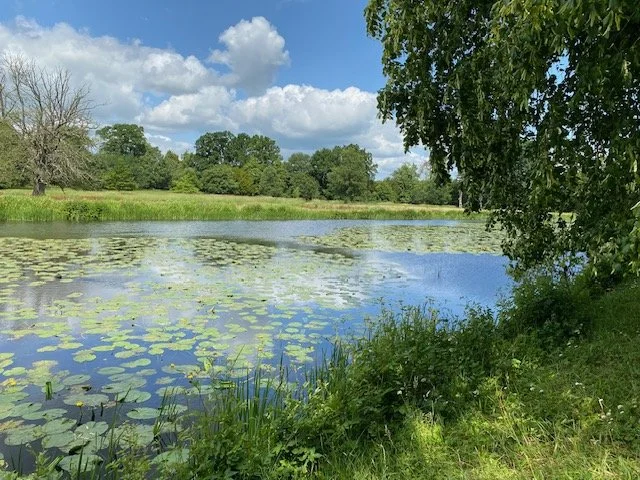
The lands surrounding the hall are huge, very beautiful and obviously, very well used by local people. The parkland is scattered with unusual monuments and follies, like the Tower of the Winds, originally built in 1765 as an ornamental tower and then used as a dairy in the nineteenth century.
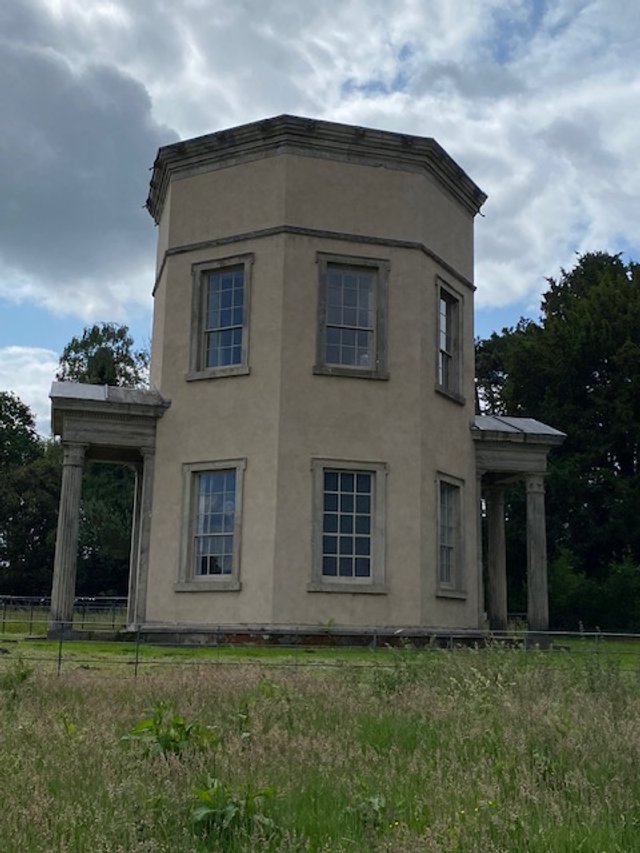
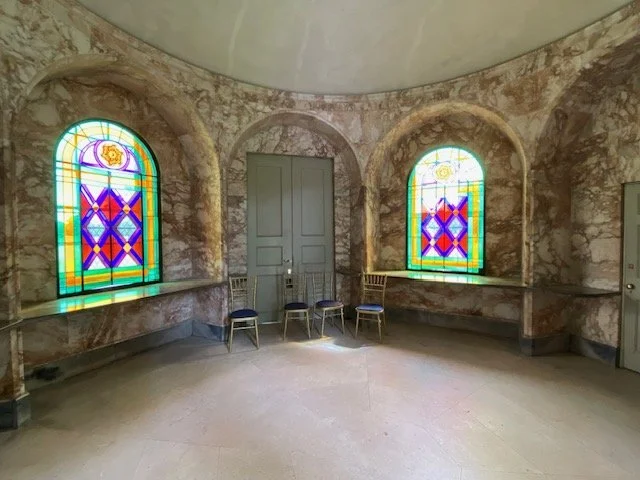
Extensive pleasure gardens, a walled garden and even a working farm can be explored at leisure; however, being on quite a tight time frame, the house was the focus of this visit!
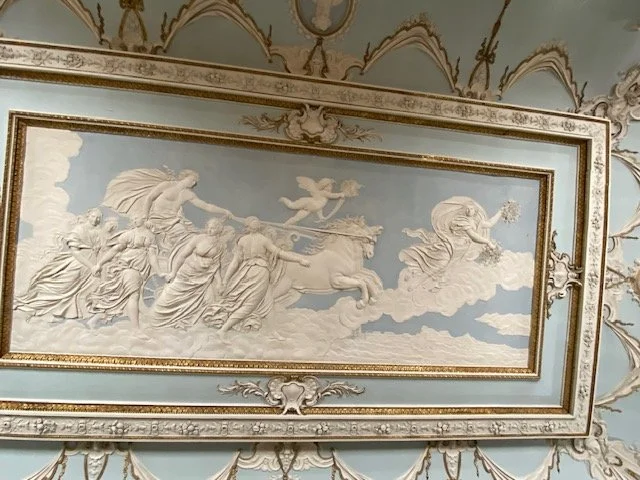
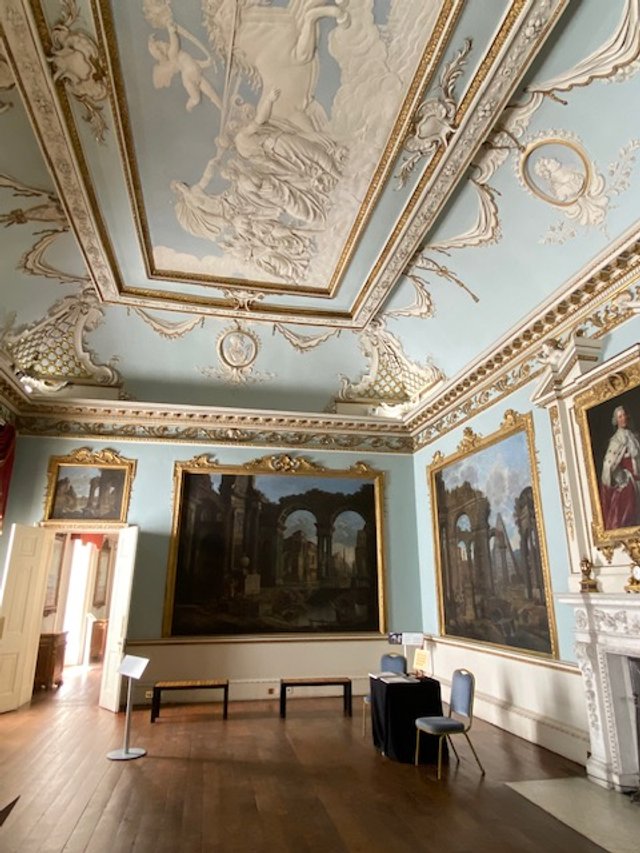

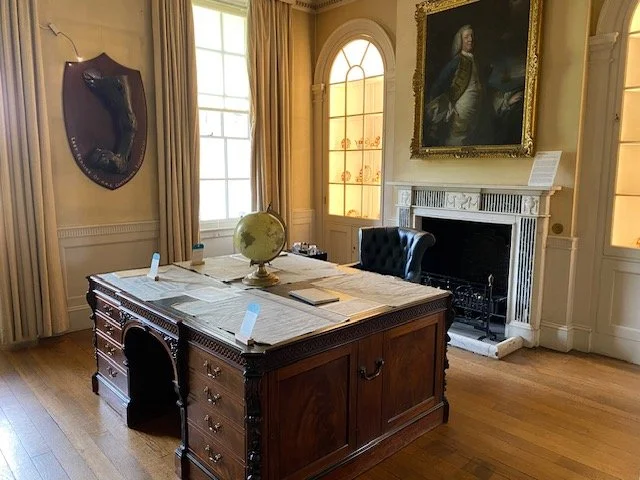
The ground floor of the house is laid out in fine Georgian style, showcasing the travels and collections of Thomas and George Anson. George was the second Englishman to circumnavigate the globe aboard his ship the Centurion and it was the capture of a Spanish treasure galleon which funded much of the Shugborough Estate. Thomas spent much of his life travelling and collecting things, many of which are now displayed in the house.
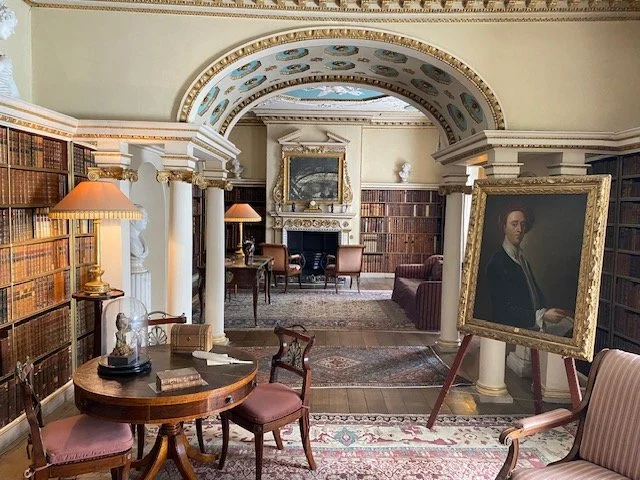
Unsurprisingly, the library was my favourite room in this stunning house. Lined with book cases, even the doors have been covered with book spines to make them blend in. Although not a fan of damaging books in any way, I had to admit this added to the magical ambience of the room!
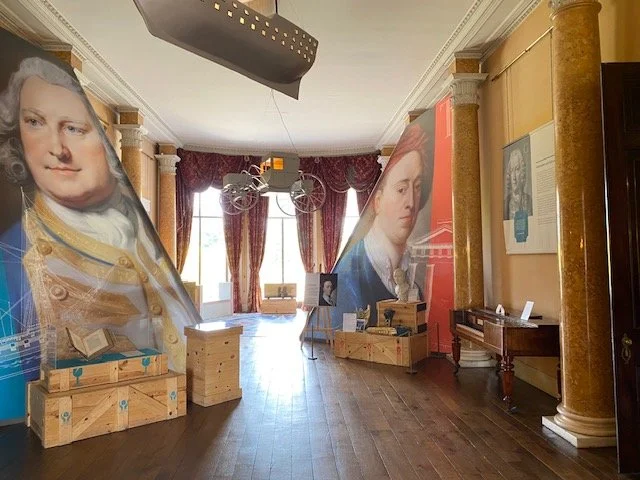
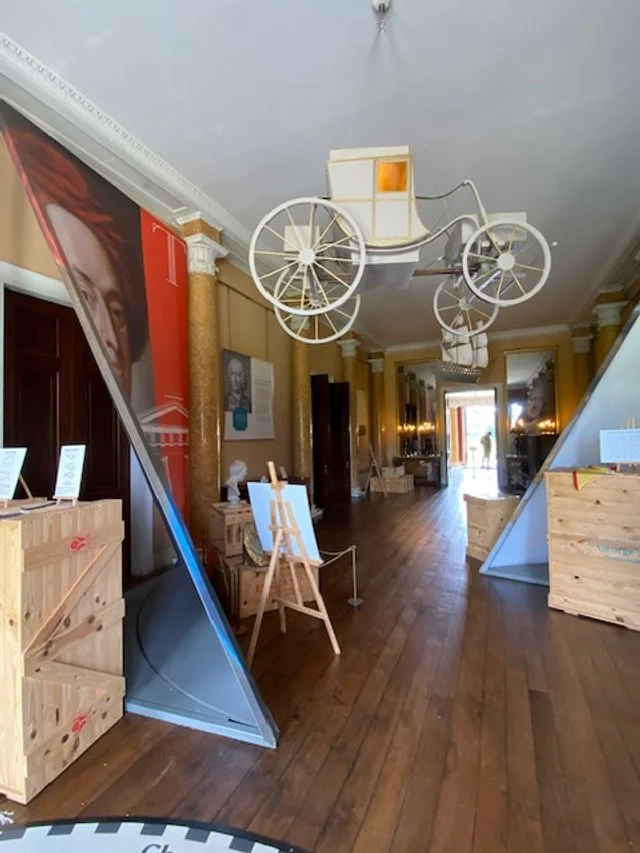
Beautiful ceilings, lovely paintings, magnificent objects-the ground floor is a treasure trove, making a real contrast with the upstairs. No photography is allowed here as this was the apartment occupied by Patrick Anson until his death in 2005. His photographs are on every wall, with photographic equipment scattered around. The place has a feel of the 70s about it, particularly in the kitchen!
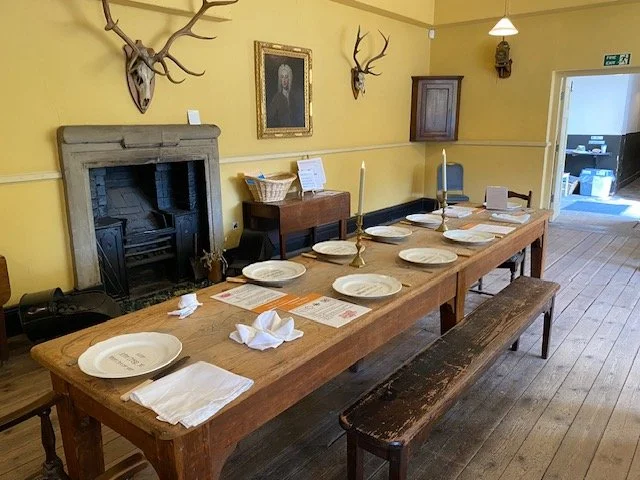
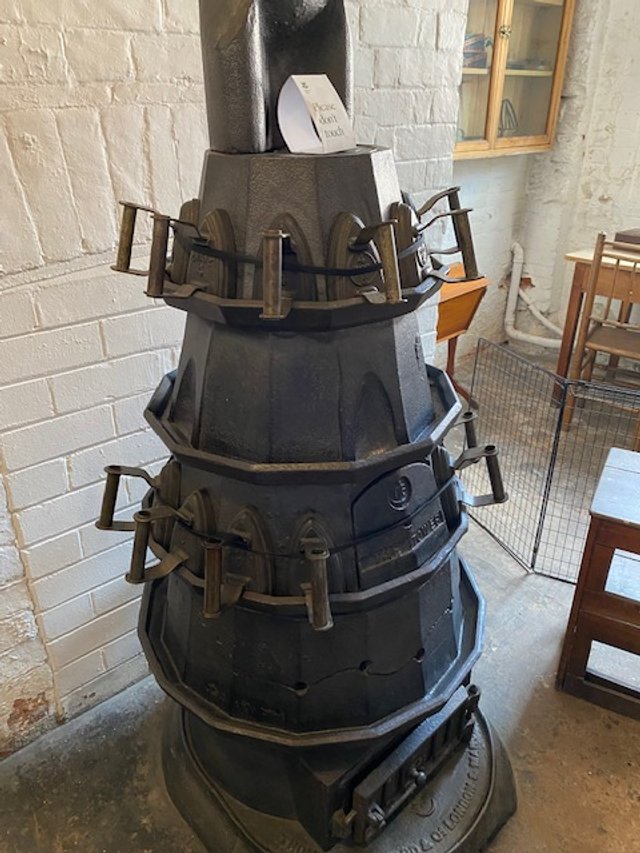
The servants’ quarters were equally fascinating and well presented. The table laid for their meal showed how much each would have earned depending on their position in the household. Given that they had no living costs, even the lowest paid would have had more disposable income than farm labourers or factory workers at that time. The laundry room was really fascinating. This was the first time I had ever seen an ironing stove (pictured right above), although this one was originally from the laundry at the Royal School in Wolverhampton.
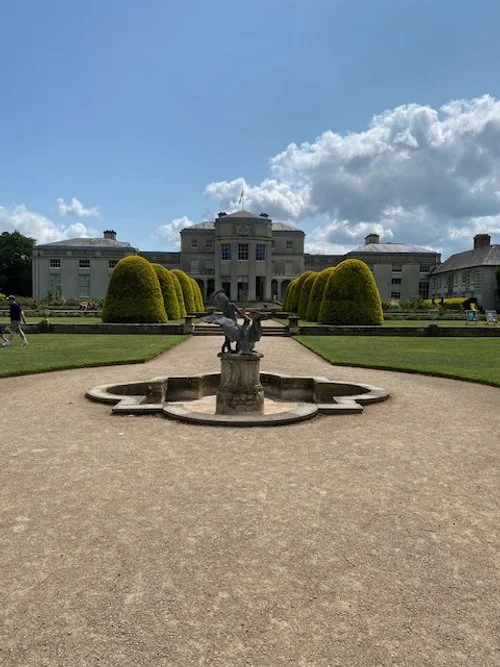
A gorgeous location and one worth more than one visit!
Shugborough Hall
Milford,
near Stafford,
Staffordshire,
ST17 0UP