
Vindolanda
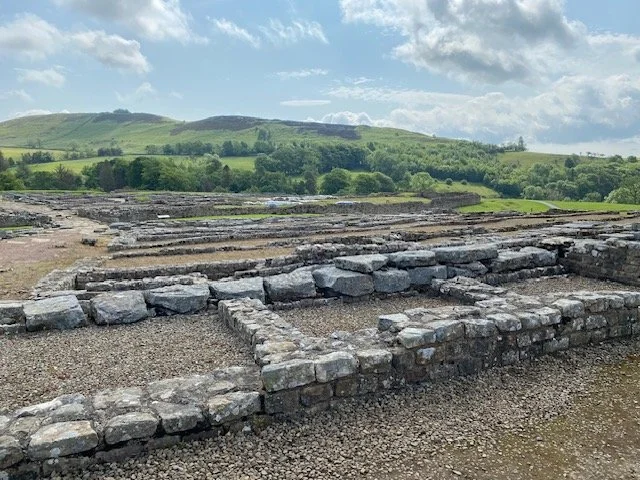
I love Hadrian’s Wall and although I have always lived at the opposite end of the country, have been lucky enough to visit many times. One of my favourite places is Vindolanda, which I first visited as a child.
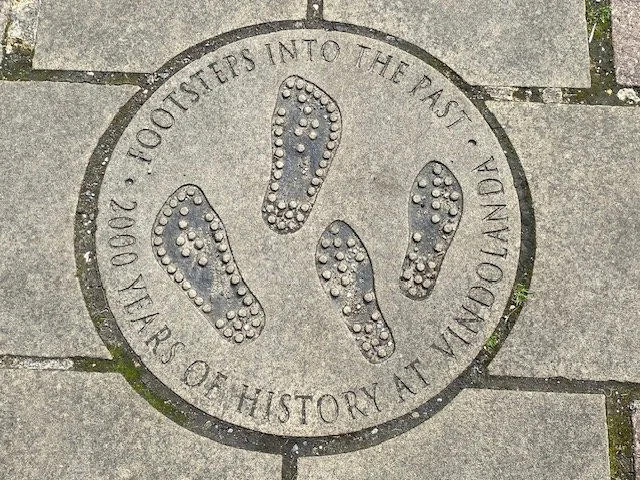
Many of the Roman sites along the wall are now looked after by English Heritage, but Vindolanda is in the care of The Vindolanda Charitable Trust, an organisation set up in 1970, which manages two sites: the fort and museum at Vindolanda and The Roman Army Museum and Magna Fort.

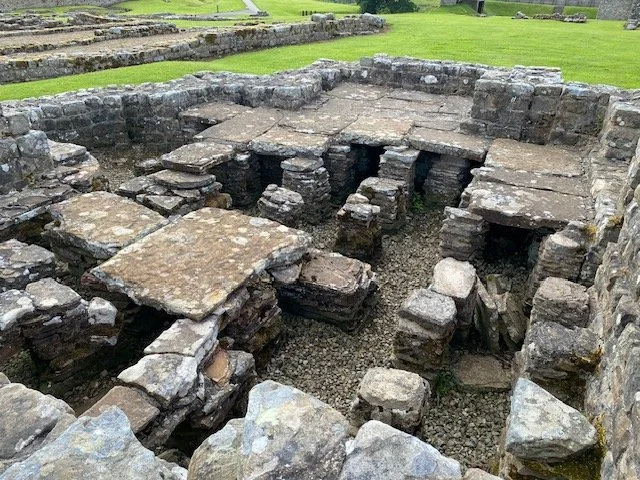
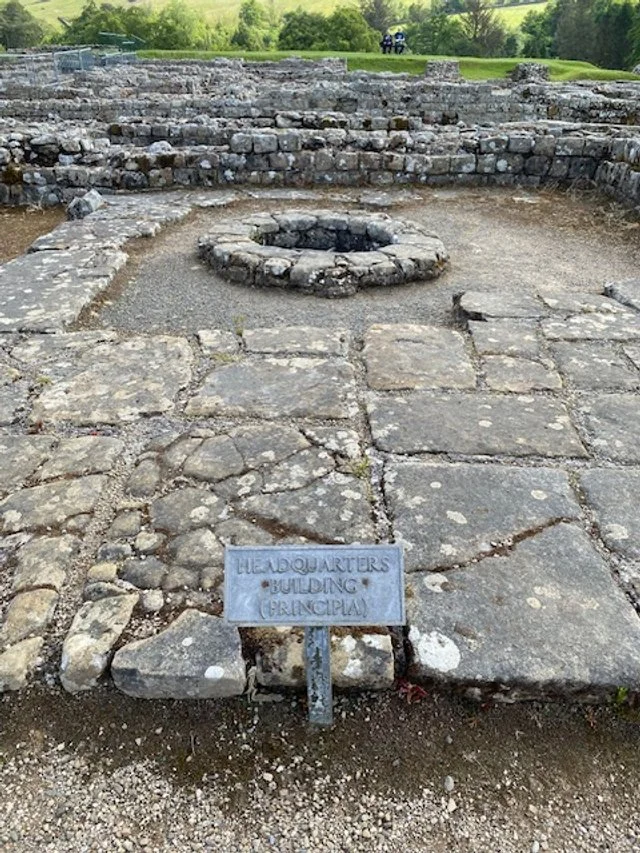
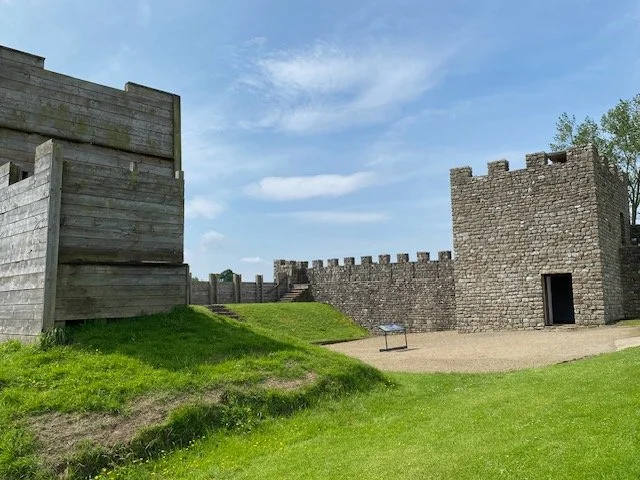
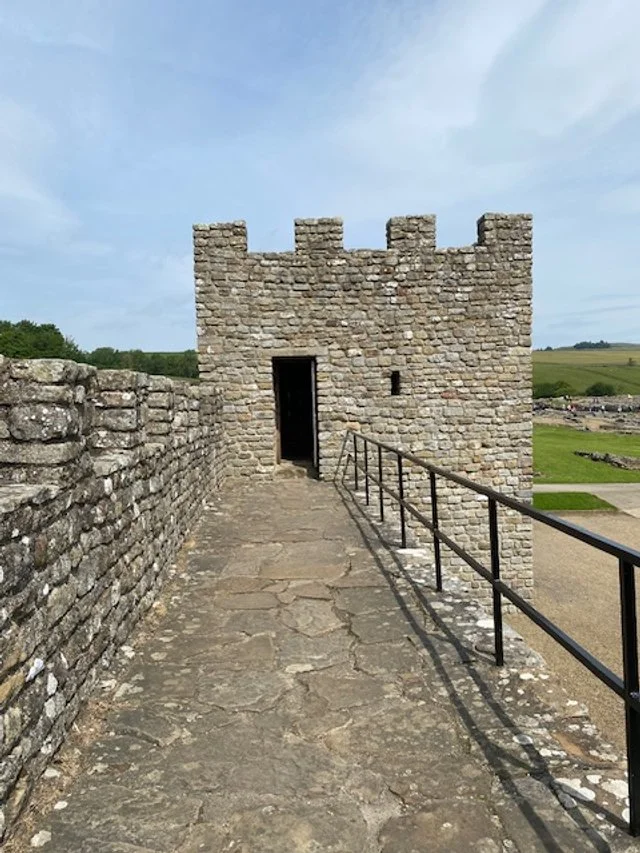
The fort is huge, set in a stunning landscape which the Romans enjoyed hundreds of years ago. Clear labels explain the layout of the rooms and buildings which can be found here as visitors wander through the site, exploring life as the Romans would have lived it. It is an incredible space where archaeological investigations continue and visitors can climb on a replica of the wall and part of the fort.
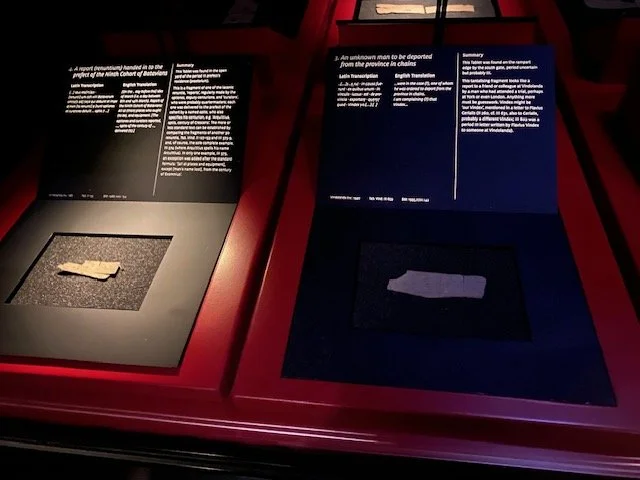
What makes Vindolanda different to other sites along the wall was the discovery of writing tablets in 1973. Wafer thin strips of wood covered in spiky writing were found deeply buried at the fort. Voted as Britain's top archaeological treasure by the British Museum, these fragments contain fascinating details of the private and military lives of those living there.
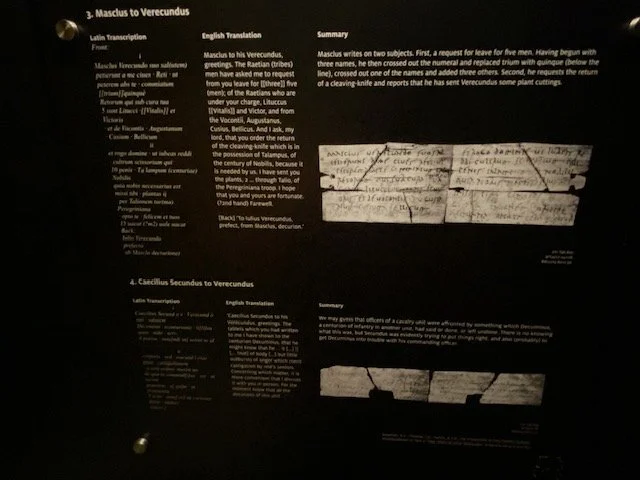

Anyone who teaches Latin in primary school is probably familiar with the 'Minimus' course. It is based around a real family who lived at Vindolanda in 100AD, whose lives have been brought to life through these tablets.
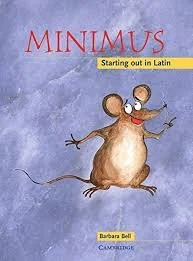
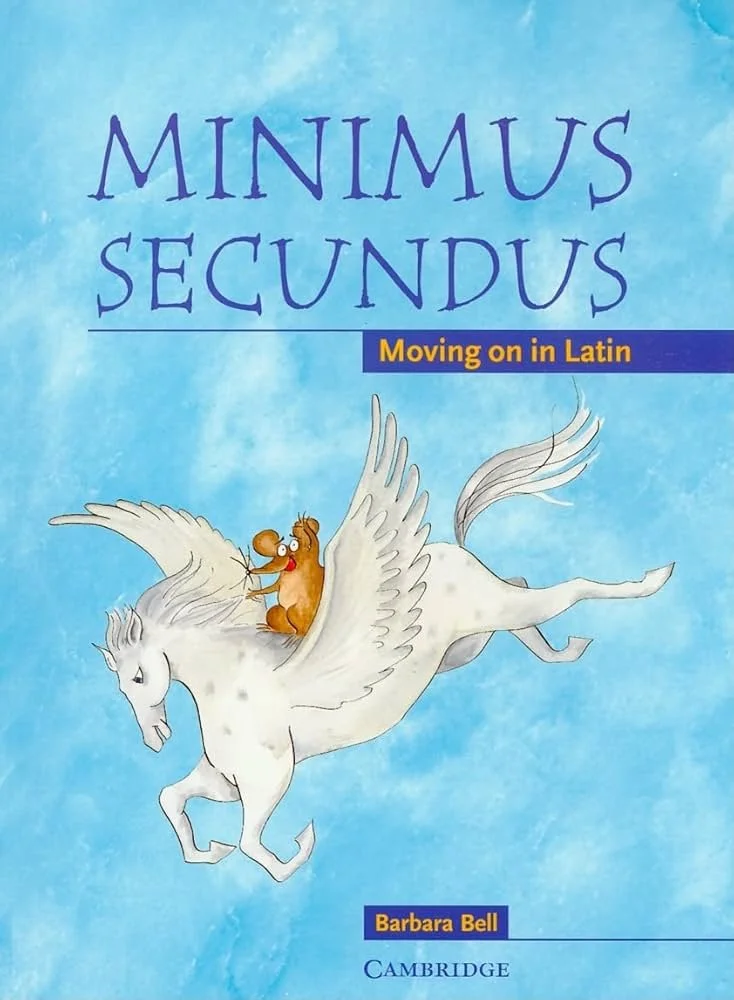
Although the books are for teaching Latin, they are full of details about Roman life and the life of Flavius, Lepidina, their children- Flavia, Iulius and Rufus- and their slaves, Candidus, Corinthus and Pandora- based around the tablets. They can easily be used as a basis for finding out about life in Roman Britain and offer plenty of opportunities for writing, both narrative and non-narrative. Etymological links between English and Latin are also made and children really enjoy finding out about words in this way!
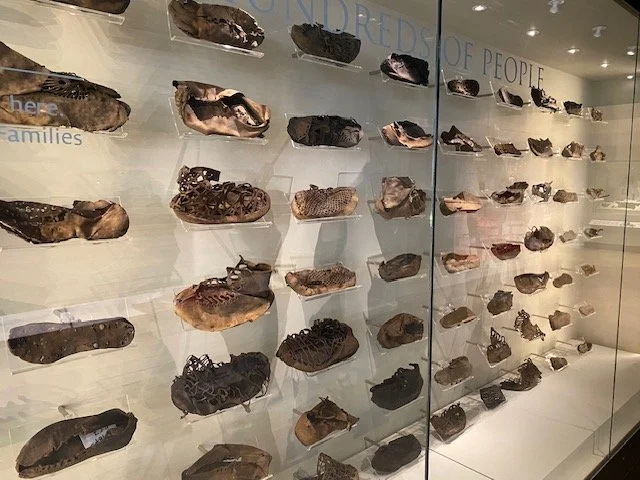
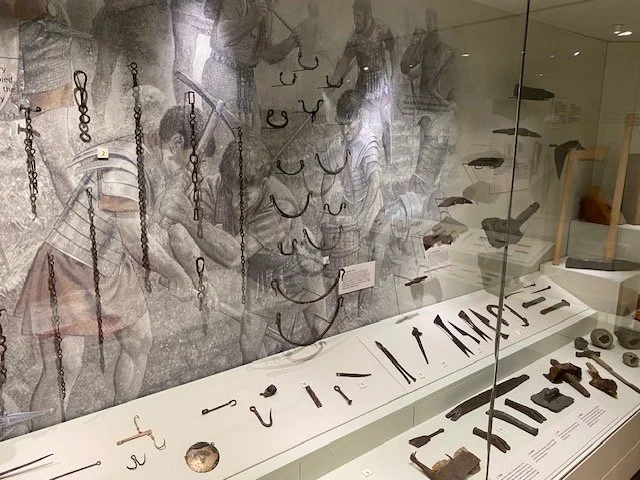
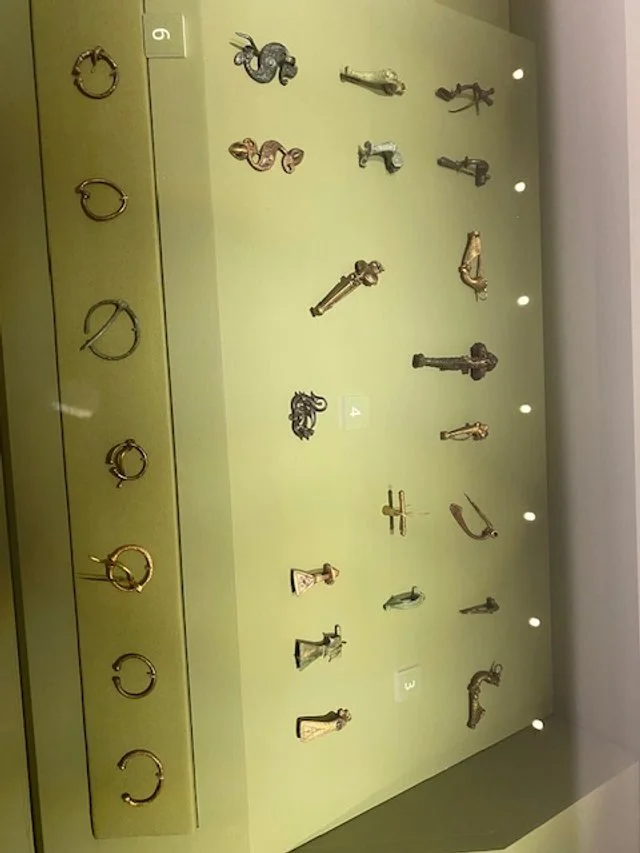

The tablets are housed in the Museum along with many other incredible artefacts which have been uncovered on the site and have been displayed in varied and attractive ways. Every time I come here more seems to have been added, making each visit time to learn something new.
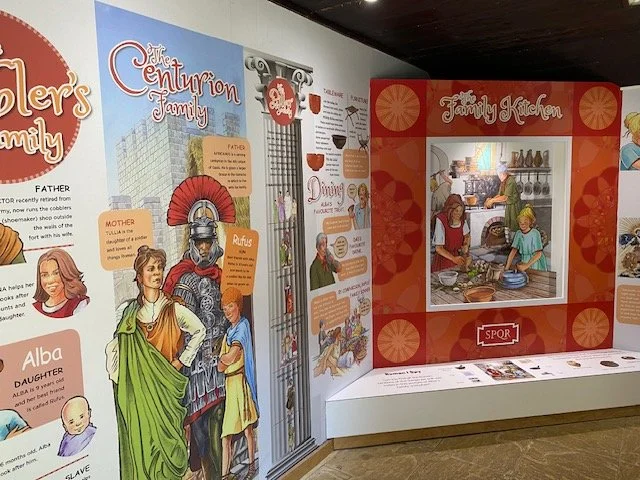
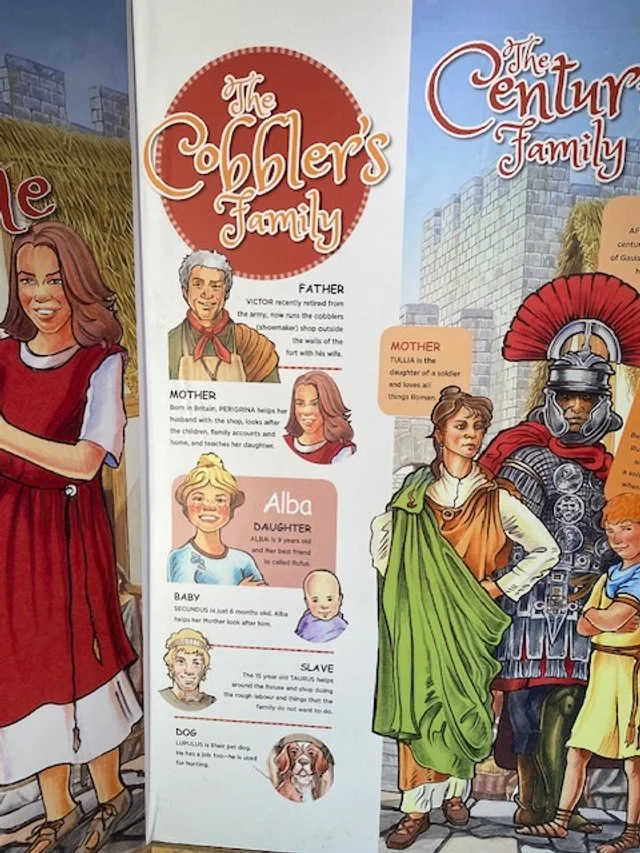
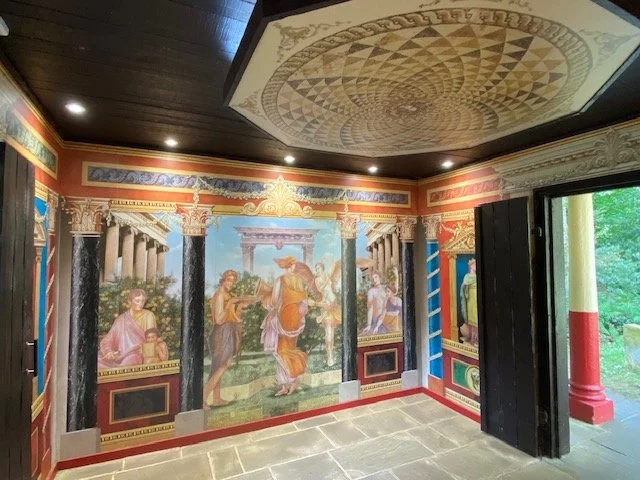
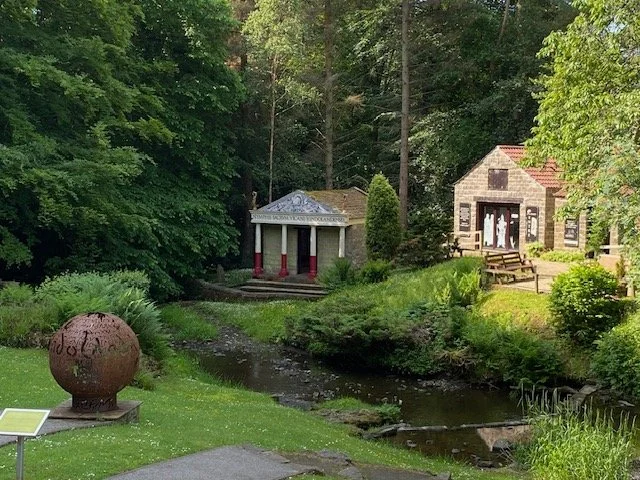
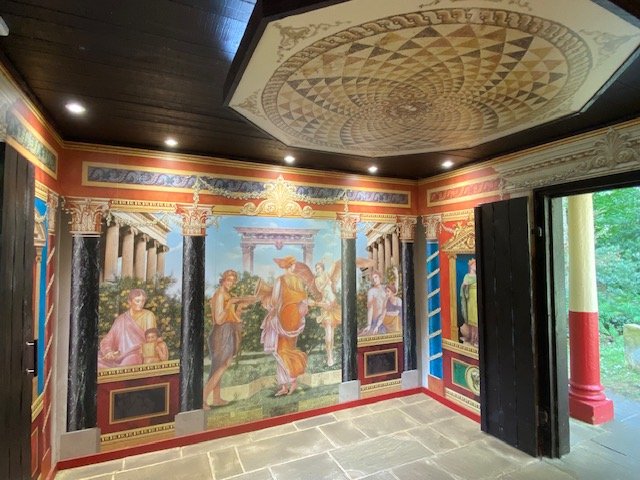
There is an activity centre, full of child-friendly material near a reconstruction of the Temple of the Nymphs in an area which offers gentle walks by the stream. There are things to see everywhere- alters, tombstones, an example of a Roman pottery kiln… With a cafe offering tasty food and drinks, it is a very easy place to spend a very enjoyable day exploring the past.
Vindolanda
Hexham
NE47 7JN