Stony Stratford
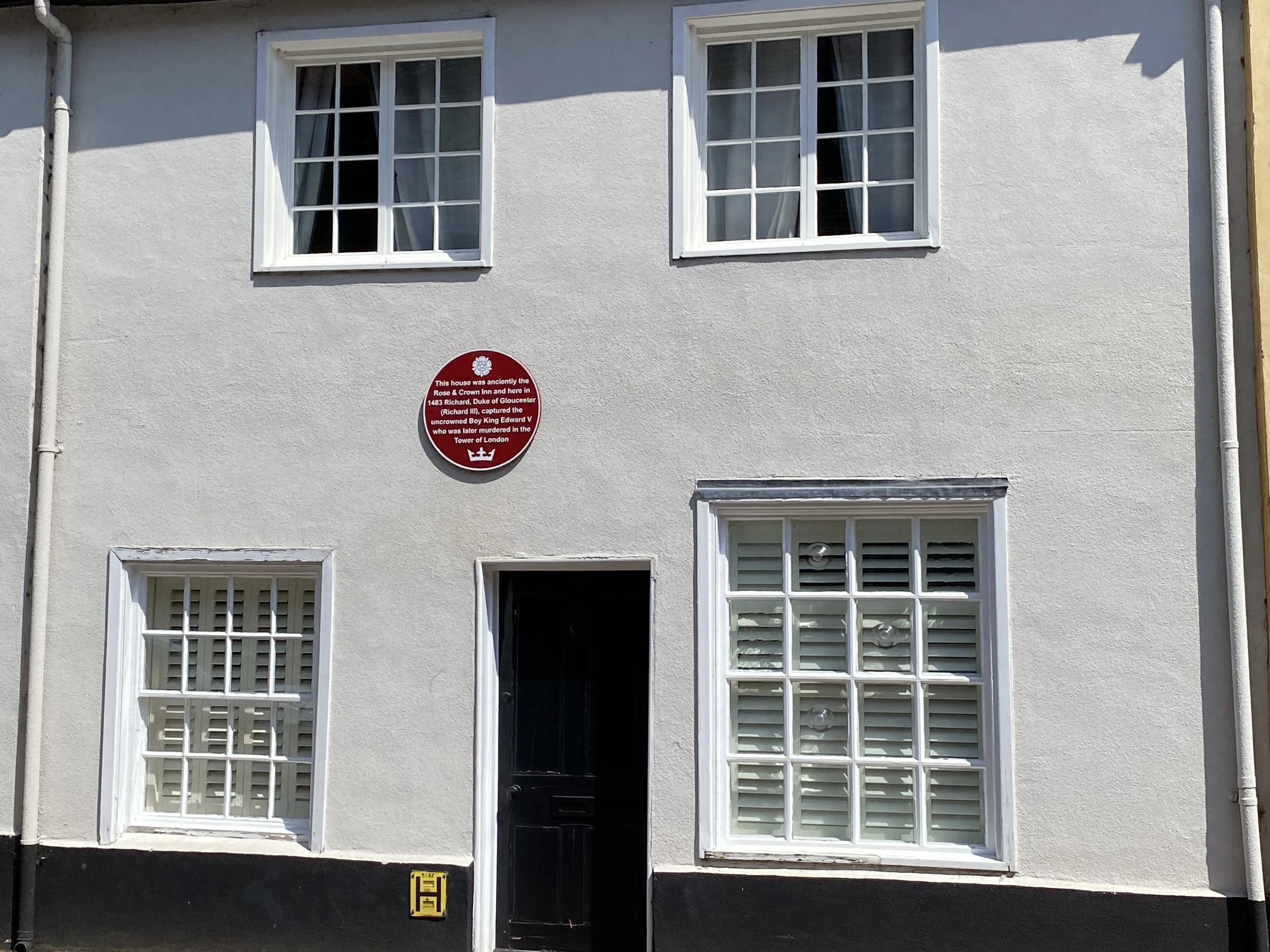
My wanderings led me to Stony Stratford due to its link to Richard III. Following the death of Edward IV, his 12-year-old son and heir, Edward V, was traveling from his home in Ludlow to London for his coronation. The boy’s journey took him through Stony Stratford and he stayed at an inn on the High Street, thought to be the Rose and Crown Inn (now a residential house). His uncle, Richard, Duke of Gloucester, met him here. Edward had been accompanied by his maternal uncle, Earl Rivers and his half-brother, Richard Grey.
On the night of 29th April, Richard met and dined with these men, but the following morning Rivers and Grey, along with the king's chamberlain, Thomas Vaughan, were arrested and sent north where they were all subsequently executed. Richard the escorted Edward to London, where the new king took up residence in the Tower of London.
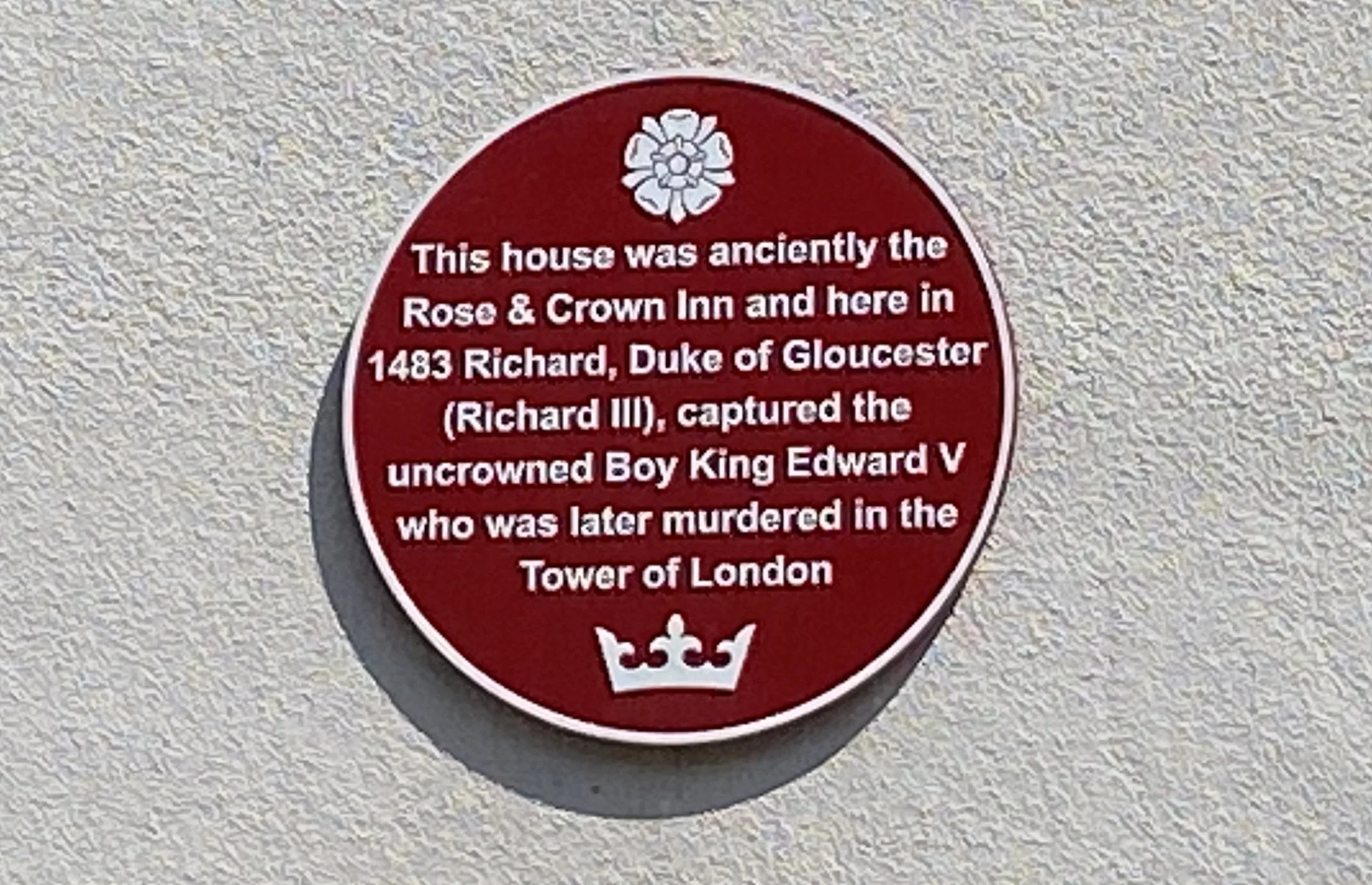
I was disappointed to see that the plaque marking the Rose and Crown is worded in a very anti- Richard way, using the word ‘captured’, followed by the implication that Richard was responsible for their murder. However, it was interesting to visit the location where this pivotal event took place.
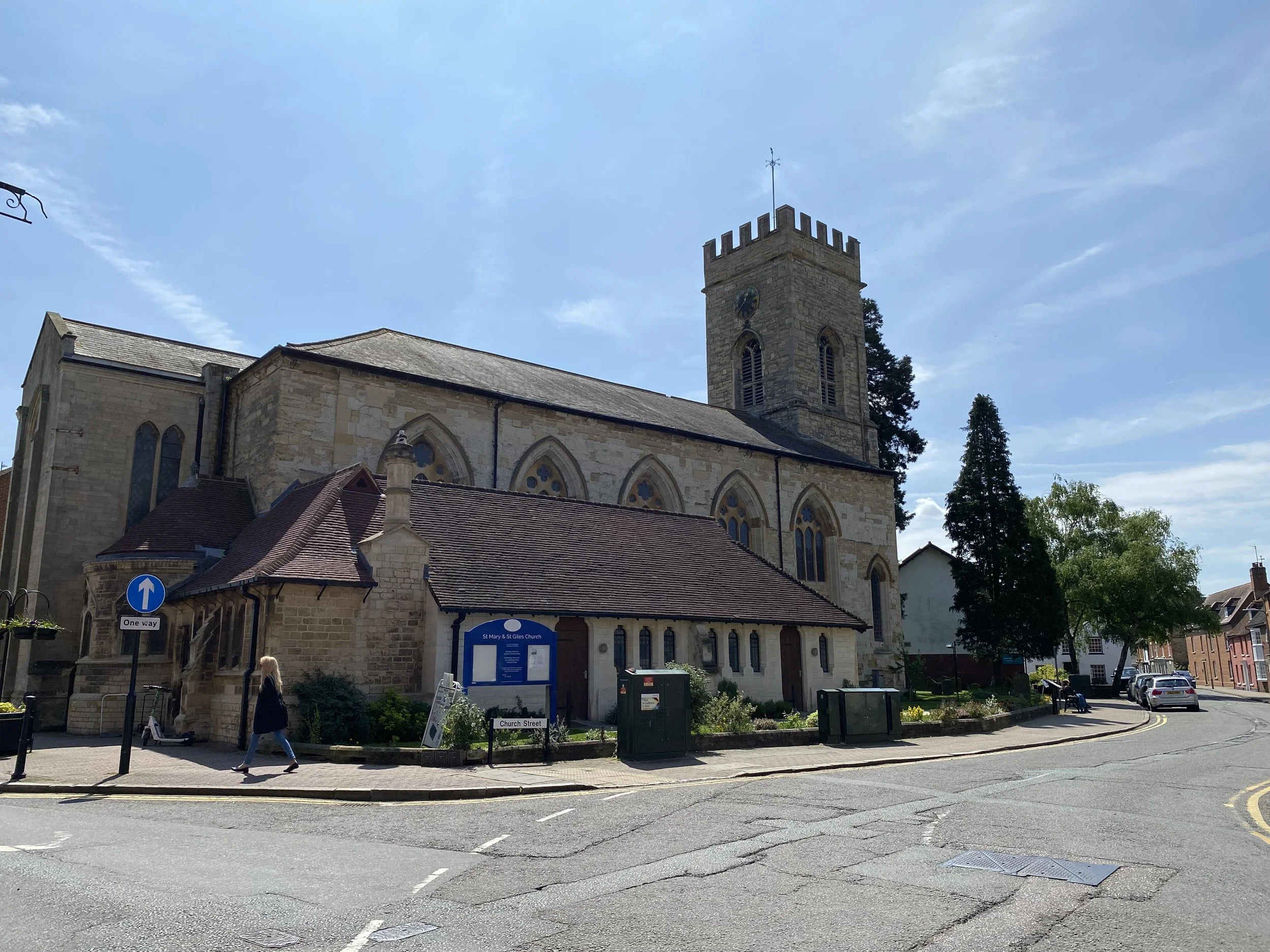
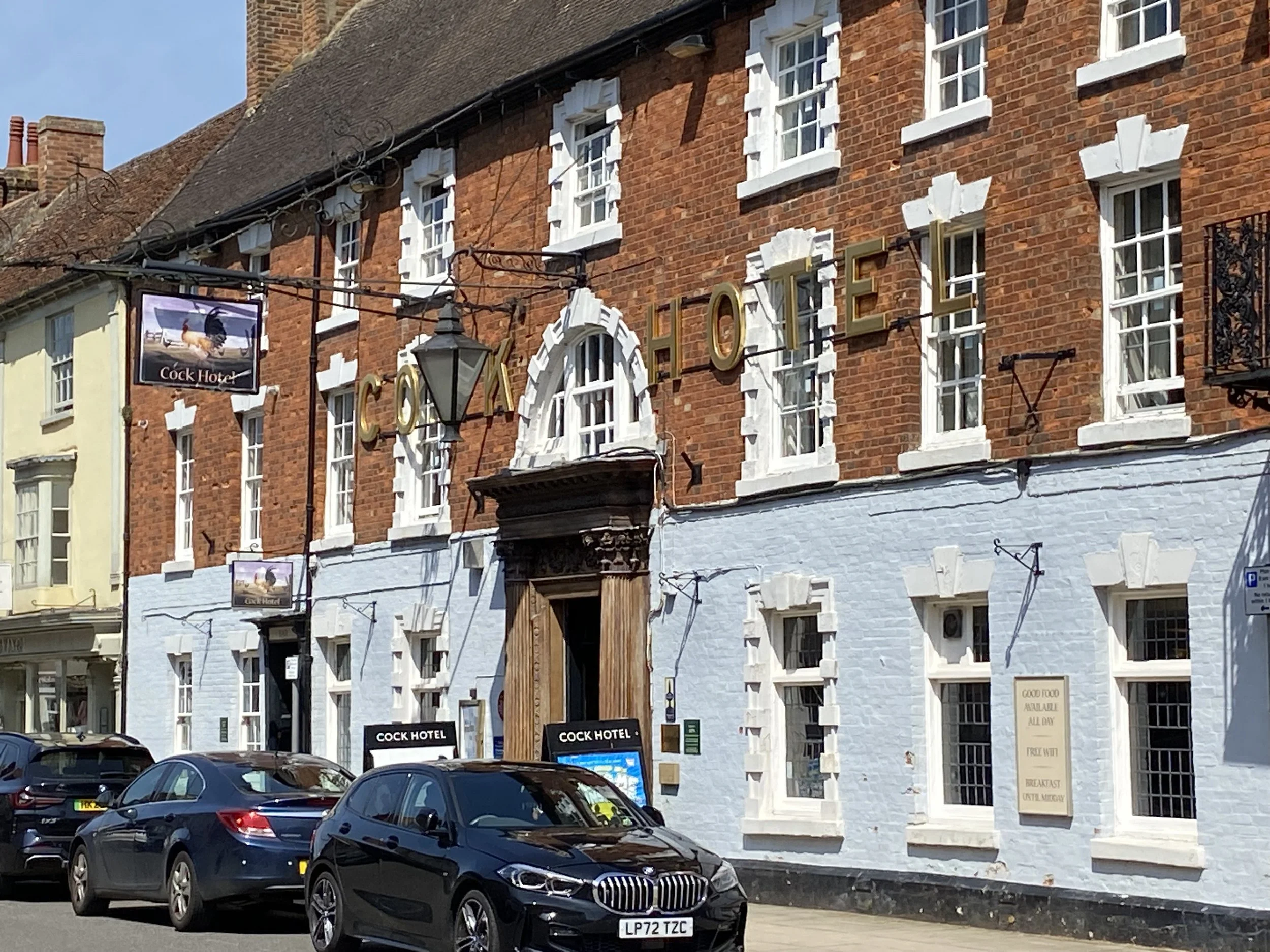
Stony Stratford is a very pleasant market town, full of independent shops. It is claimed by locals that the phrase ‘cock and bill story’ originated here, inspired by the names of two pubs.
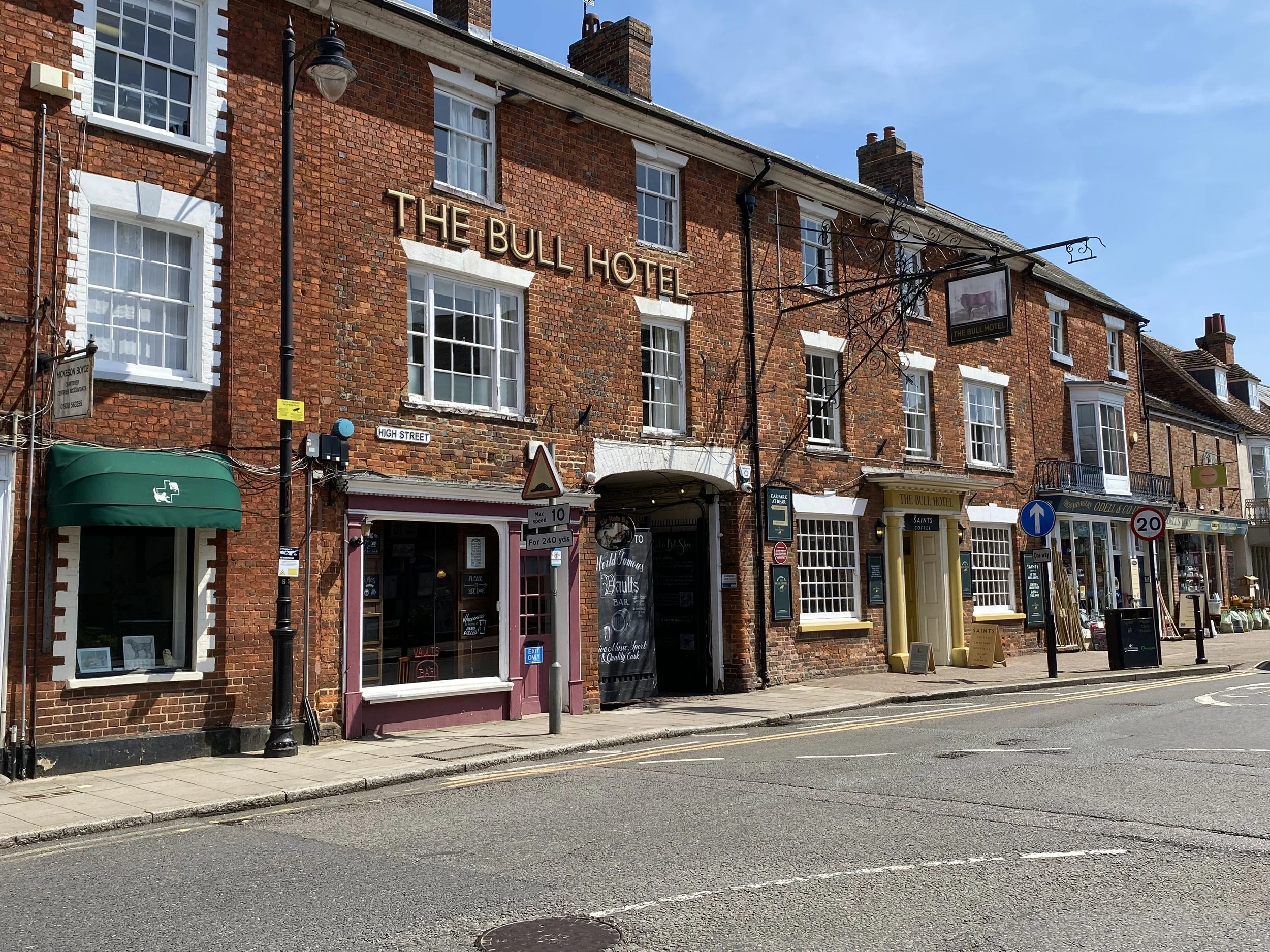
The town was also the site of one of the Eleanor Crosses, monuments erected at each of the The resting places for the Queen's coffin- Lincoln, Grantham, Stamford, Geddington, Hardingstone, Stony Stratford, Woburn, Dunstable, St. Albans, Waltham, Cheapside (West Cheap), Charing Cross before arriving at Westminster Abbey for a state burial. Only three of the original memorial crosses now remain, those at Geddington, Hardingstone and Waltham.
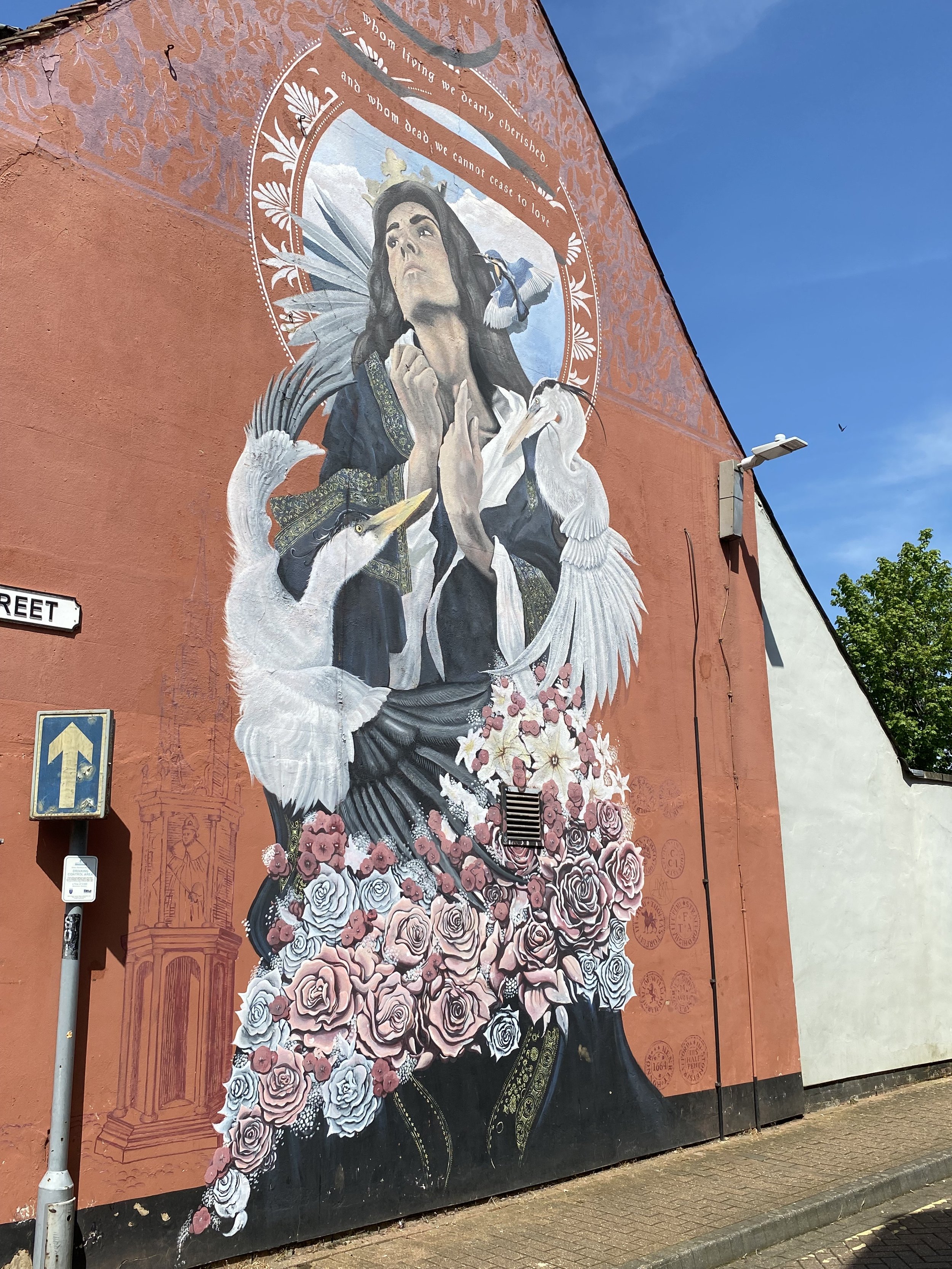
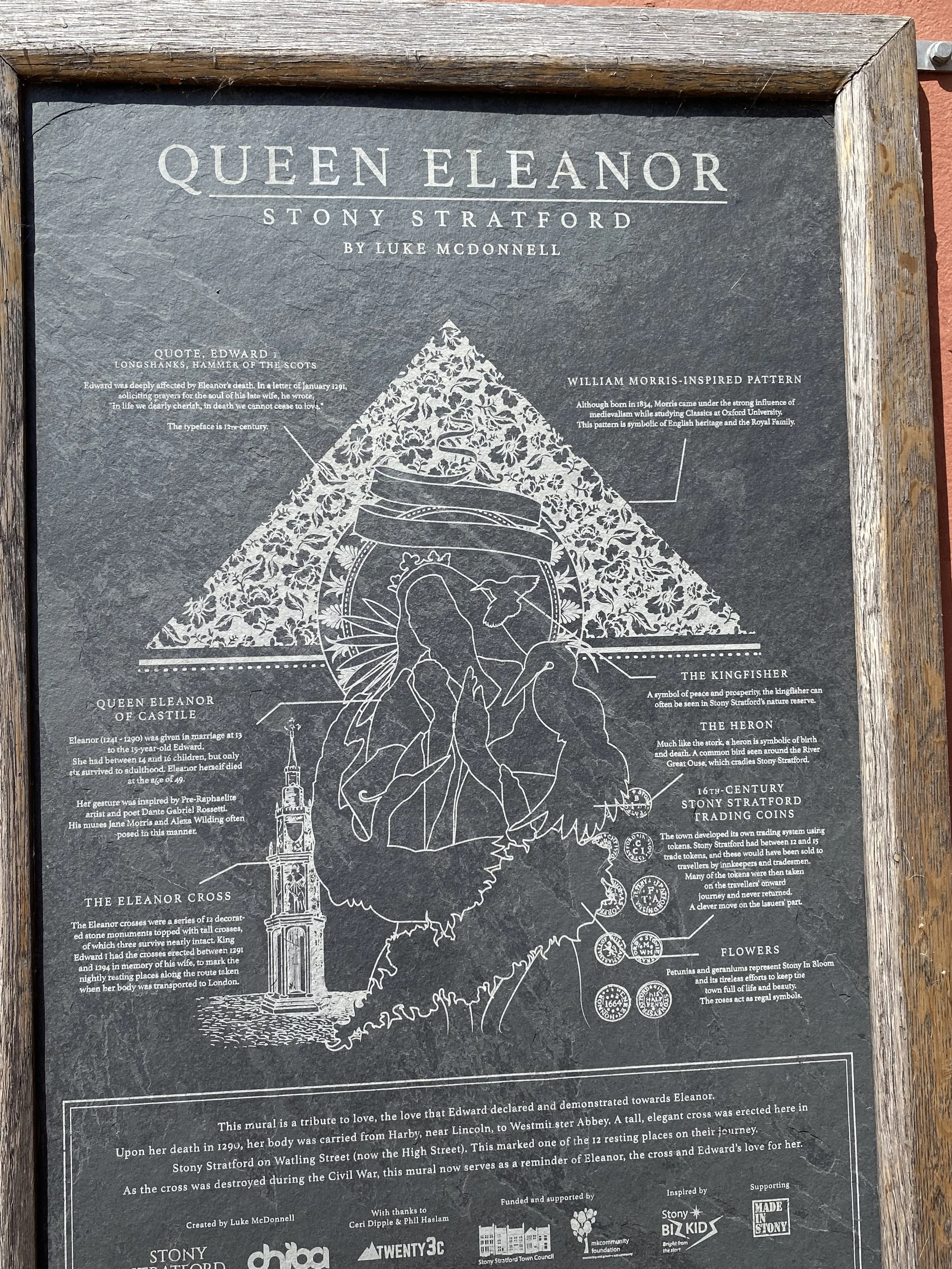
The Eleanor Cross in Stony Stratford stood at the lower end of the town towards the river Ouse on Watling Way, now the High Street. Although the exact location of the Cross remains something of a mystery, it was destroyed during the Civil War by the Parliamentarians. Its base survived for some time after that date, but all trace of it has now disappeared. Now, however, a giant mural painted by Luke McDonnell covers the side of a building on New Street. Over her head are the words, ‘In life we dearly cherish, in death we cannot cease to love’, taken from one of Edward I’s letters and the whole picture is full of symbolism.
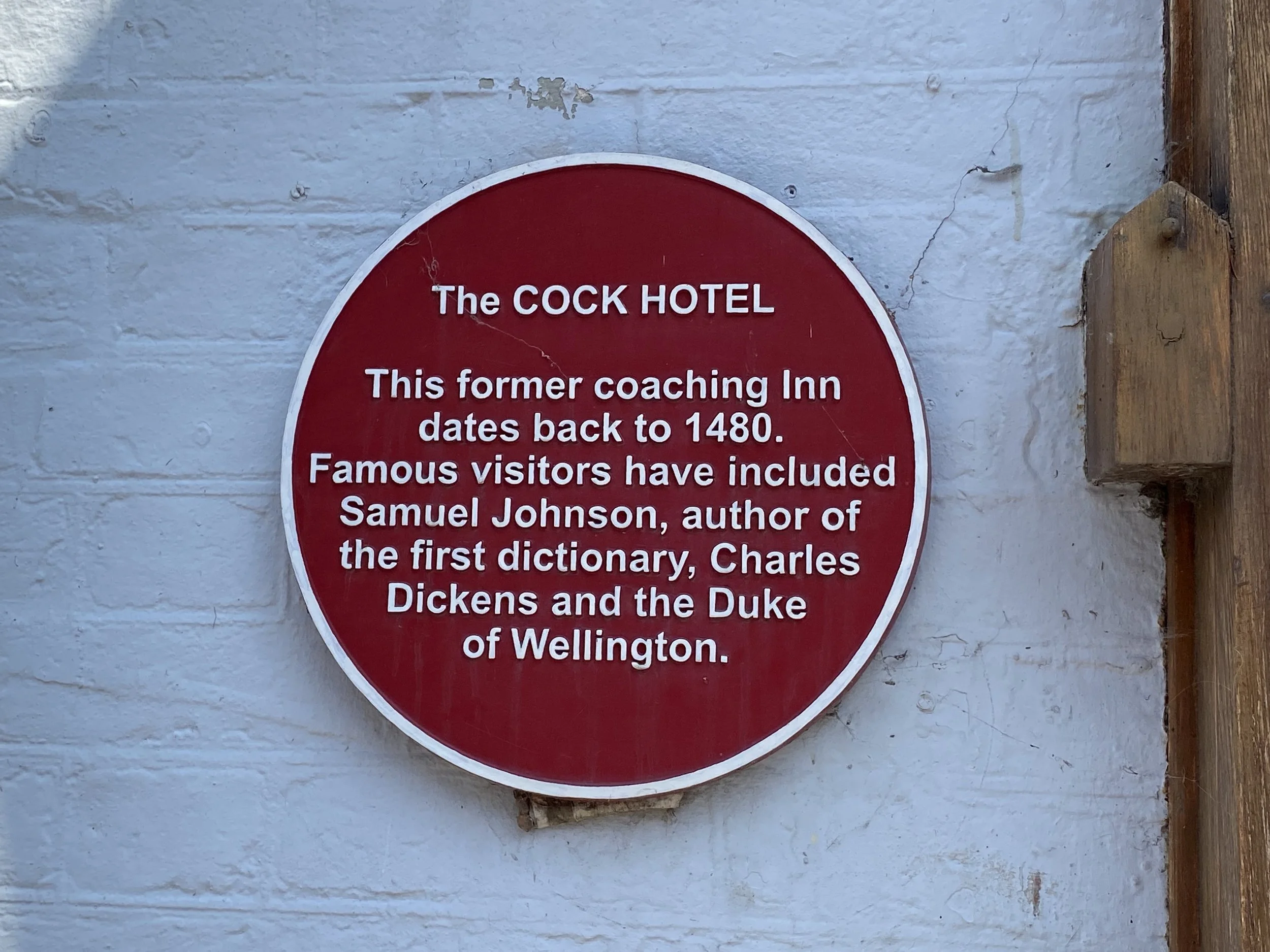
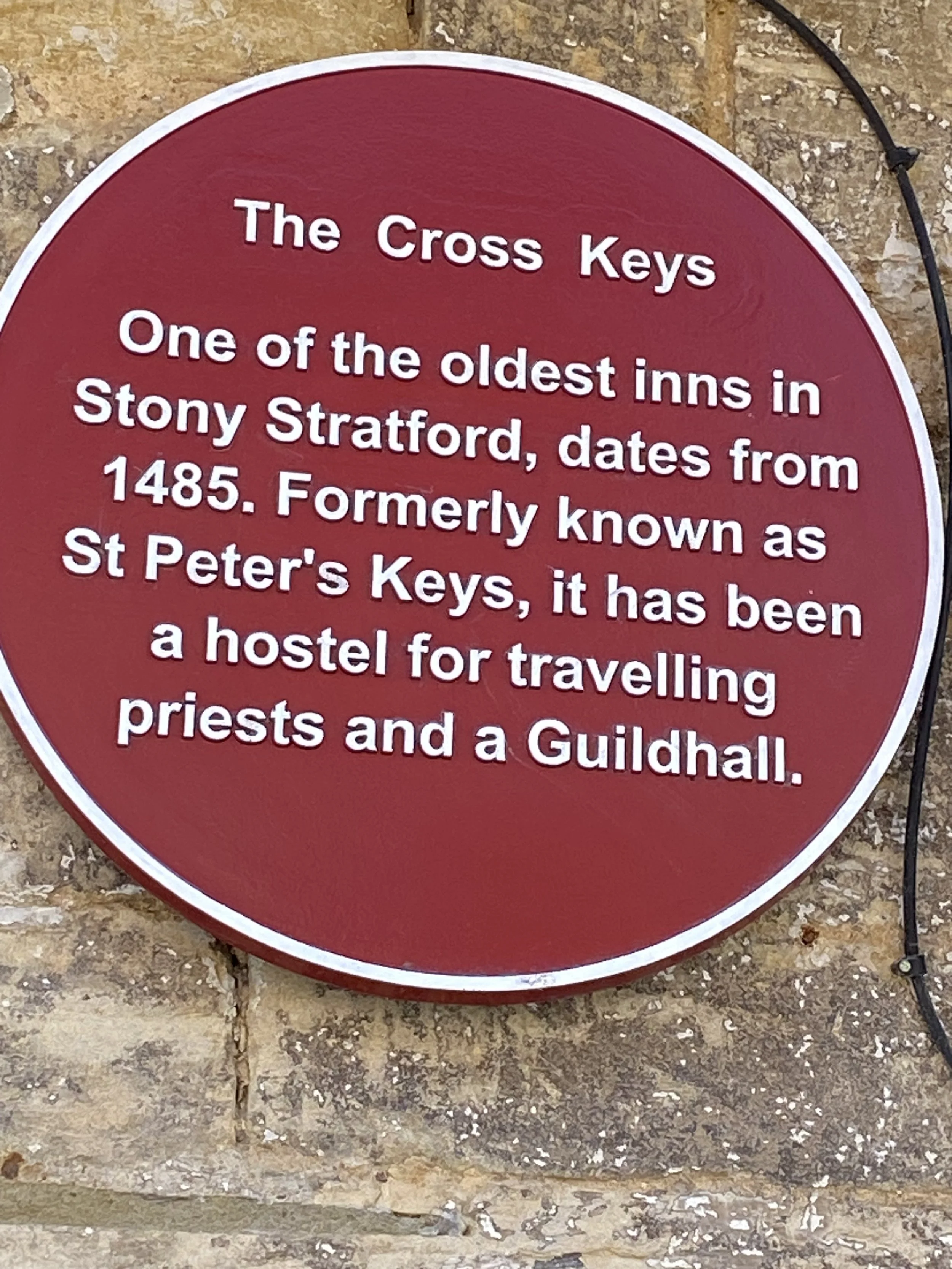
Other buildings in the town also have historic connections, including ‘Thee Cock Hotel, visited by Charles Dickens amongst others!