
The Charterhouse
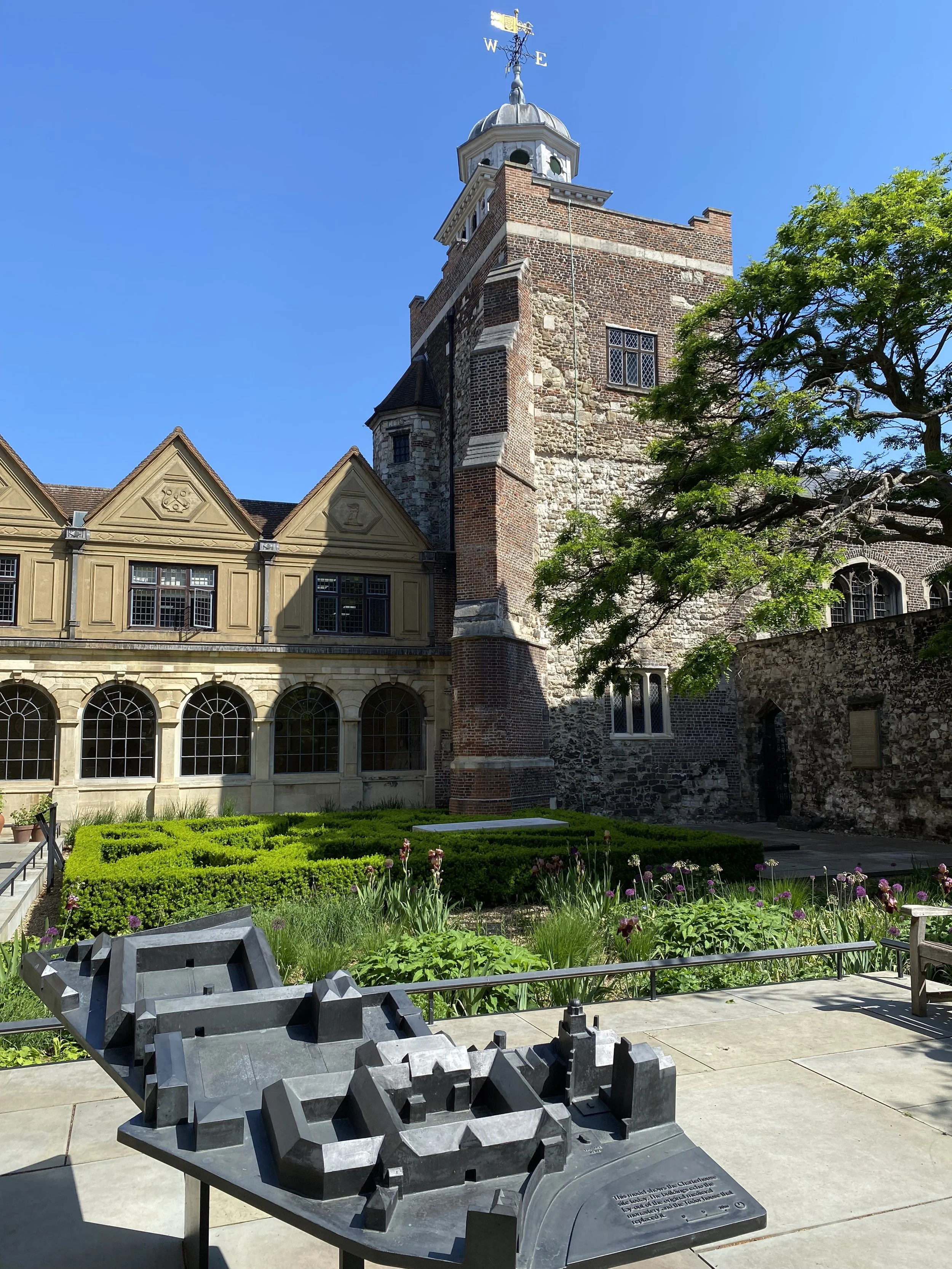
Charterhouse is one of London’s many treasures. Dating back to medieval times, it became a pioneering charity in 1611 having suffered at the hands of Henry VIII and his dissolution of religious houses. Anyone can visit here, but as a member of Historic Houses, I was able to book onto one of their fascinating tours for free.
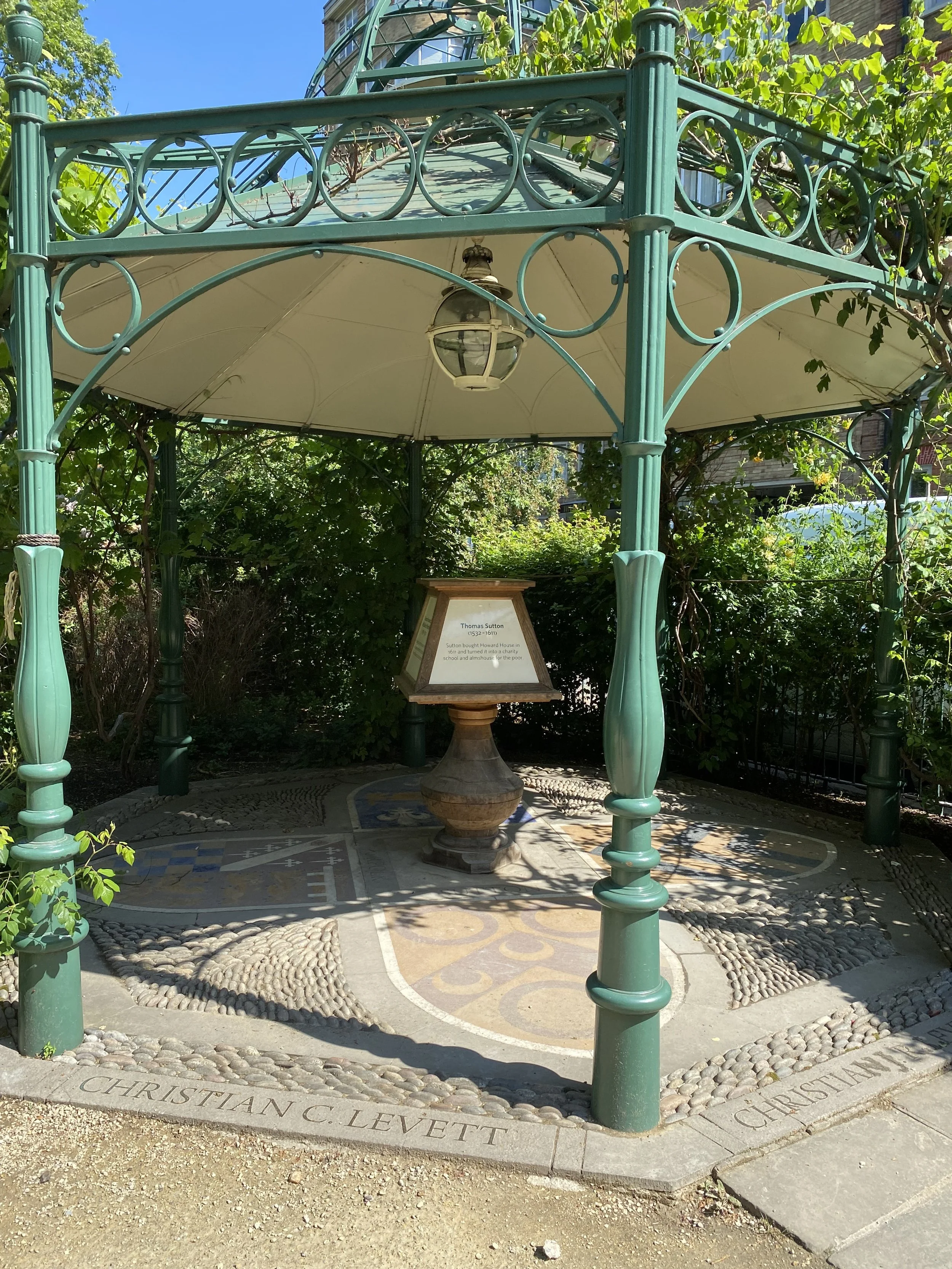
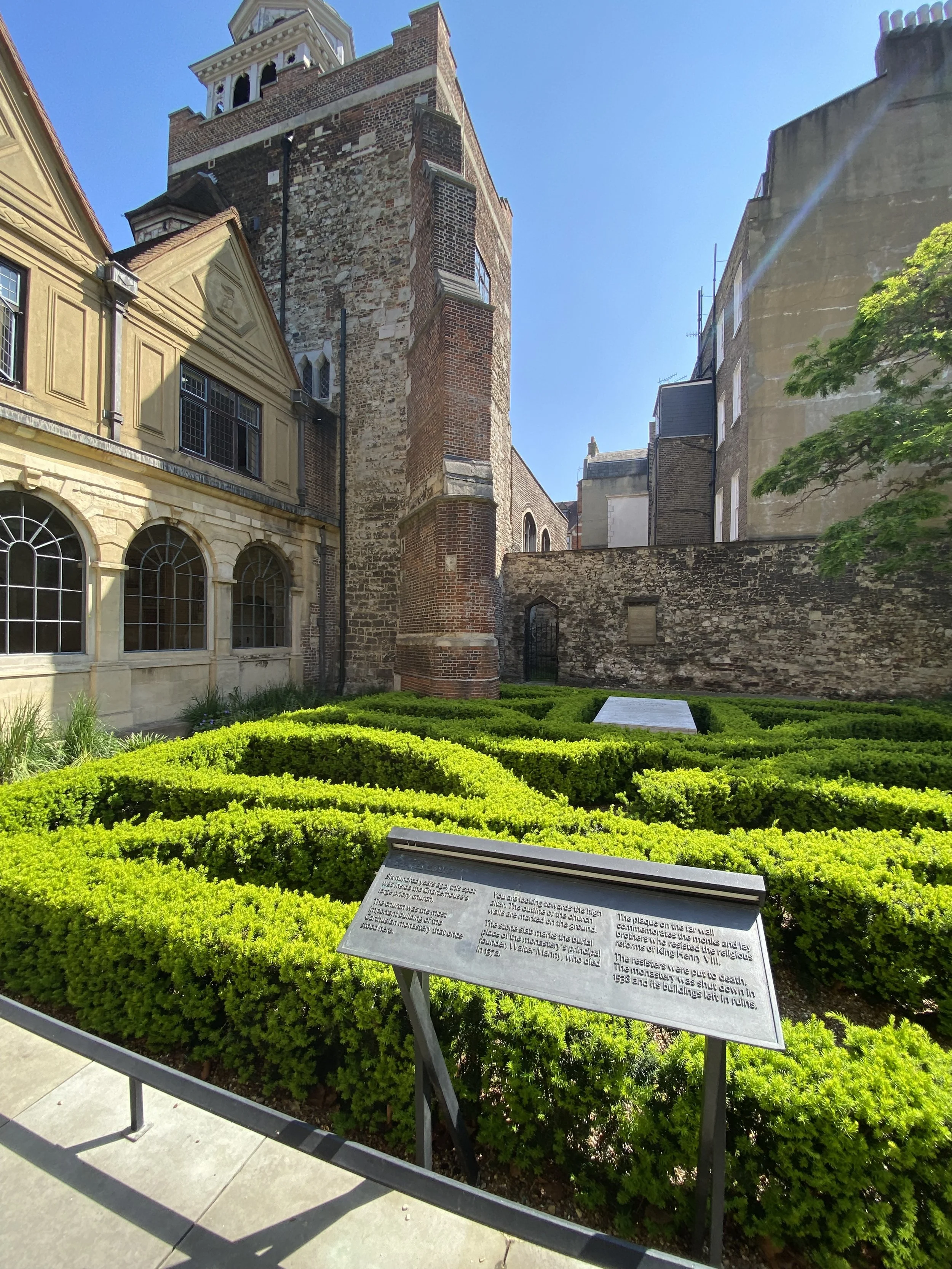
The history of the Charterhouse dates to the bubonic plague pandemic of 1348. Land, which is now Charterhouse Square, was leased by Sir Walter Manny to be used as an emergency cemetery to bury victims of the disease. Crossrail excavations here in March 2013 uncovered some of the souls buried here, information about which can be found in the Charterhouse Museum. After the plague had subsided, a Carthusian monastery, known as a Charterhouse, was founded on land next to the cemetery site.
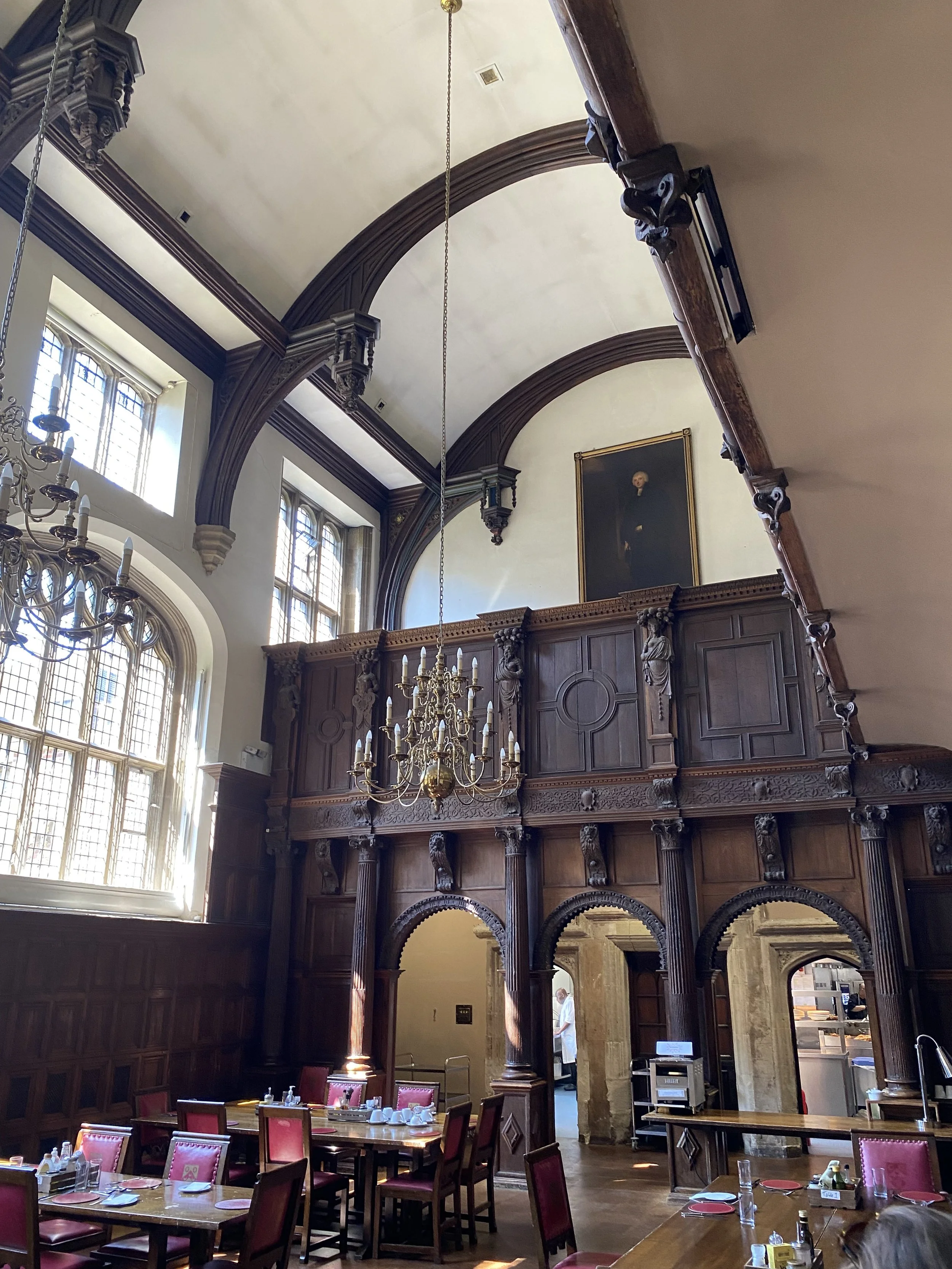
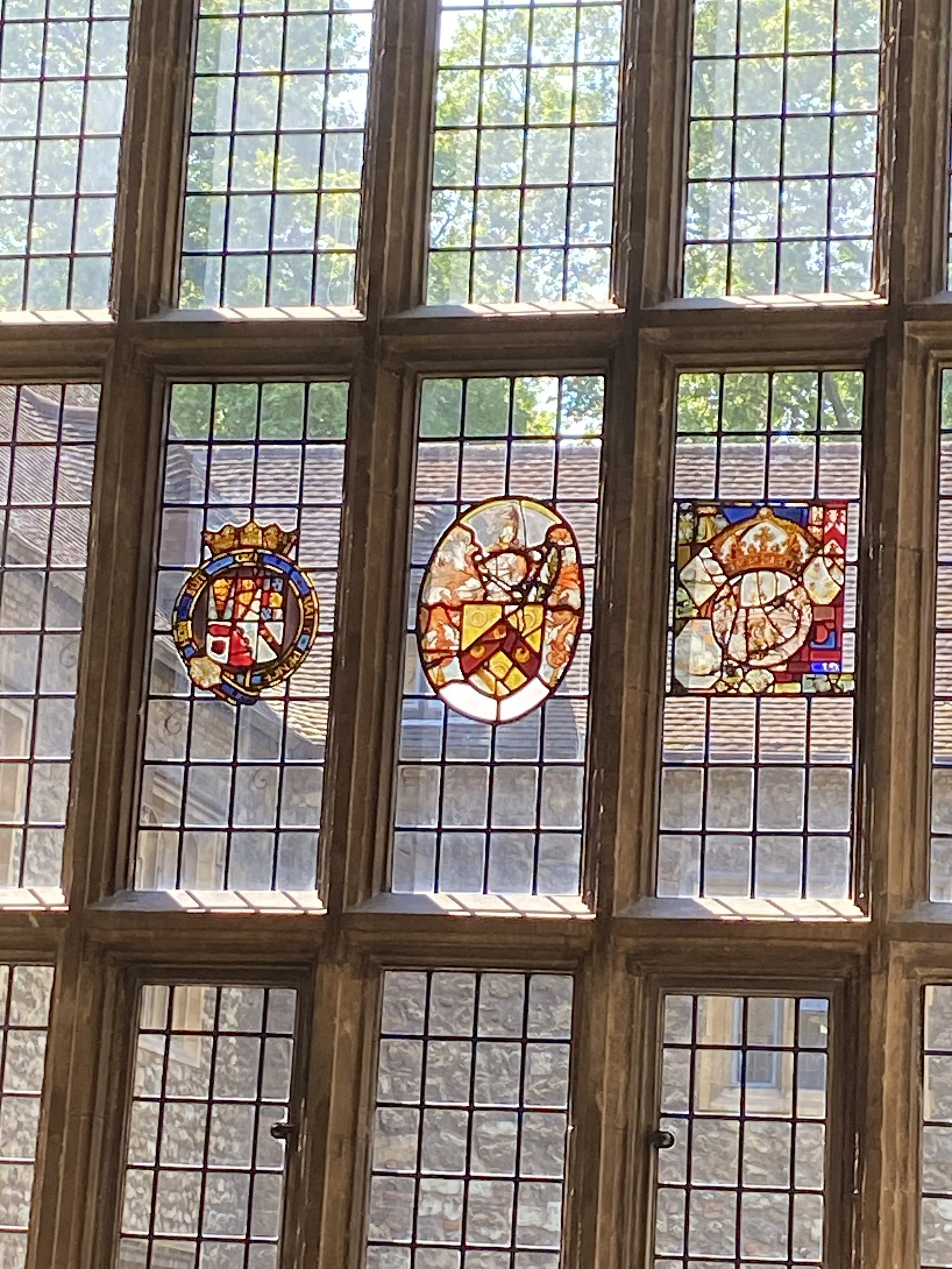
These days Charterhouse provides residential accommodation for single people of 60 and over who are in financial and social need. Known as ‘Brothers’ and ‘Sisters’, these residents live a communal life, sharing meals in the hall and carry on with their everyday lives whilst visitors take a tour of their lovely home!
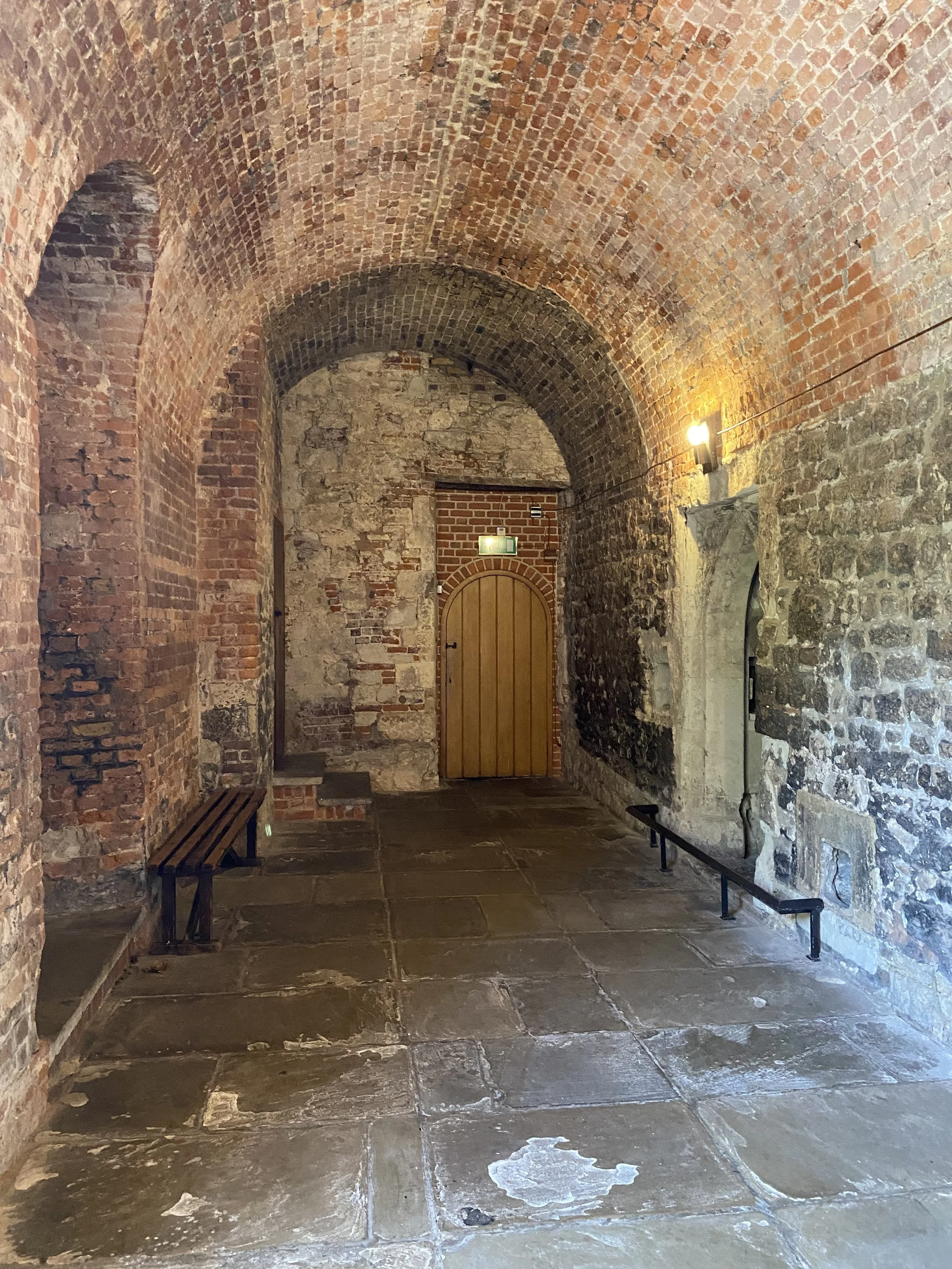
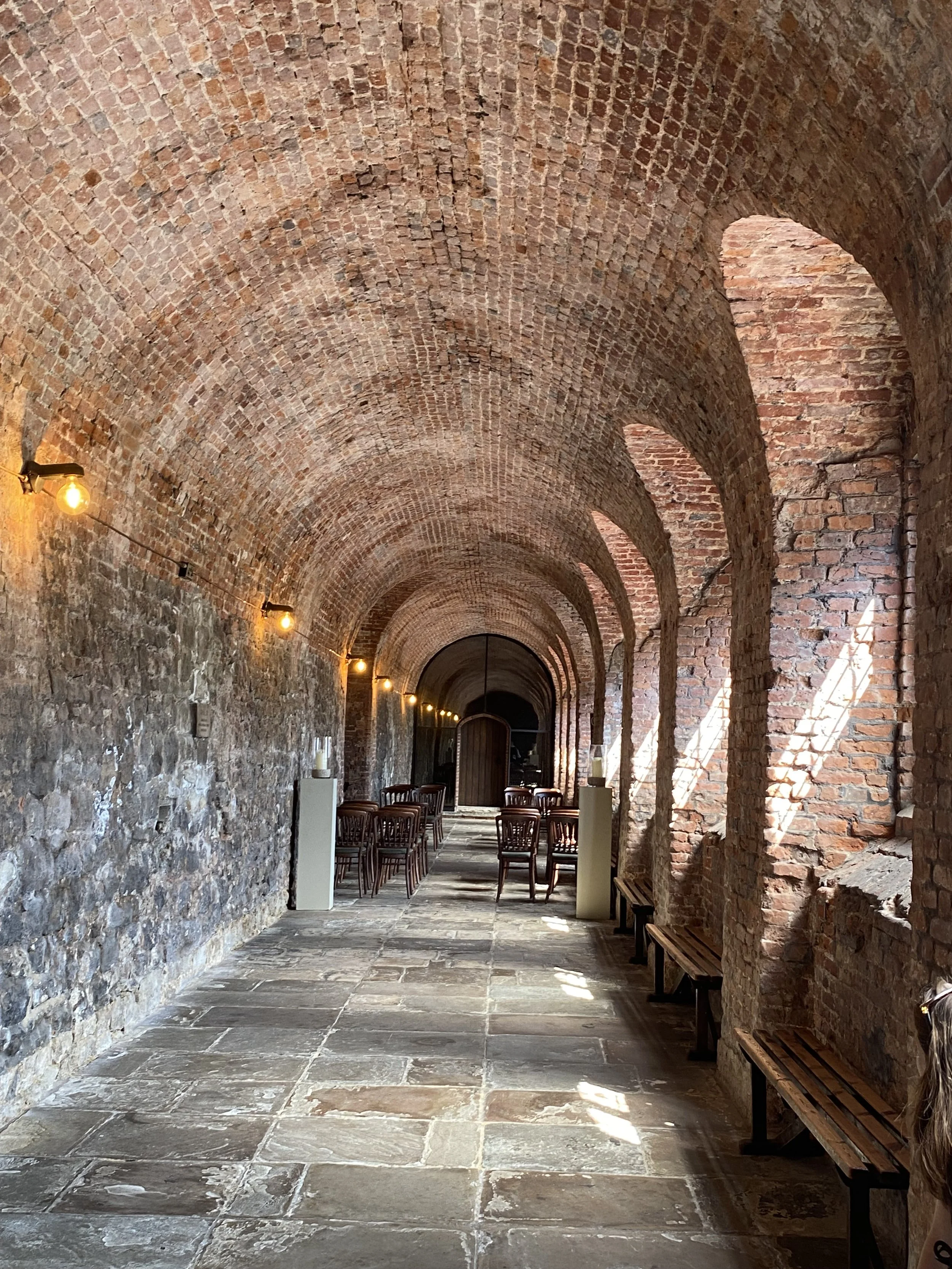
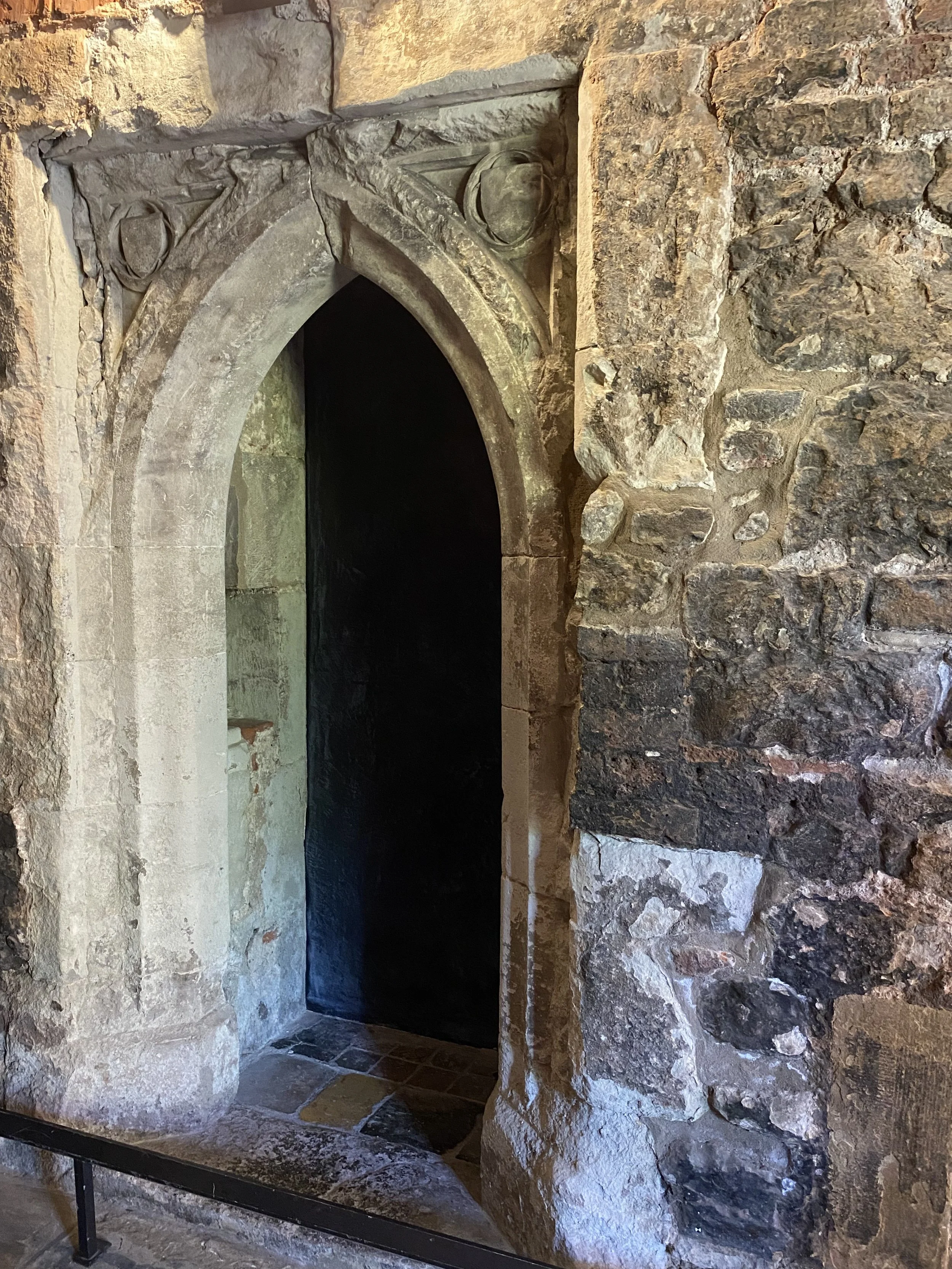
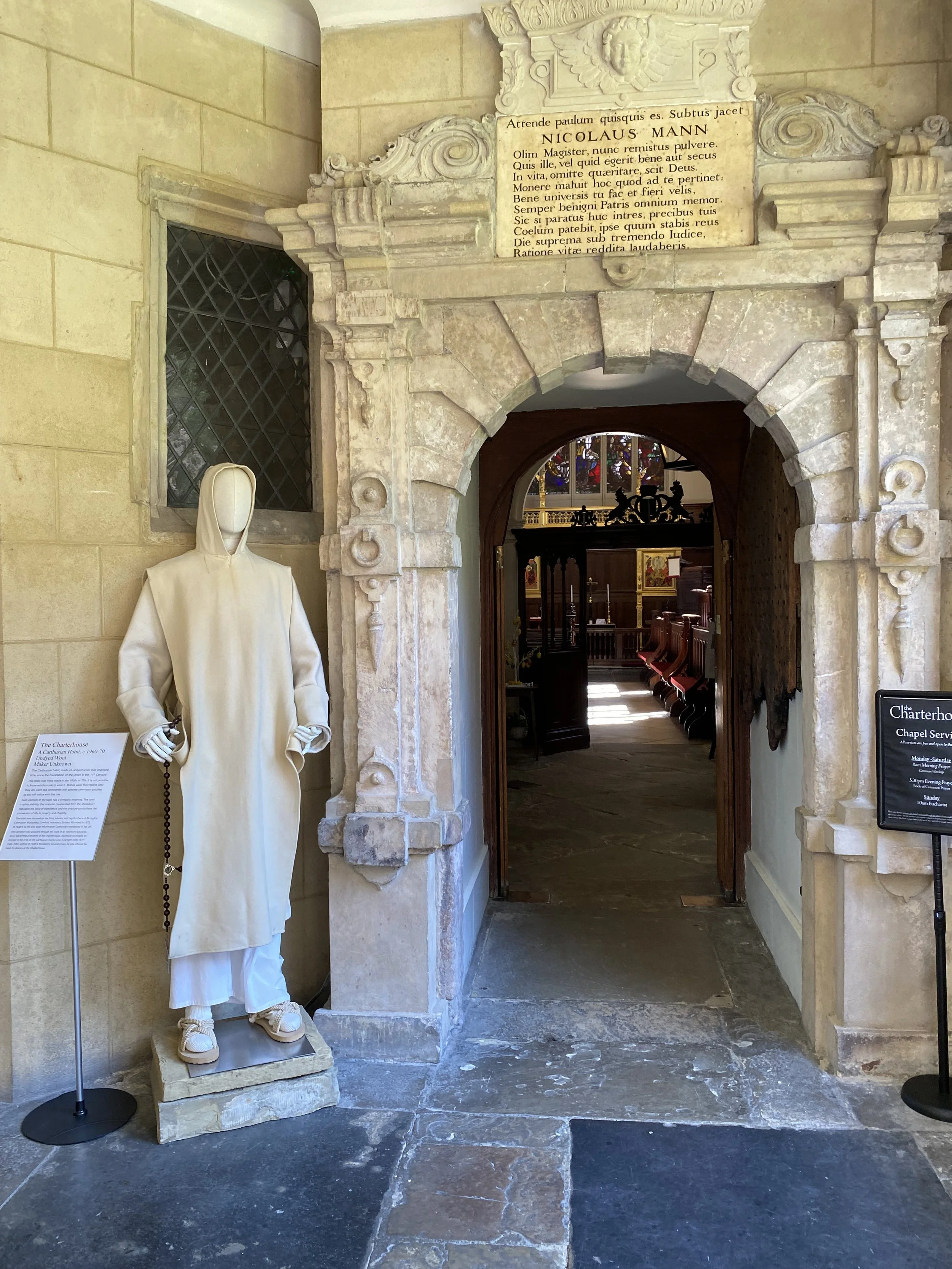
Tours are led by incredibly knowledgeable and interesting guides, whose enthusiasm for this historic place is infectious. Only half of the Great Cloister of the medieval Charterhouse still stands today. Here you can see doorway of cell ‘B’, one of the isolated rooms where the monks spent their days in contemplation and prayer. According to our guide, this area was then used by boys, who attended the school created here after the monastery was dissolved, as a place to play football, giving the ‘Charterhouse rules’ of throw in and offside.
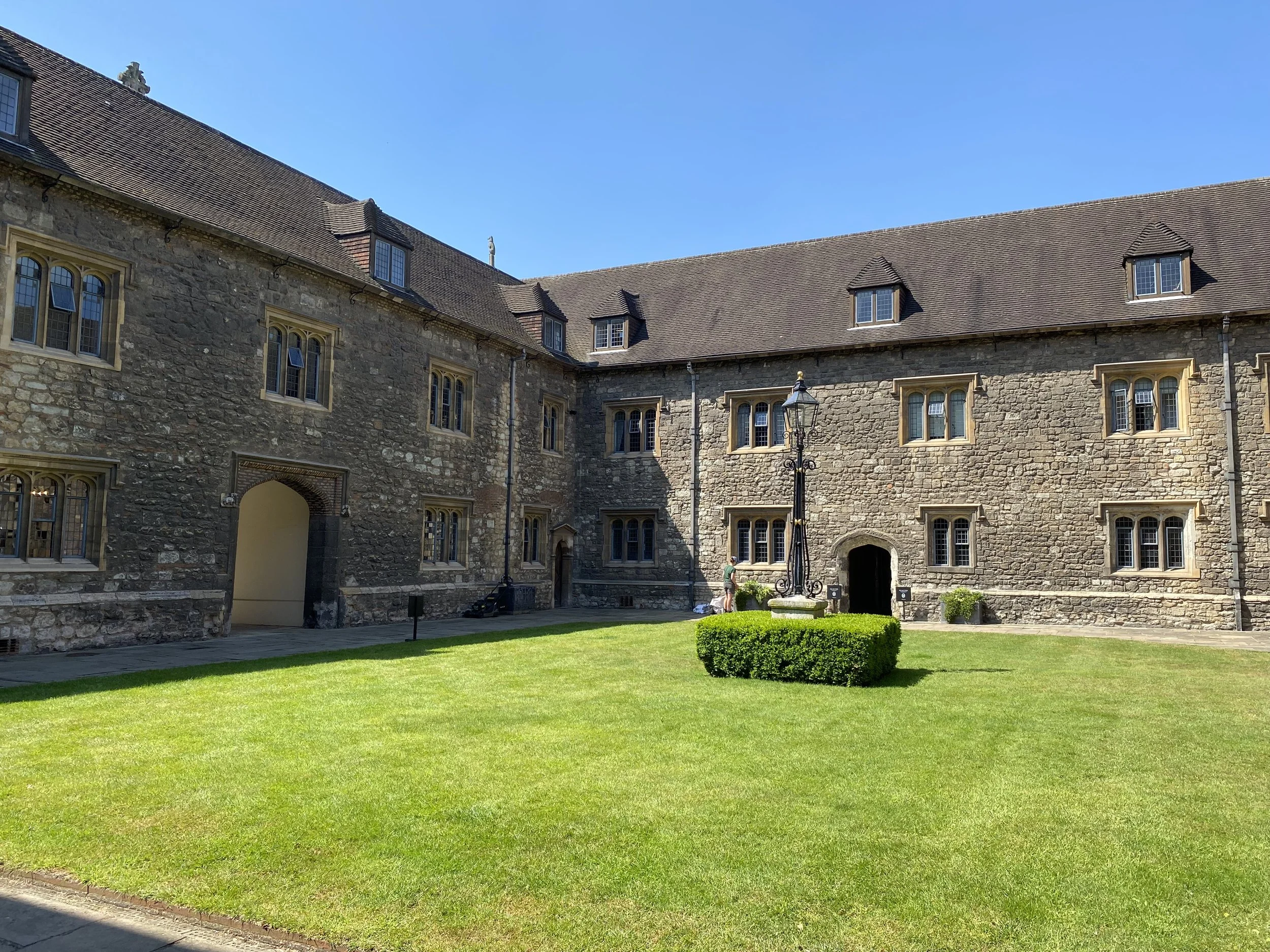

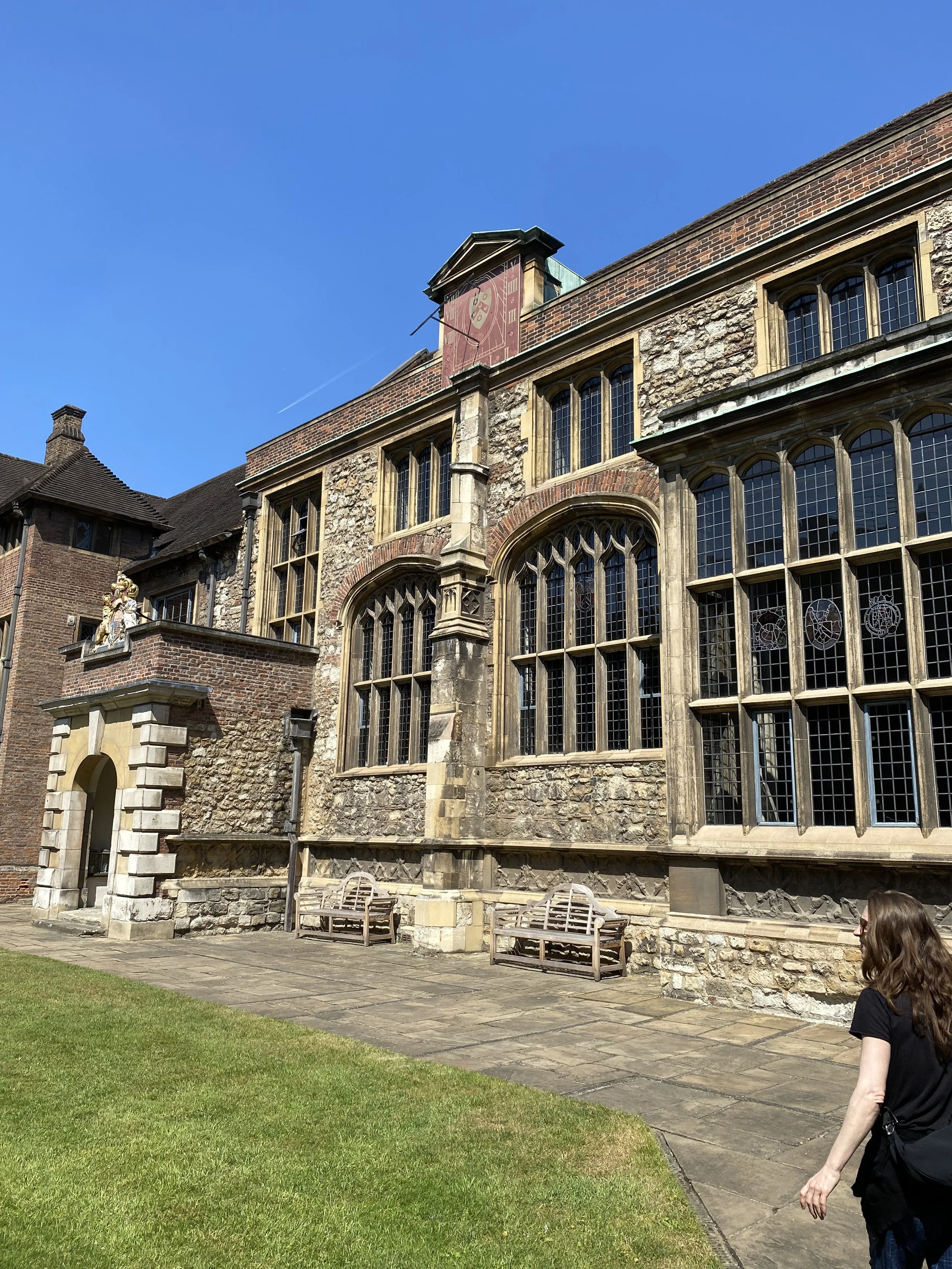
During the Dissolution of the Monasteries, Prior John Haughton and the monks, lay brothers and hermits who refused to support the Act were sentenced to death between 1535 – 1537 and Charterhouse was confiscated by the Crown. For a while afterwards it was used as a store before Sir Edward North became the new owner of the Charterhouse in 1545.
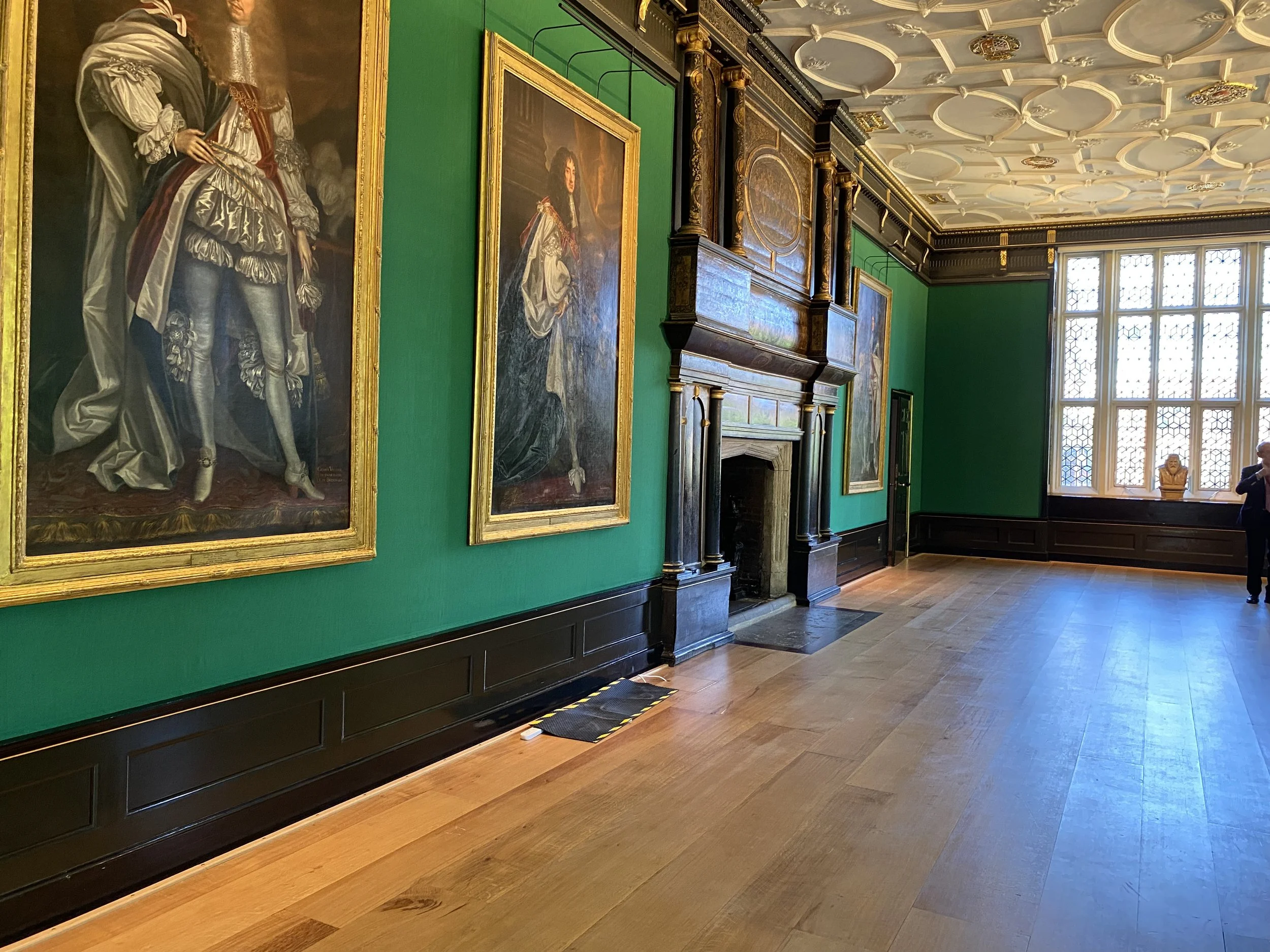

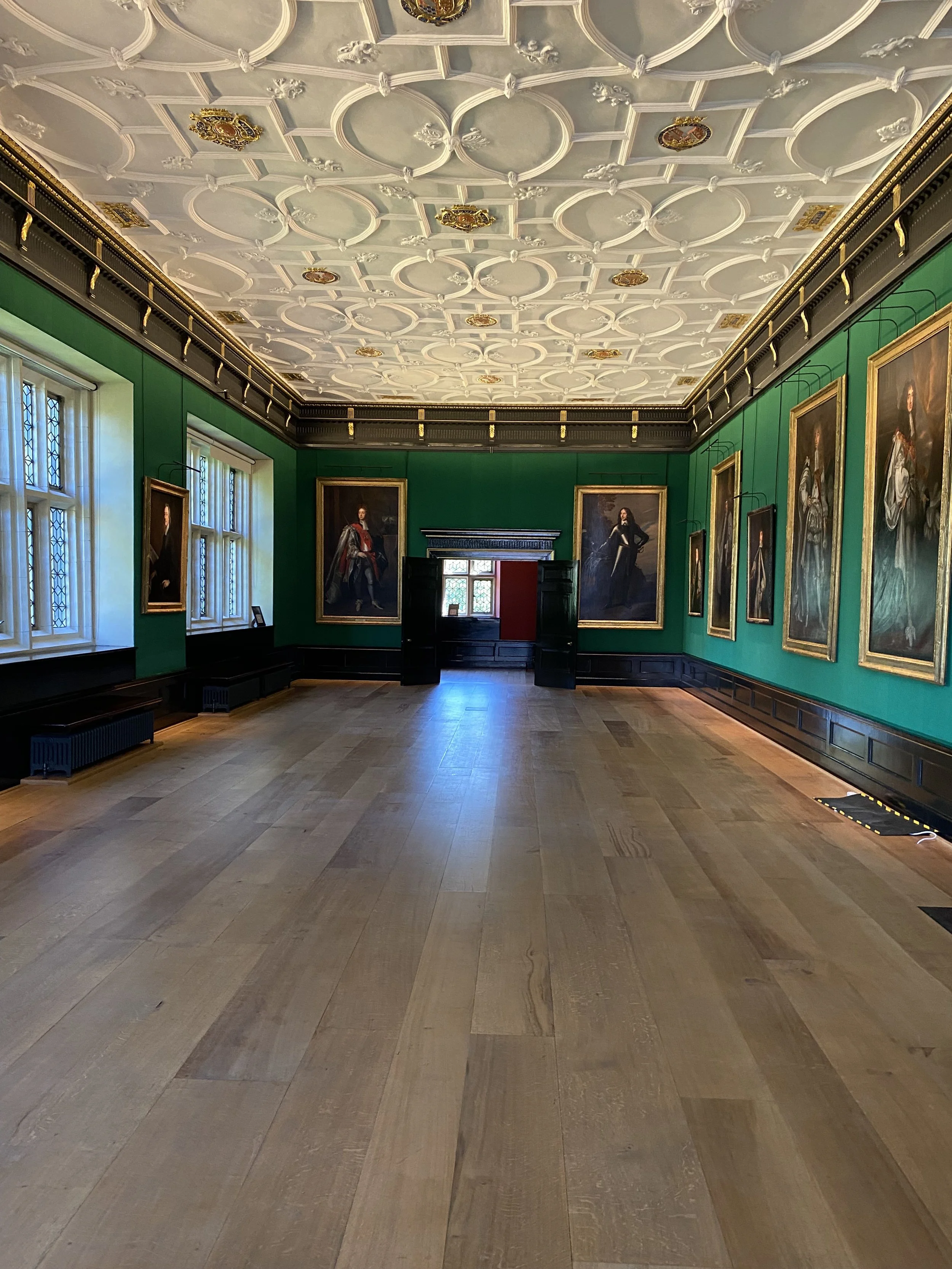
Many famous people have stayed here including Elizabeth I, who stayed just before her coronation in 1558 and met her first Privy Council in the Great Chamber, and James I (James VI of Scotland) who also stayed prior to his coronation, creating 130 new knights also in the Great Chamber.
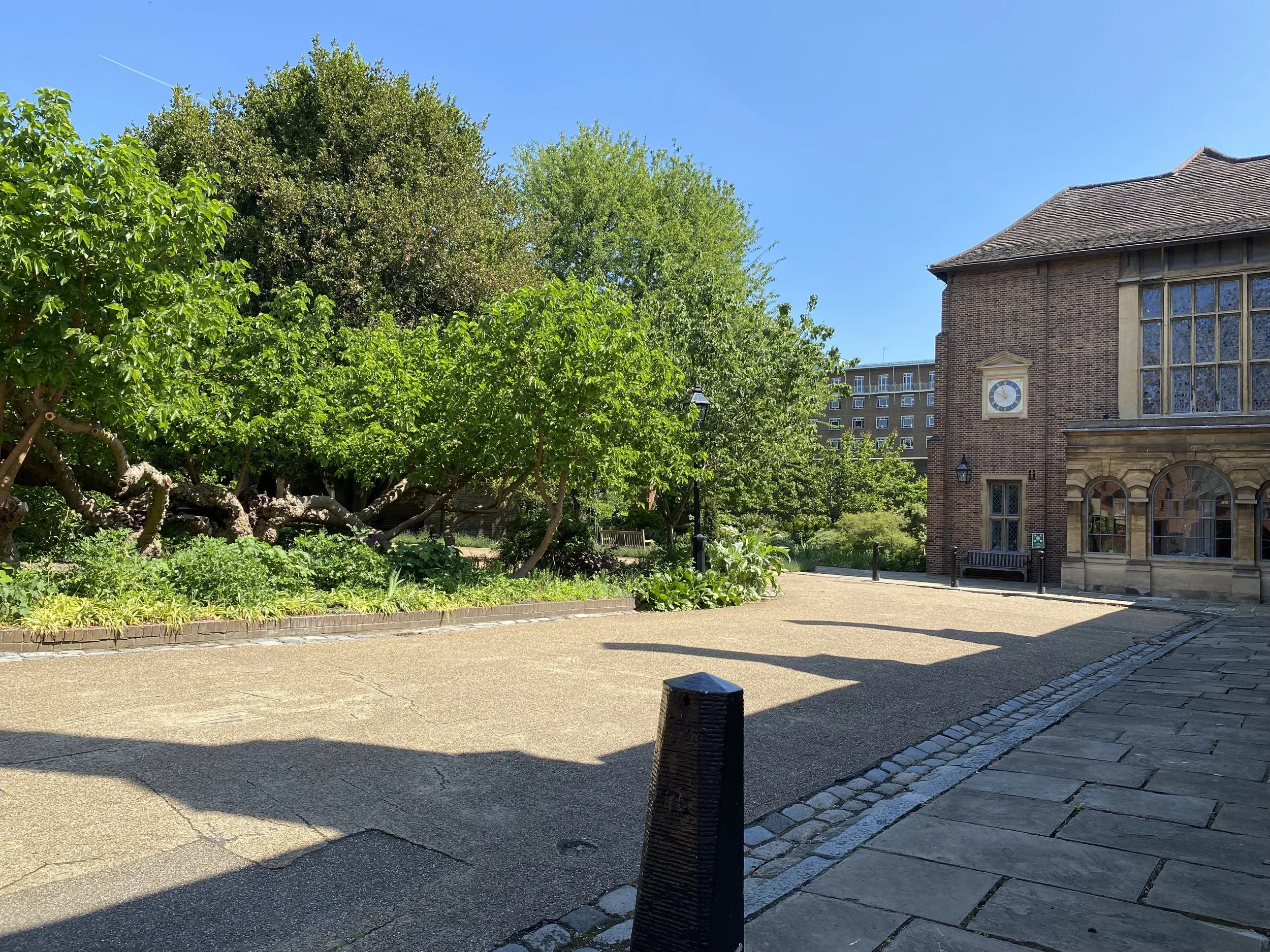
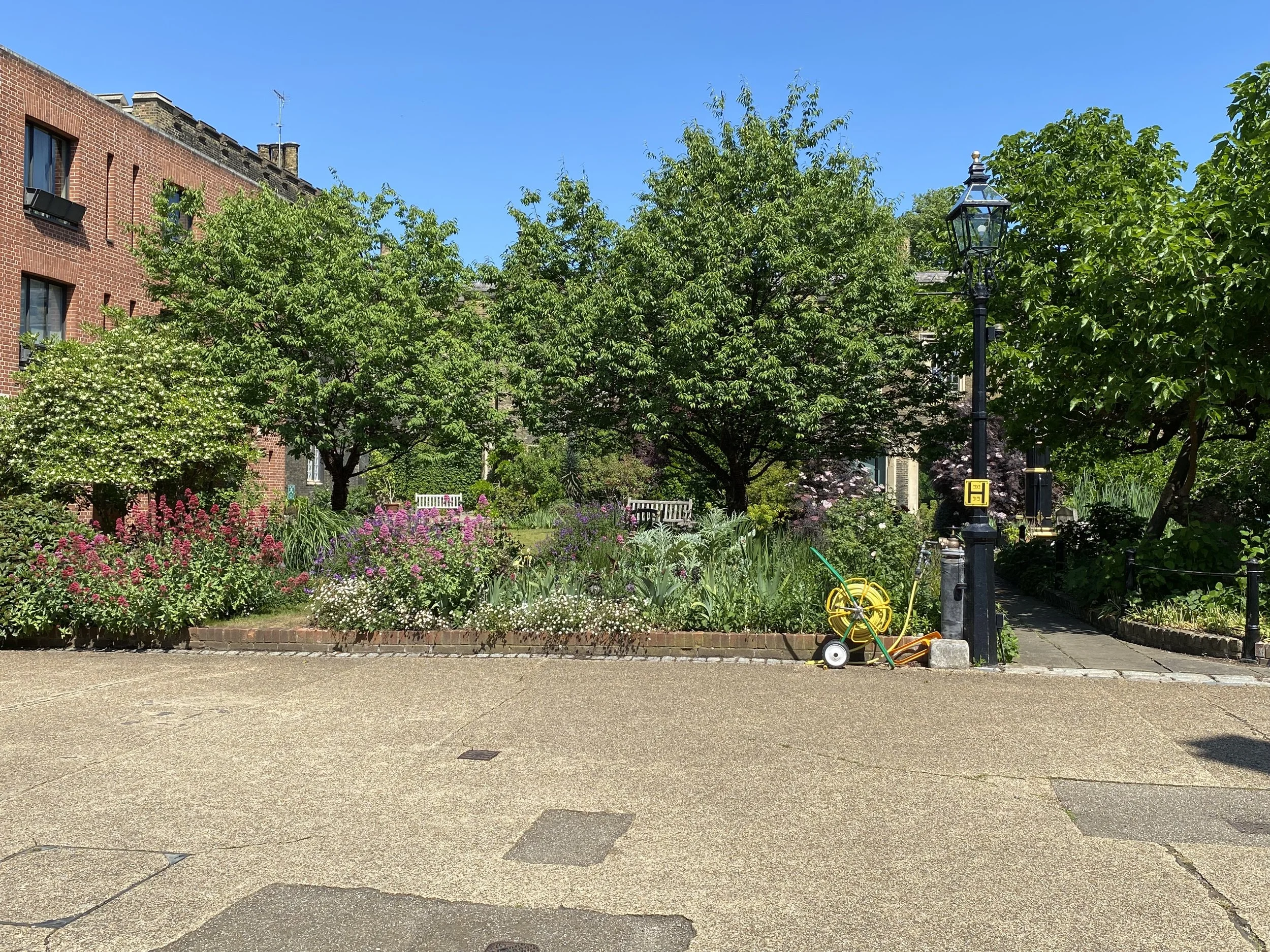
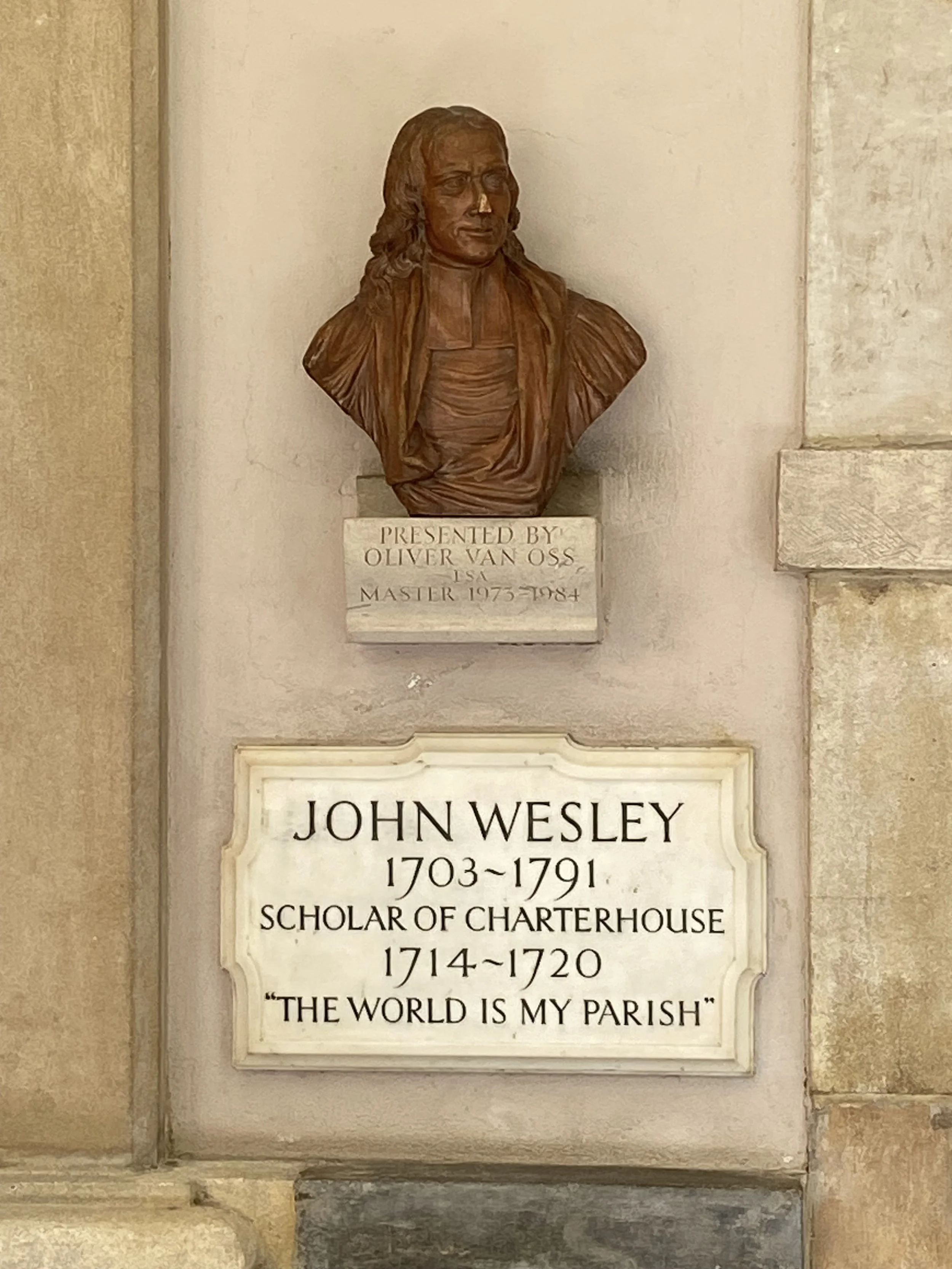
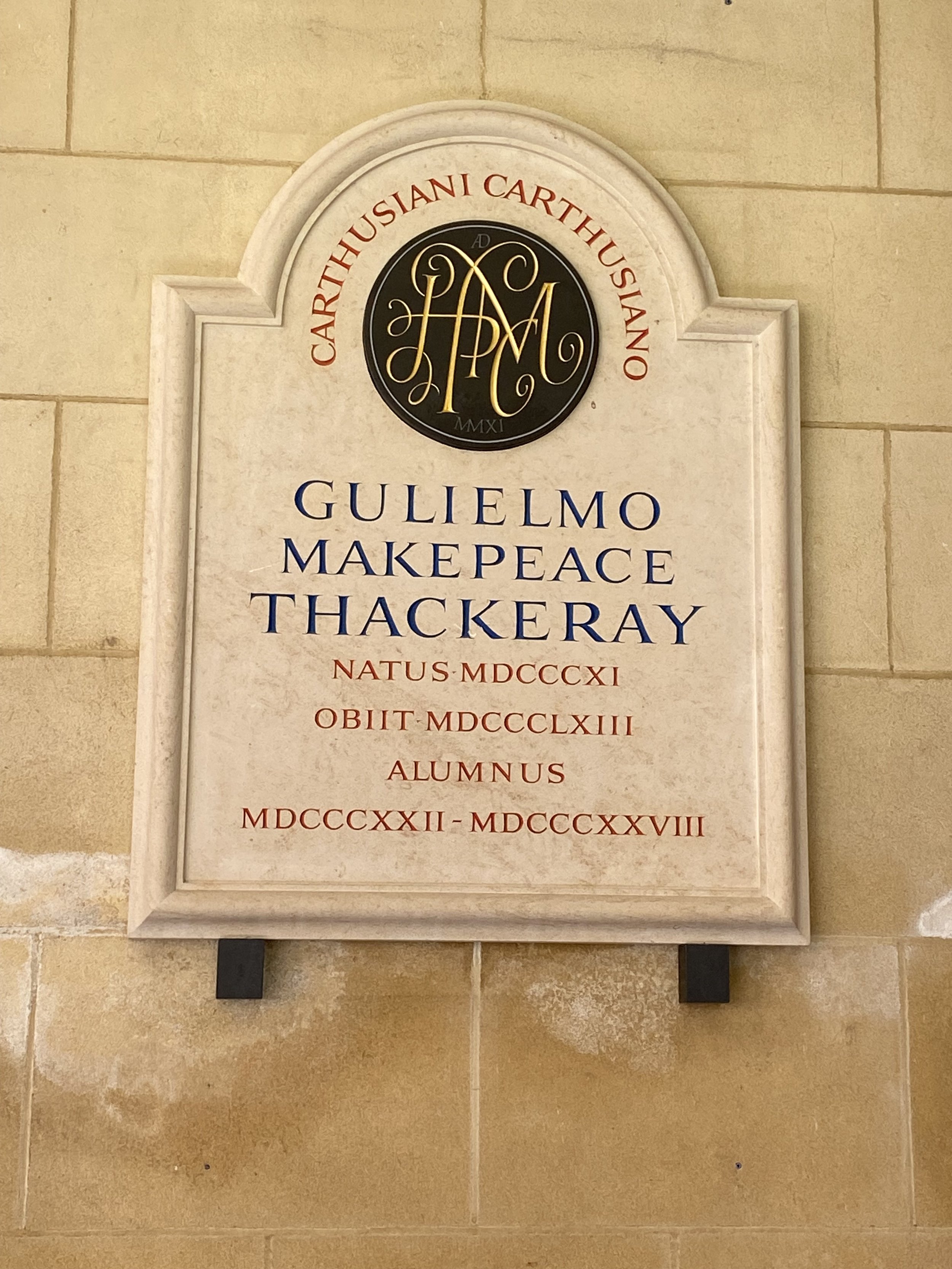
Visitors are not allowed to explore the beautiful gardens unless they book on to a separate tour as these are for the residents to enjoy and have privacy. Monuments to some of the school alumni can be seen, such as these to Milton and Thackeray, who attended here before the school moved to Godalming in Surrey in 1872 where it remains to this day.
At the end of the tour, visitors are free to explore the chapel and museum by themselves. A peaceful haven, the chapel reflects the changes made to the Charterhouse over the ages and is well worth spending time in. The museum follows the history of the location through objects, travelling back in time with a particularly poignant monument to one of the plague victims, discovered in the plague ‘pit’ beneath Charterhouse Square during the Crossrail excavations.
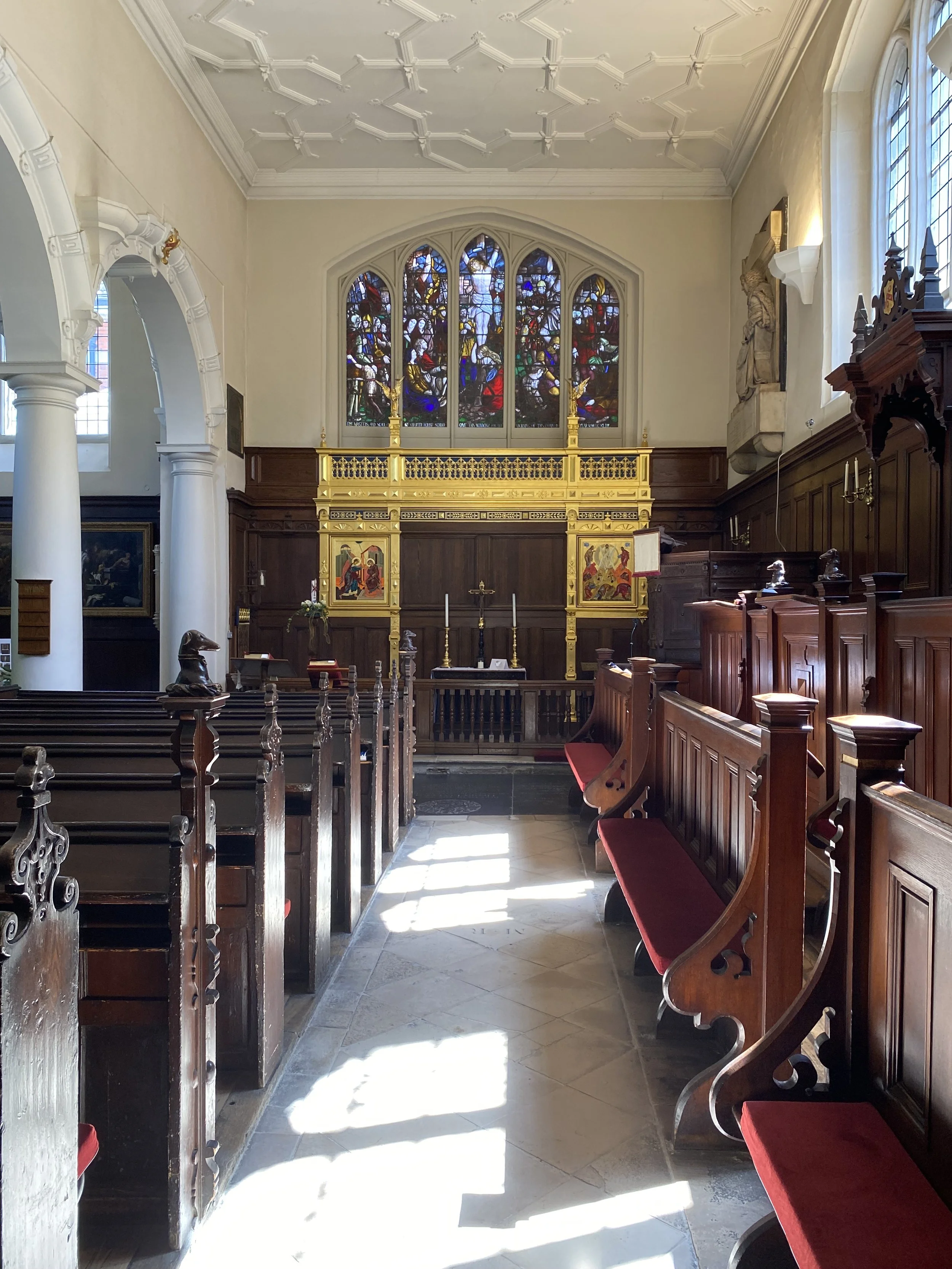
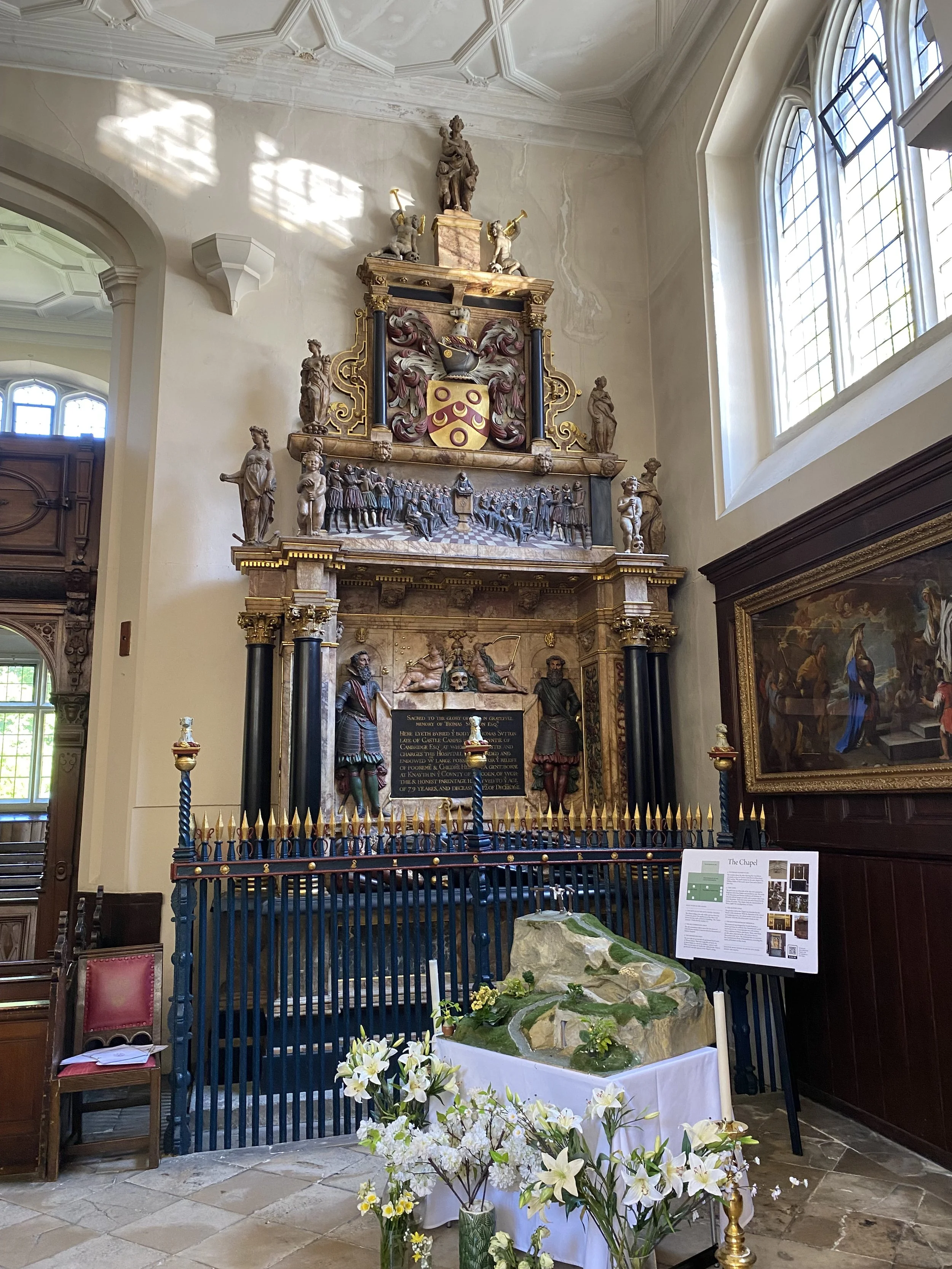
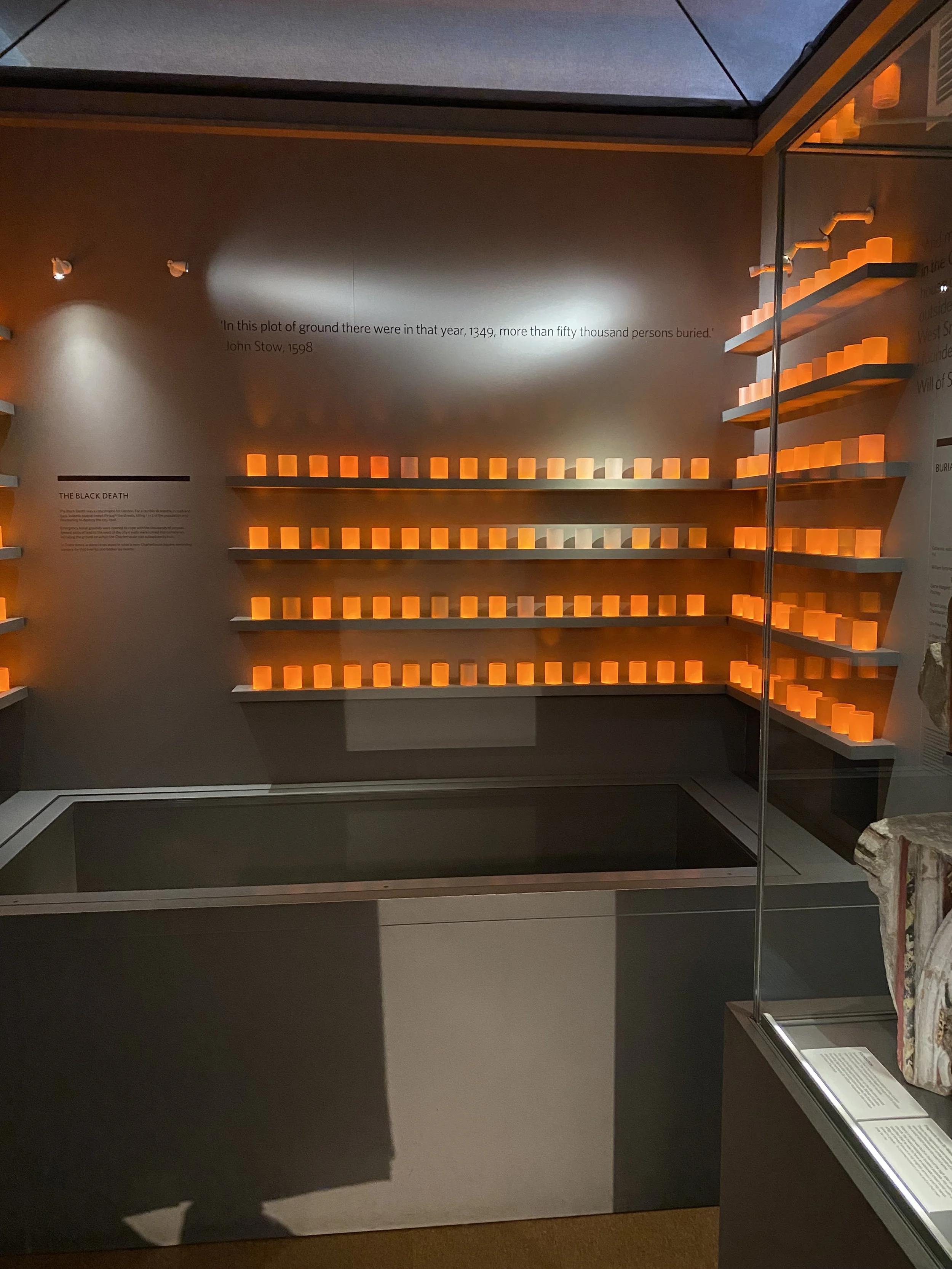
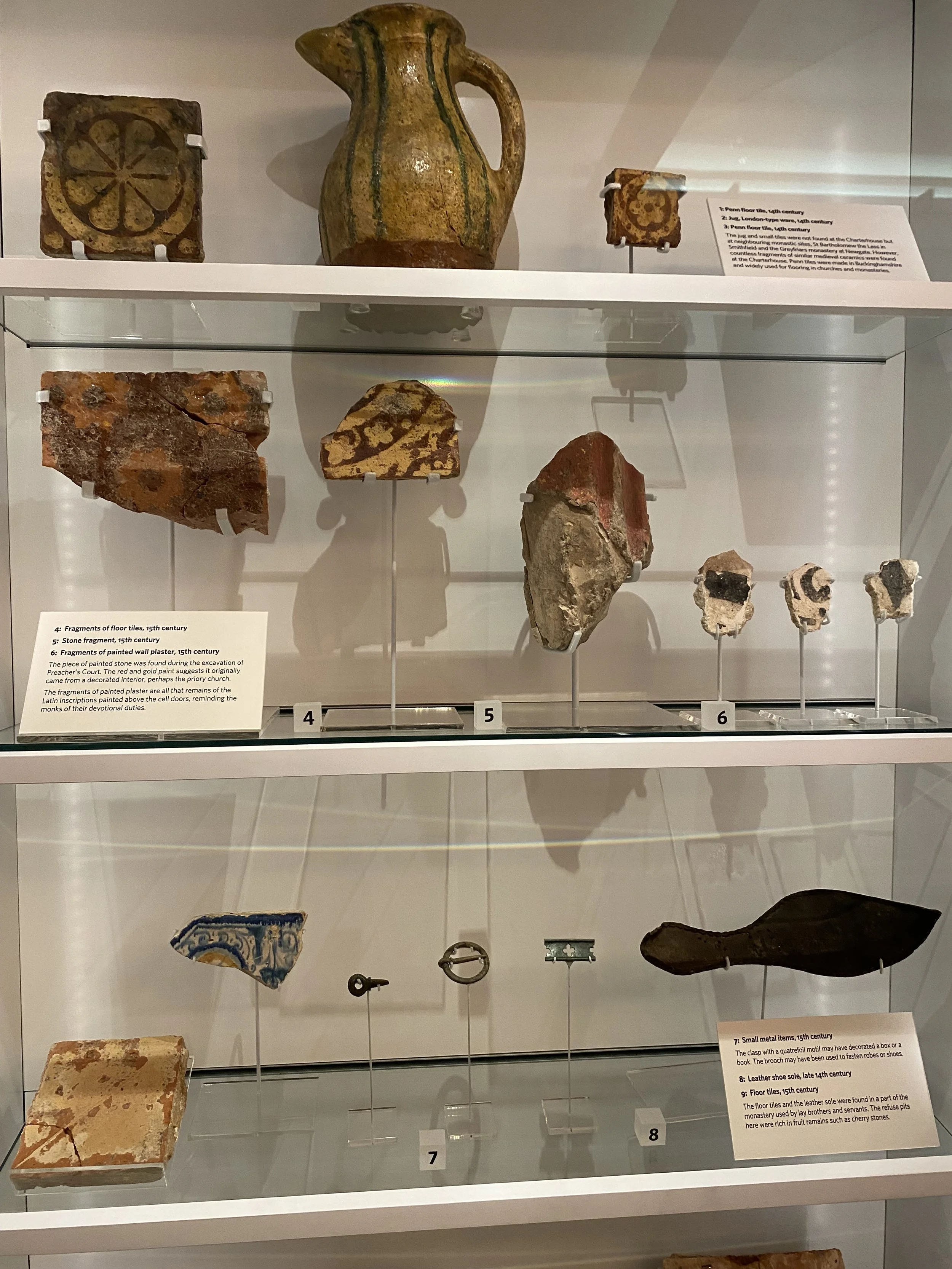
It is hard to believe that this peaceful retreat exists in London. It was a real treat to visit, full of fascinating history- well worth it!
The Charterhouse
Charterhouse Square,
Barbican,
London EC1M