Wigtown martyrs
Wigtown is well known for being Scotland’s town of books, a delightful place to pass time browsing and exploring all the shops which can be found here. However, the town is also known for the execution of the Scottish Covenanters who were executed for their beliefs.
In the 17th century, there was a dispute between the Church and the Monarchy which led to people being expected to swear the Oath of Supremacy declaring James II as head of the church. Refusal to do so could lead to execution. Known as The Killing Time, this was a period of conflict between the Presbyterian Covenanter movement, based largely in the southwest of Scotland, and the government forces of Kings Charles II and James II.
Wigtown was the scene of five such executions, and those who died in 1685 became known as ‘The Wigtown Martyrs’. Margaret McLachlan, a widow of around 63, and Margaret Wilson, who was around 18, were found guilty and sentenced ‘to be tyed to palisadoes and fixed in the sand, within the flood mark, at the mouth of the Blednoch stream, and there to stand till the flood over flowed them, and [they] drowned’. Agnes Wilson (Margaret’s sister and aged only thirteen at the time) was reprieved when her father promised to pay £100. The women were taken out and tied to stakes in the waters of the Bladnoch on 11th May 1685. Three men, William Johnstone, John Milroy and George Walker, were hanged in Wigtown the same year for refusing to take the oath.
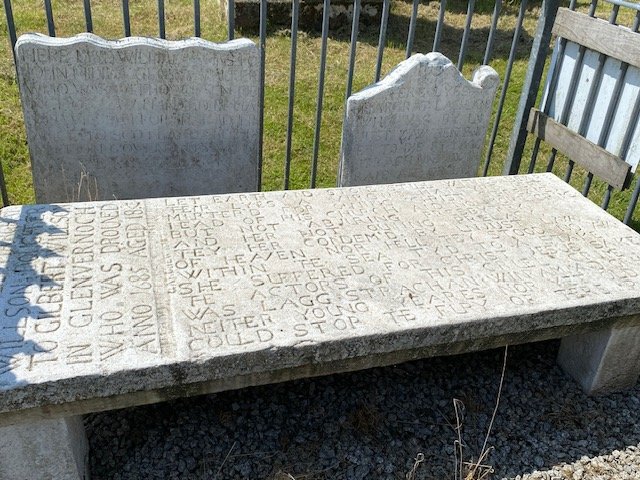
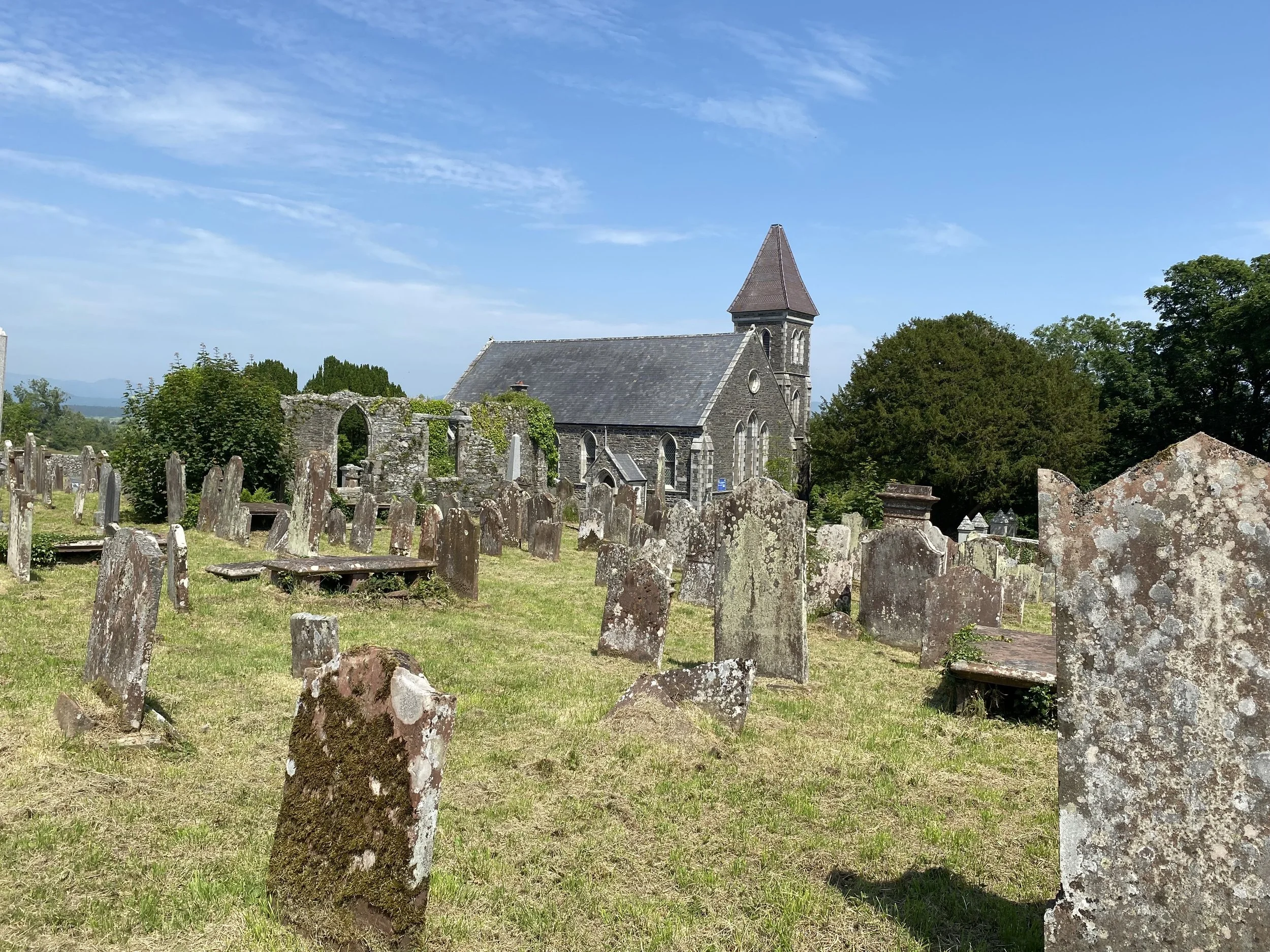
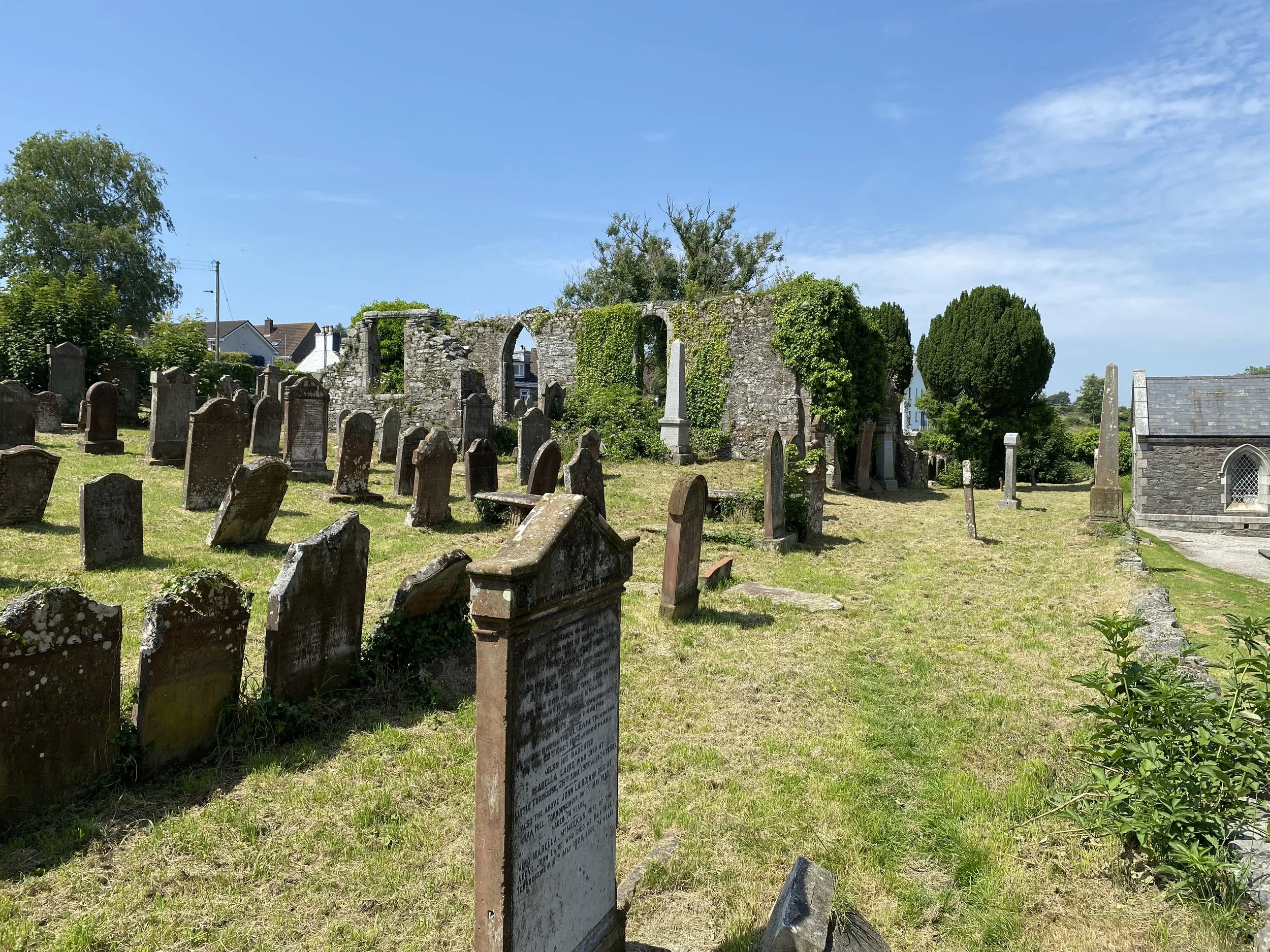
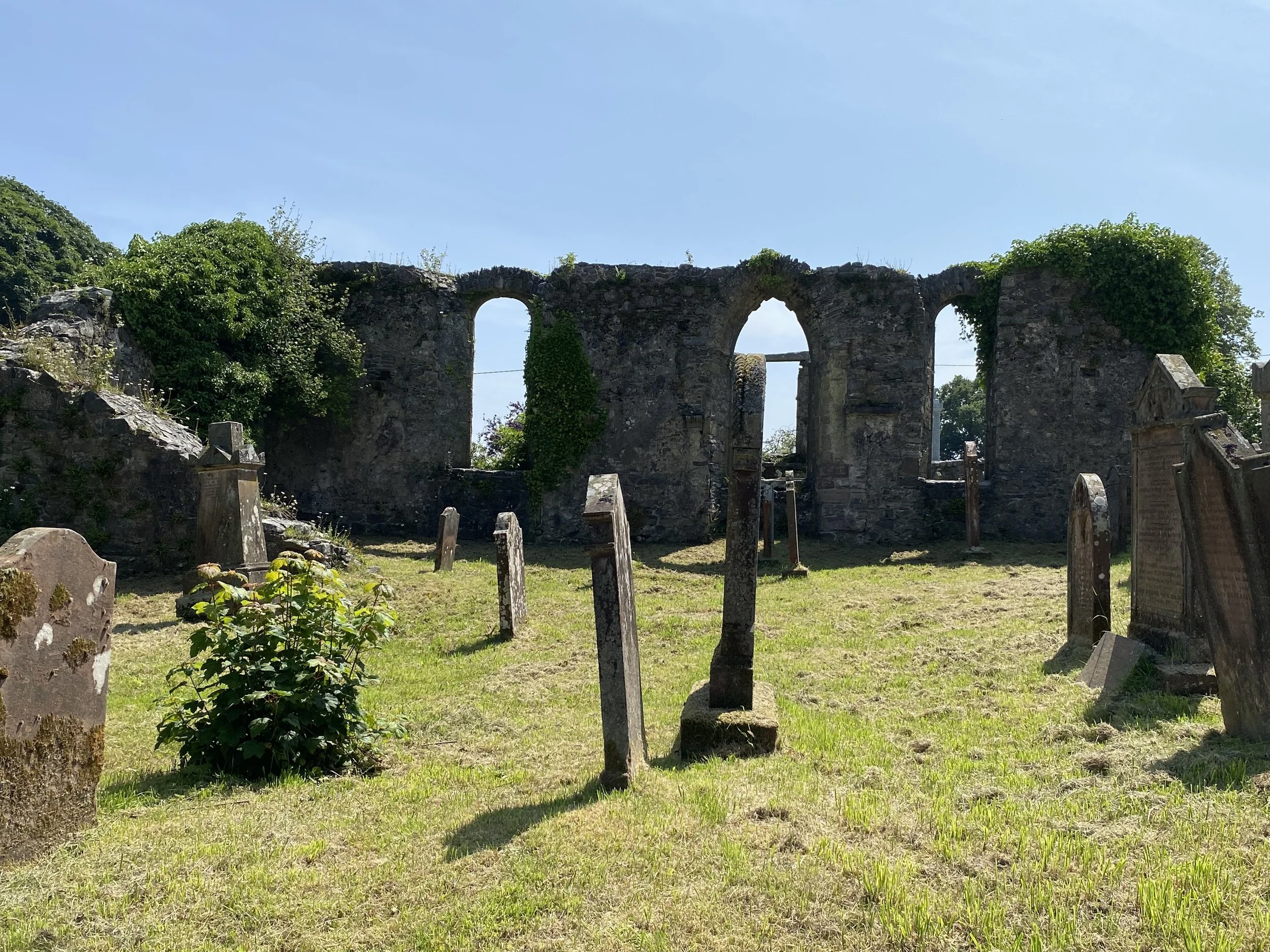
On the edge of the town are the remains of Wigtown's Old Kirk, next door to its replacement. Behind the ruins of the Old Kirk is a railed enclosure which houses three gravestones, one for each of the women and one for the men. Each stone is covered with inscriptions detailing how the martyrs died.
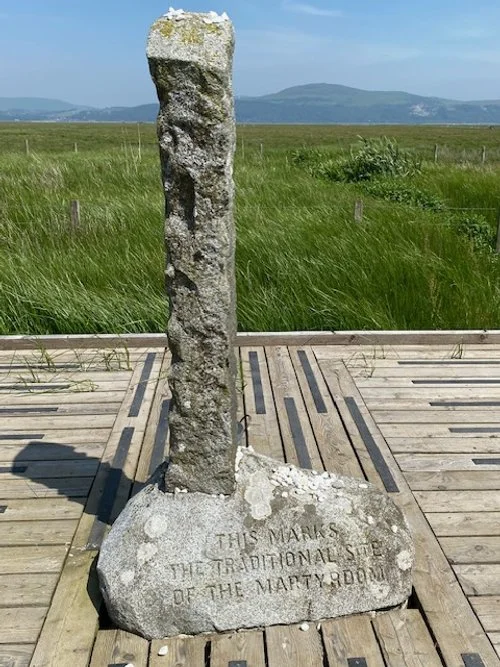
The largest monument to the Wigtown Martyrs stands on Windy Hill, above the town, but perhaps the most poignant is the Martyrs’ Stake,erected in 1858, which marks the spot where the women were drowned for their beliefs.
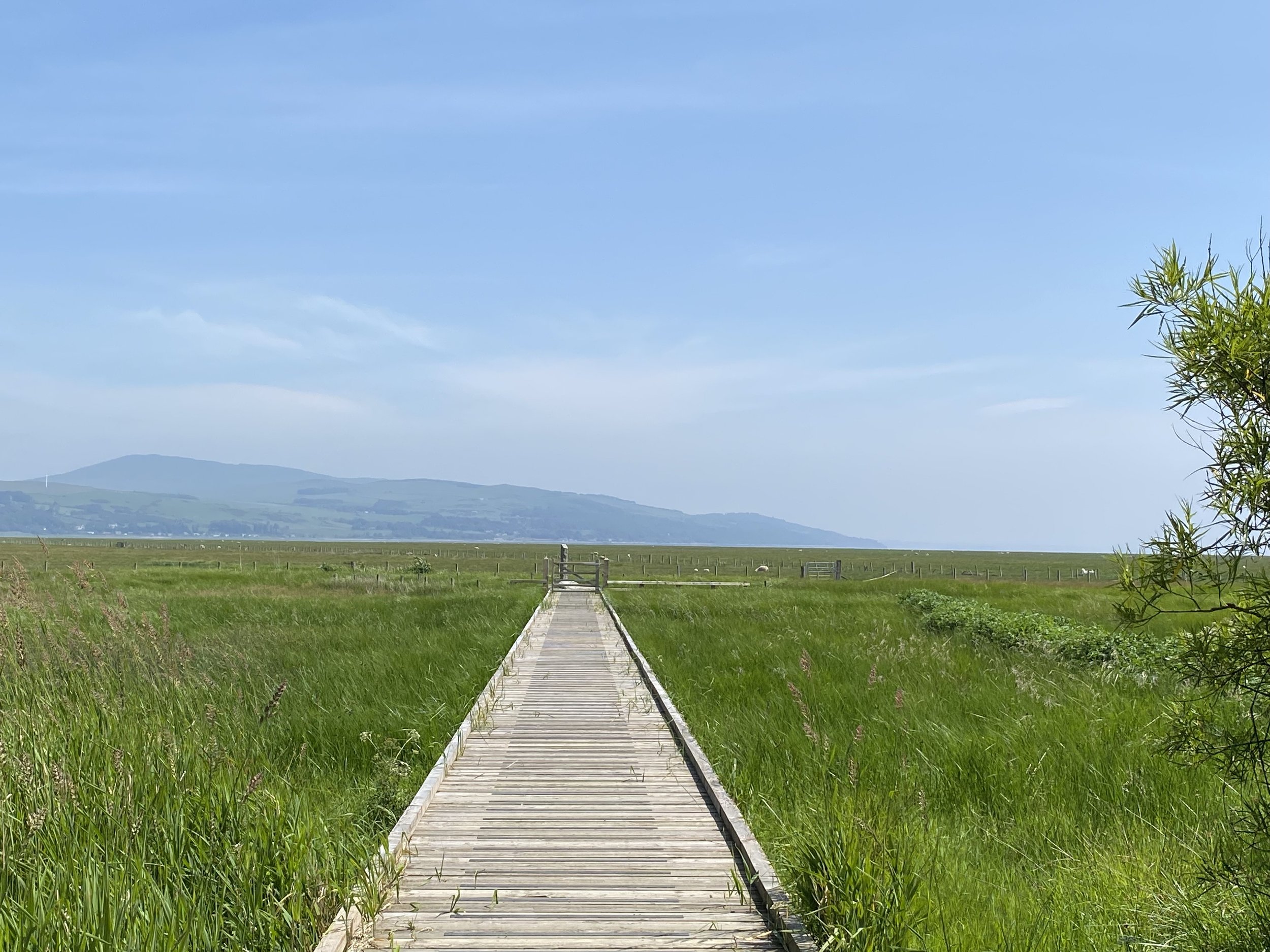
Martyrs Stake
Wigtown
DG8 9HU