Reviews
There are so many incredible books available at the moment that it is impossible to read them all, no matter how hard I try! Here are my thoughts about some of the books I have read and how I think they could be used in school as well as Q and A sessions with authors and illustrators.
Thank You, Old Oak
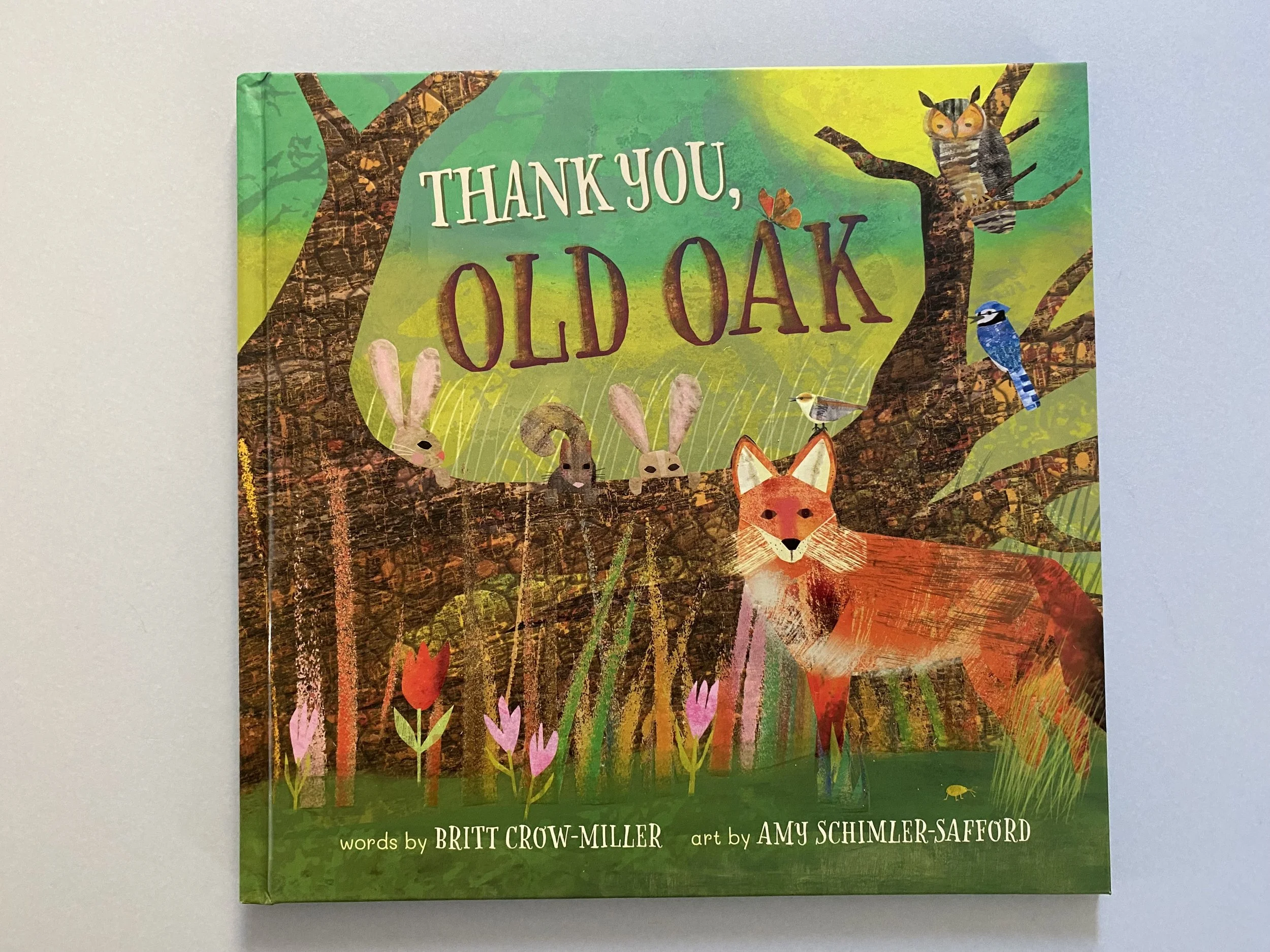
After 400 years, Old Oak finally falls to the forest floor. Creatures gather to give thanks for the many ways in which she helped them whilst she was standing. But, even now, Old Oak contributes to life in the forest in a variety of ways.
‘Thank You, Old Oak’ is a wonderful book, written in celebration of these incredible trees and shares much about the role they play in a forest ecosystem. The personification of Old Oak engages readers, encouraging them to empathise as her long life comes to an end and she is mourned by all the creatures who have benefitted from her presence over the years.
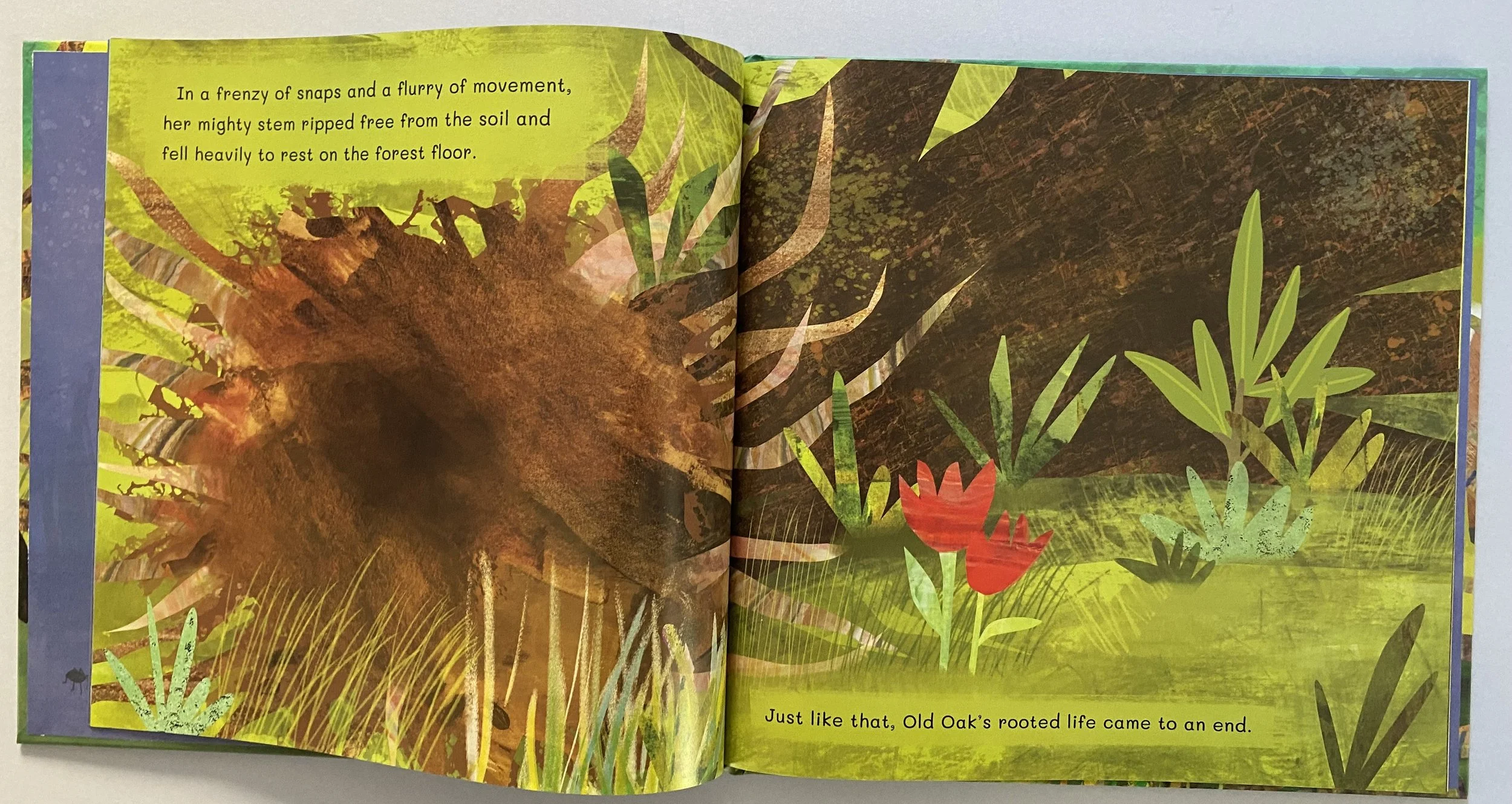
Although many of the animals and birds who gather round the fallen oak will be known to UK readers, some will be less familiar, encouraging discussion about native and non-native species as well as the importance of oak trees around the world.
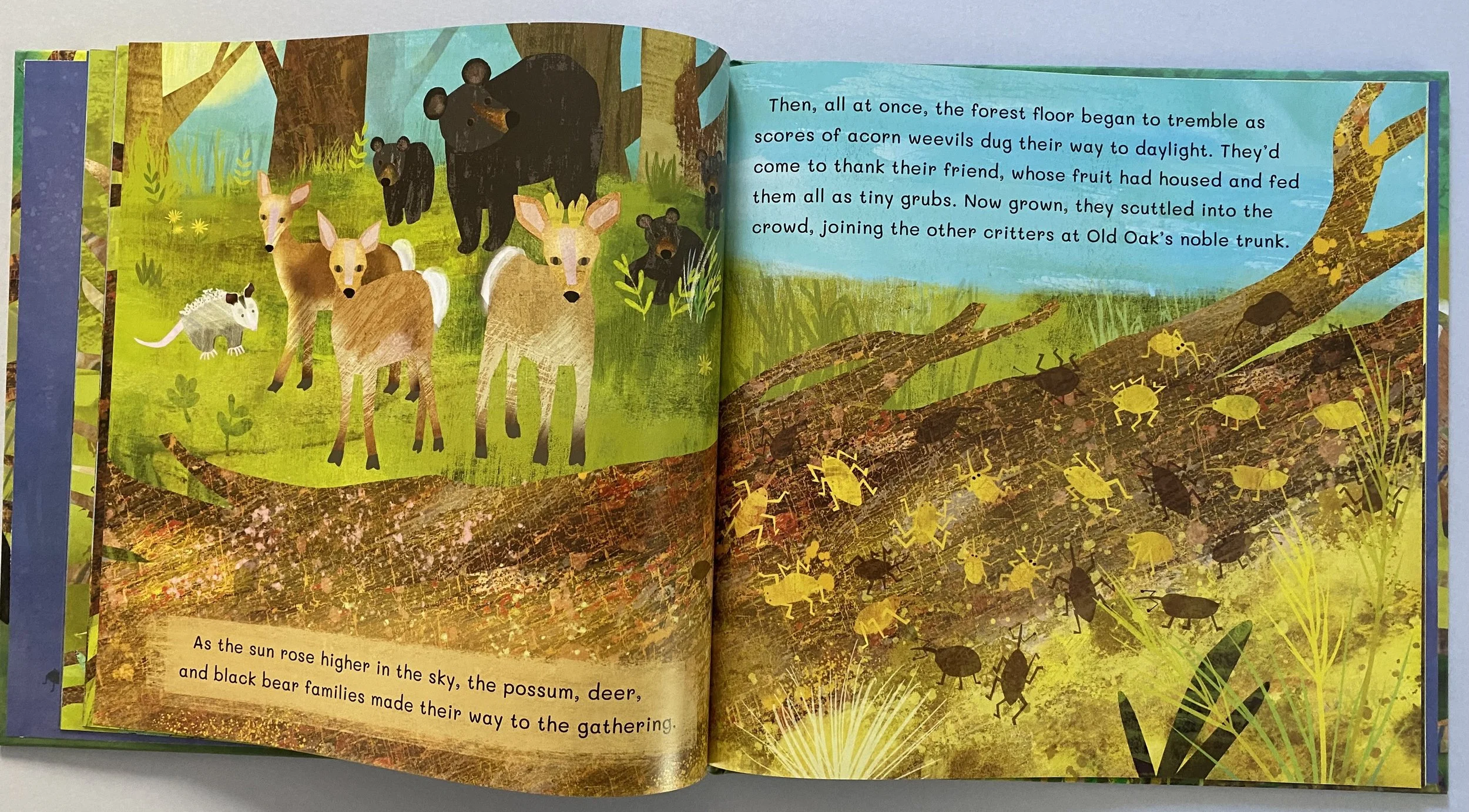
The story ends on a note of joy as Old Oak’s legacy- healthy oak seedlings- are beginning to grow. Factual information about oak trees and how to read tree rings is included at the end of the book which will hopefully spark children’s interest and encourage them to learn more about these incredible trees. It would make an excellent book to share with a KS1 class with its colourful, collaged illustrations sure to engage and add to their enjoyment of the story.
Thank You, Old Oak
Britt Crow-Miller, illustrated by Amy Schimler-Safford
Barefoot Books ISBN: 978-8888596579
NNFN2024: Wildlife in the Balance
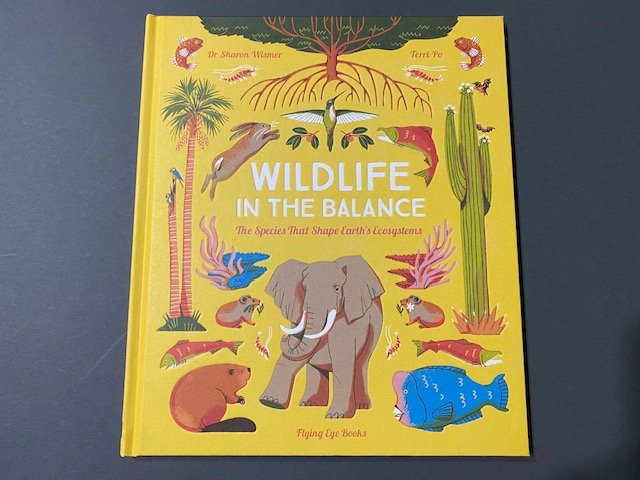
‘Wildlife in the Balance’ is a superb book, offering careful explanations, presented in an attractive, accessible manner. From teachers looking for excellent resources to support their students’ learning to those with a general interest in wildlife, there is much to learn and enjoy here.
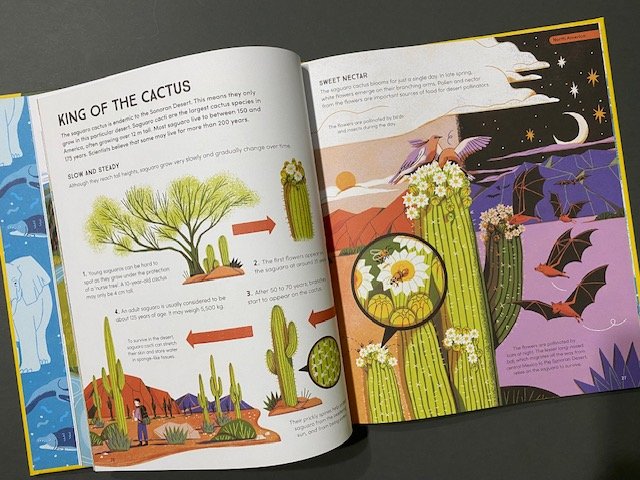
Having explained what an ecosystem is and shown examples located on the world map, the book then gives clear, concise information about food chains and webs before explaining what ‘keystone species’ are, the researchers who identified them and the important role they play in maintaining nature’s balance. Twelve keystone species are then focused on, with examples offered from each continent, each beautifully illustrated.
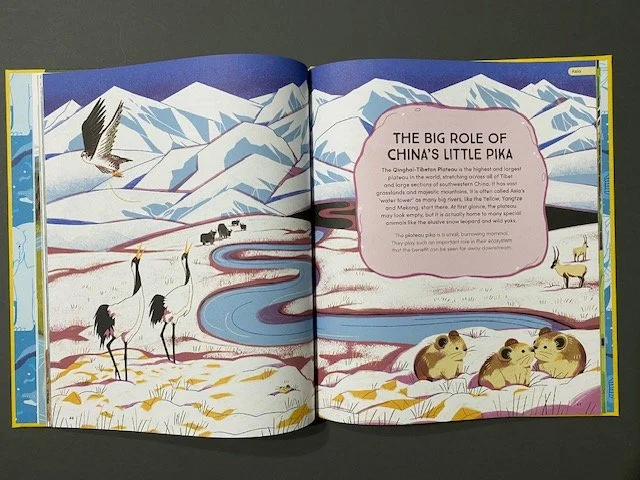
A final section offers advice on how keystone species can be supported . A comprehensive glossary helps readers gain a good understanding of technical terms whilst the index allows the book to be used for research as well as it being a wonderful book to read for pleasure, extending knowledge beyond the curriculum and sparking interest in the natural world.
Wildlife in the Balance: The Species that Shape Earth’s Ecosystems
Dr Sharon Wismer, illustrated by Terri Po
Flying Eye ISBN: 978-1838741570