Reviews
There are so many incredible books available at the moment that it is impossible to read them all, no matter how hard I try! Here are my thoughts about some of the books I have read and how I think they could be used in school as well as Q and A sessions with authors and illustrators.
The Fantastical Safari
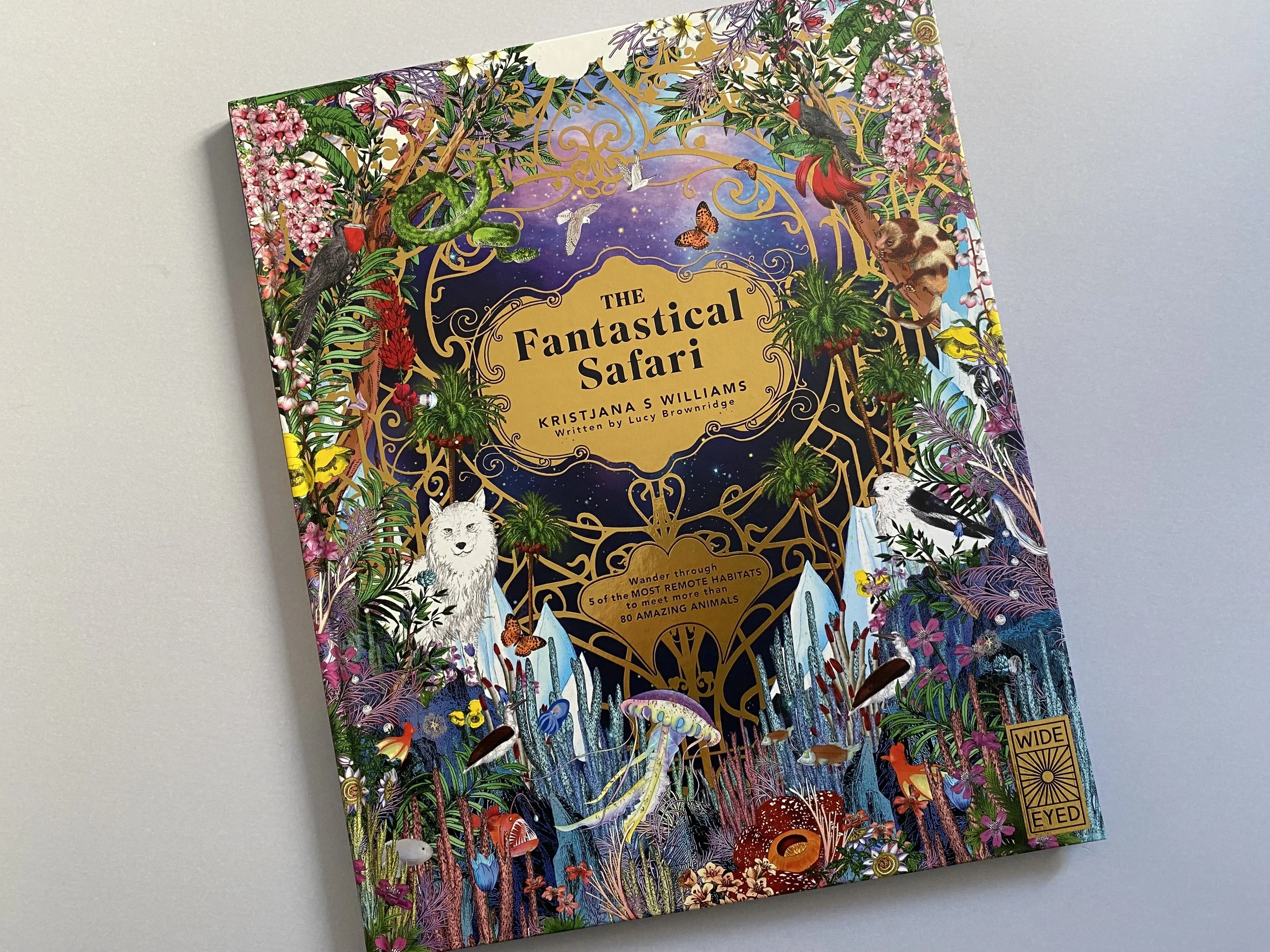
‘The Fantastical Safari’ is a stunning book which takes readers on an incredible journey to five of the most remote habitats in the world. The illustrations are stunning, making this a book to treasure for adults and children alike.
The safari travels to the depths of the Marina Trench, along the Greenland Ice Sheet to the Highlands of Papua New Guinea, the Galapagos Islands and then finally to the Tenere region of the Sahara Desert. Each location is carefully introduced with its terrain and climate described before exploring the creatures which live there and how they have adapted to survive in those conditions.
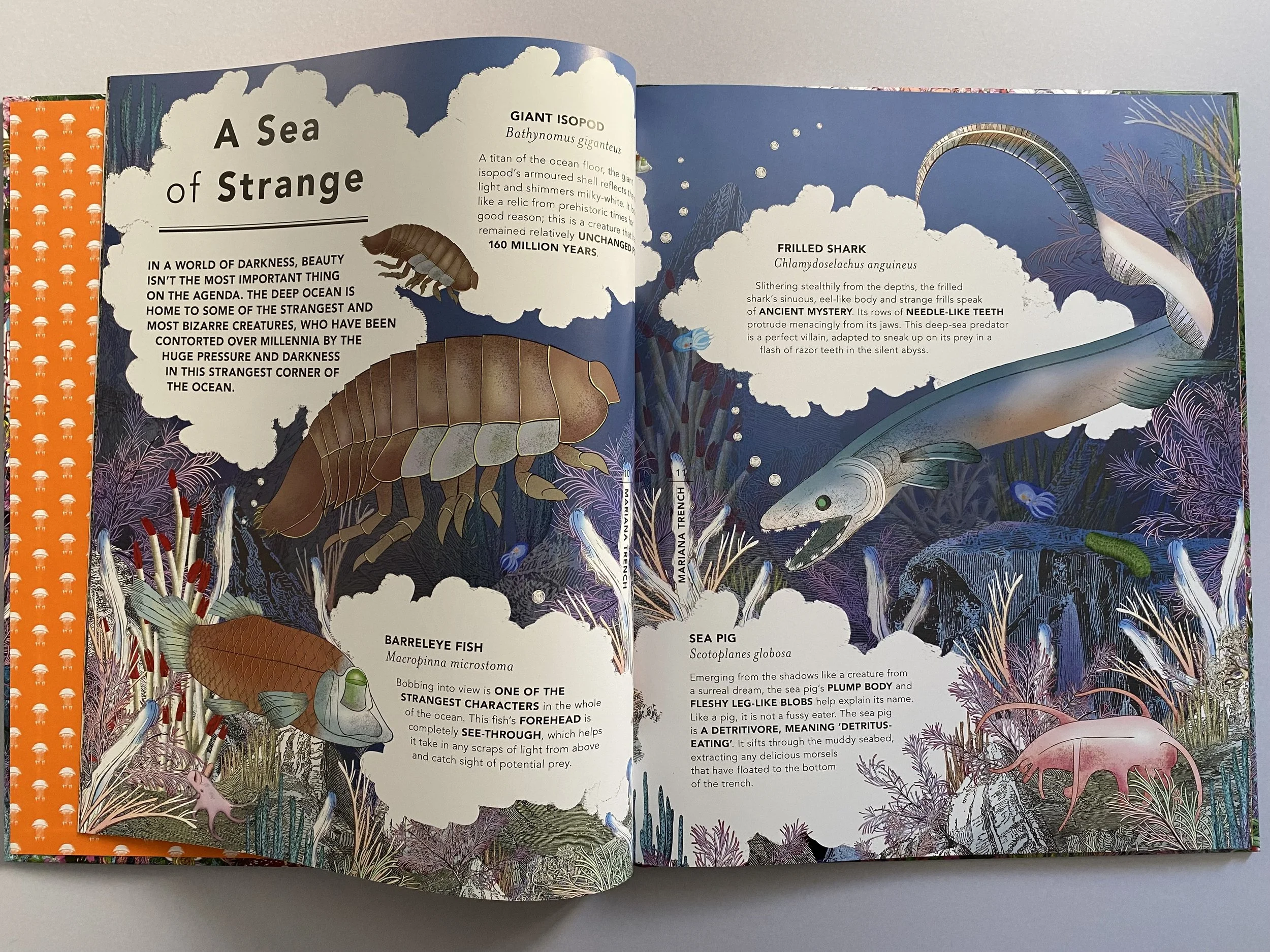
Perfect for enriching and adding interest to the science curriculum, the book supports many of the things which children should be taught in the Living Things and their Habitats and Evolution and Inheritance strands. Beautiful books like this one enhance the subject, encouraging children to value them. The Galapagos Islands are often chosen as a focus for learning in geography- location, physical features, mapping skills etc- and this book encourages them to look both at and beyond this to develop their knowledge and understanding of the world.
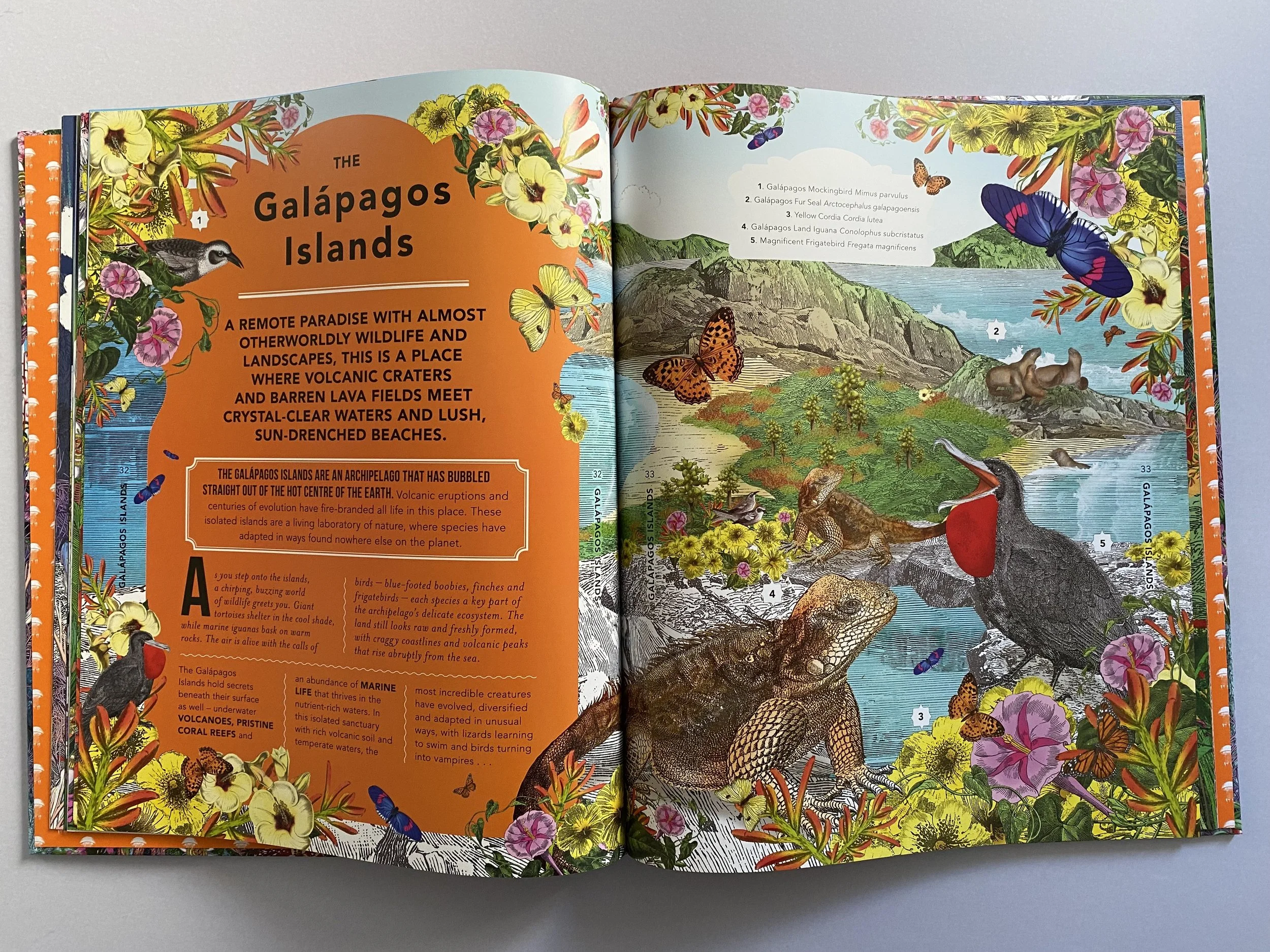
Both beautiful and fascinating, this is a book to treasure!
The Fantastical Safari
Kristjana S Williams, written by Lucy Brownridge
Wide Eyed ISBN: 978-0711296725
Choose Your Own Evolution
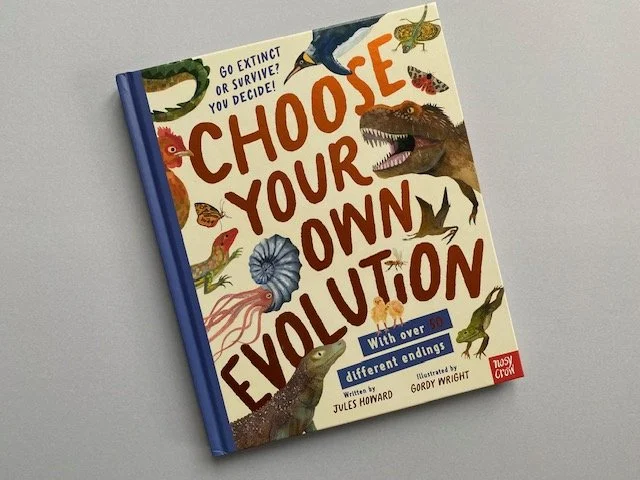
Using a ‘pick-your-own-path’ format, ‘Choose Your Own Evolution’ offers a really unique and engaging exploration of life on Earth. It is an incredibly engaging and accessible read!
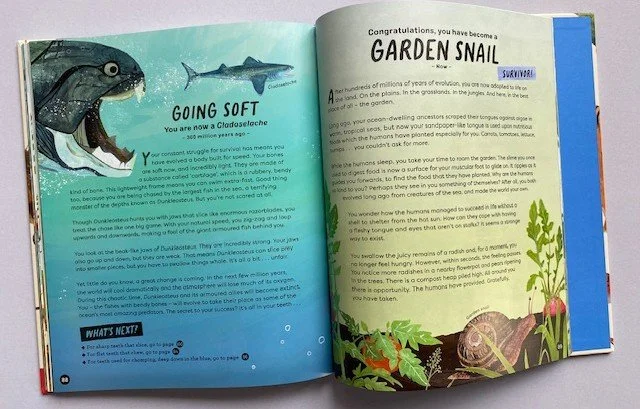
‘The Journey’ Begins’ sets the scene, explaining that every animal has a secret history- their evolution - and that readers will be offered choices to decide their fate. Starting as a Dickinsonia, a tiny blob, three pathways are offered to set off on the evolutionary journey. Deciding that slime is my ‘style’, led to becoming a ‘Helcionellid’ where, faced with five further choices, I selected ‘Get ahead of the game’ and turned to page 89. Here, I learned that I was a survivor, having become a garden snail! However, some pathways lead to extinction, the fate of Megalodon or Titanoboa, making this an interactive and engaging read, allowing readers to learn without realising!
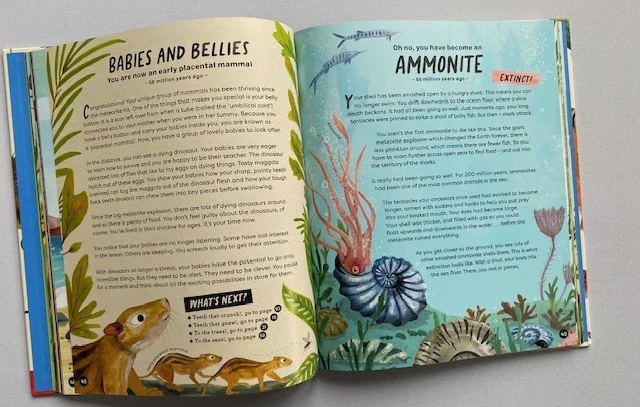
Bursting with facts, the book is also beautifully presented, with colourful, thoughtfully placed illustrations. It is perfect for enriching the KS2 science curriculum, adding a game-like element to learning, sure to provoke discussion about the choices on offer and the outcomes they result in. An evolutionary family tree included at the end of the book supports readers in following the stages each creature in the book has followed and a glossary offers concise definitions of the ‘technical’ terms related to the subject.
An excellent read!
Choose Your Own Evolution Go Extinct or Survive? You Decide!
Jules Howard, illustrated by Gordy Wright
Nosy Crow ISBN: 978-1839945533
Frog: A Story of Life on Earth
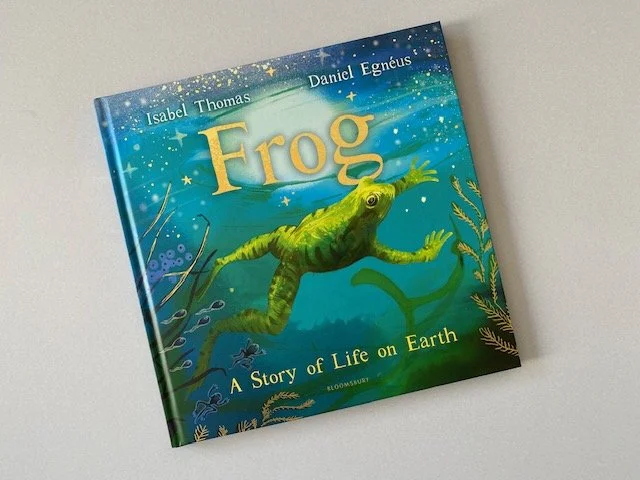
Isabel Thomas is a complete master at understanding the kind of questions little ones love to ask - and then offering carefully constructed and satisfying answers. Initially, ‘Frog’ appears to be a book about life cycles- and yet is so much more!
It starts with a child, a curious child whose understanding of the life cycle of a frog leads them to pose a problematic question: if frogs come from eggs and eggs come from frogs, where did the first frog come from?
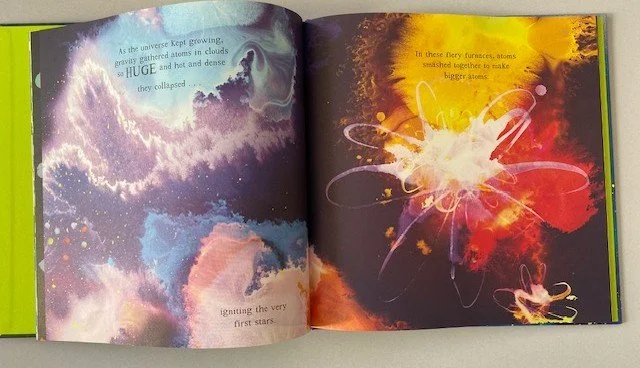
From the Big Bang through the development of the planets to the development of the first animals, readers are taken on a journey to the gradual evolution of creatures in the water leading to the development of amphibians, including the very first frogs. Each spread is beautifully illustrated, perfect for enquiring minds, whilst the text is well pitched for young readers.
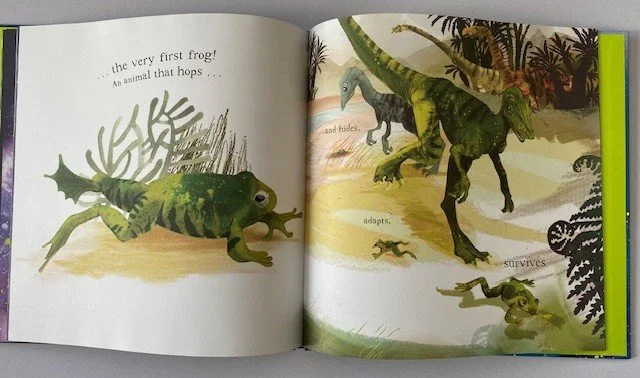
At the end of the book, there is a more text heavy explanation, offering more detail, perhaps to deepen the understanding of older readers or to support adults sharing this with young children. Isabel Thomas’s infectious enthusiasm for her subject clearly comes through on every page, sure to inspire a new generation of science lovers.
Frog: A Story of Life on Earth
Isabel Thomas, illustrated by Daniel Egneus
Bloomsbury ISBN: 978-1526600752
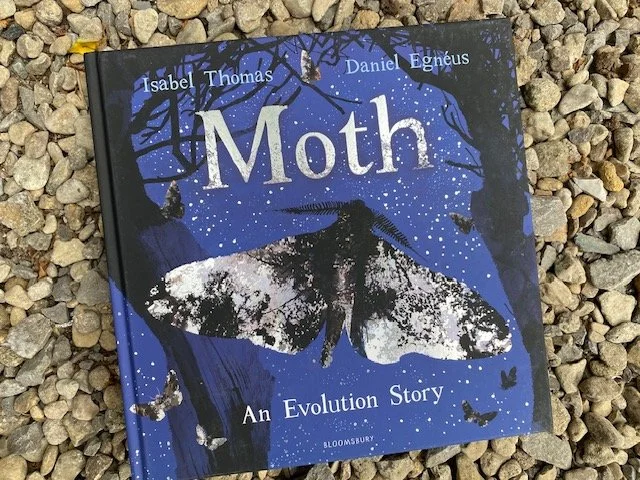
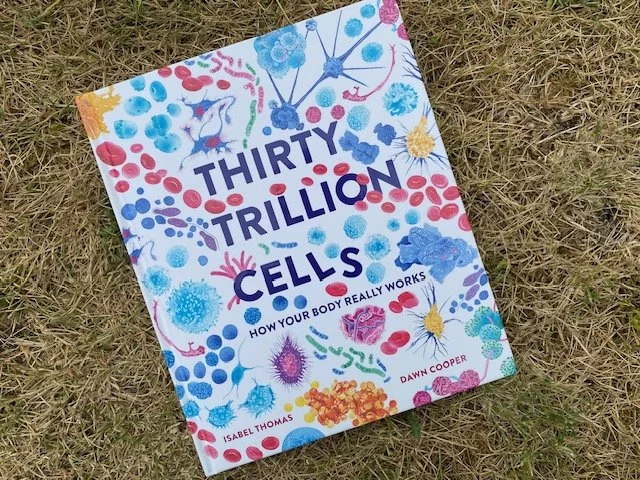
You can read my review of ‘Moth’ here and ‘Thirty Trillion Cells’ here.
Beautiful: A Celebration of Evolution
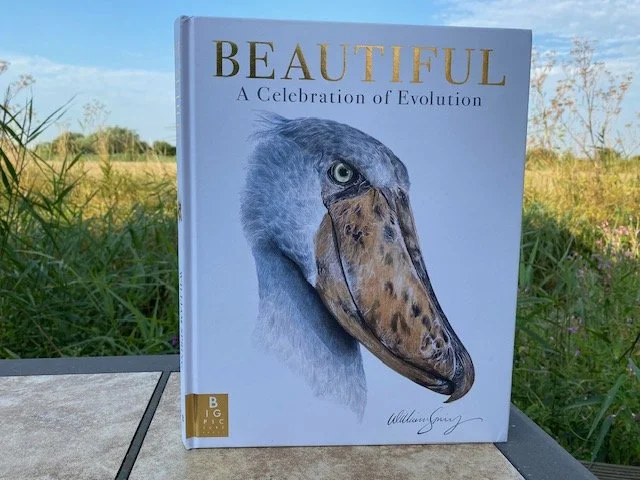
Illustrated throughout with stunning watercolours, ‘Beautiful’ is a very special book. The author sets out to show that ‘in nature, the word ugly simply does not apply’ as adaptation and evolution have have created incredible, unique creatures, each of which is beautiful.
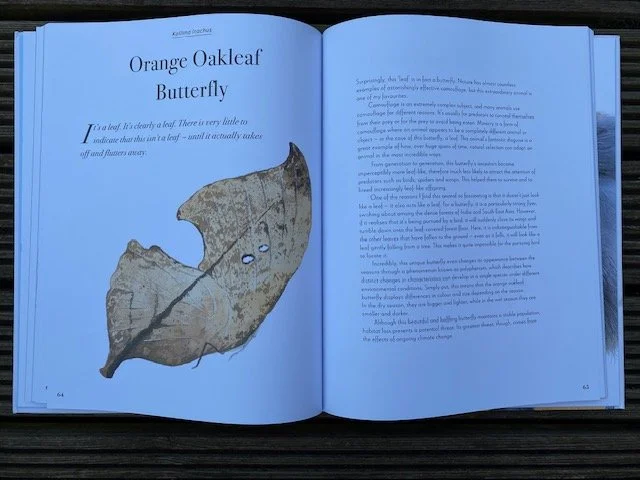
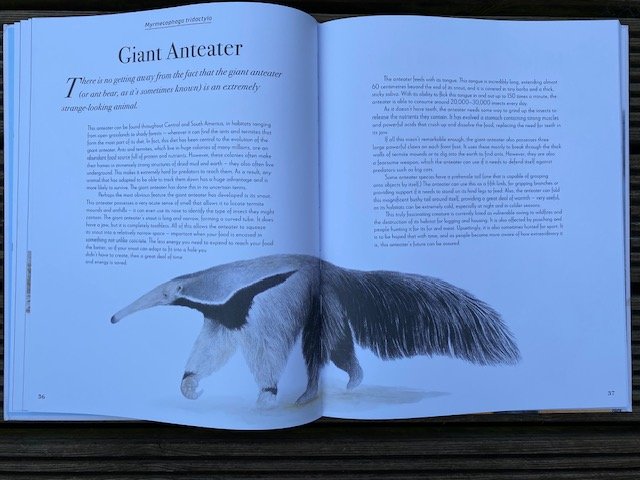
A wonderful array of creatures are presented in alphabetical order, starting with the Aldabra Giant Tortoise and ending with the Wild Boar. Some of these entries are not the typical ‘cute and cuddly’ animals often featured in books, but each is held up as something to be admired and appreciated by the author.
Each spread offers beautiful illustrations, its binomial nomenclature and a wealth of information. Not only is the creature described, but details about how it has adapted are given. The Indian pangolin’s tongue, for example, has evolved to be longer than the creatures head and body combined and is connected to the bottom of the ribcage. The shoebill has adapted to survive in the dangerous swamps of easter Africa; a very aggressive creature, it uses its huge beak with a hooked end for spearing its prey. One of my favourite animals, the duck-billed platypus, can detect its prey through picking up tiny electric pulses from other animals, using special nerve cells in its bill. Sadly, the author notes where these creatures are endangered or their at risk from climate change and habitat destruction.
Completely fascinating, this book would add much to the knowledge and understanding of those studying evolution and adaptation as part of the Science Curriculum both in Y6 and in KS3. Each entry supports the statement: ‘Pupils should be taught to identify how animals and plants are adapted to suit their environment in different ways and that adaptation may lead to evolution’ in a meaningful and engaging way, whilst developing a respect for, and understanding of, these incredible creatures.
A very special, very beautiful book!
Beautiful: A Celebration of Evolution
William Spring
Big Picture Press ISBN: 978-1800786165
Published 1st August 2024
NNFN2023: Evolution
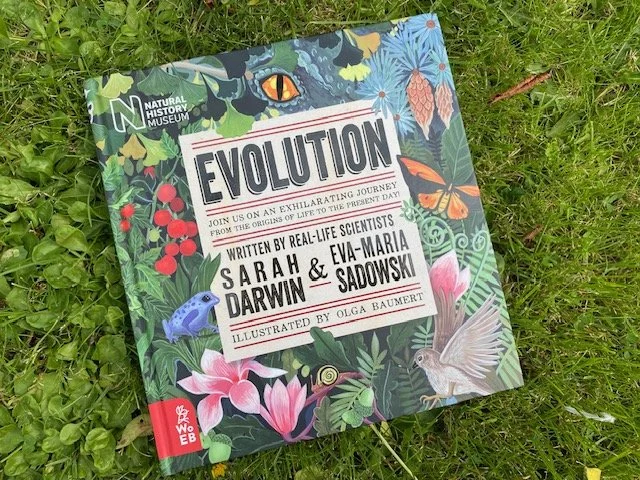
Written in association with the Natural History Museum, ‘Evolution’ is the creation of ‘real life’ scientists, Sarah Darwin, great-great-granddaughter of Charles Darwin, and Eva Maria Sadowski. It is a completely engrossing read, supported by engaging illustrations and is the perfect text for supporting in Year 6 with the ‘Evolution and Inheritance’ strands of the science curriculum.
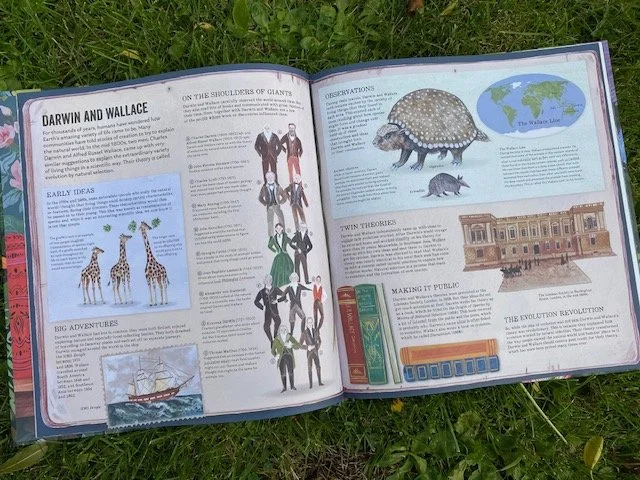
Each spread is packed with fascinating facts, starting with the work of Darwin and Wallace, but recognising and valuing the contributions of other ‘Pioneering People’. Concepts are clearly and concisely explained, with headings and sub-headings signposting readers to relevant sections. A comprehensive glossary explains some of the technical vocabulary used and there is a section which offers selected sources for each chapter, developing understanding of the research and fact checking which needs to be undertaken to write a book like this.
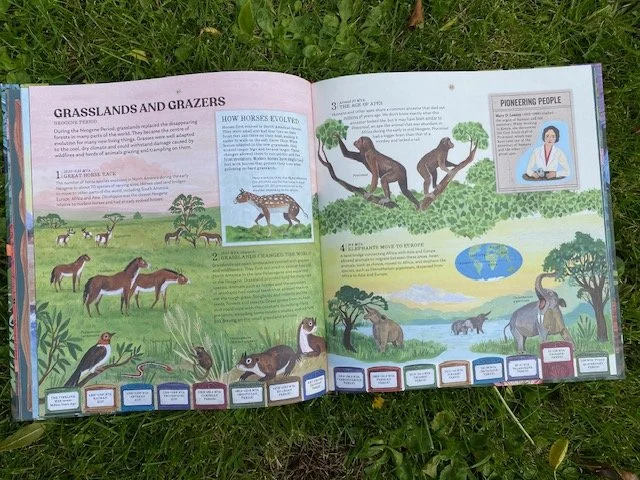
On pages which focus on a particular period, a timeline runs along the bottom of the page, allowing readers to locate when the events described in the text occurred. ‘Evolution’ really delivers an ‘exhilarating journey’, offering so much to discuss and enjoy!
Evolution
Sarah Darwin and Eva-Maria Sadowski, illustrated by Olga Baumert
What on Earth Books ISBN: 978-1912920532