
Honiton
Honiton is a market town in East Devon, close to the River Otter and in 1724, Daniel Defoe described the view from Honiton Hill as ‘the most beautiful landscape in the world’. Also known for its pottery, the town became famous for lace making, introduced by Flemish immigrants in the Elizabethan period. Many people produced bobbin lace by hand in their homes and, in the 19th century, Honiton lace was used on Queen Victoria’s wedding dress.
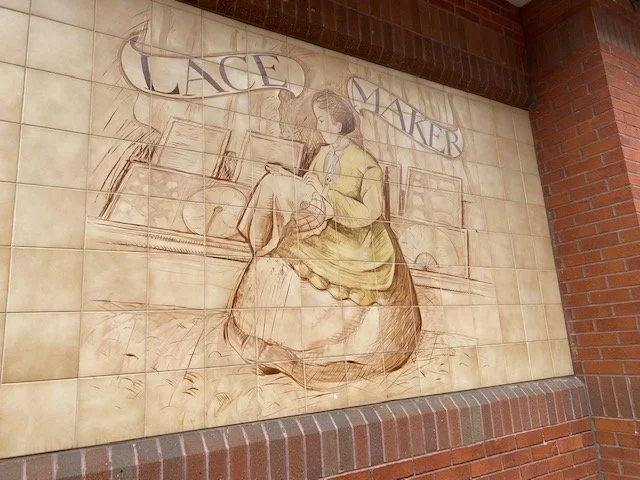
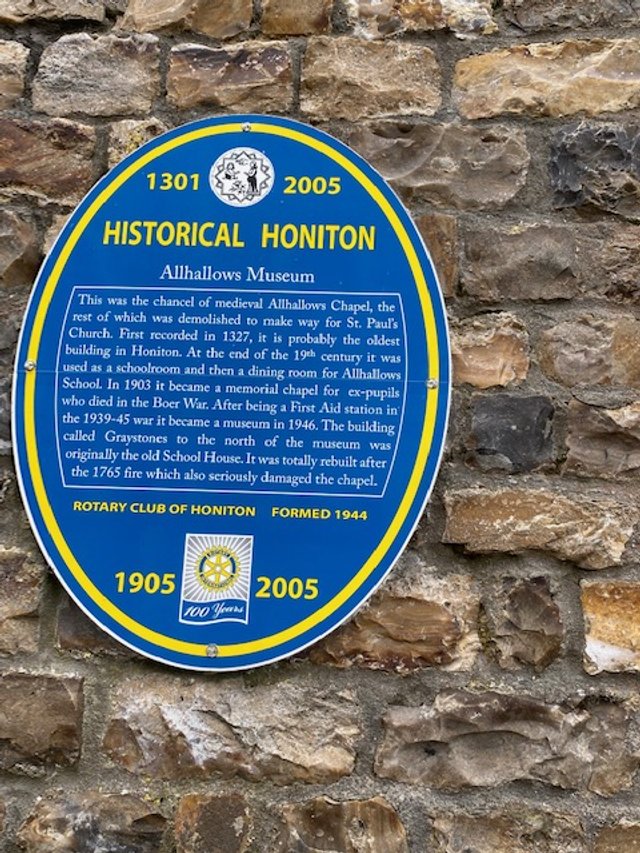
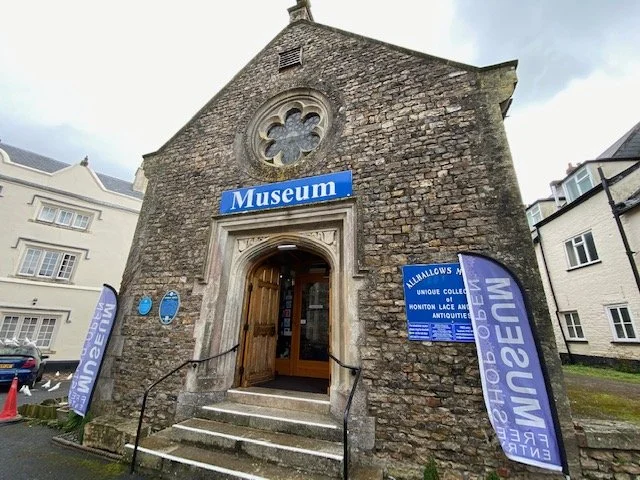
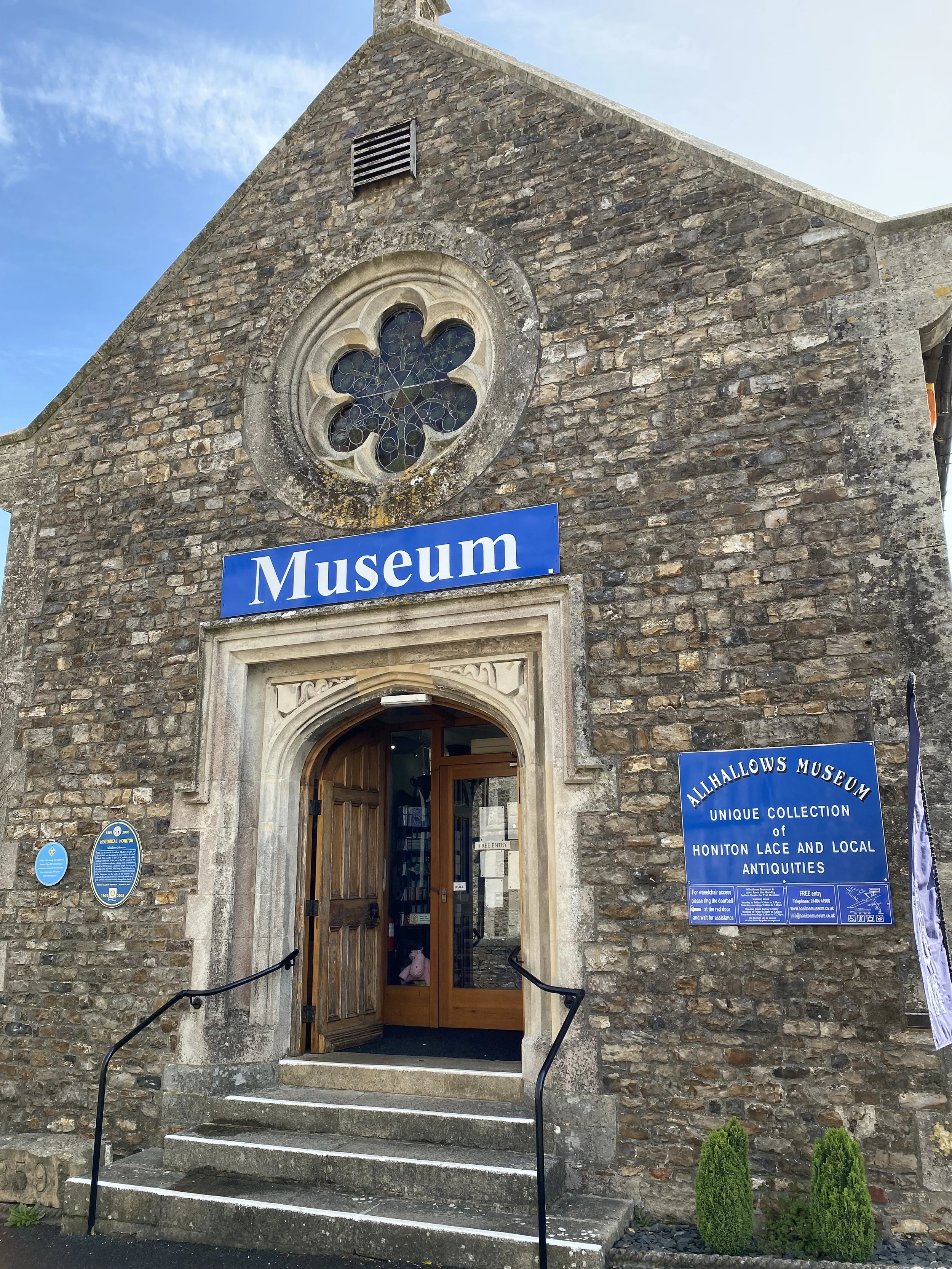
Allhallows Museum, the oldest building in Honiton, is found in the High Street and houses a wealth of local information and artefacts. It holds the largest collection of pieces of Honiton lace in the world and celebrates the history of this craft from the 17th century to the present day. For lace makers, it is particularly fascinating!
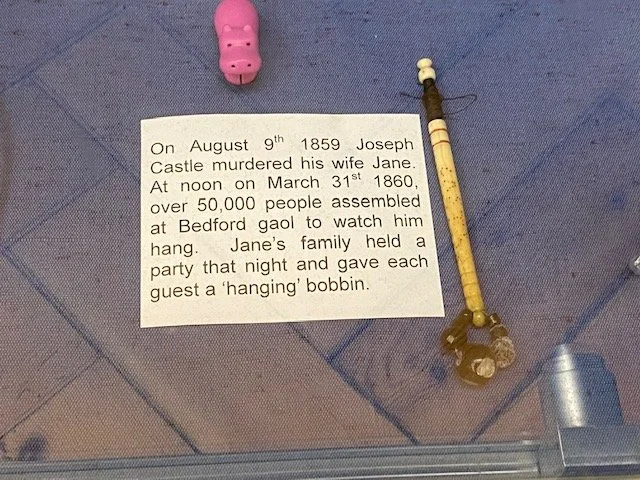
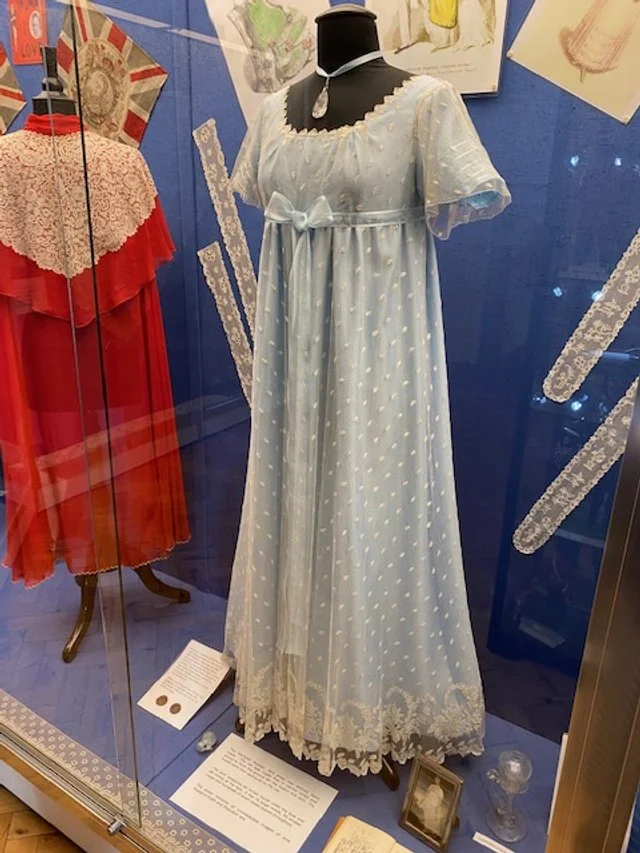
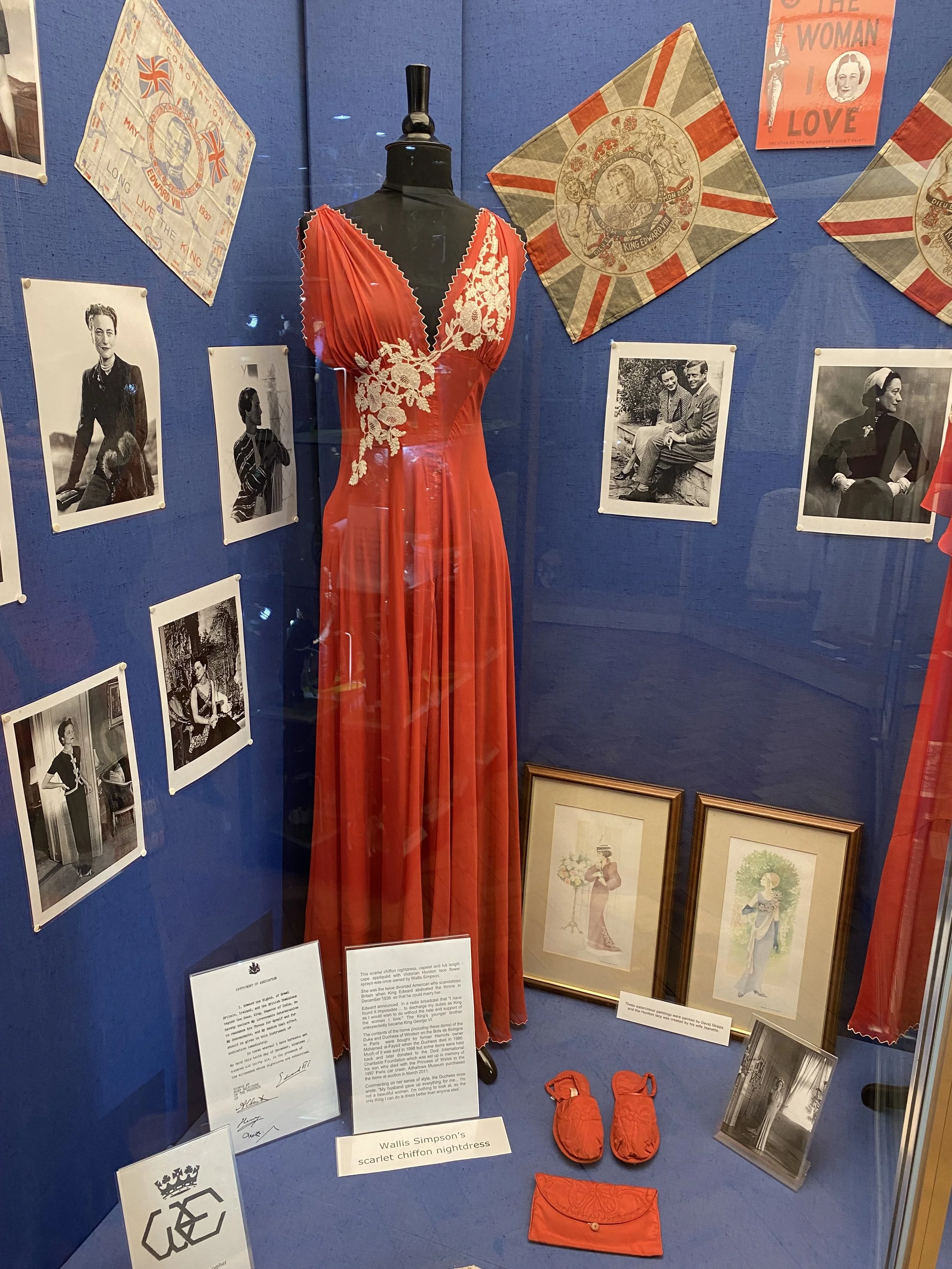
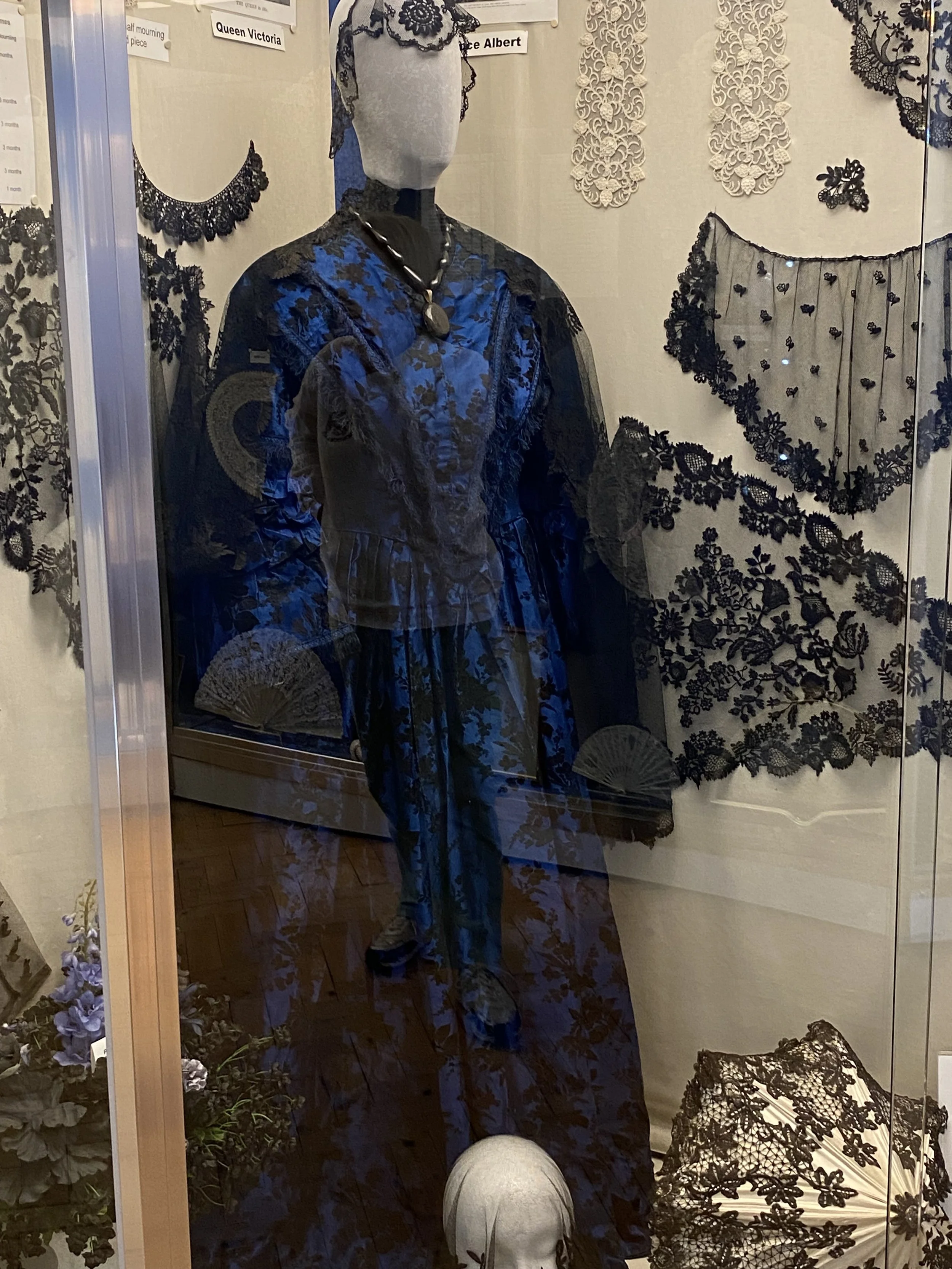
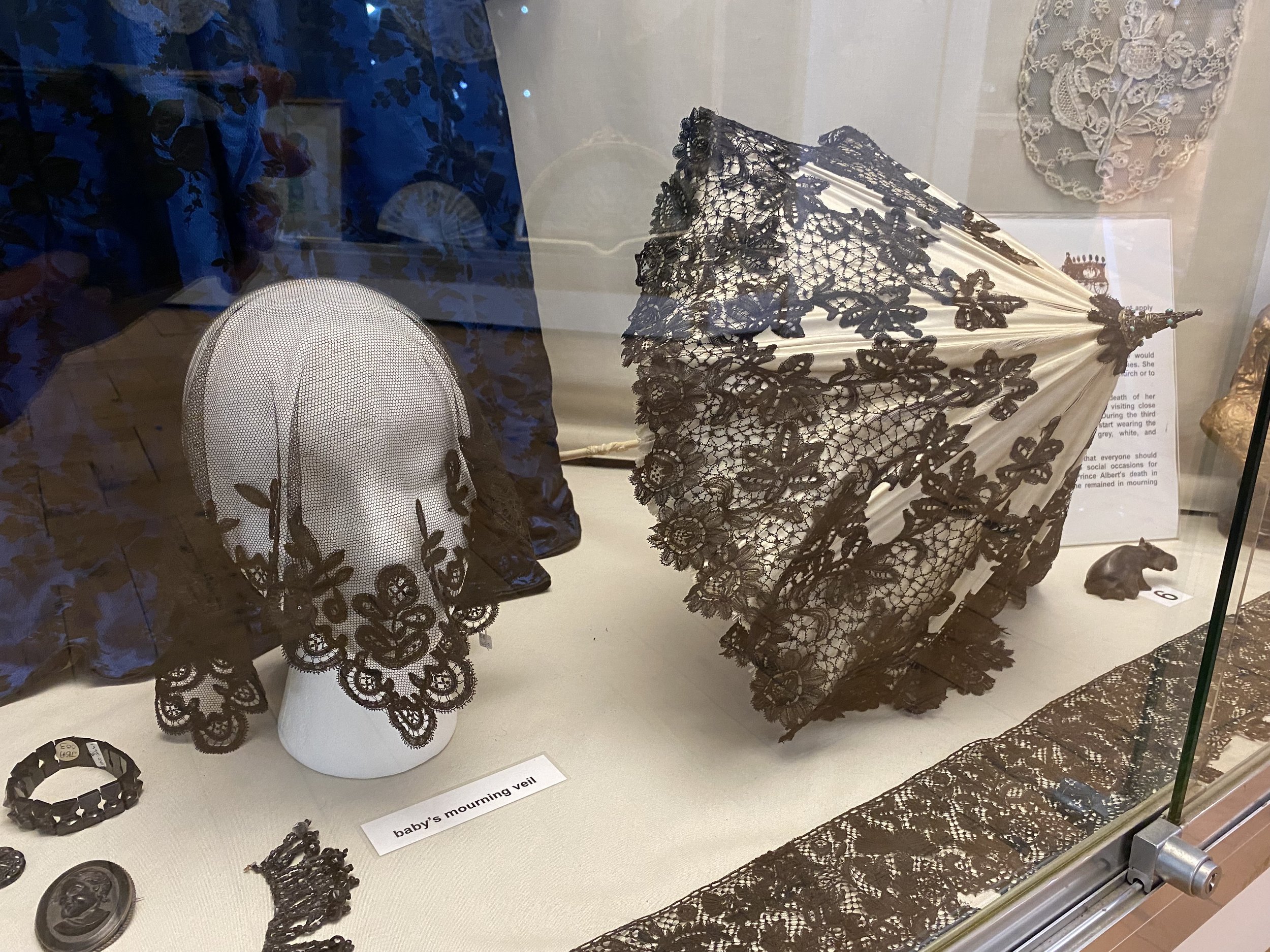
Displays in two galleries feature examples of the most exquisite lace. Black mourning lace worn by the Victorians can be seen as well as a scarlet nightdress which was owned by Wallis Simpson and a light blue dress from Regency times (see above).

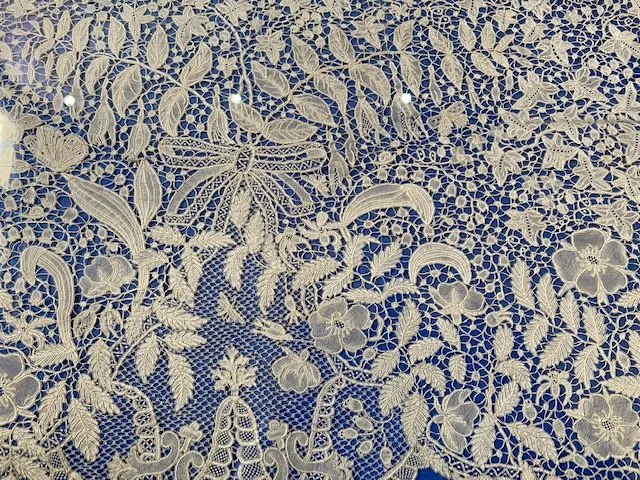
Information about some of the lace makers born in the 1800s is also displayed, with photographs, including Ann Fowler, who did much to revive the lace making industry. The conditions and wages of these poor women were dreadful whilst the work they produced was beautiful and there are many samples of this in drawers, allowing them to be enjoyed and admired close to.
In addition to the lace exhibits, there is plenty else to enjoy in this small museum, including examples of the pottery which was made in Honiton for more than 240 years.
All Hallows Lace Museum,
High St,
Honiton
EX14 1PG