Reviews
There are so many incredible books available at the moment that it is impossible to read them all, no matter how hard I try! Here are my thoughts about some of the books I have read and how I think they could be used in school as well as Q and A sessions with authors and illustrators.
The Tree of Life
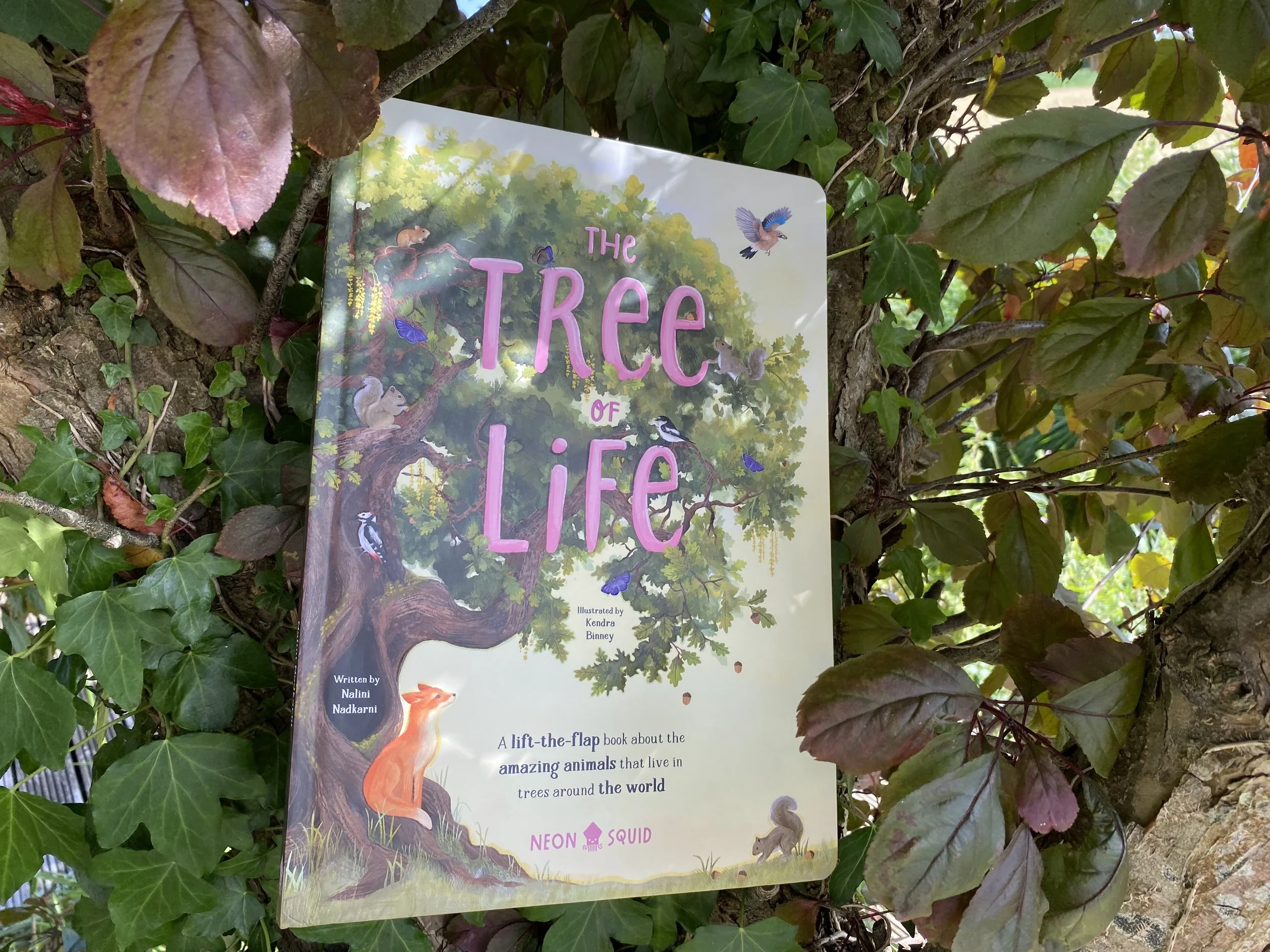
‘The Tree of Life’ is a lift-the-flap book which allows readers to explore different trees and the life they support. Its large format and sturdy construction make it perfect for returning to again and again.
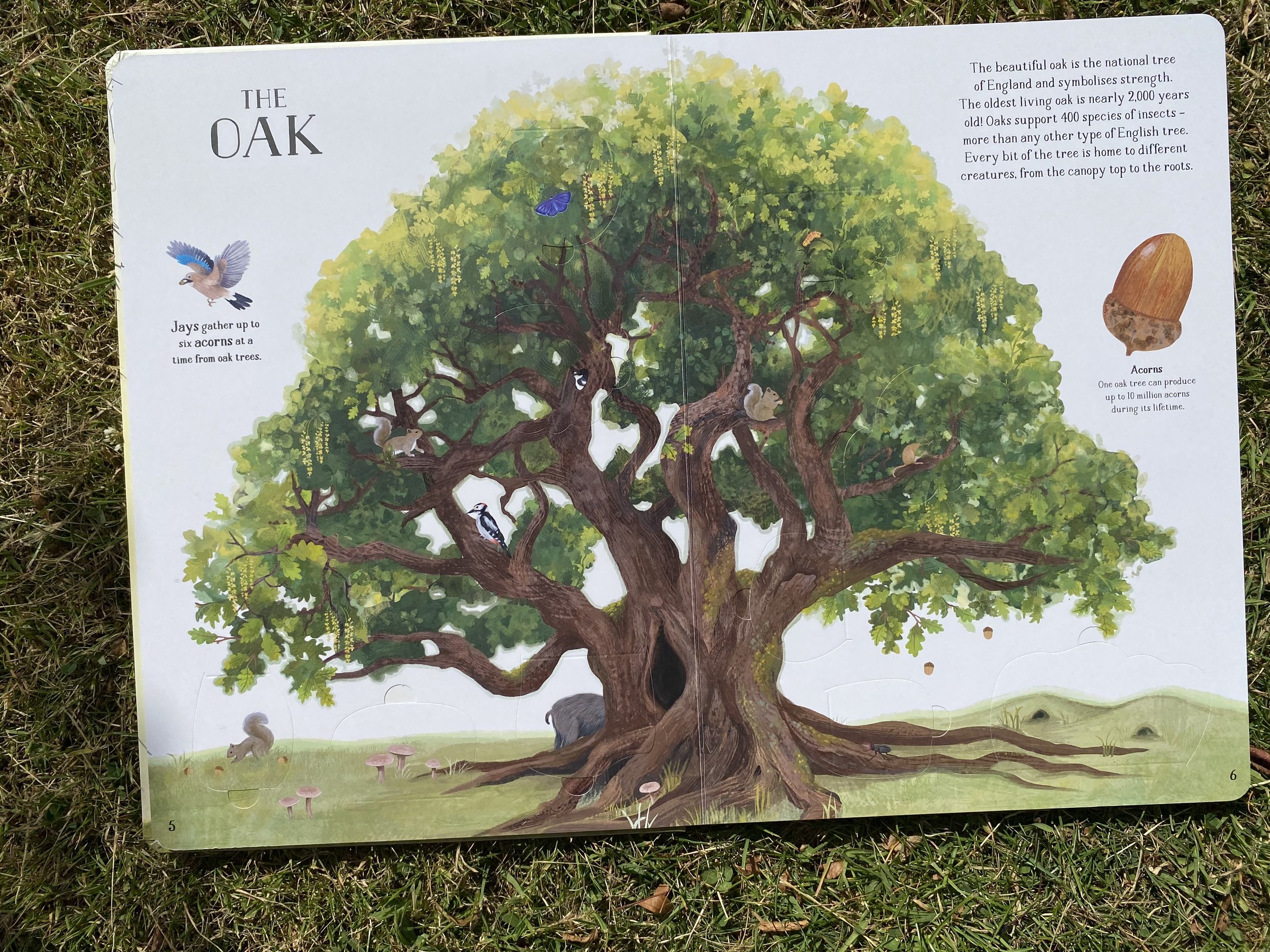
A wonderful range of trees is included from majestic English oaks to the endangered pernambuco of Brazil. A succinct paragraph introduces the tree and then additional snippets of information are included around the page and under the flaps. The book highlights things which are threatening these trees as well as the animals which thrive around them. Lovely illustrations are full of details for children to notice and explore.
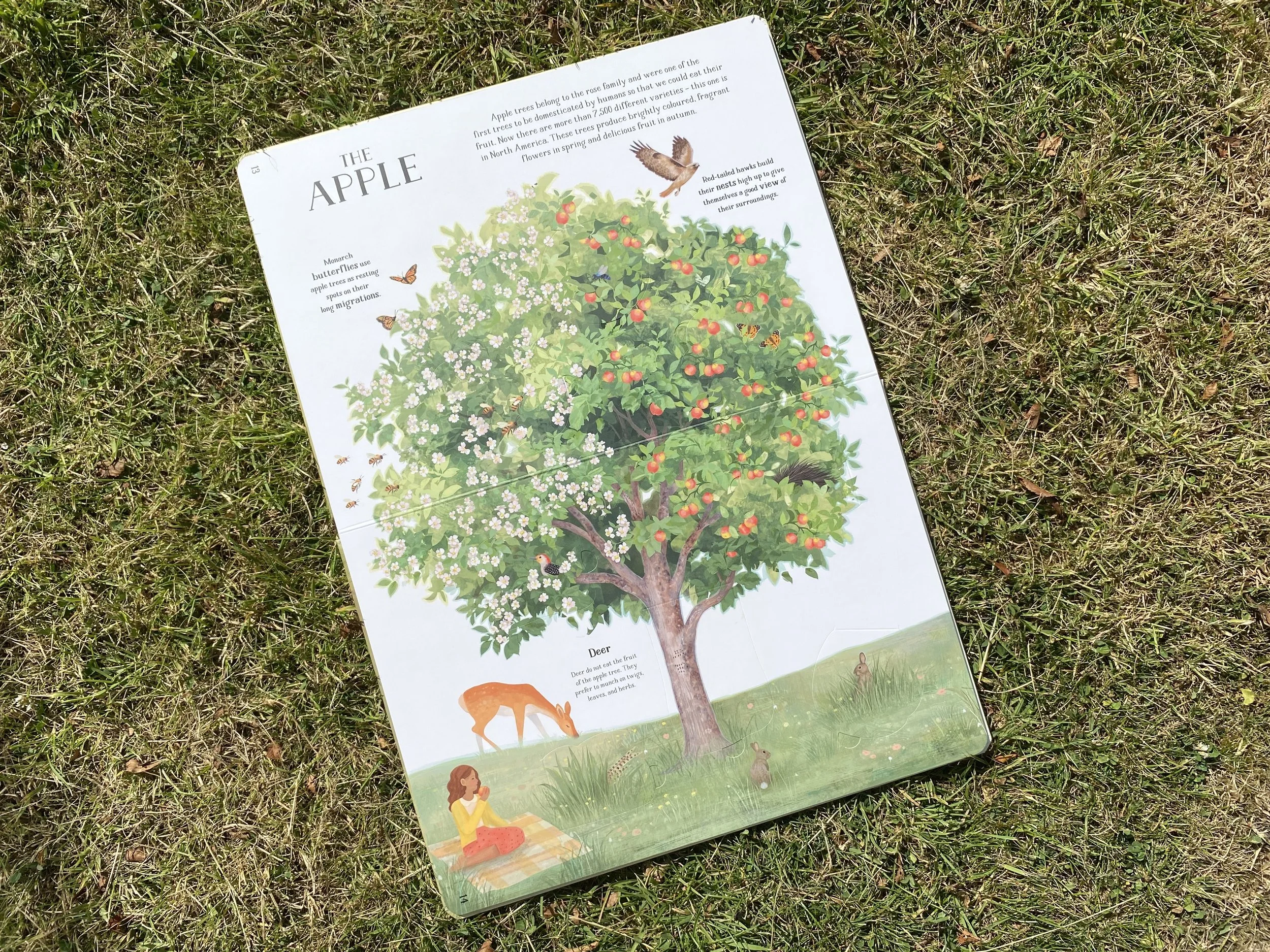
The book also considers the importance of trees to humans- apple trees were the first to be domesticated and the banyan tree is of spiritual importance to those who live near them. It may be simply and clearly presented, but there is no ‘dumbing down’ of the text here, allowing older readers to learn alongside younger ones! An index and glossary are also included, allowing specific information to be readily located.
The Tree of Life
Nalini Nadkarni, illustrated by Kendra Binney
Neon Squid ISBN: 978- 1916745070
The Big Book of Useless Science Knowledge
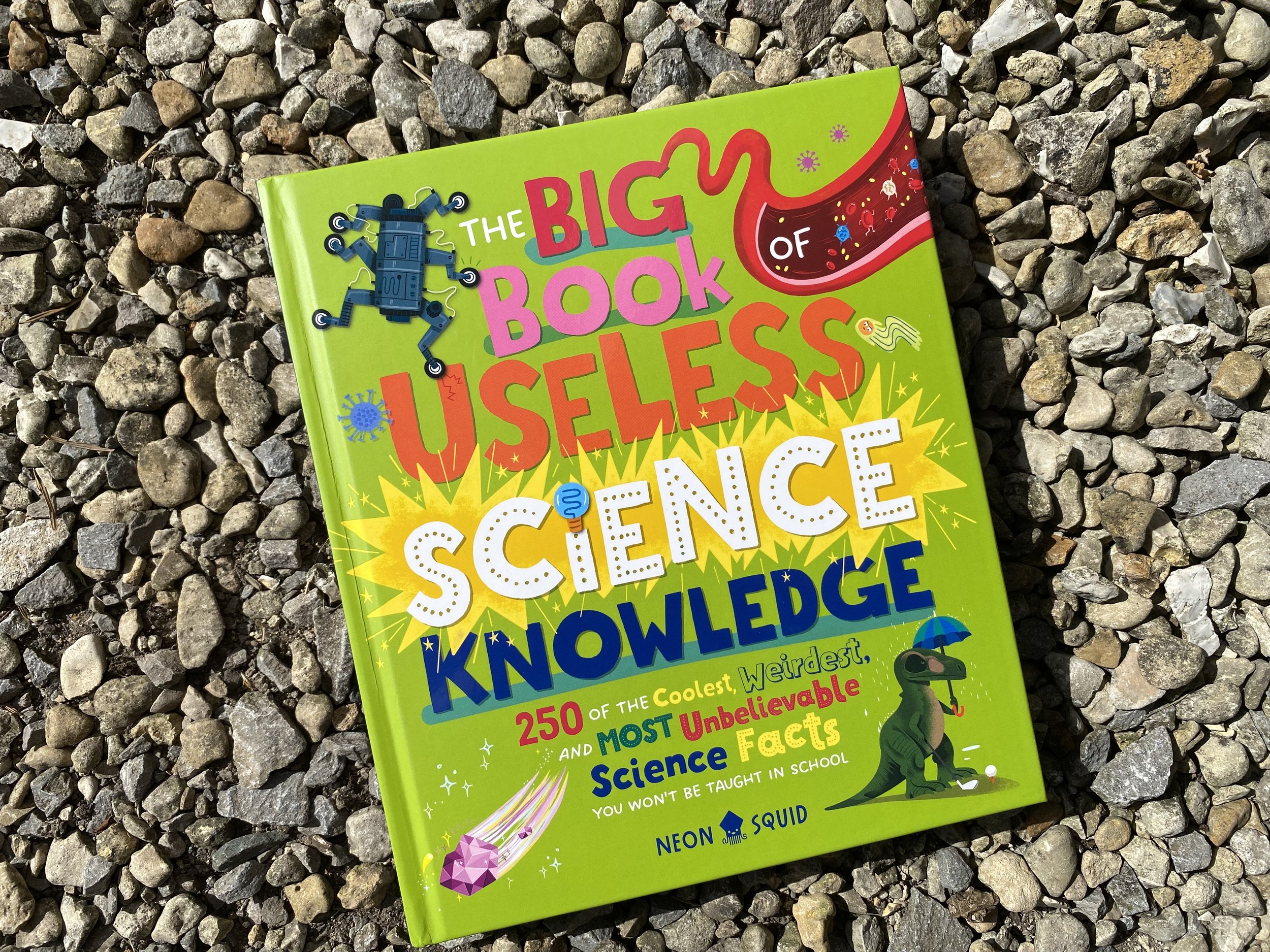
‘The Big Book of Useless Science Knowledge’ may be big and full of science knowledge, but it is far from useless! It is, in fact, jam-packed with nuggets of information and fascinating facts which are sure to intrigue and inspire readers!
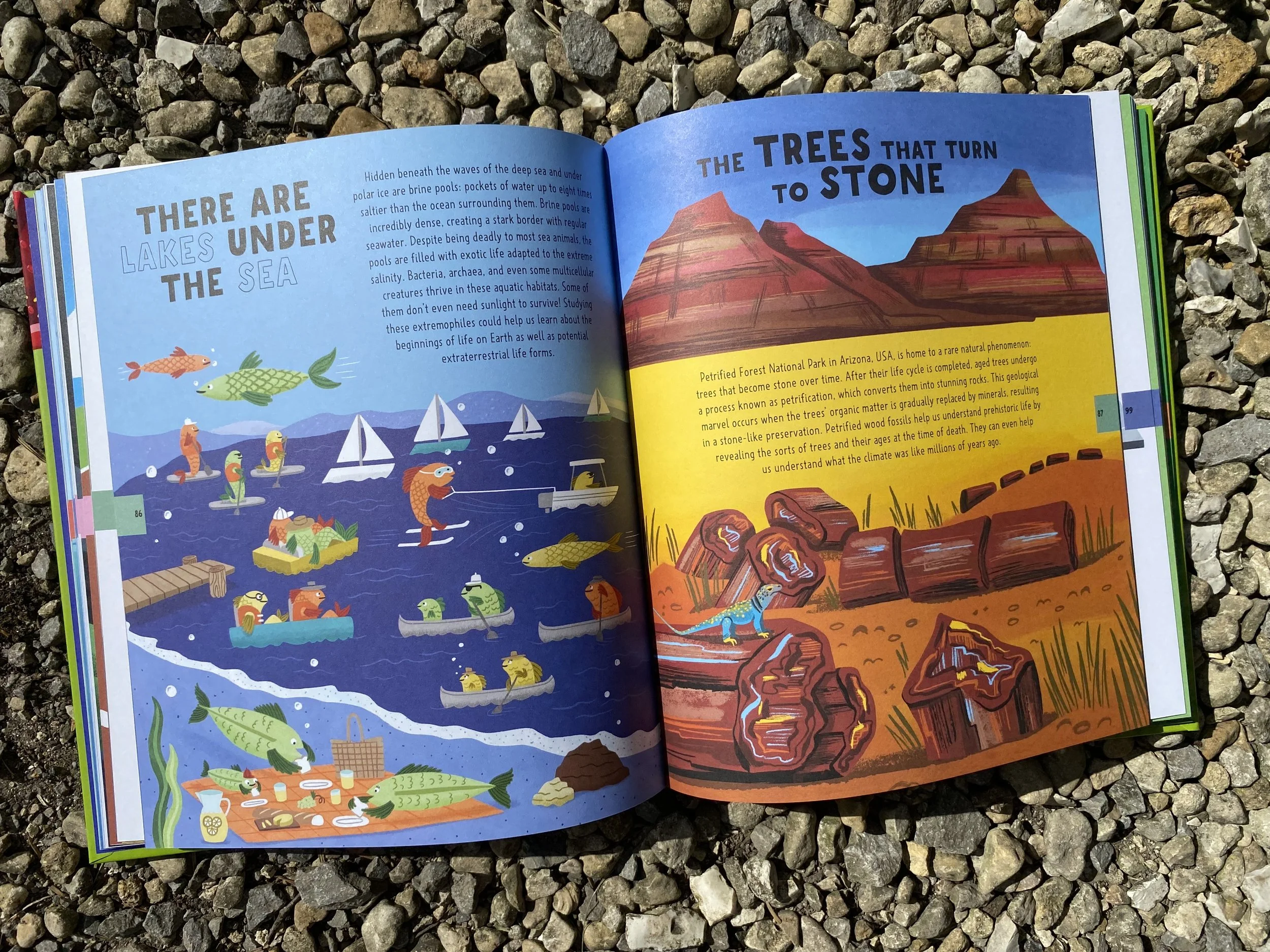
Divided into nine sections, the book tackles a wide range of scientific areas. In the Nature section, readers learn (amongst other things) about exploding fruit, ticklish rats and zombie ants. The information is clearly presented, using the appropriate scientific terminology where appropriate, yet adopting a light-hearted, ‘chatty’ tone, making it very easy to read. Each spread is full of attractive, generally humorous, illustrations, adding to the book’s appeal.
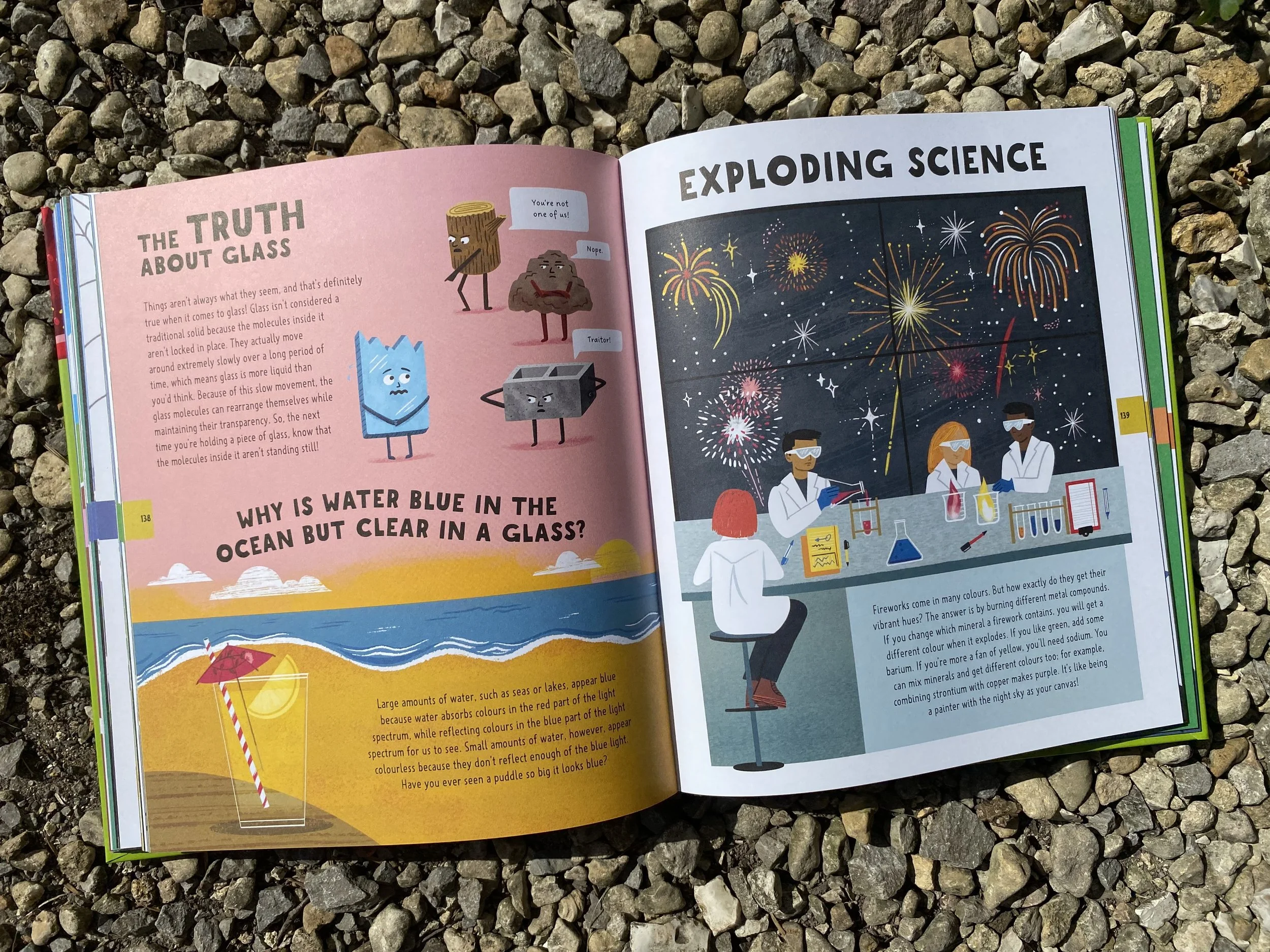
A page of introductions to the authors and illustrators show the wide range of people who have contributed to the information in the book and their backgrounds. Although it says on the cover that these are facts ‘you won’t be taught in school’, there is much here which could be used by teachers to enrich, or add interest to, the science curriculum. However, this is, above all, a book for browsing, enjoying, dipping in and out of, and impressing your friends by quoting the unbelievable- and useless?- facts that you have learned!
The Big Book of Useless Science Knowledge
various authors and illustrators
Neon Squid ISBN: 978-1838993405
Marvellous Messages

Rose, her sign language interpreter, Dev, and Halo, one of her cats, are whisked off on a time-travel adventure by Perky Pigeon. On their journey, they find out about the development of, and varied methods of, communication as well as some of the deaf people who have made a real difference to the world.
Inspired by her personal experiences, Rose Ayling-Ellis has created a very engaging and informative book, a much needed recognition that communication is far from just speaking and listening. Interwoven into a time-travel adventure are many true stories about the ways in which these methods have developed, ‘Messaging Milestones’ timelines and biographies of ‘Rose’s Superstars’.
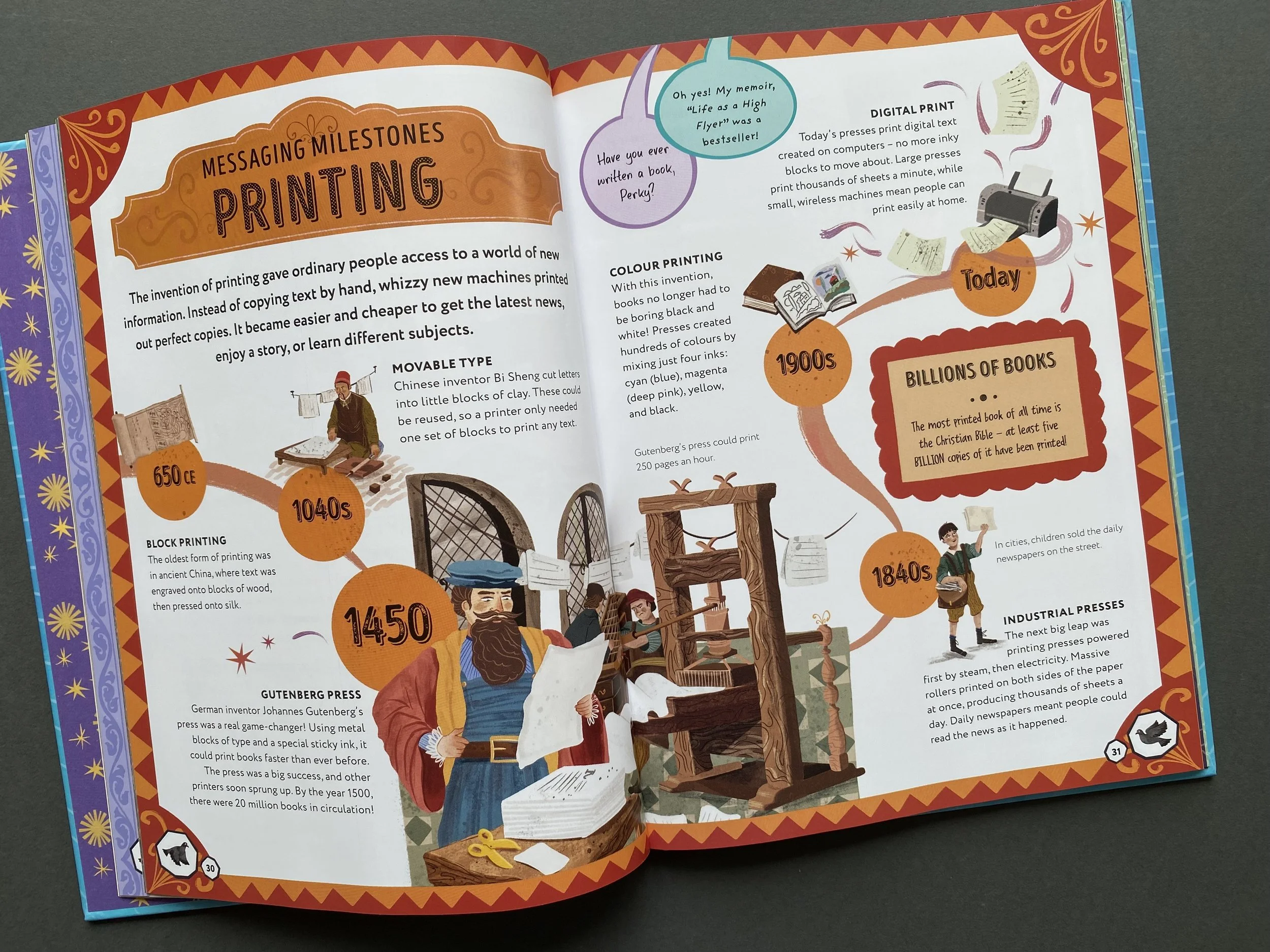
The book is an essential addition to any bookshelf, but really is a must-have for any school wishing to enrich their students’ learning, to value the contributions of Deaf people and add an excellent, inclusive text to their libraries. So many fascinating facts are included which could add colour and interest across the curriculum, ‘Rose’s Superstars’ could be used to form the basis of an assembly and the book’s narrative non-fiction format means it could also be used as a class story.
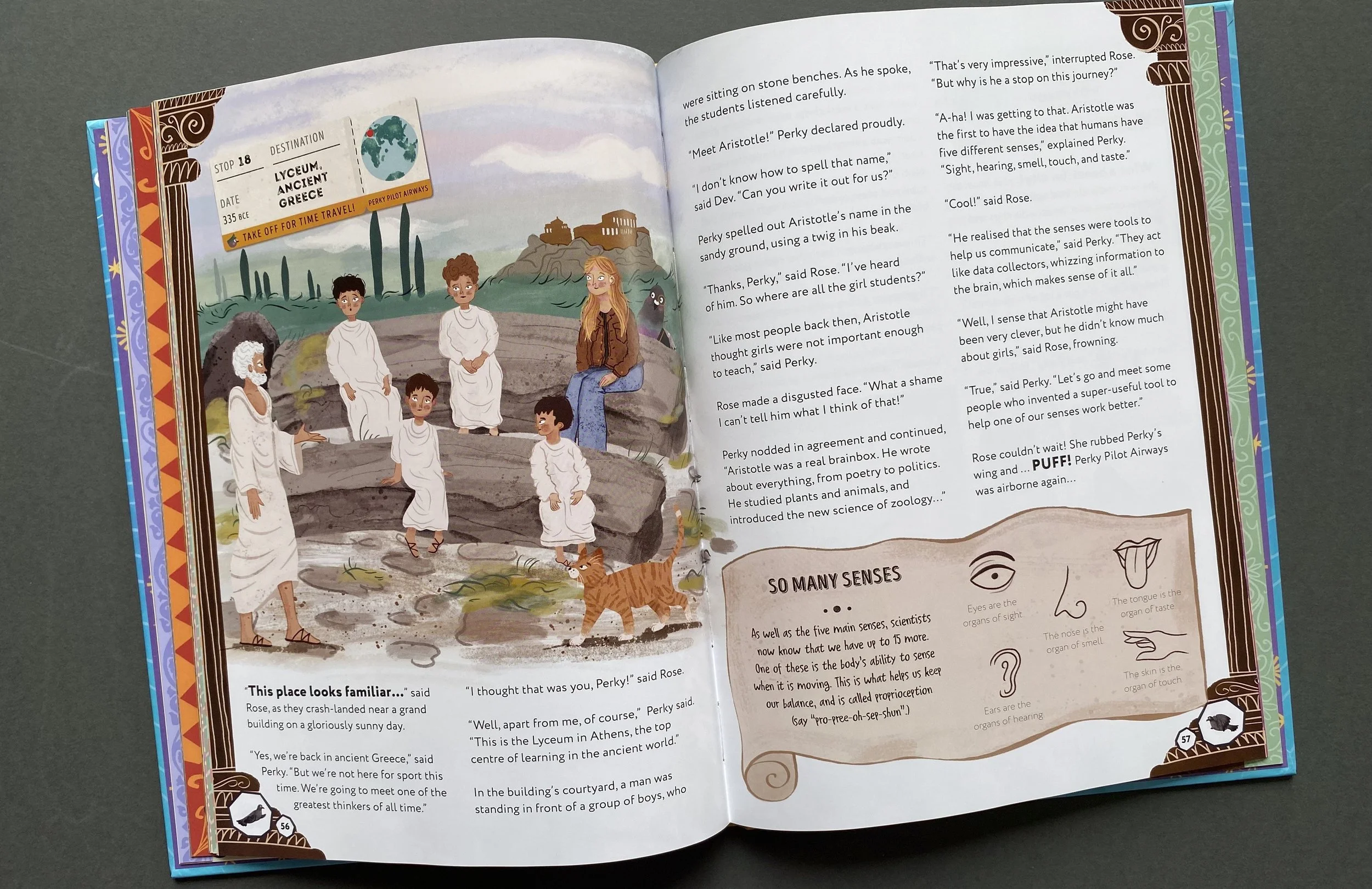
From the earliest documented use of sign language at a wedding in Leicestershire, puppy school in Wales, Hawaiian dance gestures, animal body language… there is so much to learn and enjoy about the amazing story of communication.
Marvellous Messages: The amazing story of communication
Rose Ayling-Ellis, illustrated by Lena Addink
DK ISBN: 978-0241681671
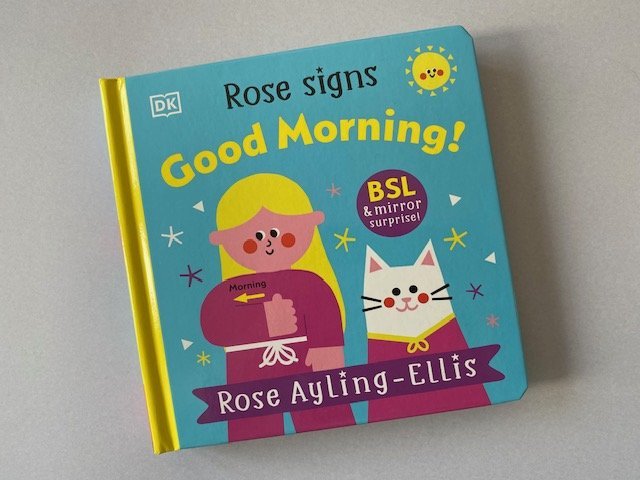
You can read my review of ‘Rose Signs Good Morning!’ here.
About Time
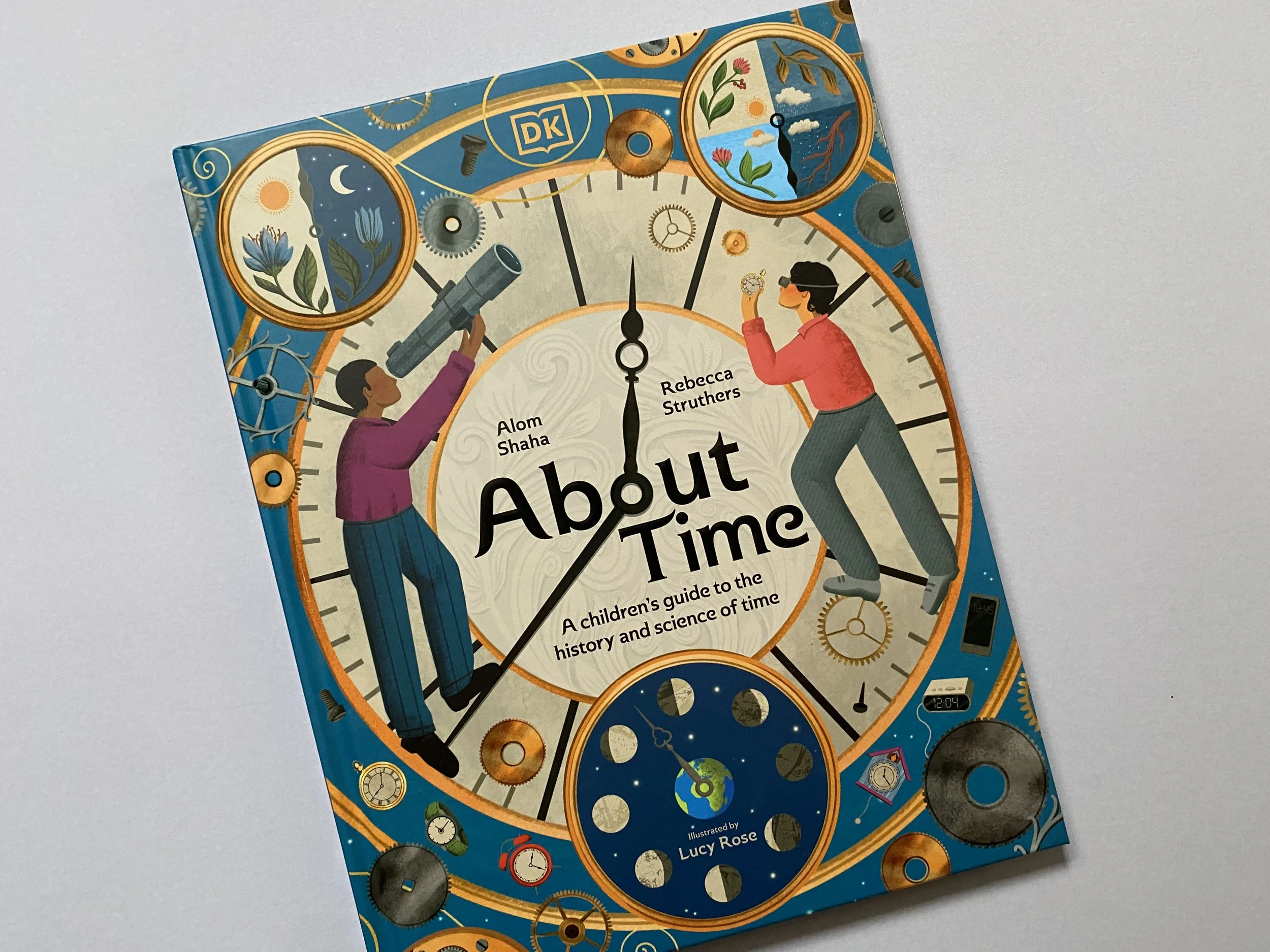
Beautifully presented and illustrated, ‘About Time: A Children’s Guide to the History and Science of Time’ is an utterly fascinating and engrossing read. Written by Rebecca Struthers, one of a very few watchmakers in the UK who make timepieces from scratch, and Alom Shaha, a teacher with a passion for science, it helps readers understand how clocks work and the various ways which humans have tried to measure time across the ages.
A clear contents and index both help the reader to locate specific information, but this is one of those factual books which, although a joy to browse through, is easily read from cover to cover. Starting with an explanation of what time is, the book moves on to how time is divided, exploring developments over time and calendars around the world.
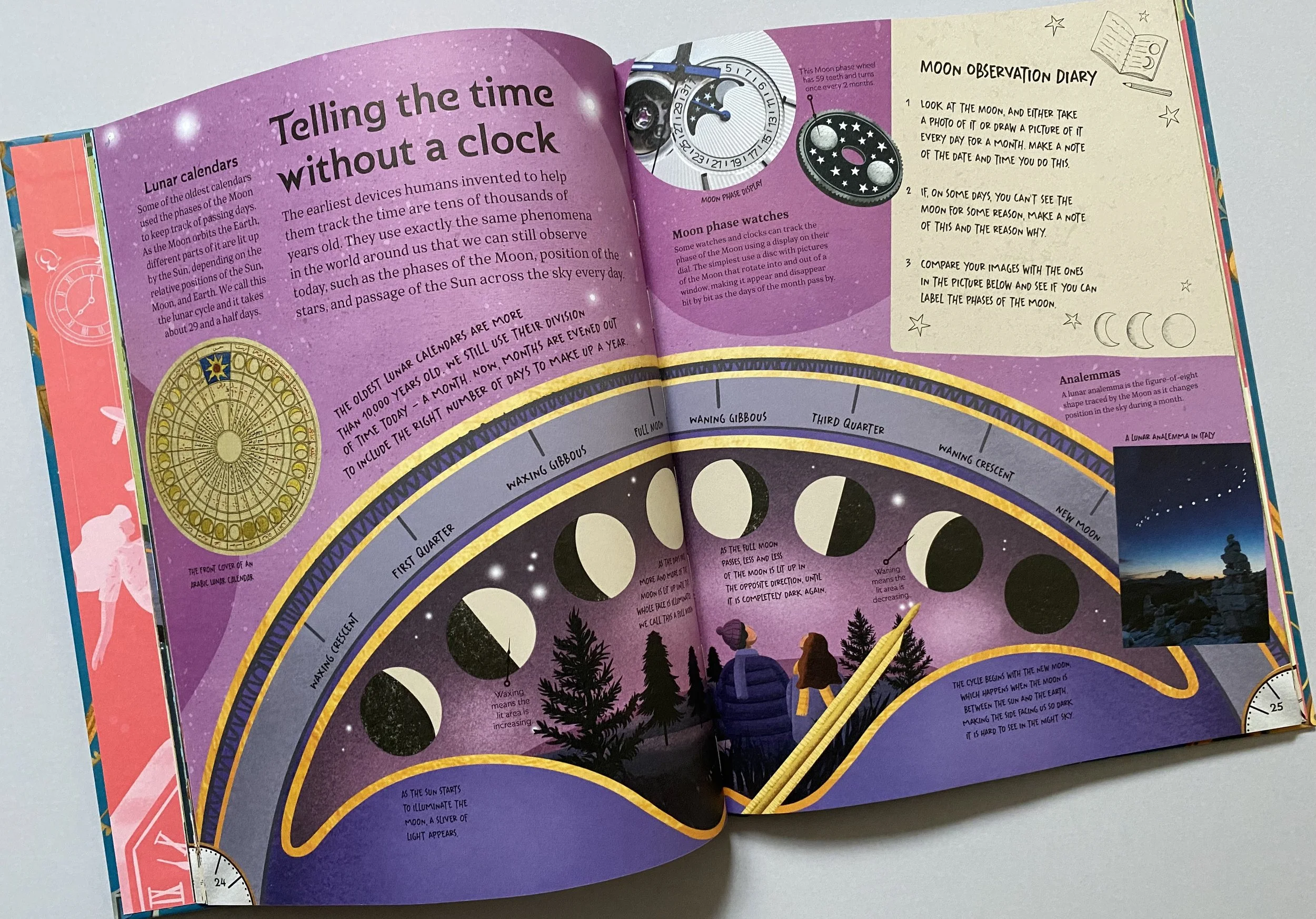
Looking at methods of telling time without a clock, the book offers instructions for making a sundial, a water clock and a sand timer, each carefully explained, to encourage children to engage with the subject further. Diagrams are used to clarify and explain the workings of clocks and watches, sure to tempt readers to deconstruct one and explore for themselves!
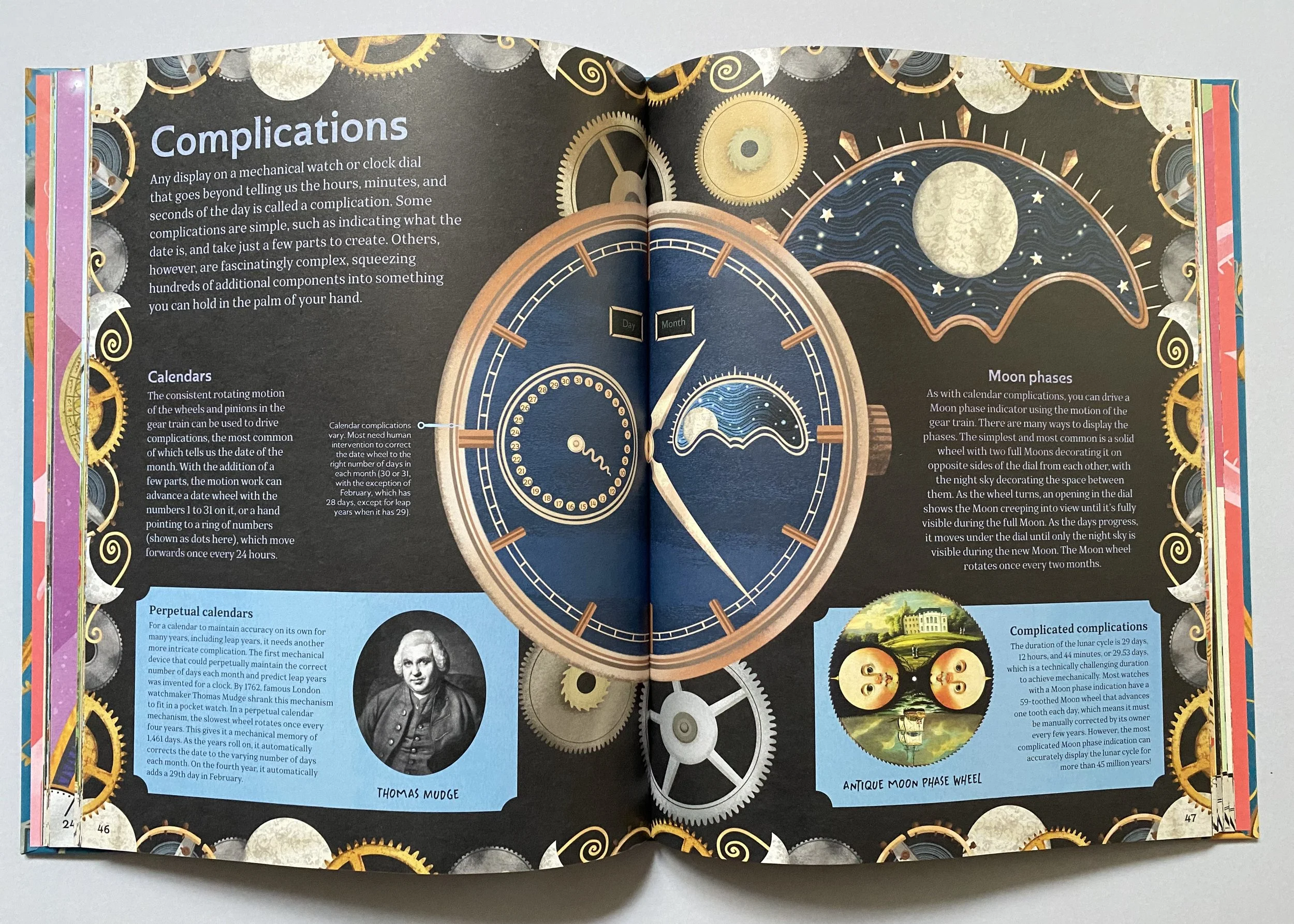
Information about past makers and contemporary artisans offers a fascinating look at the developments by designers, engineers and inventors from across the world and there is even some practical information about becoming a watchmaker. This is the first book I have seen devoted to horology, full of inspiration and information, and it is sure to pique interest and open up a new area of interest to anyone who reads it. There is also much here which will support and enrich the curriculum, making it a very useful text for teachers to have to hand as well.
About Time: A Children’s Guide to the History and Science of Time
Alom Shaha and Rebecca Struthers, illustrated by Lucy Rose
DK ISBN: 978-0241709320
The Great Pollination Investigation
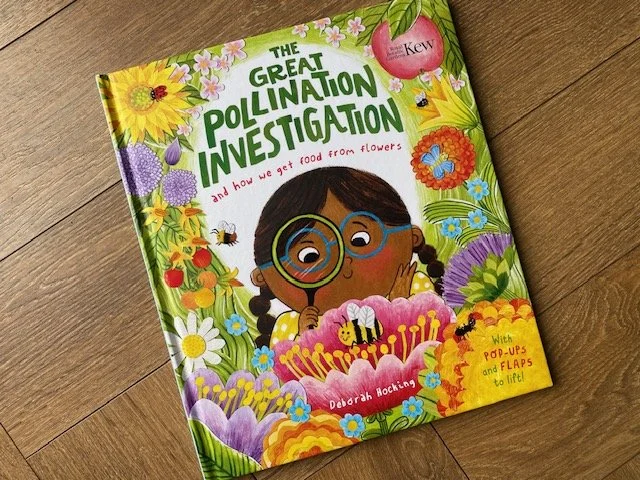
Bursting with curiosity, a little girl decides to investigate ‘something mysterious called pollination’. This quest takes her and her friends on an adventure of discovery!
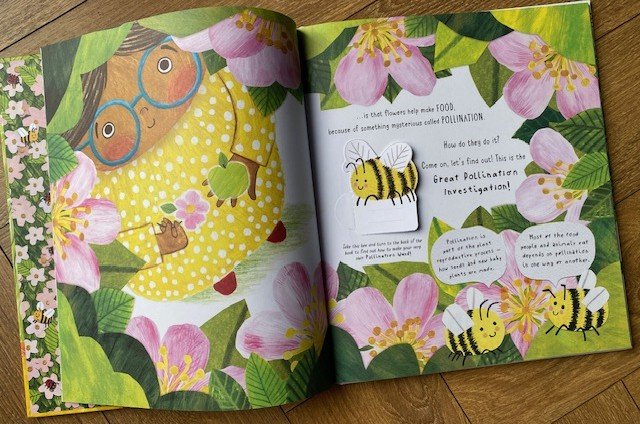
Interactive and engaging, ‘The Great Pollination Investigation’ is a brilliant read. Produced in partnership with the Royal Botanic Gardens, Kew, it offers a detailed explanation of the process of pollination and its role in food production, using the appropriate scientific vocabulary.
Not only are the vibrant, bright illustrations really appealing, but flaps and pop-ups allow children to explore and engage with every page. Perfect for supporting the primary science curriculum, the book would appeal as much to older children as younger ones and has much to offer as it is bursting with facts and so beautifully presented.
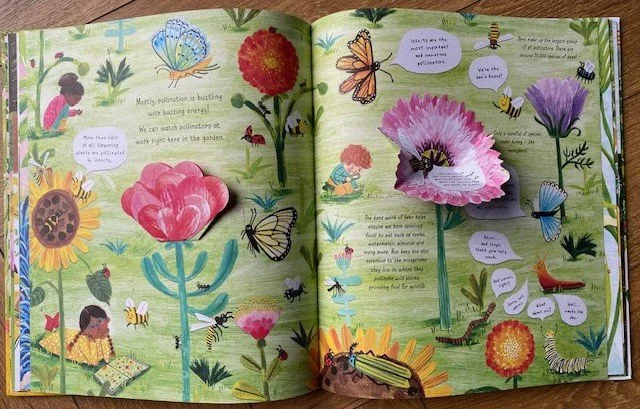
Reading for pleasure should never be limited to fiction- books like this one have an essential role to play in engaging readers and allowing them to explore and ‘read’ in different ways. Ideas for how to create a pollination investigation and make a pollination wand are included at the end of the book. An excellent addition to any library, this is a gorgeous book.
The Great Pollination Investigation
Deborah Hocking
Templar, in partnership with the Royal Botanical Gardens, Kew
ISBN: 978-1800788138
Choose Your Own Evolution
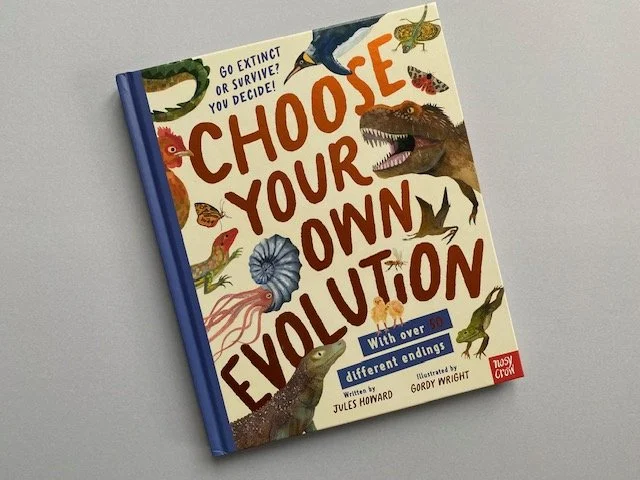
Using a ‘pick-your-own-path’ format, ‘Choose Your Own Evolution’ offers a really unique and engaging exploration of life on Earth. It is an incredibly engaging and accessible read!
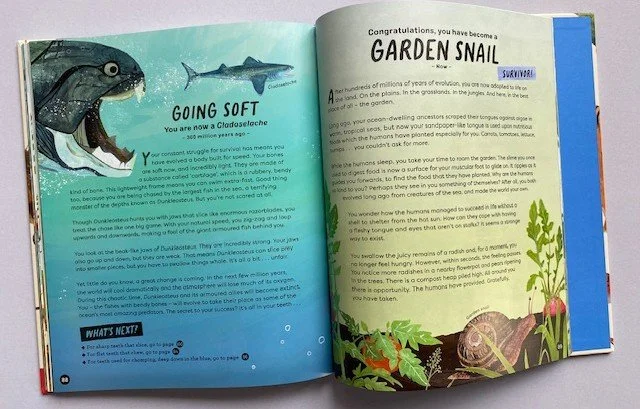
‘The Journey’ Begins’ sets the scene, explaining that every animal has a secret history- their evolution - and that readers will be offered choices to decide their fate. Starting as a Dickinsonia, a tiny blob, three pathways are offered to set off on the evolutionary journey. Deciding that slime is my ‘style’, led to becoming a ‘Helcionellid’ where, faced with five further choices, I selected ‘Get ahead of the game’ and turned to page 89. Here, I learned that I was a survivor, having become a garden snail! However, some pathways lead to extinction, the fate of Megalodon or Titanoboa, making this an interactive and engaging read, allowing readers to learn without realising!
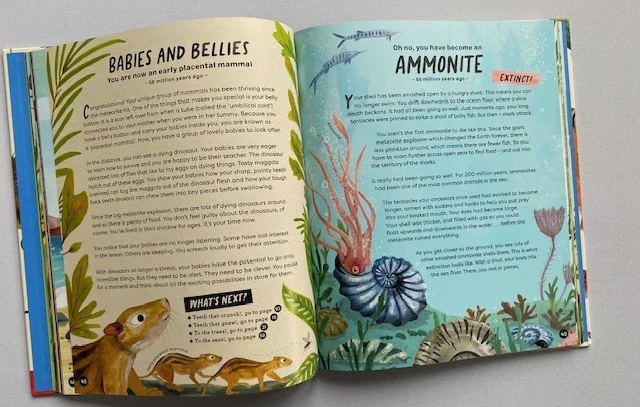
Bursting with facts, the book is also beautifully presented, with colourful, thoughtfully placed illustrations. It is perfect for enriching the KS2 science curriculum, adding a game-like element to learning, sure to provoke discussion about the choices on offer and the outcomes they result in. An evolutionary family tree included at the end of the book supports readers in following the stages each creature in the book has followed and a glossary offers concise definitions of the ‘technical’ terms related to the subject.
An excellent read!
Choose Your Own Evolution Go Extinct or Survive? You Decide!
Jules Howard, illustrated by Gordy Wright
Nosy Crow ISBN: 978-1839945533
Frog: A Story of Life on Earth
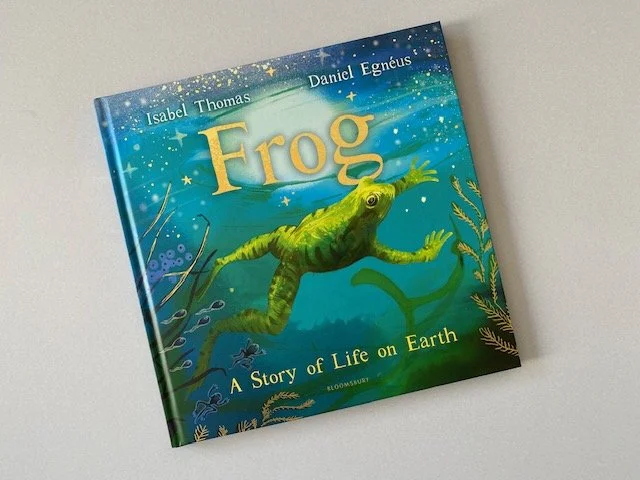
Isabel Thomas is a complete master at understanding the kind of questions little ones love to ask - and then offering carefully constructed and satisfying answers. Initially, ‘Frog’ appears to be a book about life cycles- and yet is so much more!
It starts with a child, a curious child whose understanding of the life cycle of a frog leads them to pose a problematic question: if frogs come from eggs and eggs come from frogs, where did the first frog come from?
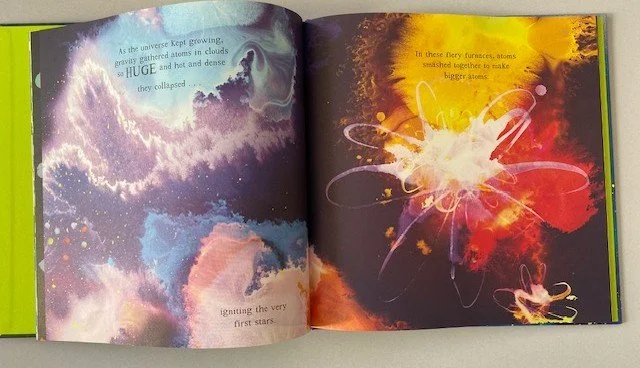
From the Big Bang through the development of the planets to the development of the first animals, readers are taken on a journey to the gradual evolution of creatures in the water leading to the development of amphibians, including the very first frogs. Each spread is beautifully illustrated, perfect for enquiring minds, whilst the text is well pitched for young readers.
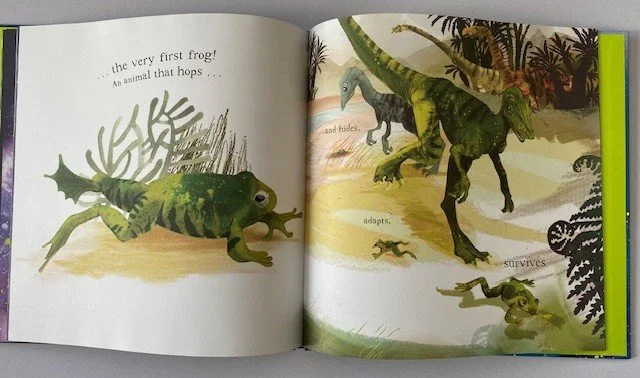
At the end of the book, there is a more text heavy explanation, offering more detail, perhaps to deepen the understanding of older readers or to support adults sharing this with young children. Isabel Thomas’s infectious enthusiasm for her subject clearly comes through on every page, sure to inspire a new generation of science lovers.
Frog: A Story of Life on Earth
Isabel Thomas, illustrated by Daniel Egneus
Bloomsbury ISBN: 978-1526600752
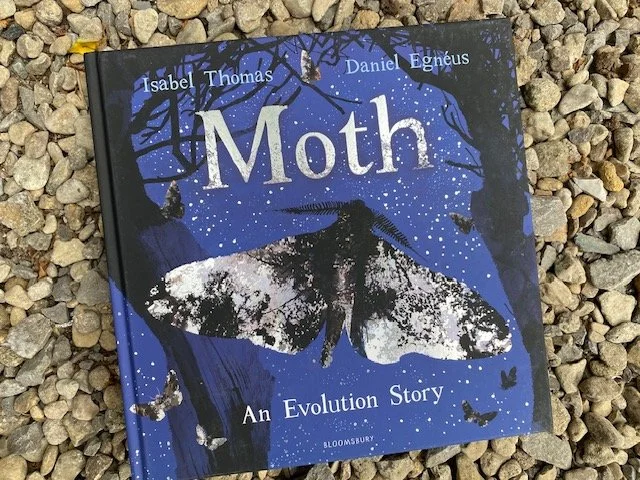
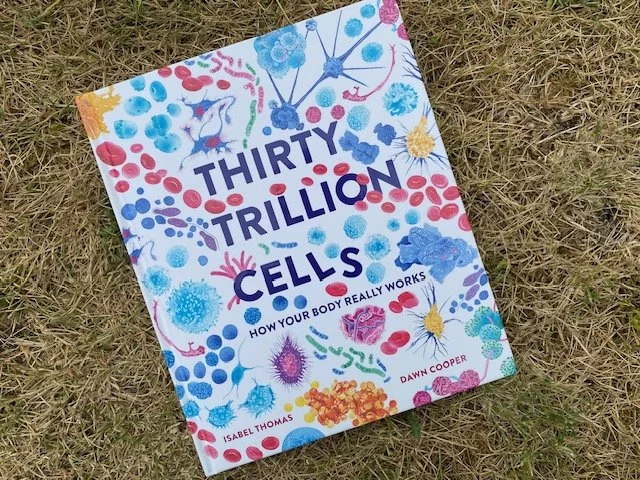
You can read my review of ‘Moth’ here and ‘Thirty Trillion Cells’ here.
Tales of Scary Beasts
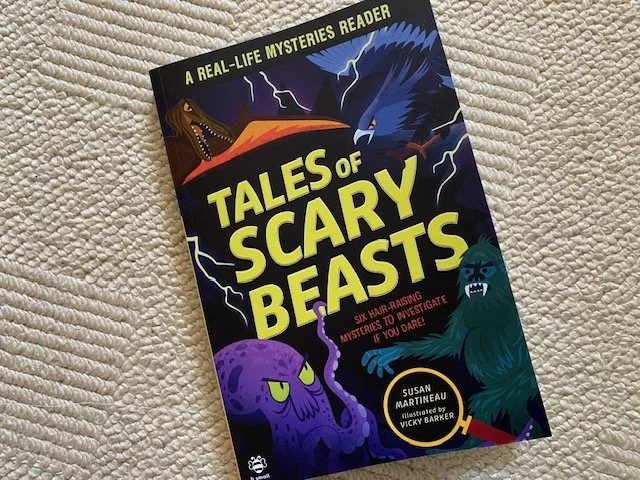
A selection of terrifying tales have been gathered into six sections, enabling readers to study the stories and consider the evidence to help them investigate these real-life mysteries.
‘Tales of Scary Beasts’ is the latest in the ‘Real-Life’ series from Susan Martineau and Vicky Barker and is a treasure trove of intriguing mysteries. From lake-lurking monsters to flying horrors, sightings of mysterious and terrifying creatures have been reported all over the world and readers are introduced to some of these stories, including eye-witness accounts.
Relevant vocabulary is carefully explained throughout. Terms like ‘allegedly’ and ‘sceptical’ are used in context with little glossary boxes offering definitions as well as a full glossary at the end. Information is clearly and logically presented with supporting illustrations and diagrams to clarify understanding. Once the evidence has been put forward including a map of the world locating where sightings have taken place, a ‘Let’s Investigate’ section encourages readers to reflect on the information and draw their own conclusions.
The stories here are fascinating, making the book an excellent and enjoyable read, but importantly, readers are encouraged to question and evaluate information rather than accepting everything at face value. A brilliant addition to any book shelf!
Tales of Scary Beasts
Susan Martineau, illustrated by Vicky Barker
bsmall publishing ISBN: 978-1916851214
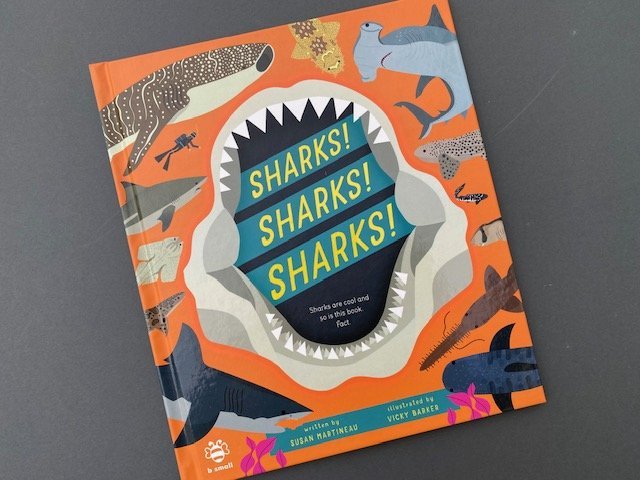
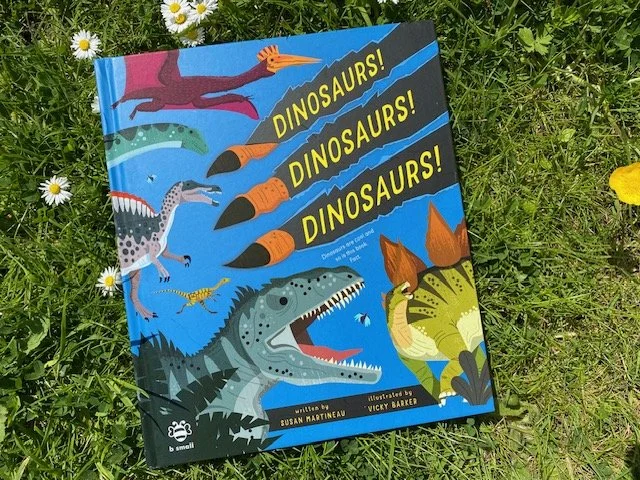
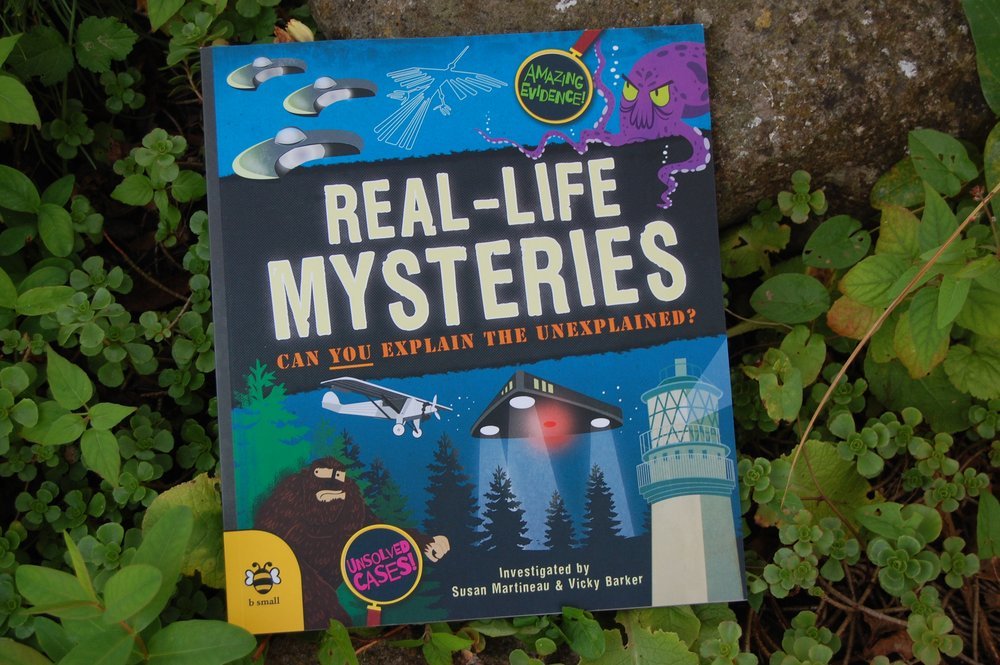
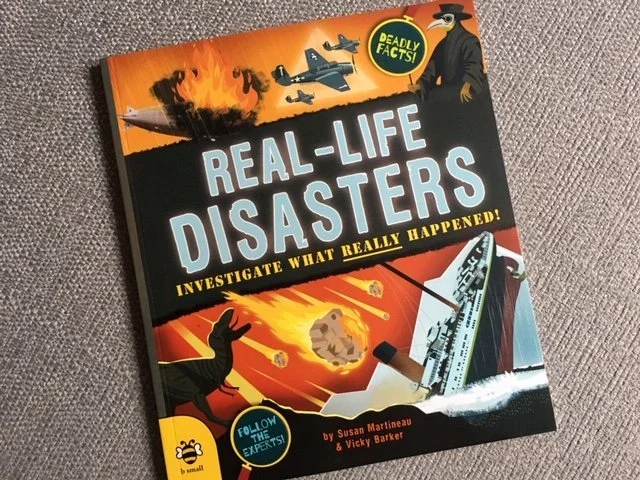
You can read my review of ‘Sharks! Sharks! Sharks!’ here , ‘Dinosaurs! Dinosaurs! Dinosaurs!’ here, ‘Real-Life Mysteries’ here and ‘Real-Life Disasters’ here.
Heroines of the Ancient World
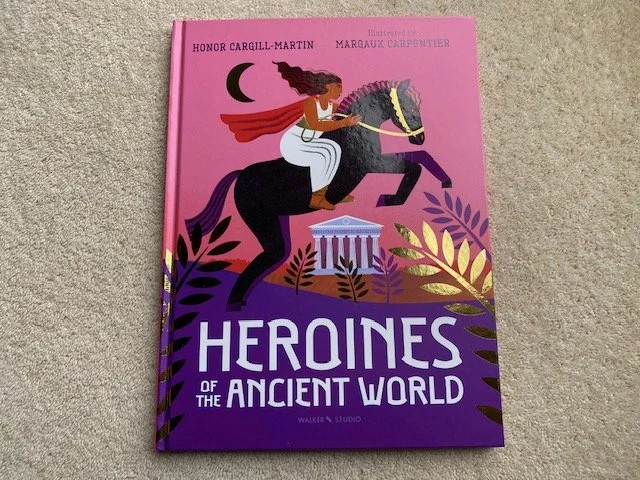
‘Extraordinary women have always done extraordinary things.’
‘Heroines of the Ancient World’ is a really absorbing read, offering biographies of a selection of extraordinary women.
In her introduction, author Honor Cargill-Martin explains that the book focuses on a particular part of the ancient world, known as the ‘classical world’. Her enthusiasm for her subject is clearly conveyed, leaving readers aware of the locations being discussed and the challenges these women faced simply by being women. A timeline then supports readers with placing each figure in chronological order with some additional relevant significant dates added, e.g. when the Greek city states rise to power.
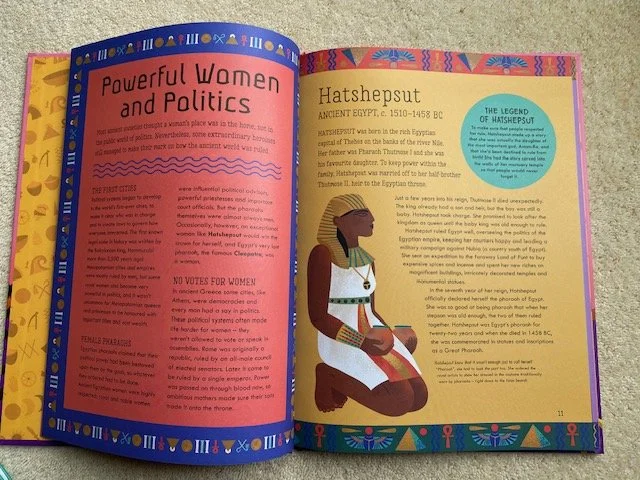
The book is then divided into sections which cover politics, science, the arts, sport, religion and war. A brief overview is followed by concise biographies, all attractively illustrated. The range of women included here is impressive. Some readers might already be familiar with- Hatshepsut, Cleopatra, Boudicca- whilst other figures are less well-known- Peseshet, Ennigaldi, Amanirenas- but each story is told in a lively tone, engaging the reader and maintaining interest.
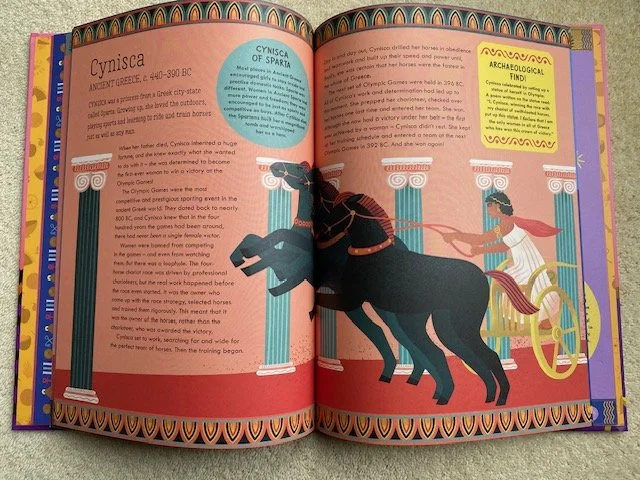
This is one of those books which should automatically find its way into schools simply because it is a fascinating read; however, it could also be used to add some breadth and colour to sections of the KS2 History curriculum. The biographies are succinct enough to make perfect reading for class story time, generating plenty of discussion and encouraging children to make connections or they could be embedded into history lessons and used to enrich children’s learning.
Perfect for engaging children with ancient history and inspiring them to discover more!
Heroines of the Ancient World
Honor Cargill-Martin, illustrated by Margaux Carpenter
Walker ISBN: 978- 1529507522
The Water Flower: The Journey of a Lotus Seed
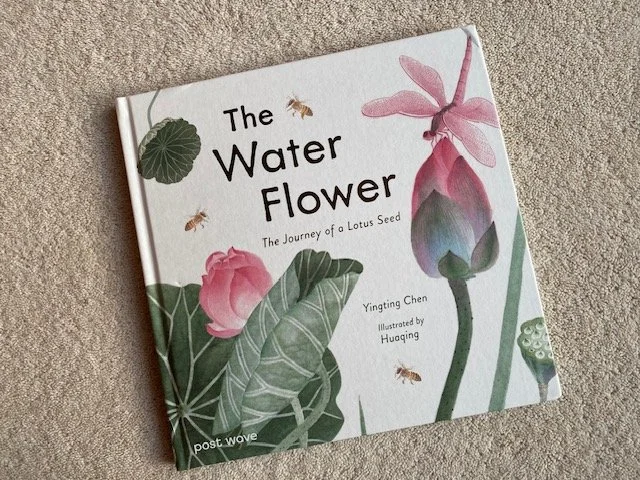
Describing the development of a lotus from its seed through flowering to releasing new seeds, ‘The Water Flower’ beautifully describes the life cycle of this remarkable plant.
Step by step, the development of the lotus is carefully explained with delicate, annotated illustrations supporting understanding at each stage. The main narrative text tells the flower’s story whilst smaller print sections add detail, using and explaining the technical terms for plant’s parts and functions.
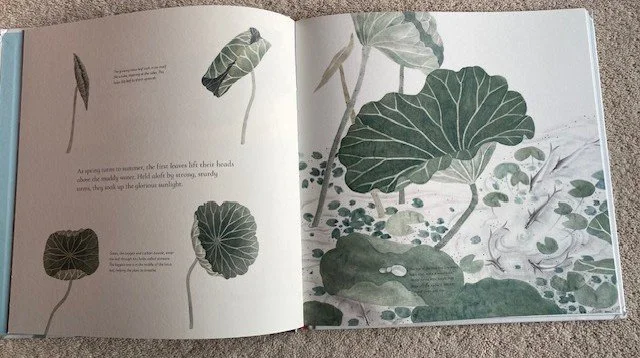
The life cycle of flowering plants and identifying and explaining the function of their parts forms part of the science curriculum at KS2 and this book offers a wonderful opportunity of enriching children’s experience by exploring a plant which might not be familiar to them. It offers the opportunity to consider how these plants have adapted to their environment and to compare them to others, broadening their understanding and applying their knowledge. For the curious child, it would make the perfect starting point for further investigation and discovery, perhaps of the flower’s symbolism and importance in some cultures.
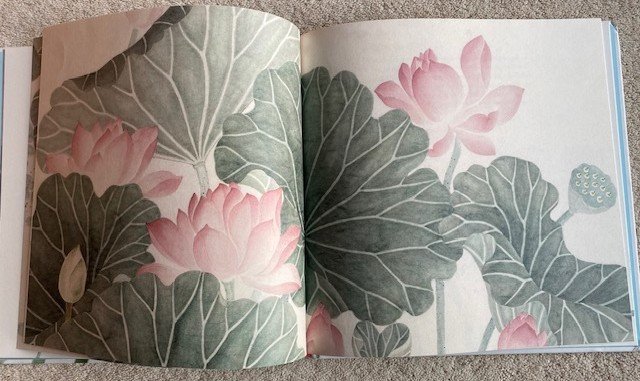
Subtle, muted colours enhance the delicate nature of these blooms, captured in these beautiful illustrations, making the book a real pleasure to linger over and offering much to learn and much to enjoy.
The Water Flower
Yingting Chen, illustrated by Huaqing
Post Wave ISBN: 978-1836270188
Why Do We Sleep?
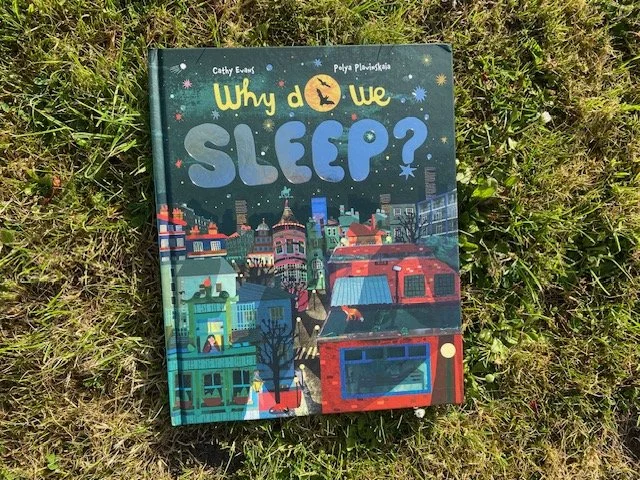
As someone who doesn’t sleep very well, I found ‘Why Do We Sleep?’ a really engaging and informative read. Starting with why we need sleep, the book explores all manner of sleep related subjects, including how we benefit from a good night’s rest.
The book introduces sleep related terms like ‘circadian rhythms’, ‘atonia’ and oneirology’, clearly explaining these in context, helping readers to develop a deeper understanding of how we sleep. A glossary at the end of the book offers additional explanations.
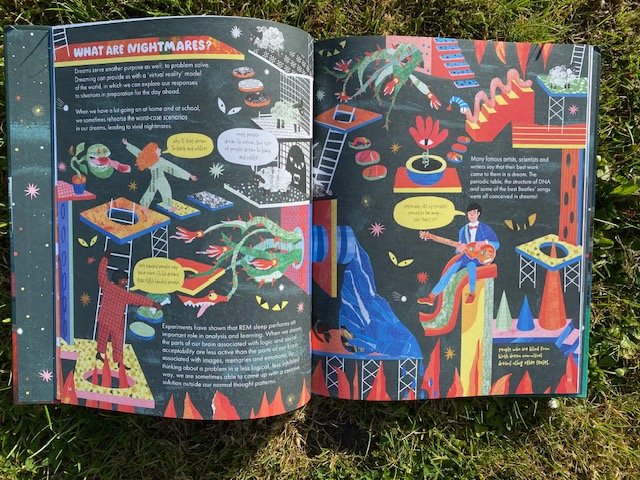
Busy, collage style illustrations fill every spread with text presented in small, accessible chunks spread across the pages. Snippets of additional information are shown in speech bubbles or text boxes. The font used in these is one which mixes upper and lower case letter which is something which really jars with me and detracts from the book which is a shame. However, this said, the information presented is fascinating!
As well as looking at the sleeping habits of humans, the book looks at how various animals sleep and dream, including hibernation. Readers are also introduced to myths from around the world linked to sleep such as Fylgja, a guardian spirit from Norse mythology and the Baku, a creature from Japanese legend.
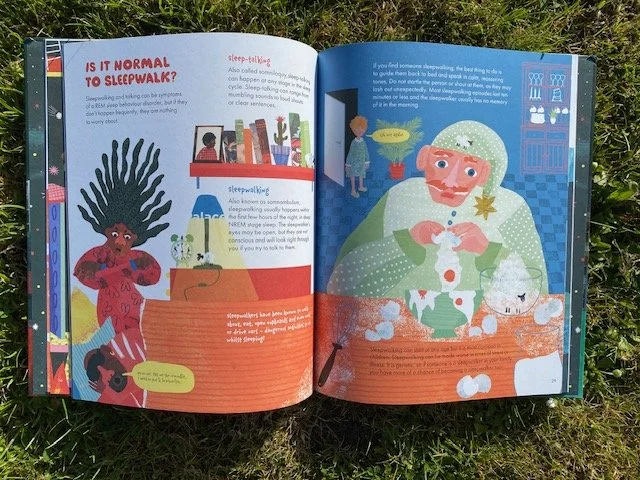
Perfect for enriching learning and broadening the curriculum, this book also helps children to understand the importance of sleep, with suggestions for developing positive bed time habits, including a ‘sleep flow chart’ designed to help improve sleep quality. I will definitely be trying this out!
Why Do We Sleep?
Cathy Evans, illustrated by Polya Plavinskaia
Cicada Books ISBN: 978-1800660588
Small, Sparkling Raindrop
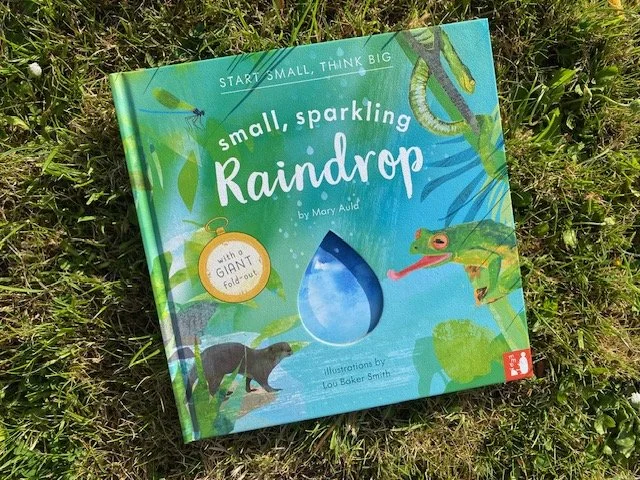
‘Small, Sparkling Raindrop’ is the latest in the ‘Start Small, Think Big’ series. These lovely books thoughtfully present information by starting with things children are familiar with and connecting these to the bigger picture of the world.
In this book, children follow the path of a raindrop from the moment it falls from a cloud. Through its journey, they learn about the water cycle, the vital role water plays for all living things, how water shapes the land and the importance of clean water to the environment.
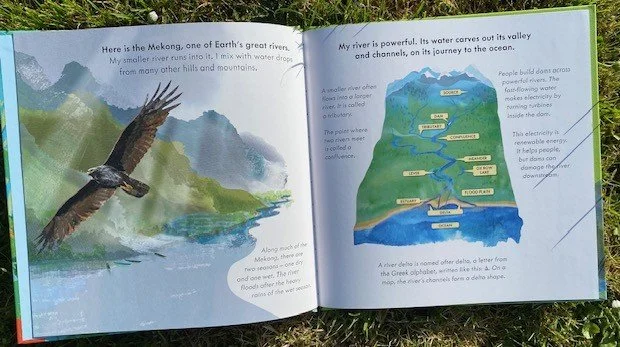
The text is beautifully presented, supported by attractive, eye-catching illustrations. The raindrop tells its own story at each stage, clearly and concisely explaining what is happening whilst additional information is also offered, written in italics to be easily differentiated from the raindrop’s narrative.
An excellent classroom resource, the book links with many curriculum areas and, although geared at a KS1 audience, would be very useful in KS2, supporting understanding of topics such as the water cycle or rivers. Technical vocabulary associated with these subjects is carefully used and explained, for example, children learn why a river delta has this name. The book focuses on the Mekong river, offering a chance to enrich the curriculum by drawing attention to a river which might not be a ‘typical’ classroom choice and offering potential for further research and discovery.

As with all the titles in this series, the book concludes with a fold-out which pulls together all the information covered through the book, plus offers an I-Spy game which encourages readers to re-explore the book, hunting for the animals.
A great addition to the series!
Start Small, Think Big: Small, Sparkling River
Mary Auld, illustrated by Lou Baker Smith
Mama Makes Books ISBN: 978-1916780101
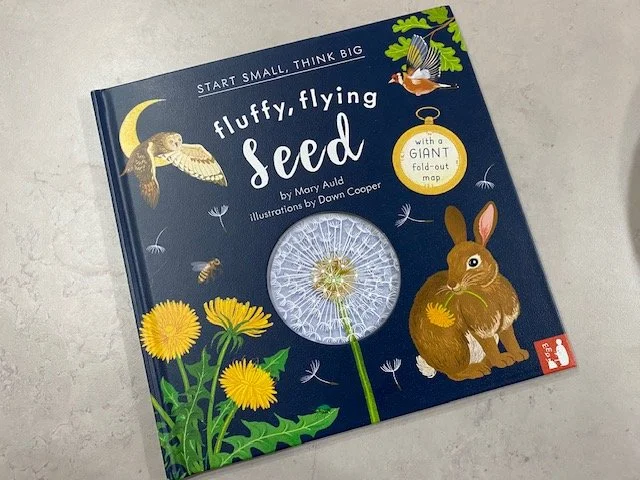
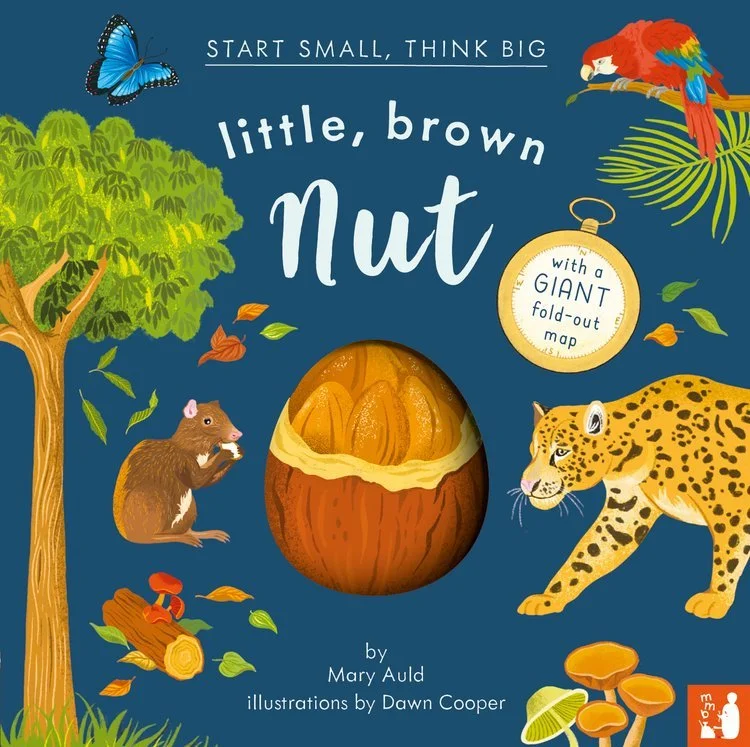
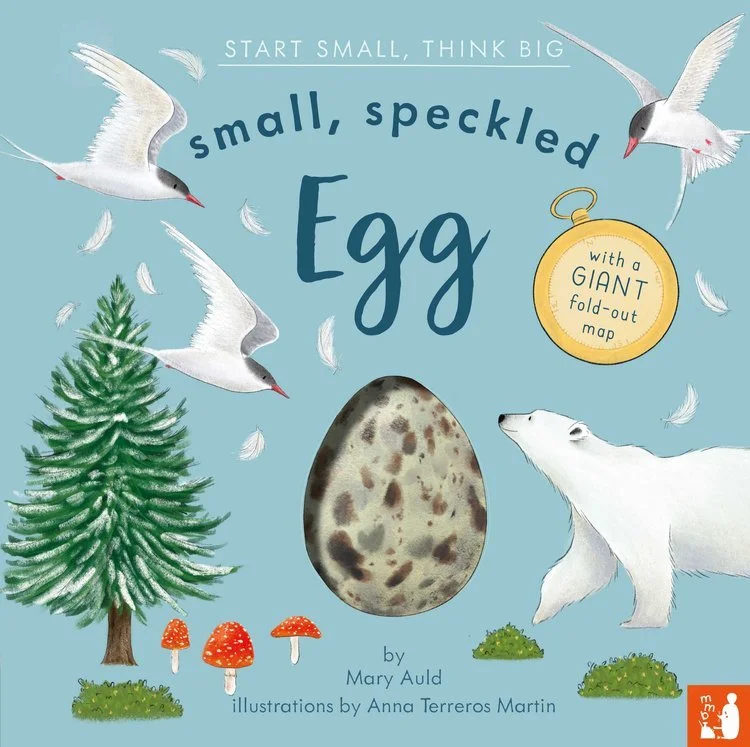
You can read my review of ‘Flying, Fluffy Seed’ here and ‘Small, Speckled Egg’/ ‘Little, Brown Nut’ here.
The Fossil Keeper’s Treasure
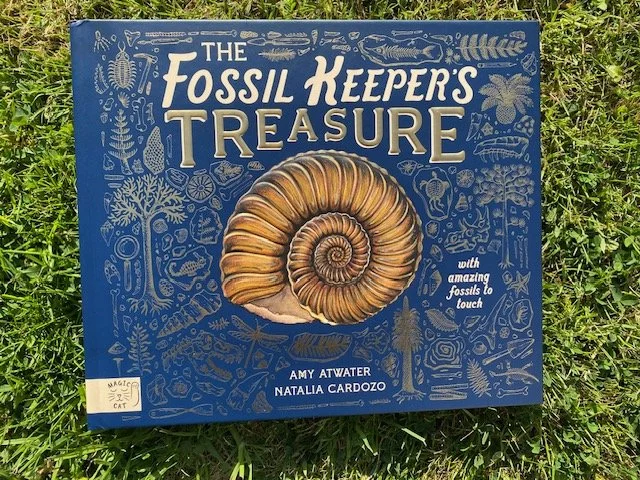
They say to never judge a book by its cover, but ‘The Fossil Keeper’s Treasure’ is as lovely inside as the outside hints it’s going to be! Not only is it visually appealing, there is a tactile element to the book as well, allowing readers to explore the embossed fossils by touching them.
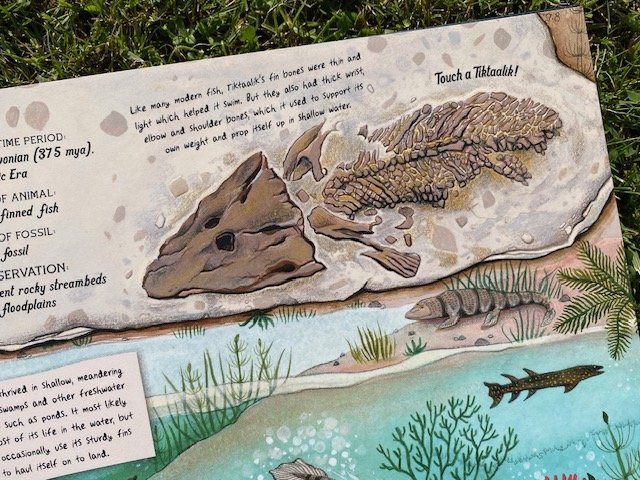
Presented as a scrapbook, with short snippets of information scattered across the illustrations, the author shares the story behind ten fossil discoveries. The book begins with an explanation of what fossils are and how they are formed, including the different types of fossils which can be found, before focusing on each discovery in turn.
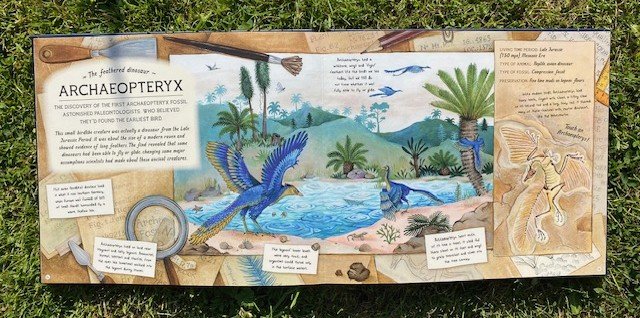
Information about the creature, the period in which it lived, the type of animal it was, the type of fossil found and how it was preserved is given. In most cases, details of the palaeontologist who made the discovery are also given, making this a treasure trove of information for anyone already fascinated by fossils and inspiring for any novices wishing to find out more.
A wonderful book to share or browse at leisure, ‘The Fossil Keeper’s Treasure’ is one to return to again and again!
The Fossil Keeper’s Treasure
Amy Atwater, illustrated by Natalia Cardozo
Magic Cat ISBN: 978-1917044127
It’s OK to Say No
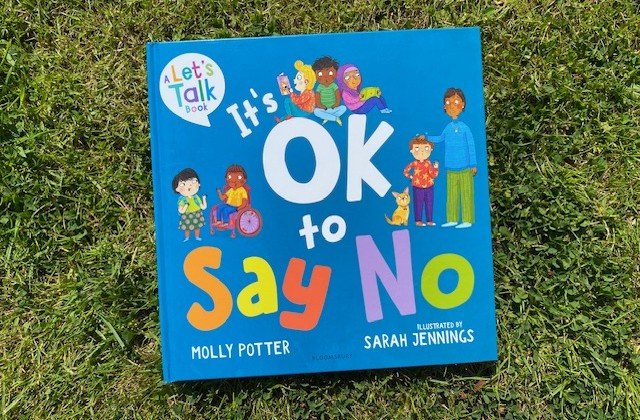
Part of the ‘Let’s Talk…’ series, ‘It’s OK to Say No’ is a well considered, reassuring book which introduces children to the idea of consent and personal boundaries.
Starting with an explanation of what ‘consent’ means the book then explores a whole range of situations and the emotions which children might feel when in a similar position. It begins with feeling comfortable/ uncomfortable before moving on to giving, and asking for, consent. Appealing, colourful illustrations and simple, clear sections of text make the book accessible to a wide reading audience. The book also makes the point that there is a difference between feeling uncomfortable about something and just not wanting to do it, giving clear examples of when an adult might expect something to be done like teeth cleaning or tidying up.
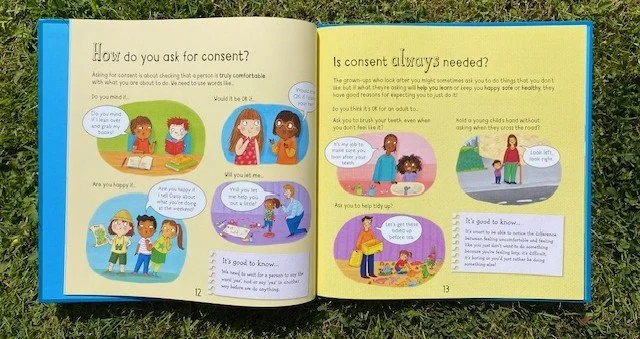
Other considerations like being uncomfortable/ comfortable with different things, changing our minds are also explored before the book moves onto what people usually keep ‘private’ and why touch needs consent. This is all very carefully and thoughtfully handled, presented in age appropriate language and focusing on everyday situations and concluding with step-by-step advice on how to say ‘no’ and who to turn to for help if needed. It is perfect for starting conversations with even the youngest children about consent and respect for their own, and others, boundaries.
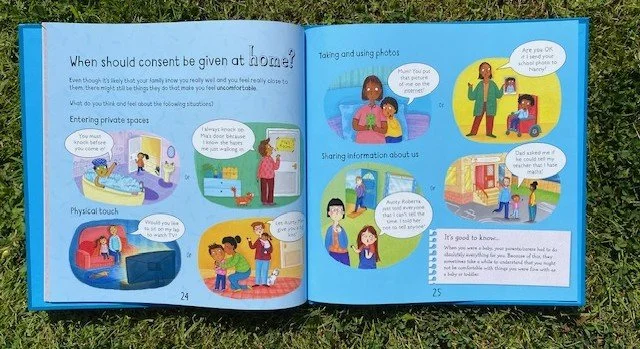
Additional advice is included at the end of the book for grown-ups, offering further guidance for how to support children develop this sense of respect for themselves and for others. Although pitched at younger children, there is nothing to stop parents, teachers or other adults using the book with mixed aged siblings, friends or classes of older students.
An excellent addition to bookshelves!
A Let’s Talk Book: It’s Ok to Say No
Molly Potter, illustrated by Sarah Jennings
Bloomsbury Education ISBN: 978-1801995382
Secrets of Bees
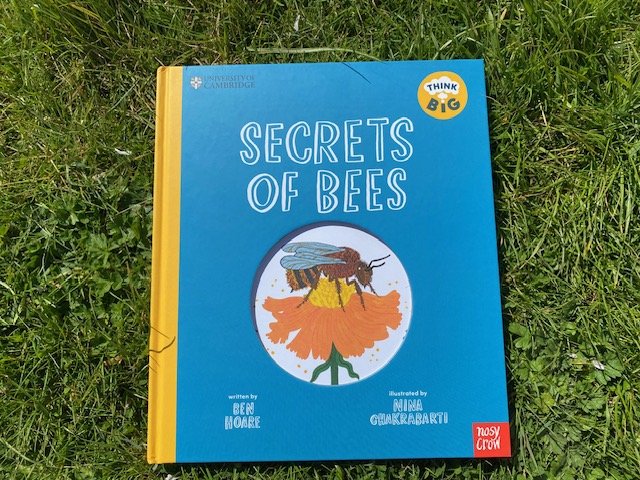
Beautifully presented, ‘Secrets of Bees’ is both informative and engaging. The role of bees and their importance is celebrated throughout the book, leaving readers with a deeper understanding of, and respect for, the brilliant creatures.
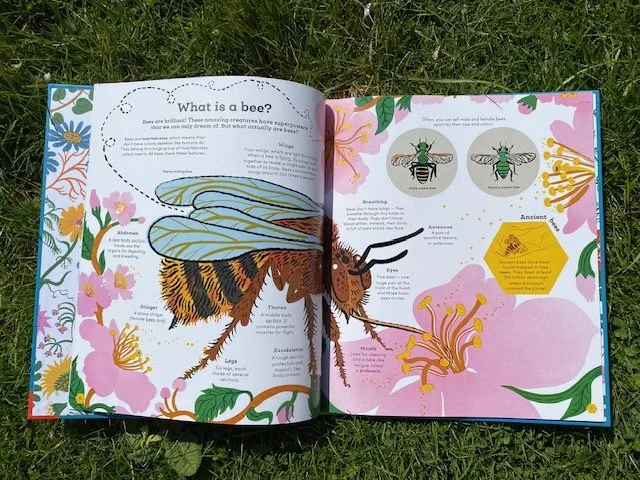
Fabulous illustrations accompany the text, visually supporting the information. A labelled diagram of a bee, for example, contributes to understanding its features, whilst other snippets of information are attractively presented alongside. These bite sized sections of text make the information easy to absorb and a comprehensive glossary at the end of the book supports understanding of the ‘technical’ vocabulary used throughout.
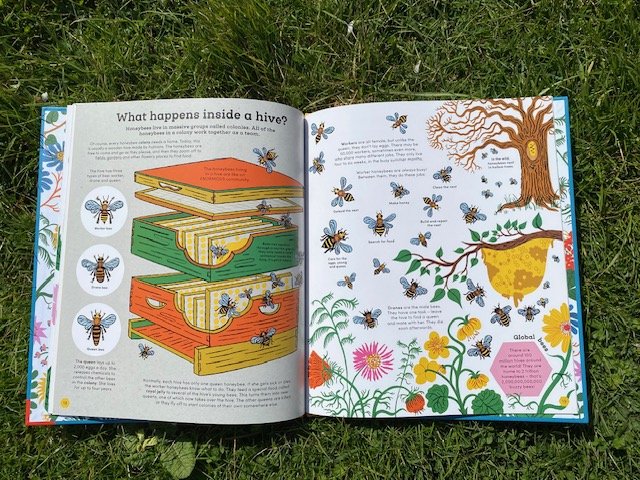
Every page celebrates the importance of these tiny creatures, championing the role they play and encouraging readers to value their contributions and do everything they can to help them in return from providing nest sites to planting more flowers. The book acknowledges that bees sting and it hurts when they do, explaining that this is their way of defending themselves and that they would much prefer to be left alone.
A fascinating read, ‘Secrets of Bees’ would make an excellent addition to any school or class library, enriching the curriculum and sparking interest in these precious creatures.
Secrets of Bees
Ben Hoare, illustrated by Nina Chakrabarti
Nosy Crow and Cambridge University ISBN: 978-1805133179
Six Queens
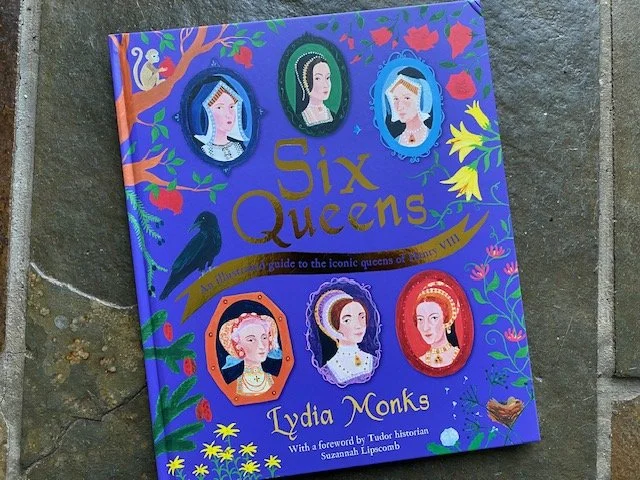
Like the author, I have always been fascinated by the women who were unlucky enough to be married to King Henry VIII. In ‘Six Queens’, Lydia Monks sets out to show that they should not just be remembered by the rhyme, ‘Divorced, Beheaded, Died, Divorced, Beheaded, Survived’, but as individuals with their own stories.
The book opens with a foreword from historian, Suzannah Lipscomb, who explains that being a historian is like being a detective. Giving an overview of the available evidence, source materials and bias, she sets the scene for Lydia Monks’ biographies whilst offering inspiration for budding historians and piquing curiosity about Katherine of Aragon, Anne Boleyn, Jane Seymour, Anne of Cleves, Catherine Howard and Katherine Parr.
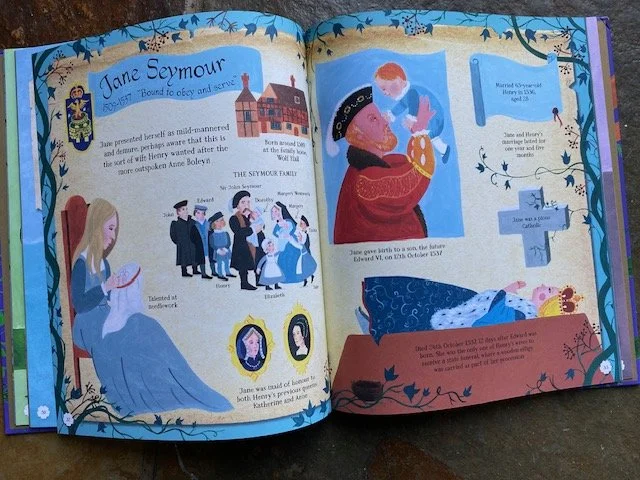
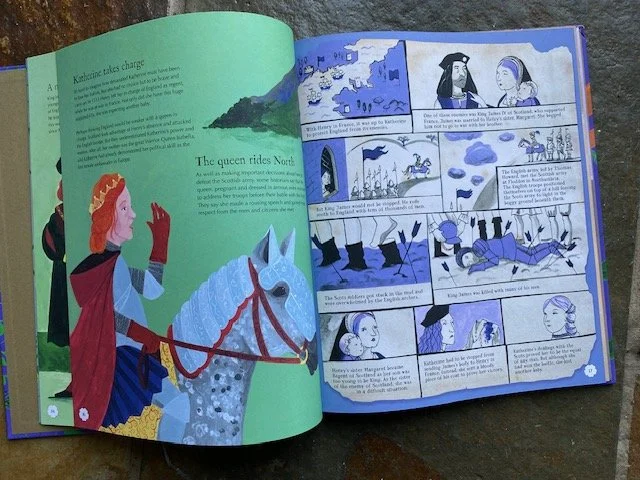
Each biography begins with an overview of the queen, her life dates, motto and key information before telling their story through a combination of text, illustration and comic strip. Although each section covers the marriage to Henry VIII, the focus is very much on the queen with relevant details about life in Tudor England- fashion, medicine etc- where appropriate.
Although not currently a specified period in the History curriculum for KS2, the Tudors has long been a favourite period of history taught in primary schools with Henry being almost celebrated for having ‘had’ six wives, women he married and disposed of at will. This book does much to redress the balance. For example, Catherine Howard- so often dismissed as promiscuous, foolish or even as ‘a natural tart’ - is viewed in a far more sympathetic light whilst Katherine of Aragon and Katherine Parr are given full credit for acting as Regent in Henry’s place.
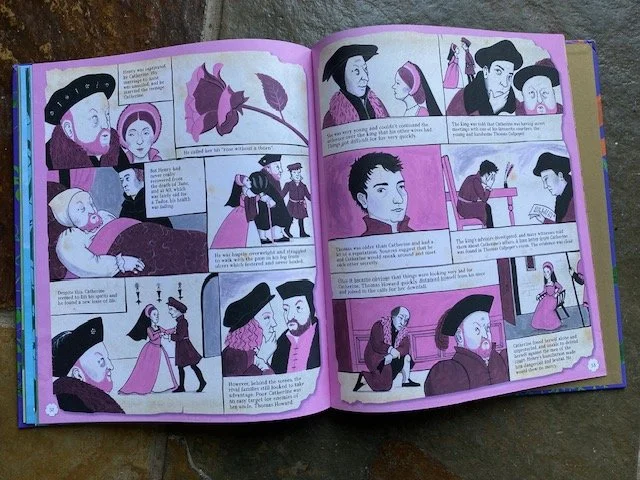
The book concludes with the fact that despite Henry’s desperation for a son and all he did to achieve this goal, his daughters, Mary and Elizabeth, both came to the throne, proving that women were capable of ruling England- and doing so successfully.
Dealing with the complex issues surrounding these women, including arranged marriages, accusations of adultery and incest, brutal state murder, abuse, coercion and control, and presenting these in an age appropriate manner is no mean feat, yet in ‘Six Queens’, Lydia Monks has very successfully achieved this, offering an excellent introduction to the lives of these women, who deserve to be remembered as so much more than wife to a king.
Six Queens
Lydia Monks
Macmillan ISBN: 978-1529095289
Wonder World: Earth
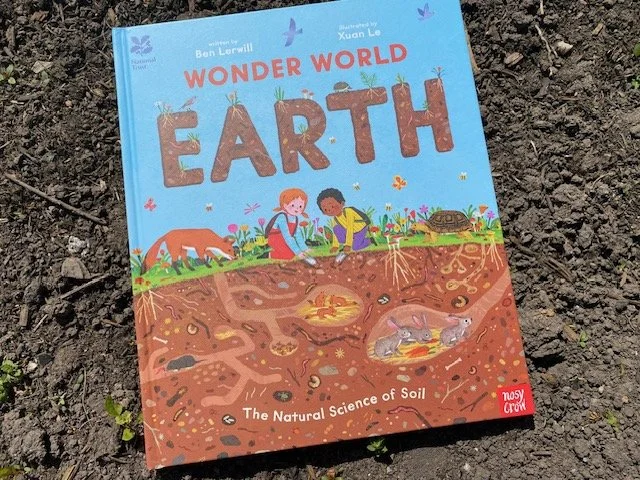
Offering a closer look at the ‘muddy, magical, marvellous miracle’ that is soil, ‘Wonder World: Earth’ is a fascinating and enjoyable read. The first in a new series, it is perfect for bringing natural science alive for younger readers.
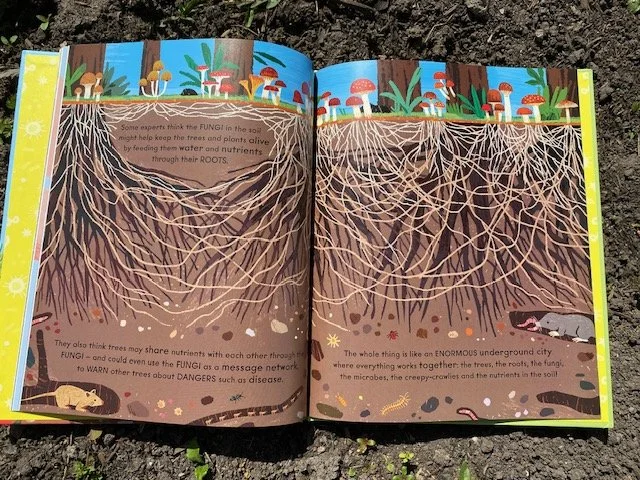
Clear explanations are supported by engaging illustrations, encouraging readers to see the world of the worm as an exciting place. The key role played by the earth beneath our feet in the well being of the planet is really brought to life in these pages.
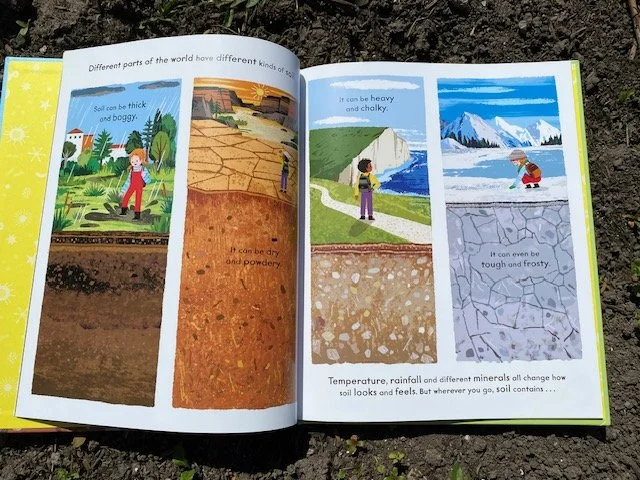
Starting with the different layers of the Earth, the book then zooms in on soil, explaining what it is, what it is composed of and how it varies in different parts of the world. The life it hosts, from billions of worms of varying kinds to minibeasts and microbes, is then explored, all accompanied by lively, colourful illustrations.
The chatty style of the text makes the book really accessible and is sure to capture children’s interest and encourage them to find out more about soil and the incredible role it plays. For teachers, it would make an excellent resource, encouraging children to work scientifically and supporting work in Y3 on rocks as well as considering soil as a habitat. However, it is also a book which children are sure to pick up and enjoy for its own sake!
Wonder World: Earth
Ben Lerwill, illustrated by Xuan Le
Nosy Crow in collaboration with the National Trust
ISBN: 978-1805130697
Blog Tour: The Greatest Stuff on Earth
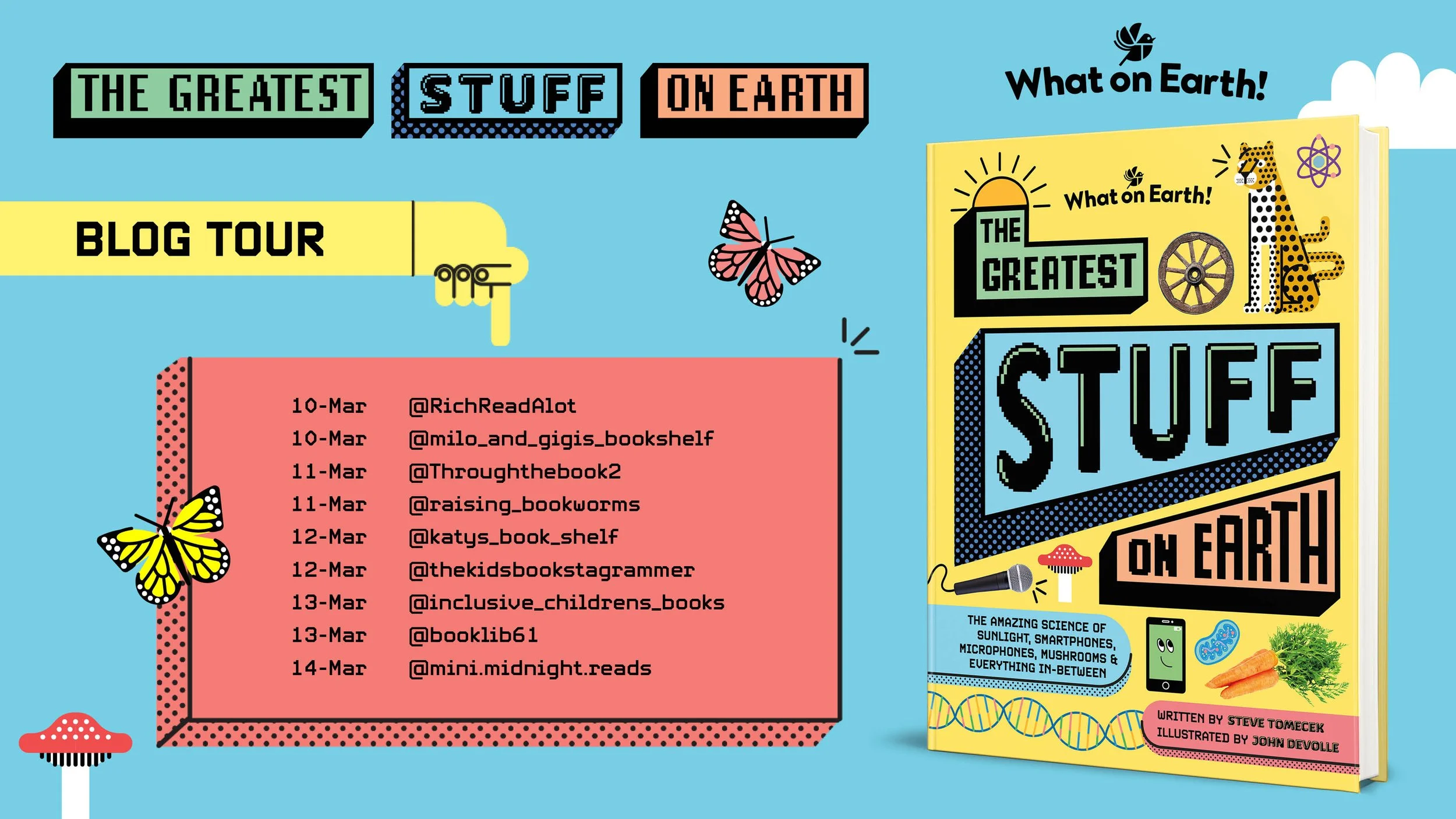
Today it’s my turn on the Blog Tour for ‘The Greatest Stuff on Earth’, an amazing look at the science behind lots of stuff we take for granted!
‘The Greatest Stuff on Earth’ is packed full of fascinating…stuff! Offering a light-hearted look at everything from aeroplanes to x-rays, this brightly coloured book is perfect for dipping in and out of.
Divided into ‘Stuff: The Basics’, ‘Nature Stuff’ and ‘Stuff Humans Make and Use’, there is a huge amount of information contained in these pages, accompanied by plenty of photographs, illustrations and diagrams. The author has a chatty, quirky style which is sure to engage young readers whilst offering clear and simple explanations about some quite complex topics.
In addition to a contents, an index and a glossary, there is also a section about the research for the book and selected sources used. The author explains some of the pitfalls of using websites for research, how he selects which to use and how he cross-references to his findings to ensure he is sharing reliable information. In addition to all the fascinating facts in the main text of the book, this section would make an excellent starting point for discussions with children about checking sources and verifying information.
A really enjoyable read!
The Greatest Stuff On Earth
Steve Tomecek, illustrated by John Devolle
What on Earth! ISBN: 978-1804661413
Many thanks to Laura for inviting me to take part in this Blog Tour. Make sure you have a look at the other stops!
Small World
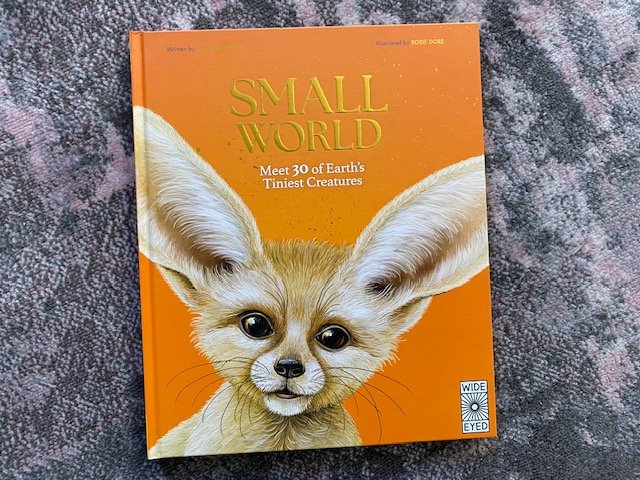
Celebrating the tiniest creatures on the planet, ‘Small World’ is a fascinating and absorbing read. Divided into six sections, the book looks at tiny birds, fish, amphibians, invertebrates, mammals and reptiles as well as offering a chapter on the ‘very smallest animals’.
Two beautifully illustrated pages are devoted to each creature highlighted with an additional page in each section which allows readers to see each drawn to their actual size. Along with its Latin name, the habitat, diet and appearance are described along with the benefits and challenges it faces as a result of its size.
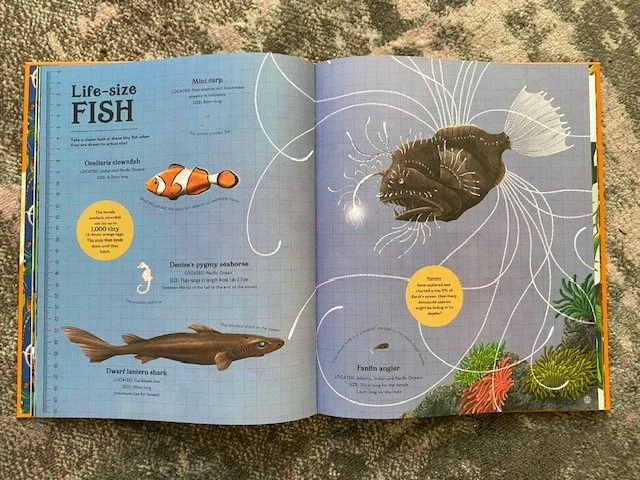
Some of the animals presented in this book are sure to be familiar- the bee hummingbird, the Ocellaris clownfish or the Monarch butterfly, for example; however, there are plenty of creatures which even the most ardent animal lover may not be familiar with. The rusty-spotted cat, which looks a little like a tabby, is the smallest species of cat on Earth. Kitti’s hog-nosed bat- craseonycteris thonglongyai- also known as the bumblebee bat, is only 3cm long. The Barbados threadsnake, which had been incorrectly identified for years and was only scientifically described by Western scientists in 2008, is only 10cm long.
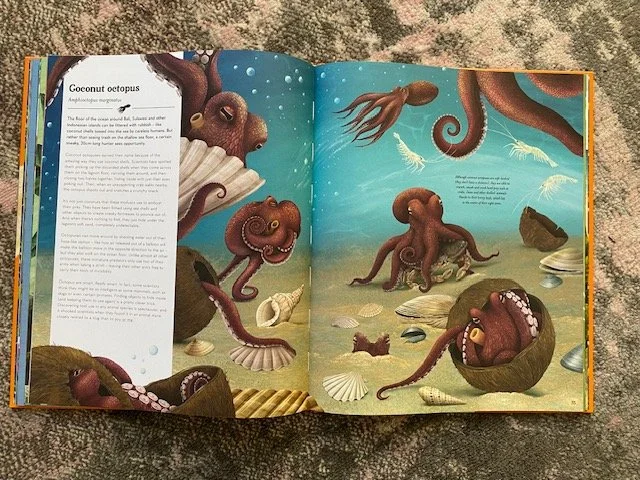
There is so much to enjoy and learn about the wonderful mixture of appealing, slightly alarming, dangerous and curious creatures found in these pages. As well as being a book to fascinate animal lovers of all ages, there is plenty here which would support- and enrich- elements of the primary curriculum, including adaptation and habitats. A glossary and index are included to support readers’ understanding and its larger format makes it perfect for sharing.
Small World: Meet 30 of the Earth’s Tiniest Creatures
Nick Crumpton, illustrated by Rosie Dore
Wide Eyed ISBN: 978-0711288560
Published 20th March 2025
Remarkable Women: Fascinating Facts You Never Knew About Amazing Women!
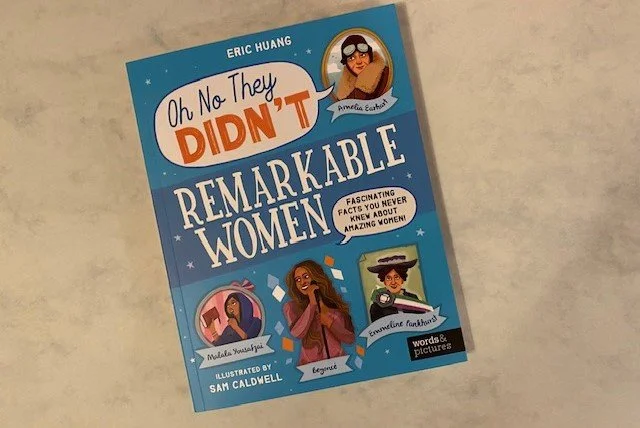
‘Remarkable Women: Fascinating Facts You Never Knew About Amazing Women!’ is a very engaging read which challenges readers to question things they thought they knew about women in history. After all, everyone knows that women in history stayed home and avoided adventure and that men pioneered all the scientific breakthroughs, but as this fascinating book shows- oh, no they didn’t!
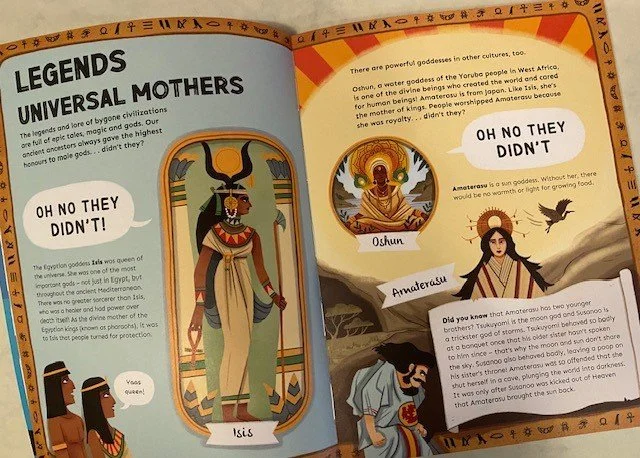
Starting with ‘Legends’, the book looks at the misconceptions around the role of women in different areas including creatives, superstars and trailblazers. By presenting information in an engaging, chatty, light-hearted style, the serious message the book carries is very successfully conveyed. The ‘did you know…’ sections are sure to be quoted by children seeking to challenge the adults around them and share what they have discovered.
The book is a real gift to teachers who could chose to use sections as the basis for an assembly, discussion time or to challenge something in connection with a particular area of the curriculum and the concise sections also lend themselves to guided reading sessions. A useful world map at the end of the book shows where the women highlighted in the book were born whilst a timeline places them chronologically in history by their date of birth (where this is known).
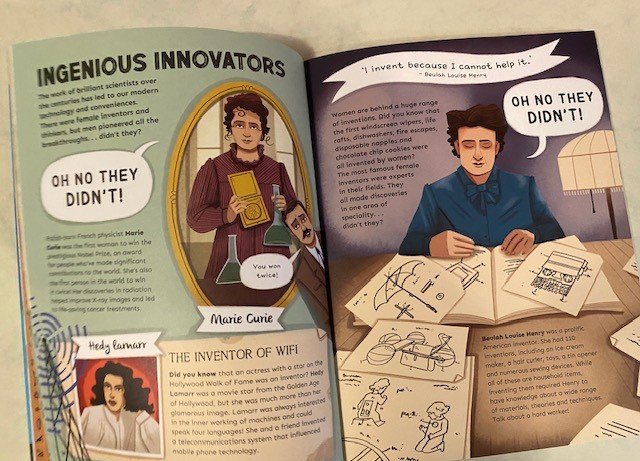
Nature: Fascinating Facts You Never Knew About the Natural World! is also available in this series.
Oh No They Didn’t Remarkable Women:
Fascinating Facts You Never Knew About Amazing Women!
Eric Huang, illustrated by Sam Caldwell
Quarto ISBN; 978-0711292888